
 USD
USD GBP
GBP
 EUR
EUR

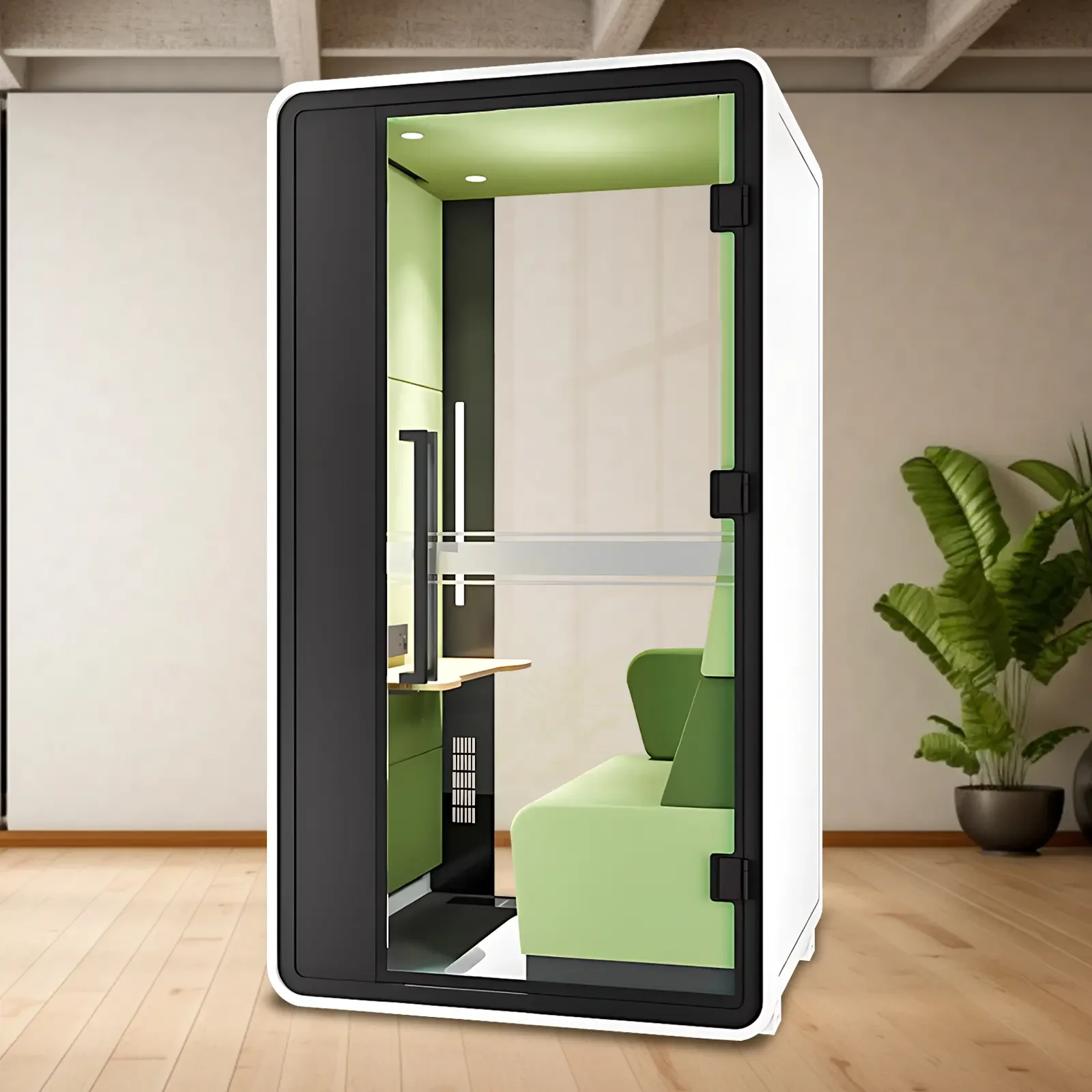


March 3rd, 2021, marked the 22nd National Ear Care Day in China, with the theme "Hearing Health for All." Data released by the World Health Organization (WHO) shows that approximately 466 million people worldwide currently suffer from disabling hearing loss, accounting for 5% of the global population. By 2050, this number is projected to increase to over 900 million, meaning that one in ten people will have disabling hearing loss. Furthermore, one-fifth of the global population currently suffers from hearing impairment, affecting over 1.5 billion people worldwide. So, how is hearing loss defined? Is there a unified standard? The WHO's classification of hearing loss levels is as follows: ↓↓↓
The human ear is a very sensitive organ. For a normal person, hearing loss can occur at levels exceeding 70 decibels. Besides hearing loss caused by individual factors, there is also forced hearing loss due to external factors. In other words, in the ever-developing urban environment, we are forced to passively endure environmental noise that can damage our hearing.
The necessity of urban development forces people to passively accept noise. Rapid urban development is a trend of the times. Elevated highways are built near residential areas, but sound insulation and vibration reduction measures have not yet been implemented. Bars, KTVs, and street food stalls blend into the bustling city center, intermingling with residences, hotels, and inns... Environmental noise has become a major obstacle for people pursuing a quality life.
The "Civil Building Acoustic Design and Planning" sets certain noise requirements for different types of building complexes. The maximum acceptable noise level at night is 60 decibels. However, in reality, sounds exceeding 50 decibels can affect a normal person's sleep, and sounds exceeding 70 decibels can affect hearing and, over time, can cause cardiovascular diseases.
Therefore, in addition to protecting our hearing, we also need to improve the sound insulation and noise reduction of our living environment.
There are two main types of environmental noise: one is airborne sound, mainly consisting of car horns, shouts, music, human voices, dog barks, etc., which can range from 50 to 100 decibels depending on the distance and type. The other is solid-borne sound, mainly consisting of outdoor subway resonance, traffic passing over the ground, construction site wells, power distribution rooms, etc., which travel directly into the ear through solids and can cause physical damage.
The causes of this noise are twofold: external and internal. External: Inadequate sound insulation and vibration reduction measures at the noise source, such as elevated highways being too close to residential areas without sound barriers, and the lack of planned use of natural sound-absorbing materials like trees. Internal: The buildings themselves have weak sound insulation capabilities.
Nowadays, the walls in houses are either 240mm brick walls or 200mm concrete walls. Honestly, they shouldn't cause too much noise pollution. Generally speaking, a concrete wall of 200mm or more can effectively block the sound of running water in the bathroom. If it's near an elevator, a wall of around 250mm can also effectively block the sound. In the end, it's still the noise from next door that gets out through your window and then into your window.
1. The most important thing to solve the problem of poor sound insulation is to solve the problem of windows .
Noise problems caused by airborne sound are relatively easy to solve. The most important thing is to use sound insulation and absorption methods to reduce sound energy, which are relatively diverse and effective. However, noise problems caused by solid-borne sound must be dealt with by vibration isolation (using vibration isolators such as springs) or shock absorption (damping vibration-absorbing materials), which are usually not something we can solve on our own.
The quickest way is to add another window. Many people in Japan do this. Although it looks unsightly, if the newly added inner window has high airtightness, the sound insulation effect is quite good, reducing noise by up to 45dB. Double-glazed windows are most effective at reducing the noise that directly enters the room through the glass. The sound waves passing through the outer layer of glass are repeatedly reflected and abraded in the air layer between the two panes, achieving a sound insulation effect.
However, this approach has several drawbacks. For example, it takes up valuable space: a perfectly good windowsill is essentially ruined. Also, it requires doing the process twice every time the window is opened or closed, significantly increasing the workload.
Therefore, compared to adding windows, I personally think that replacing them with windows that have better sound insulation is a more permanent solution.
To protect your hearing, in addition to taking good care of your ears, you should also avoid external noise from interfering with your delicate nerves, do a good job of sound insulation and noise reduction, learn about noise awareness, and improve your quality of life.