
 USD
USD  GBP
GBP
 EUR
EUR
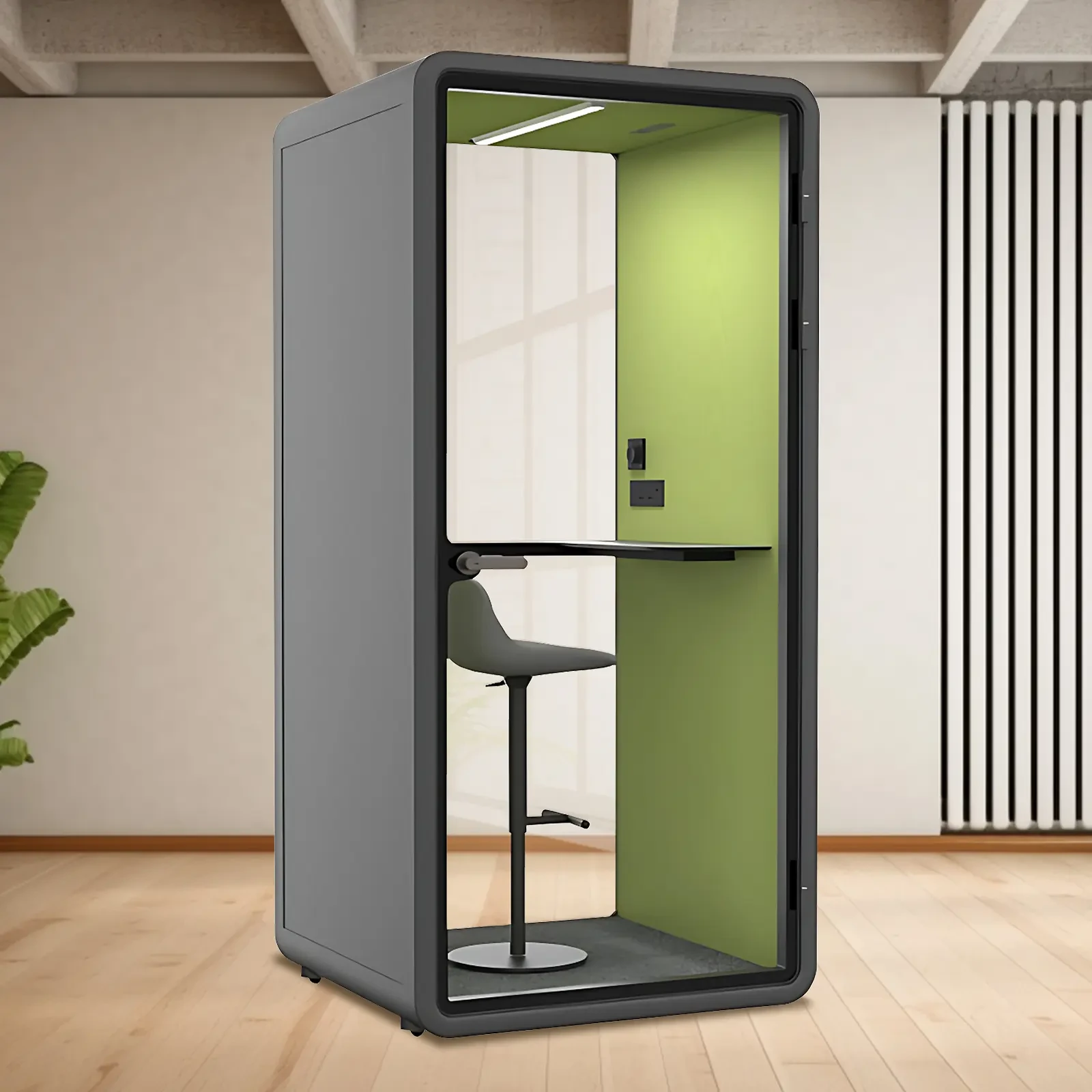
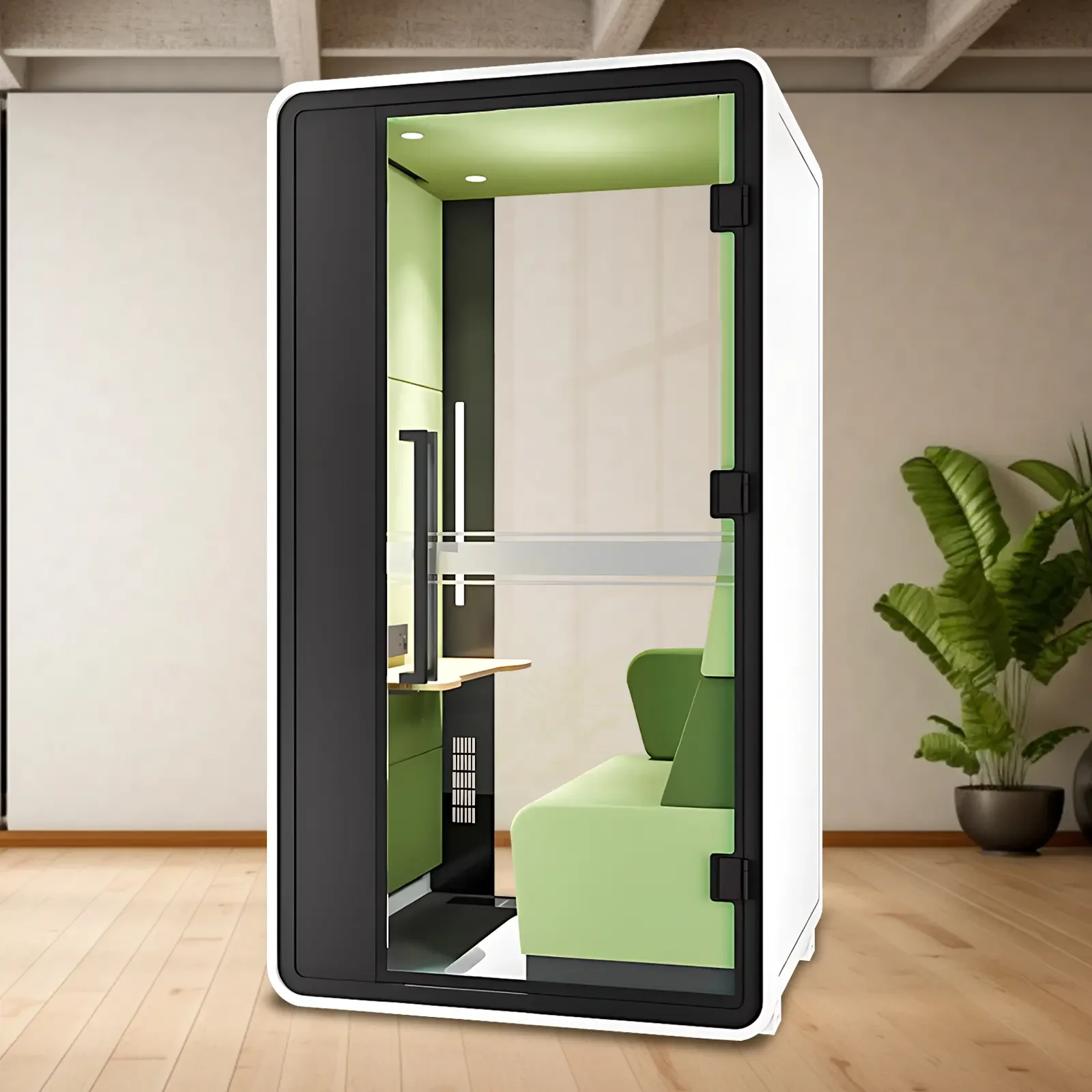
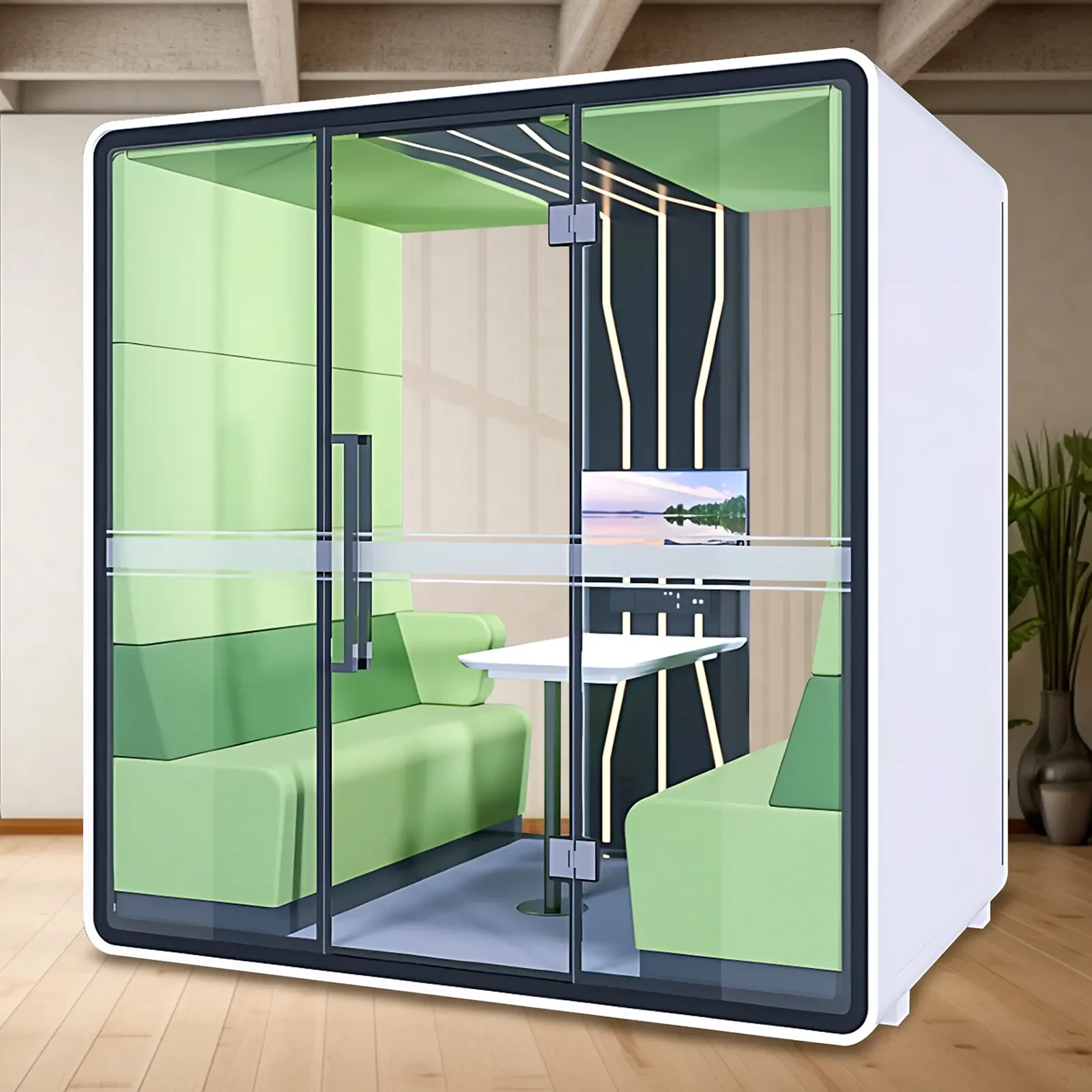
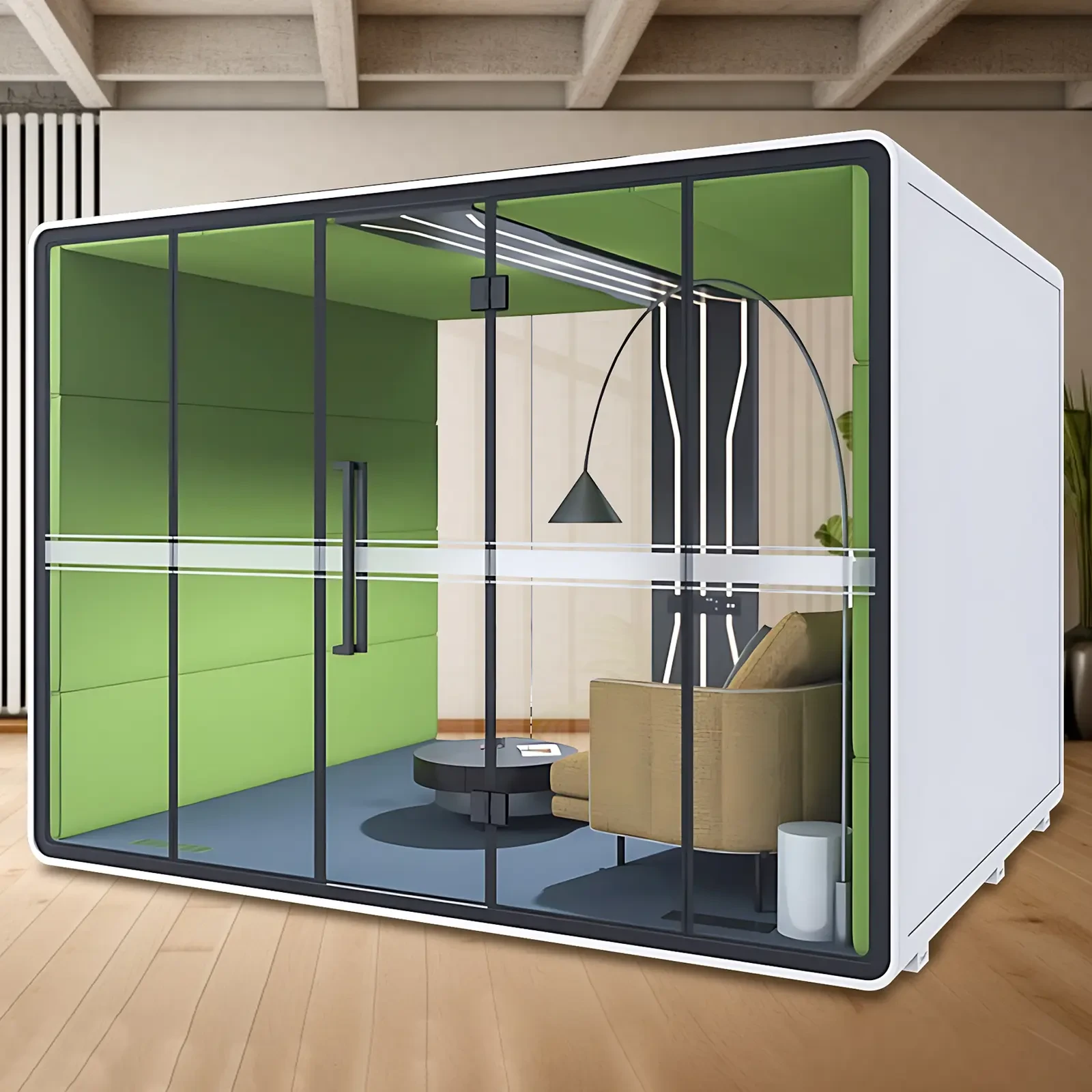
Make your room as quiet as ever-how to perform secondary soundproofing on windows facing the street.
In this bustling city, home should be a sanctuary for our souls, a private space away from the noise and chaos, where we can enjoy tranquility. However, for many living in street-facing homes, the incessant noise of traffic and crowds outside their windows has become an inescapable nuisance. But through a series of scientifically effective secondary soundproofing measures, we can restore peace and quiet to our rooms. Today, let me guide you through exploring how to perform secondary soundproofing on street-facing windows, restoring your living environment to its original quiet state.
I. Understanding the Importance of Sound Insulation
First, we must recognize the importance of sound insulation for improving the quality of life. Good sound insulation not only improves sleep quality but also protects mental health. Prolonged exposure to noisy environments can easily lead to negative emotions such as anxiety and irritability, and may even affect work efficiency and physical health. Therefore, secondary soundproofing of windows facing the street is a crucial step in improving the living environment and enhancing the quality of life.
II. Analysis of Noise Sources and Transmission Paths
Before undertaking soundproofing renovations, we need to understand the sources of noise and their transmission paths. Noise from windows facing the street mainly comes from external traffic noise and people's voices, which travel through the air into the room. Meanwhile, the window's airtightness, glass material, and frame structure are also important factors affecting soundproofing effectiveness. Therefore, our soundproofing measures should focus on these aspects.
III. Choose high-quality sound insulation materials
1. Soundproof Glass: Replacing or adding soundproof glass is the most direct way to improve the sound insulation of windows. Insulating glass, laminated glass, and vacuum glass are all good choices. Among them, vacuum glass has the best sound insulation effect because there is almost no air convection inside, but the price is also relatively high.
2. Sealing strips: High-quality sealing strips can effectively prevent sound from entering the room through gaps. Choosing sealing strips that are elastic, aging-resistant, and have strong sealing properties, and installing them between the window frame and the window sash, can significantly improve sound insulation.
3. Soundproof curtains: In addition to physical soundproofing materials, soundproof curtains can also be considered. These curtains are made of special materials that can absorb some noise and block light, adding tranquility and privacy to the room.
IV. Optimize window structure
1. Increase the number of window sashes: If conditions permit, consider replacing single-pane windows with double-pane or multi-pane windows. Multi-pane windows improve sound insulation by adding air layers to block sound transmission.
2. Improve window frame design: The material and structure of the window frame are also key factors affecting sound insulation. Use materials with good sound insulation properties, such as thermally broken aluminum or PVC, and optimize the connection between the window frame and the wall to reduce sound transmission.
3. Install soundproof windows: There are specialized soundproof window products on the market. These products, through special design and technical processing, can significantly improve the sound insulation effect of windows.
V. Other Supporting Measures
1. Indoor greenery: Placing some green plants, such as spider plants and pothos, in the room can not only beautify the environment, but also absorb noise to a certain extent and create a more peaceful living atmosphere.
2. Use sound-absorbing materials: Using sound-absorbing panels, sound-absorbing cotton, and other sound-absorbing materials on walls, ceilings, etc., can further reduce the reflection and transmission of indoor sound and improve the overall sound insulation effect.
3. Adjust your lifestyle habits: Although this is not a direct soundproofing measure for windows, adjusting your lifestyle habits, such as arranging your work and rest time reasonably and reducing nighttime noise, can also improve the quietness of your living environment to some extent.
Conclusion
Through these scientifically effective secondary soundproofing measures, we can effectively solve the noise problem in rooms facing the street, allowing our homes to once again become our safe haven. Remember, soundproofing is not just a technical skill, but also a pursuit and respect for a high-quality life. Let's start with the details and work together to create a quieter and more comfortable living environment!
X-comfot, your gateway to an efficient life. We are committed to becoming your most trusted brand of soundproof pod.
E-mail: support@x-comfot.com