
 USD
USD  GBP
GBP
 EUR
EUR

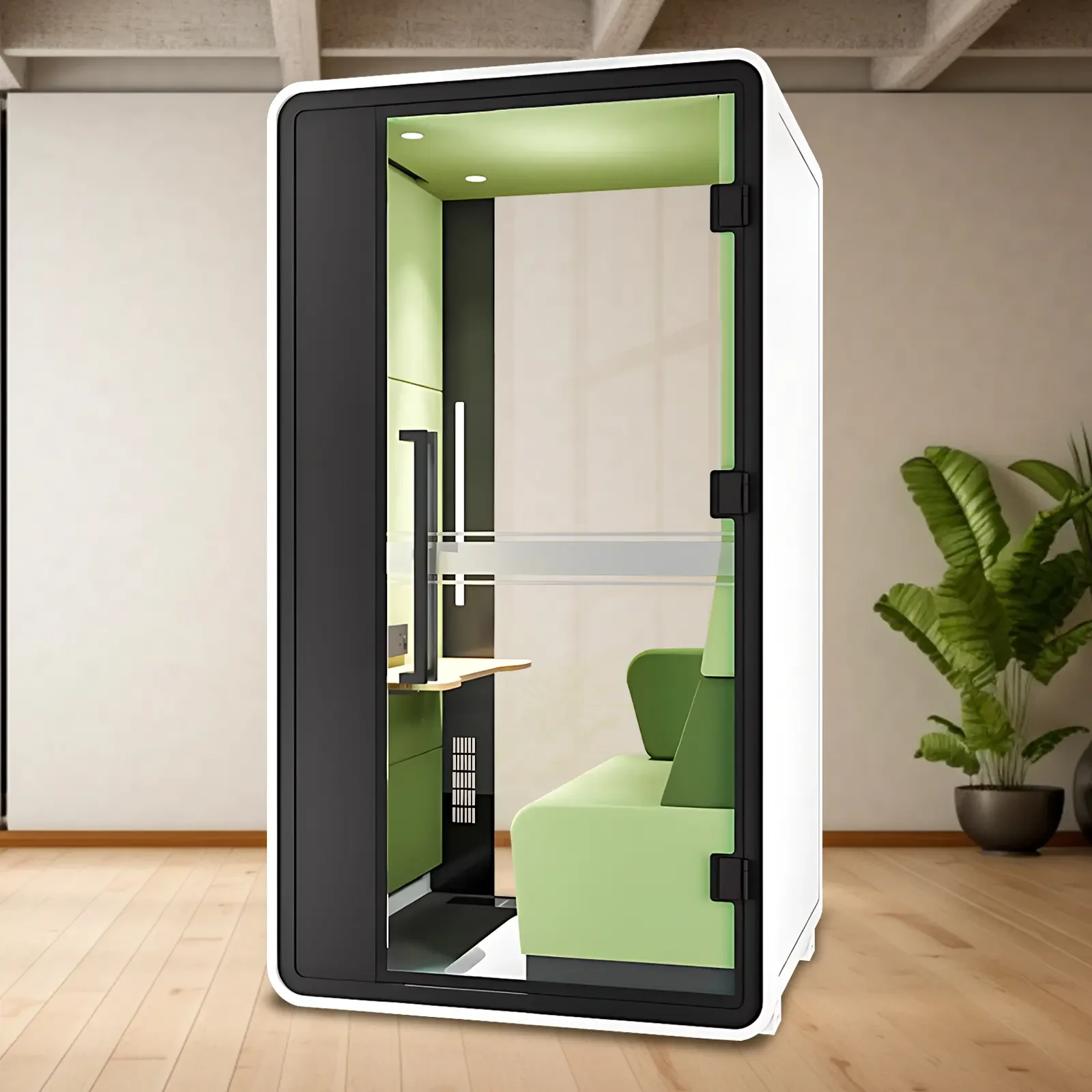


Four commonly used sound insulation materials and their application scenarios
Noise is often a significant factor affecting our quality of life. Whether it's traffic noise or the sounds of neighbors, effectively isolating these disturbances is a problem many people face. Sound insulation cotton, as an effective noise reduction material, is receiving increasing attention. Today, we will delve into four commonly used types of sound insulation cotton to help everyone better understand sound insulation and improve their quality of life.
1. Polyester fiber sound insulation cotton
1. Basic Introduction
Polyester fiber sound insulation cotton is a sound insulation material with polyester fiber as its main component. Its superior physical properties make it a widely used choice. Polyester fiber is not only lightweight and soft, but also has good compressive strength, which can effectively reduce the propagation of sound waves.
2. Features
- Environmental friendliness: Polyester fiber sound insulation cotton does not use harmful chemicals in the production process, so it is environmentally friendly and does not release toxic gases.
- Durability: The material is extremely durable and can maintain its sound insulation performance for a long time without easily deforming or aging.
- Sound absorption effect: Polyester fiber can effectively absorb mid-to-high frequency sound waves, making it suitable for use in places requiring a quiet environment, such as offices and recording studios.
3. Application Scenarios
Polyester fiber sound insulation cotton is commonly used for soundproofing in home theaters, music rooms, and commercial spaces. Due to its high sound absorption performance and environmentally friendly characteristics, more and more people are choosing to use polyester fiber sound insulation cotton in walls, ceilings, and floors.
II. Mineral wool sound insulation cotton
1. Basic Introduction
Mineral wool, also known as mineral wool, is a sound-insulating material made by processing minerals and is usually found in the form of rock wool or glass wool. This material is widely used due to its excellent fire resistance and sound insulation properties.
2. Features
- Fire resistance: Mineral wool sound insulation cotton has excellent fire resistance, can withstand high temperatures, avoid fire hazards, and is an indispensable material in many buildings.
- Excellent sound insulation: Mineral wool has a high density and can effectively block low-frequency sound waves, making it an ideal choice for commercial buildings and industrial plants.
- Moisture resistance: Mineral wool does not easily absorb water, so it can maintain its physical properties in humid environments and will not grow mold or deform.
3. Application Scenarios
Mineral wool sound insulation is commonly used in commercial buildings for soundproofing walls, ceilings, and machinery, as well as in areas with high fire safety requirements such as kitchens and bathrooms. Its superior performance makes it a "star" material in the construction industry.
III. Polyurethane sound insulation cotton
1. Basic Introduction
Polyurethane sound insulation cotton is made of polyurethane foam and is widely used in construction, automobiles, and shipbuilding. Due to its superior elasticity and sound insulation properties, polyurethane sound insulation cotton is also widely used in home decoration.
2. Features
- Excellent sound insulation performance: The structure of polyurethane makes it excellent in sound insulation, especially in reducing high-frequency audio.
- Lightweight and easy to install: Polyurethane sound insulation cotton is lightweight, easy to cut and install, and is favored by DIY enthusiasts.
- Water resistance: Polyurethane materials have good water resistance and can maintain their performance even in humid environments.
3. Application Scenarios
Polyurethane sound insulation cotton is widely used in home soundproofing, automotive soundproofing, and noise reduction in some electronic devices. For example, many household appliances and machines use polyurethane sound insulation cotton inside to improve the user experience.
IV. Acoustic Sponge
1. Basic Introduction
Acoustic foam is a relatively new type of sound insulation material, typically based on polyurethane. Its spiral or wave-like surface texture helps to effectively absorb sound waves, achieving a desirable noise reduction effect.
2. Features
- Antibacterial properties: Acoustic sponge materials are treated to have antibacterial properties, which can effectively prevent bacterial growth and maintain environmental hygiene.
- High-efficiency sound absorption: Its unique pore structure design can effectively absorb sound waves of different frequency bands, especially the sound absorption effect in the mid and low frequencies is particularly significant.
- Aesthetics: Acoustic foam is available in a variety of colors and shapes, which can not only add beauty to the room, but also effectively reduce noise.
3. Application Scenarios
Acoustic foam is suitable for places requiring good sound effects, such as home theaters, recording studios, concert halls, and karaoke rooms. It is not only a practical sound insulation material but also a highlight of modern home design.
in conclusion
Understanding these commonly used sound insulation materials can help us choose the right ones more effectively. Whether for homes, commercial spaces, or specific recording needs, selecting the right sound insulation material can not only effectively block noise but also enhance the comfort and aesthetics of the space. Hopefully, this article will help you find your ideal sound insulation solution for a peaceful life.
X-comfot, your gateway to an efficient life. We are committed to becoming your most trusted brand of soundproof pod.
E-mail: support@x-comfot.com