
 USD
USD  GBP
GBP
 EUR
EUR

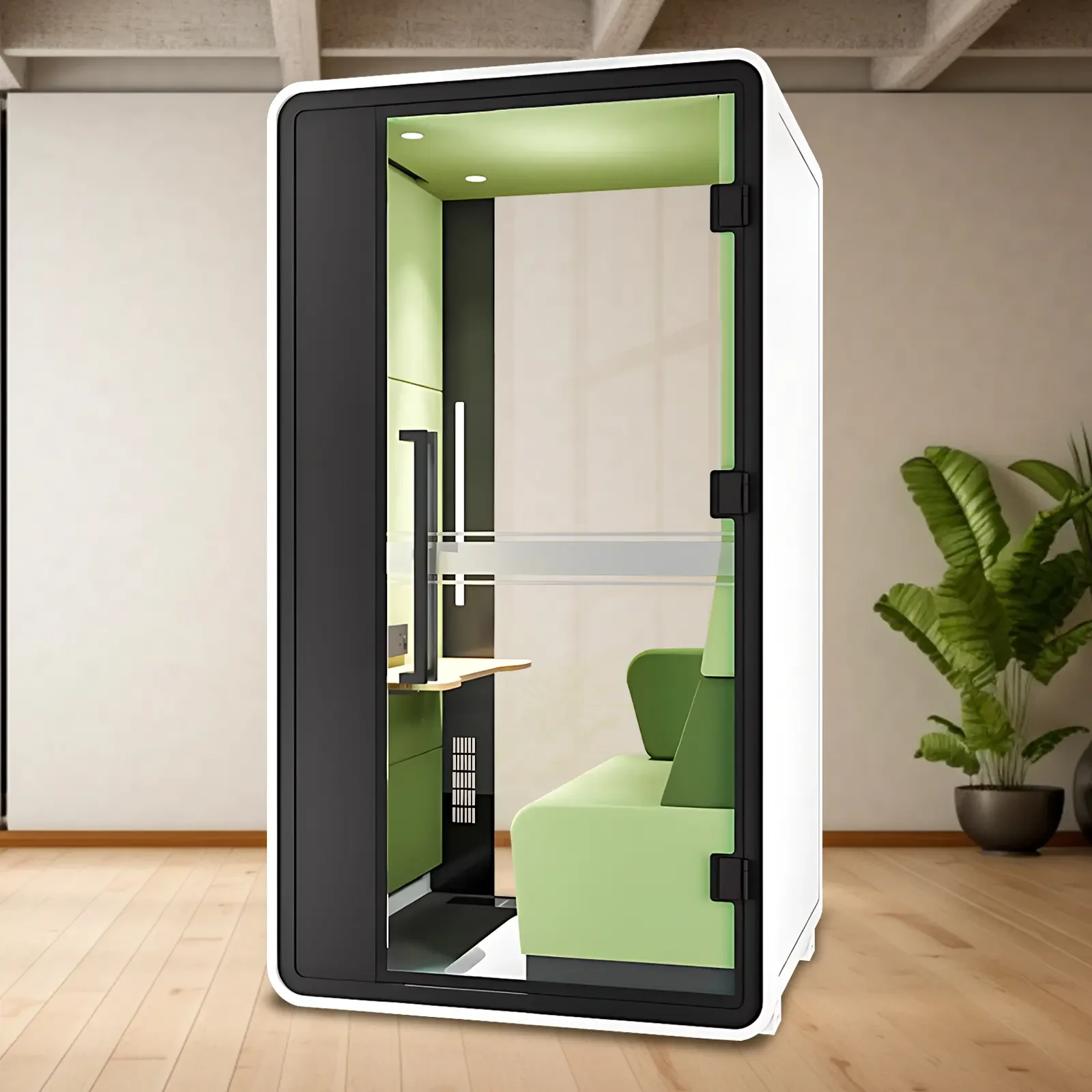

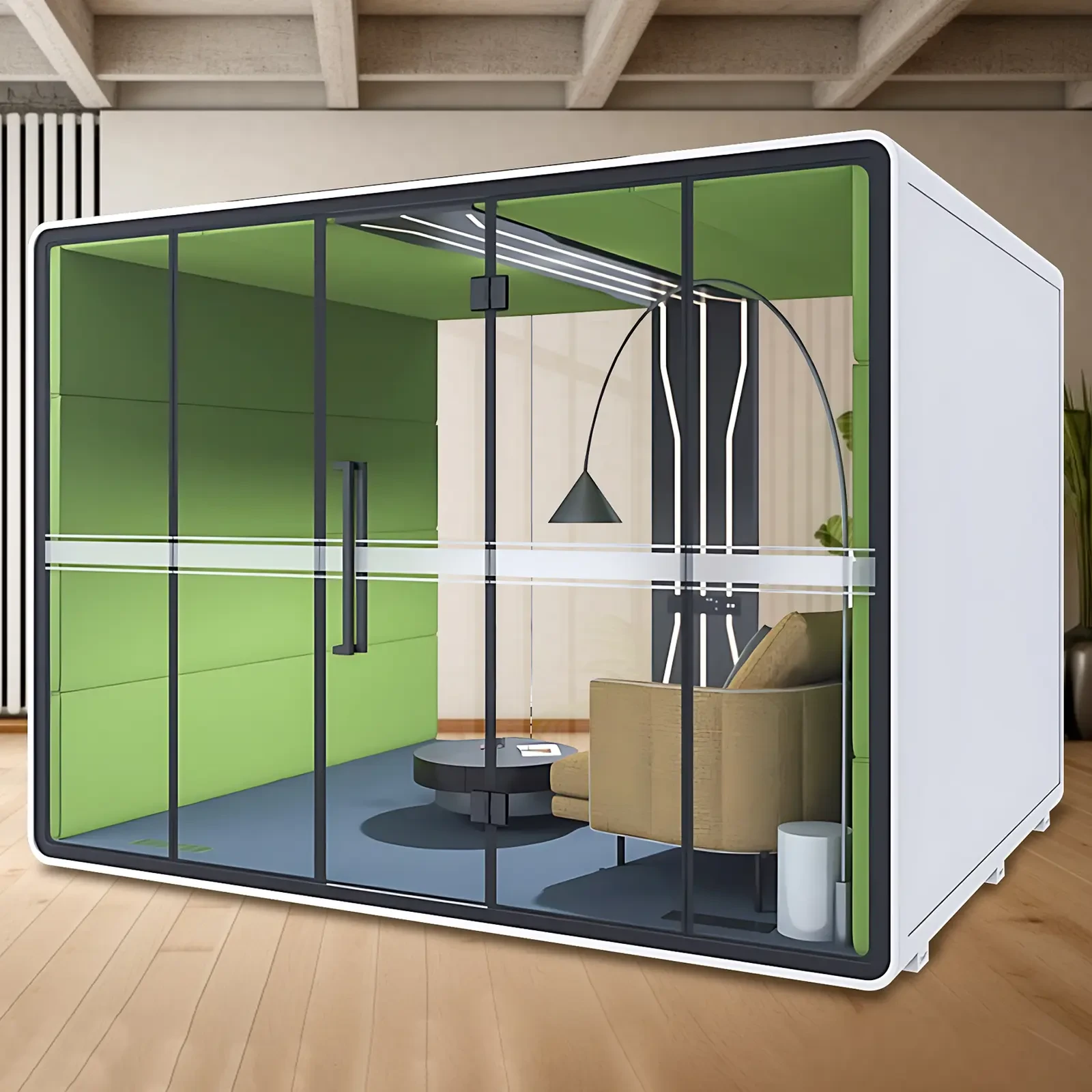
Frequent low-frequency noise in your room? We'll teach you how to find the culprit!
Residents of residential areas and office workers in busy commercial districts have all experienced this annoyance: a sudden burst of low-frequency buzzing noise in a relatively quiet environment not only disrupts work and daily life but also makes it difficult to feel at ease. What causes this troublesome low-frequency noise? It could be caused by vibrations from electrical appliances, air conditioners, pipes, or other facilities in the room, and locating the culprit is the first step in solving the problem. This article will introduce how to find these hidden sources of low-frequency noise and provide solutions to make your living and working environment quieter and more comfortable.
First, we need to understand the characteristics of low-frequency noise. Low-frequency sounds have low frequencies, long wavelengths, strong penetrating power, and long propagation distances, making them more likely to resonate within a room. When facing low-frequency noise problems, we should be wary of ignoring their potential. Next, we can use a series of methods to identify the noise source.
One effective method is to use professional noise measurement instruments. These instruments can help us measure and analyze the noise levels at different frequencies in a room, thus pinpointing the location of low-frequency noise sources. Another common method is to record audio using recording equipment and then analyze the different frequency bands using audio editing software to identify low-frequency noise. Additionally, trying to locate noise sources by listening at night or in the early morning, when the environment is quieter, can also help in accurately pinpointing the noise source.
Once the source of the low-frequency noise has been identified, the next key step is to solve the problem. If the low-frequency noise is caused by electrical appliances or air conditioners, consider replacing or repairing the equipment, choosing quieter models, or adding sound insulation measures. If the noise is caused by pipe vibration, it can be addressed by reinforcing pipe supports or using vibration dampers. Other possible noise sources can also be adjusted and addressed as needed.
When troubleshooting low-frequency noise, attention to detail is crucial. Sometimes the noise may not be coming from the expected location, requiring patience and meticulous investigation. Choosing a professional noise problem solution provider is also a wise decision; their extensive experience and expertise can provide you with effective solutions.
In summary, low-frequency noise not only affects quality of life but can also have negative health effects. By identifying the noise source and taking effective measures, we can significantly reduce this disturbance and create a quieter and more comfortable living and working environment.
X-comfot, your gateway to an efficient life. We are committed to becoming your most trusted brand of soundproof pod.
E-mail: support@x-comfot.com