
 USD
USD GBP
GBP
 EUR
EUR


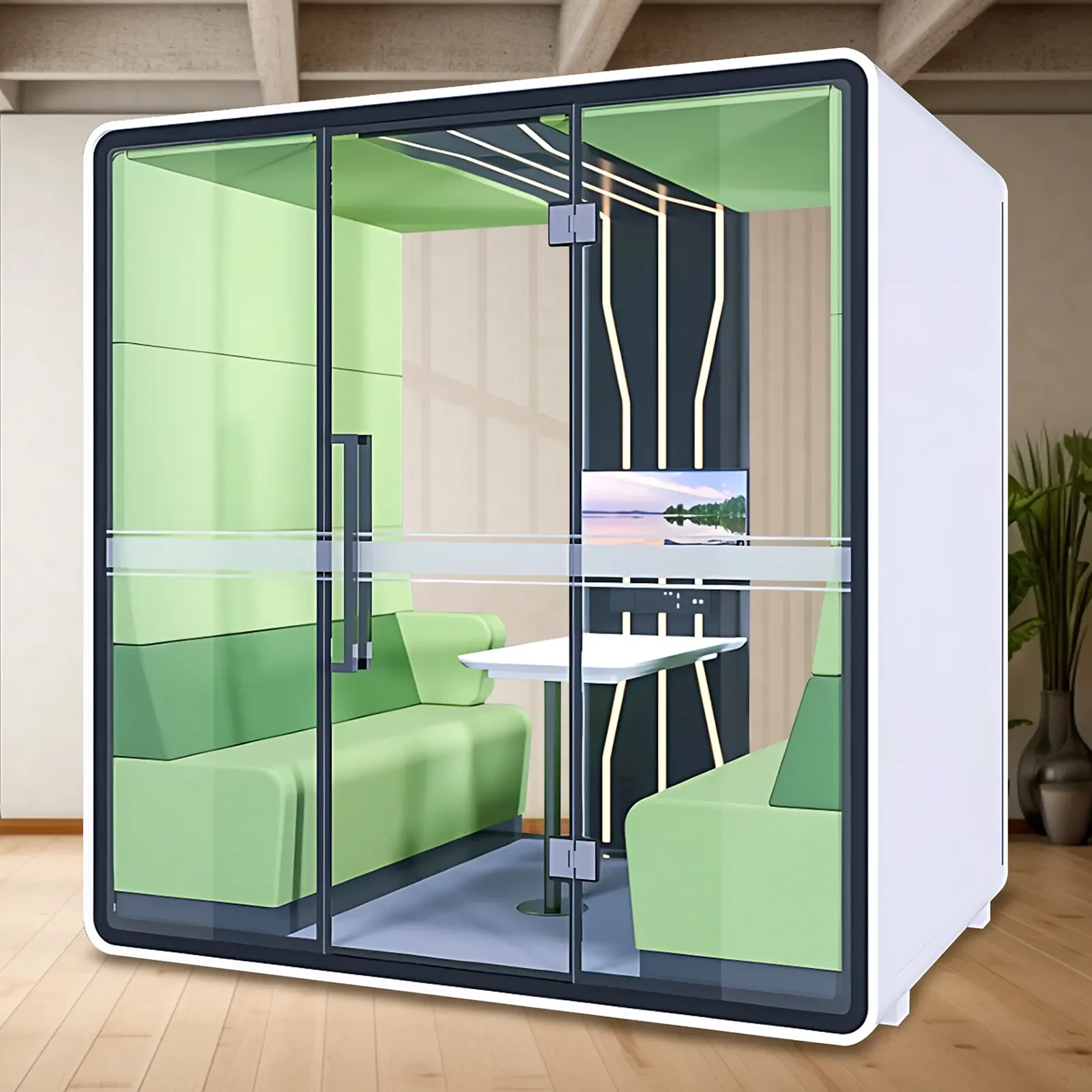
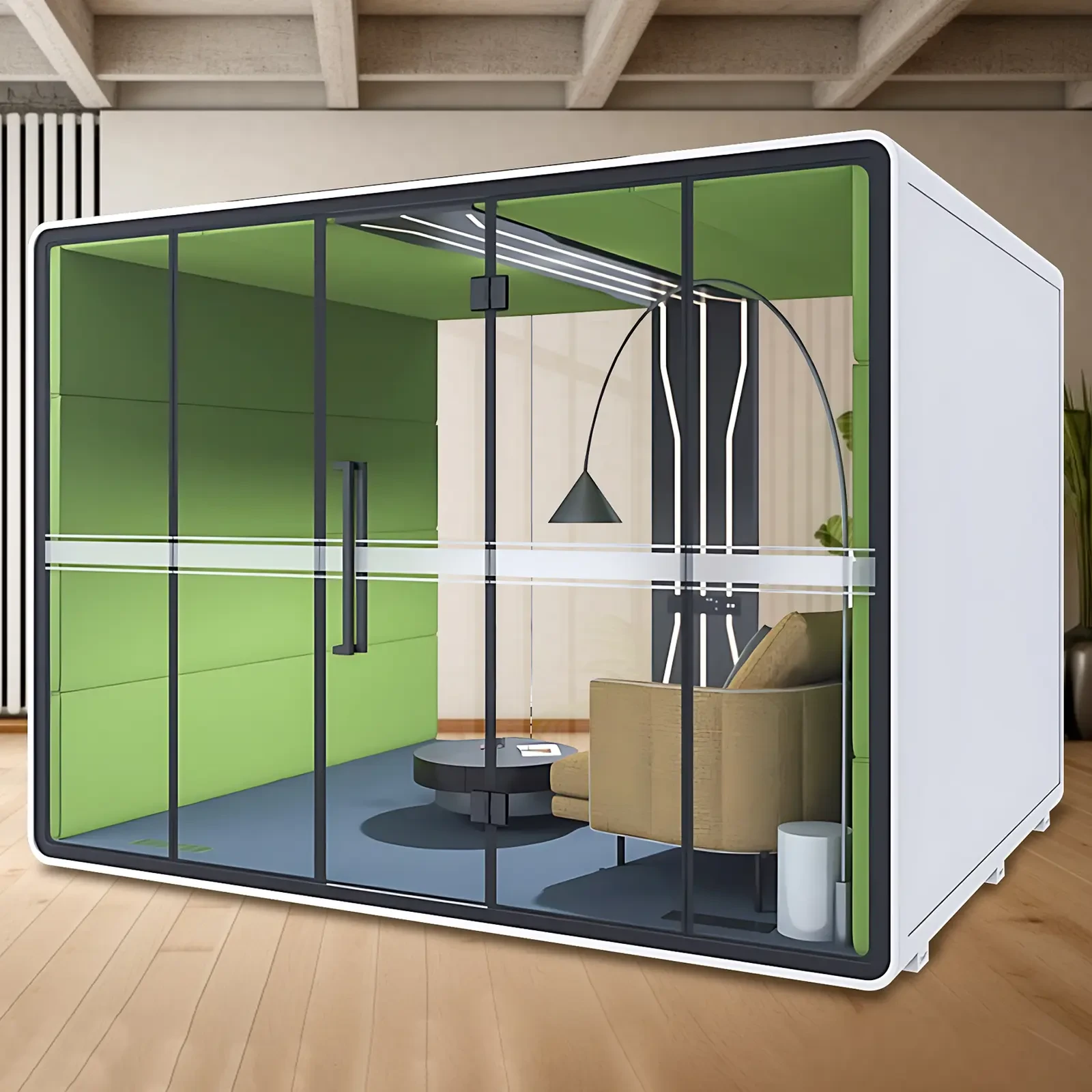
Noise pollution is a common problem in production workshops, negatively impacting worker health and productivity. This article will explore common noise sources in production workshops and provide effective solutions to reduce the environmental impact of noise.
I. Common Noise Sources in Production Workshops
1. Mechanical equipment:
Commonly used mechanical equipment in production workshops, such as fans, compressors, and engines, generate noise due to their working principles and structural characteristics. These devices typically operate by high-speed rotation or vibration, which causes vibrations in the air and solid objects, thus producing noise.
2. Impact sound:
Impact noises in production workshops include metal collisions, liquid impacts, and tool strikes. These create high-energy shock waves within the workshop, producing harsh noises. Such noises typically originate from improper operation or the inappropriate use of tools.
3. Gas injection and fluid flow:
Gas jets and fluid flows commonly seen in production workshops, such as gas release, liquid jets, and water flow, can generate violent gas vibrations and fluid disturbances due to their high-speed movement, which in turn causes noise.
II. Noise Control Measures in Production Workshops
1. Equipment maintenance and upgrades:
Proper equipment maintenance is crucial for noise control. Regularly inspecting and maintaining machinery, such as lubricating, repairing loose parts, and replacing worn components, can reduce noise generation. Additionally, replacing aging or noisy equipment with lower-noise equipment can further reduce noise levels.
2. Soundproofing measures:
By installing soundproofing equipment, such as sound-absorbing materials, soundproof enclosures, and soundproof panels, the propagation and diffusion of noise can be greatly reduced. Sound-absorbing materials can effectively absorb noise energy, reducing echoes and reflections. Soundproof enclosures and soundproof panels can block the path of noise waves, reducing the propagation distance and intensity of noise.
3. Process control and work method improvement:
Noise generation can be reduced by adopting reasonable process control and improving operating methods. For example, when designing and selecting equipment, consider reducing equipment operating speed and minimizing impact and vibration; rationally arrange the production process to reduce the frequency and intensity of impact noise and rapid liquid flow.