
 USD
USD  GBP
GBP
 EUR
EUR
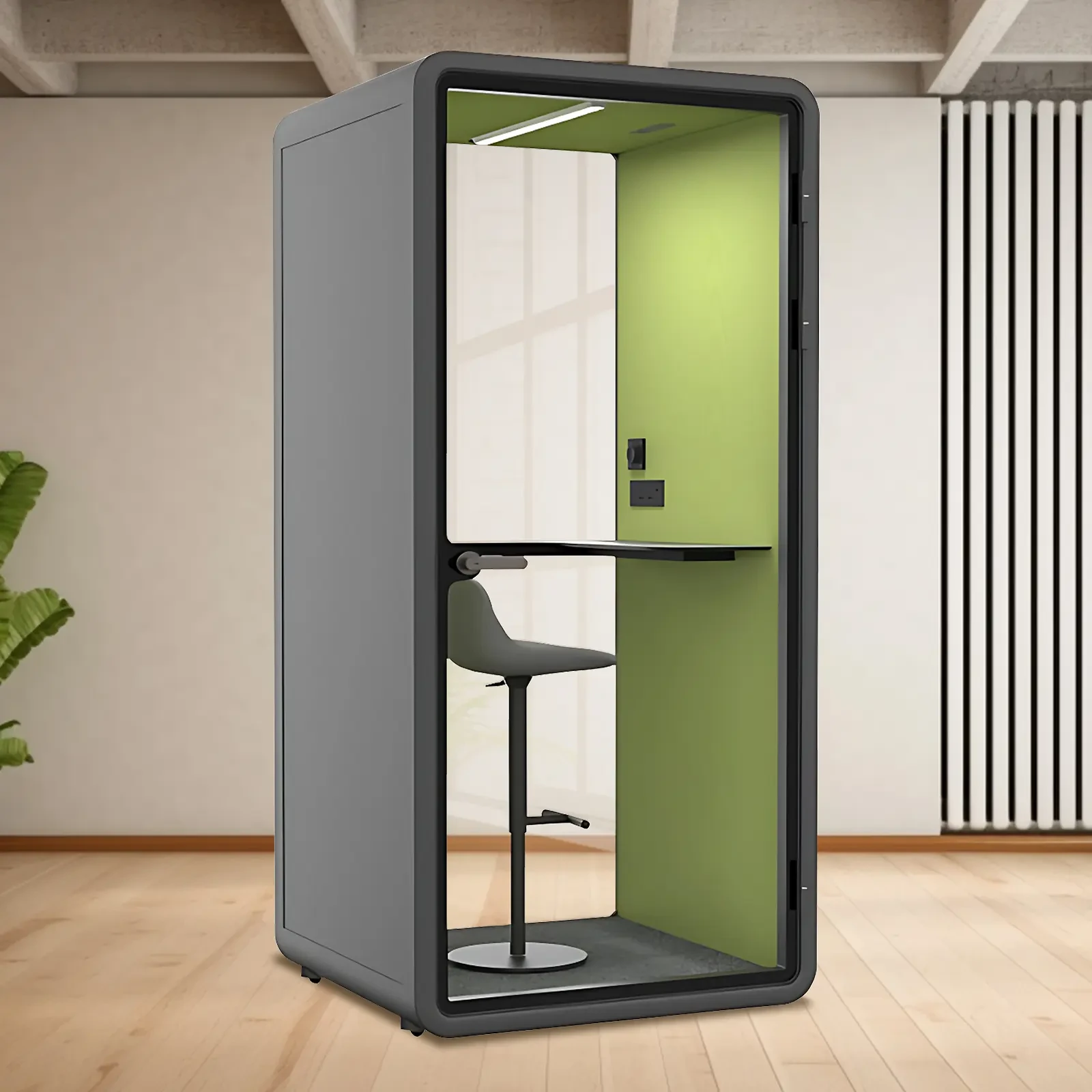
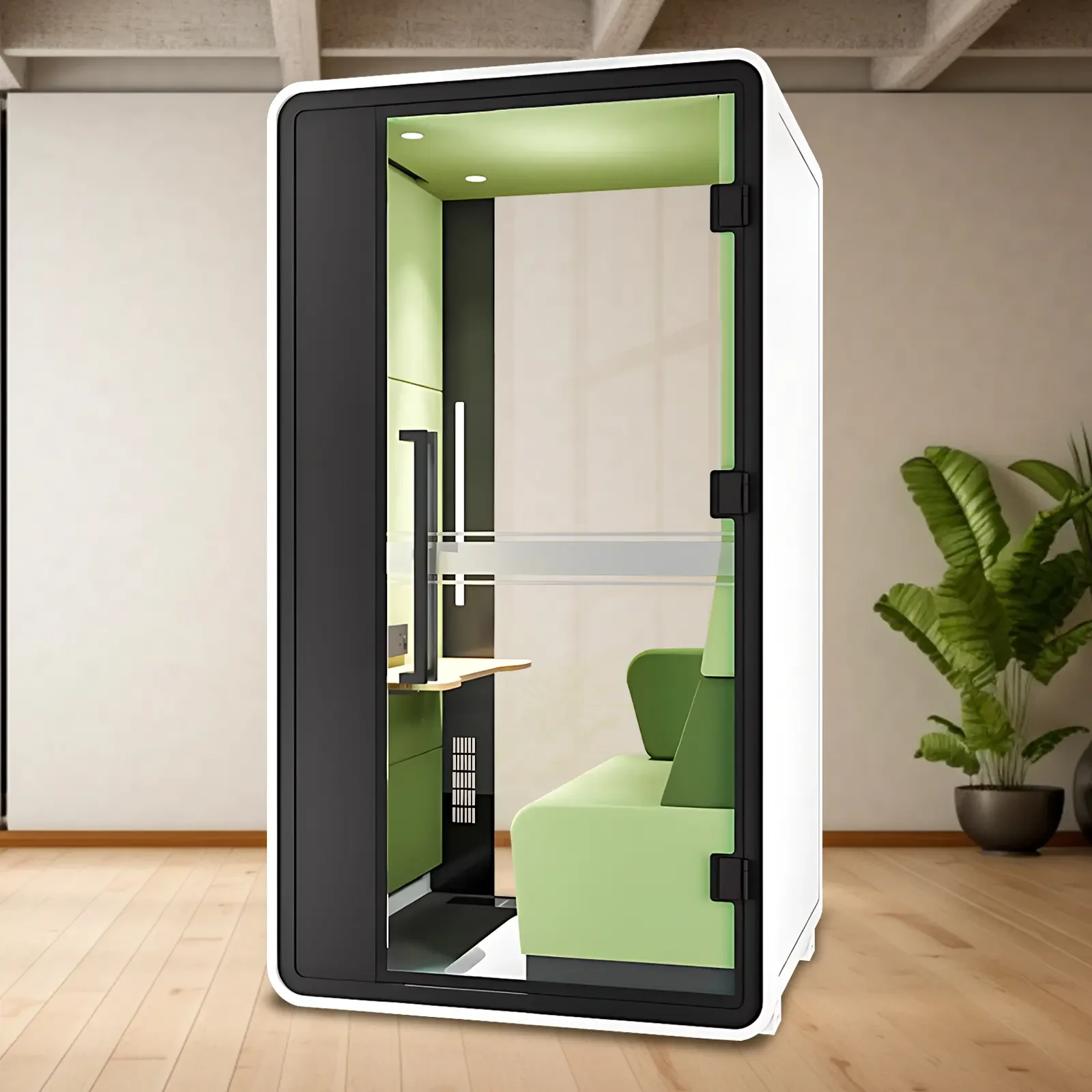

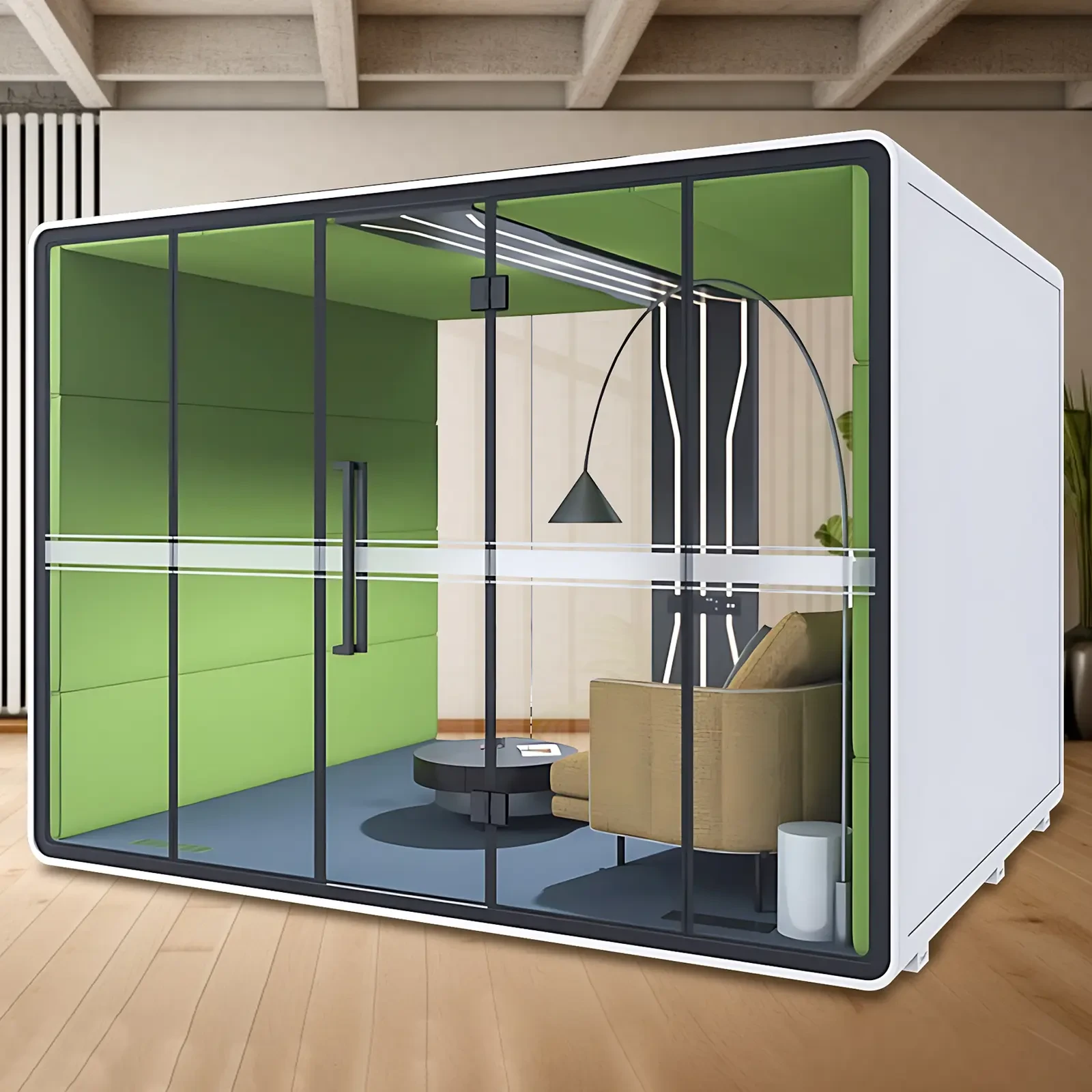
Which is more important, noise reduction or sound insulation? What are the differences between noise reduction and sound insulation?
In modern society, we are increasingly aware of the impact of noise on our quality of life. Whether at home, in the workplace, or in public environments, noise pollution can lead to numerous problems such as psychological stress, difficulty concentrating, and poor sleep quality. Therefore, noise reduction and sound insulation have become two key concerns for many. But what exactly are the differences between these two? In practical applications, which is more important? This article will take you on a deep dive into the subtle differences between noise reduction and sound insulation to help you find the ideal solution.
What is noise reduction?
Noise cancellation refers to reducing ambient noise to achieve a more comfortable audio experience. This can be achieved in various ways, including using noise-canceling headphones, acoustic processing, and digital signal processing technologies. The applications of noise cancellation technology are very broad, ranging from noise reduction features in mobile phone calls to noise filtering in high-end audio equipment.
Noise reduction methods include:
1. Noise cancellation technology: Many modern headphones are equipped with active noise cancellation (ANC) technology, which reduces the perceived noise by emitting sound waves that counteract external noise.
2. Passive noise cancellation: Using thick materials to isolate sound, such as high-density ear pads or earplugs. This method physically blocks the propagation of sound.
3. Acoustic materials: In spatial design, sound-absorbing materials (such as sound-absorbing panels, carpets, fabrics, etc.) are used to reduce sound reflection, thereby reducing the overall noise level.
What is sound insulation?
Sound insulation, on the other hand, uses physical barriers to prevent sound from traveling from one space to another. This method is frequently used in architectural design, professional soundproofing of music rooms, and home theaters. The quality of sound insulation is usually closely related to the choice of building materials, structural design, and construction quality.
Methods to achieve sound insulation include:
1. Thick walls: Walls constructed using materials such as concrete and bricks, which inherently possess good sound insulation properties.
2. Double-pane windows: Double or triple-pane windows can effectively block the intrusion of external noise.
3. Sealing strips: Sealing strips installed on the edges of door frames and windows can reduce air gaps and reduce sound transmission.
4. Soundproofing panels: Install specially designed soundproofing panels on the walls or ceiling to improve sound insulation.
The difference between noise reduction and sound insulation
While both noise reduction and sound insulation aim to reduce the impact of noise, they work on significantly different principles. Noise reduction primarily uses technological means to reduce the perceived intensity of sound waves, while sound insulation uses physical barriers to block the propagation of sound.
1. Different objectives: Noise reduction mainly targets existing noise and focuses on reducing the intensity of the noise; while sound insulation focuses more on how to block the noise at its source.
2. Applicable scenarios: Noise reduction is more suitable for personal use, such as on noisy public transportation; while sound insulation is more suitable for spaces that require an overall quiet environment, such as residences, offices or recording studios.
3. Implementation difficulty: Noise reduction can often be accomplished by individuals or with a small number of devices, while sound insulation usually requires more complex structural adjustments, involving architectural design and construction.
Which is more important, noise reduction or sound insulation?
The priority between noise reduction and sound insulation depends on the specific usage scenario and individual needs:
- At home: If you live in a noisy city center or near a transportation hub, soundproofing may be more important to protect your living environment. However, if you usually use headphones to watch movies or listen to music at home, noise-canceling headphones will greatly improve your experience.
- In an office environment: If there is constant noise interference in the work environment (such as construction noise or amniocentesis), then investing in soundproofing the office is more sensible. For people who frequently answer the phone, noise-canceling headphones can significantly improve communication quality.
- Outdoors or on public transport: Noise-canceling headphones are ideal for travel, allowing you to enjoy a moment of peace in noisy environments such as flights, trains, or cars. Conversely, soundproofing is less suitable, as establishing physical isolation is extremely difficult in outdoor environments.
Economic considerations for noise reduction and sound insulation
With a limited budget, you may face choices. Noise-canceling headphones or devices are generally relatively inexpensive and suitable for personal use. In contrast, soundproofing solutions often involve building modifications and are more expensive. Considering all factors, you can choose the more suitable option based on your individual circumstances. For example, you can use noise-canceling headphones to solve temporary noise problems and then consider more comprehensive soundproofing measures during future renovations.
Noise has a significant impact on our quality of life. Whether choosing noise reduction or soundproofing, the key is to understand your own needs and invest resources in the most suitable solution. In many cases, starting with small details in daily life, such as reasonable spatial arrangement, adding indoor plants, and using low-noise appliances, can create a quieter and more comfortable environment.
Conclusion
Whether it's noise reduction or sound insulation, the ultimate goal is to improve our quality of life, allowing us to find a peaceful haven in a noisy world. Understanding the characteristics and applicable scenarios of both will help us make an informed choice. Hopefully, this article will help you find a balance between noise reduction and sound insulation, creating an ideal living and working environment.
X-comfot, your gateway to an efficient life. We are committed to becoming your most trusted brand of soundproof pod.
E-mail: support@x-comfot.com