
 USD
USD  GBP
GBP
 EUR
EUR
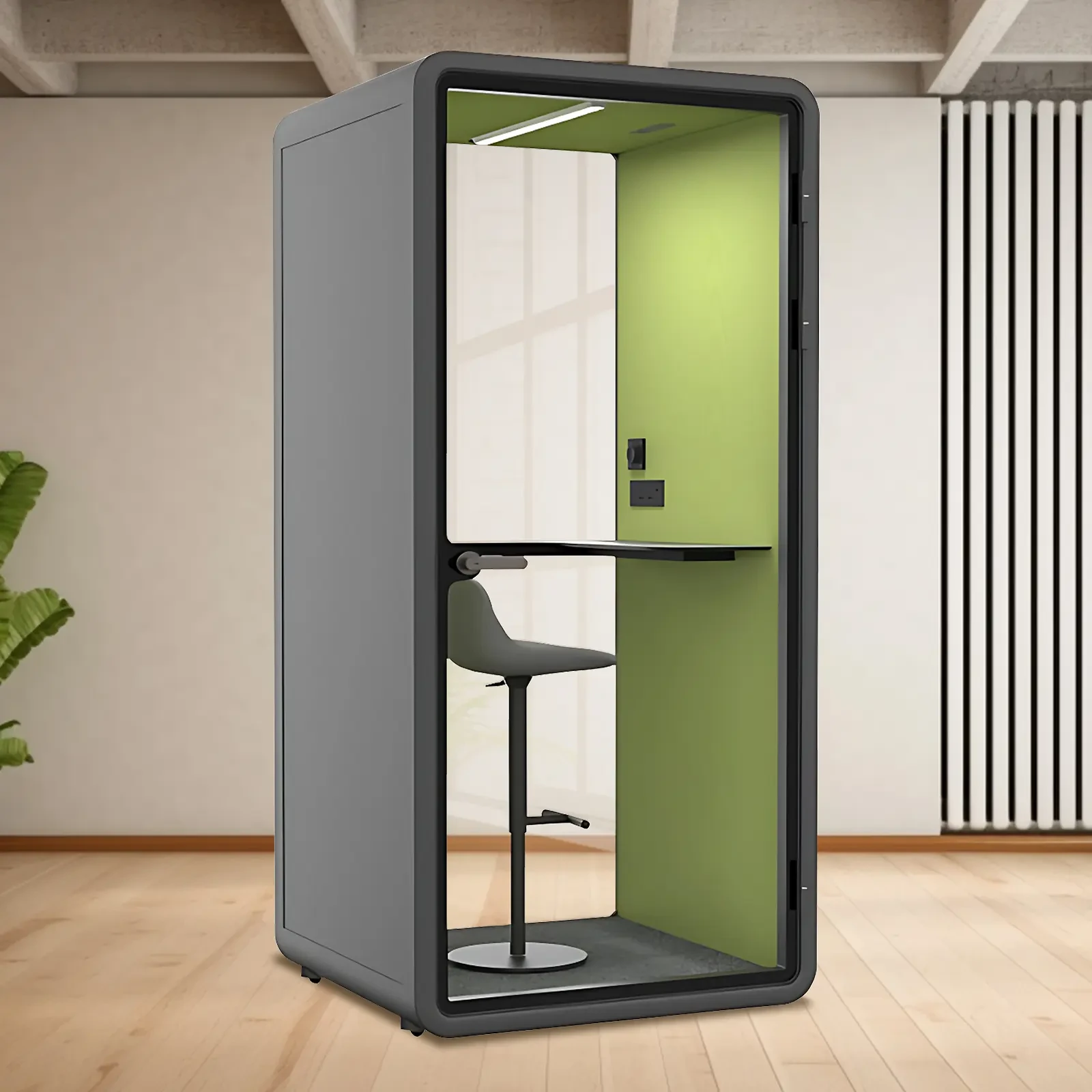
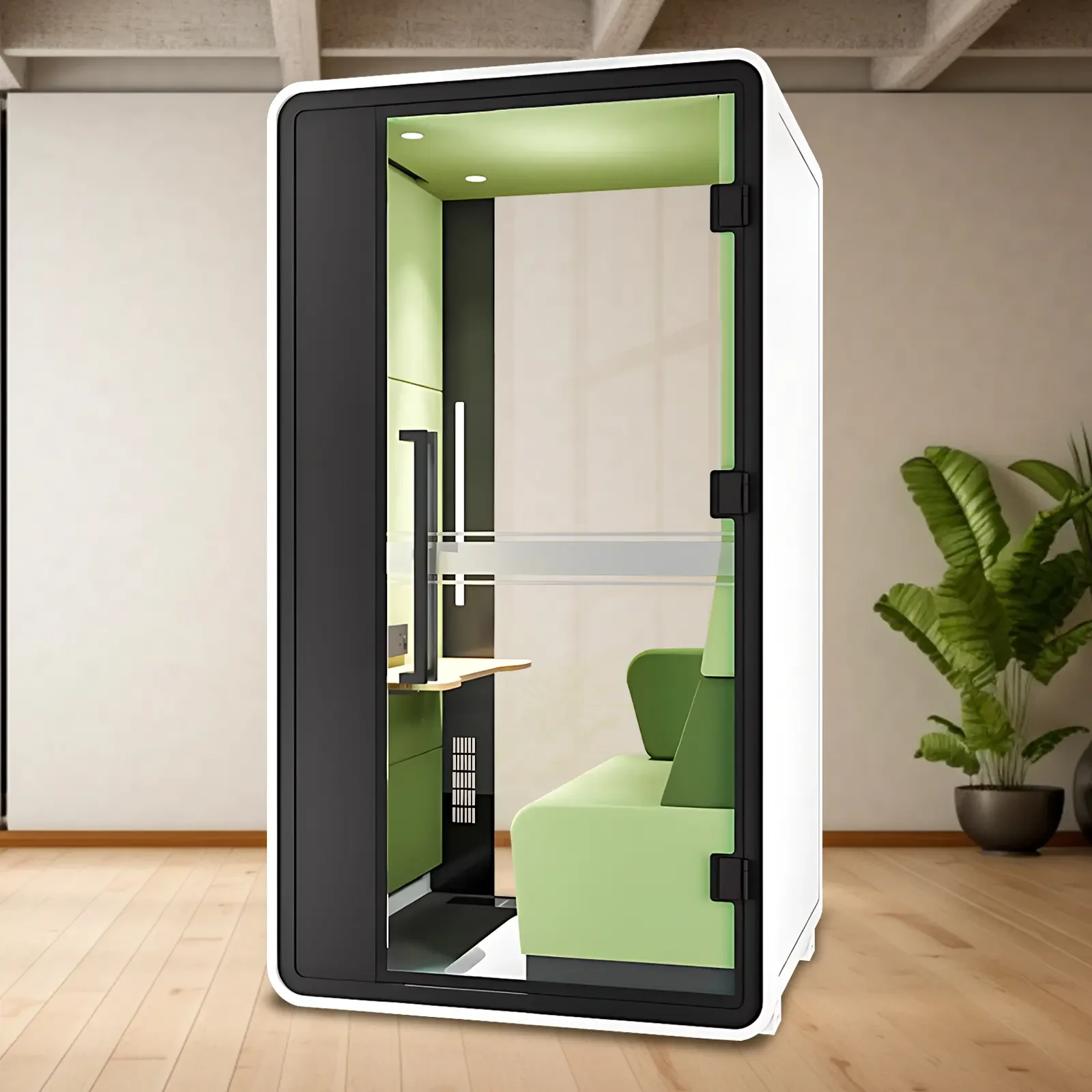
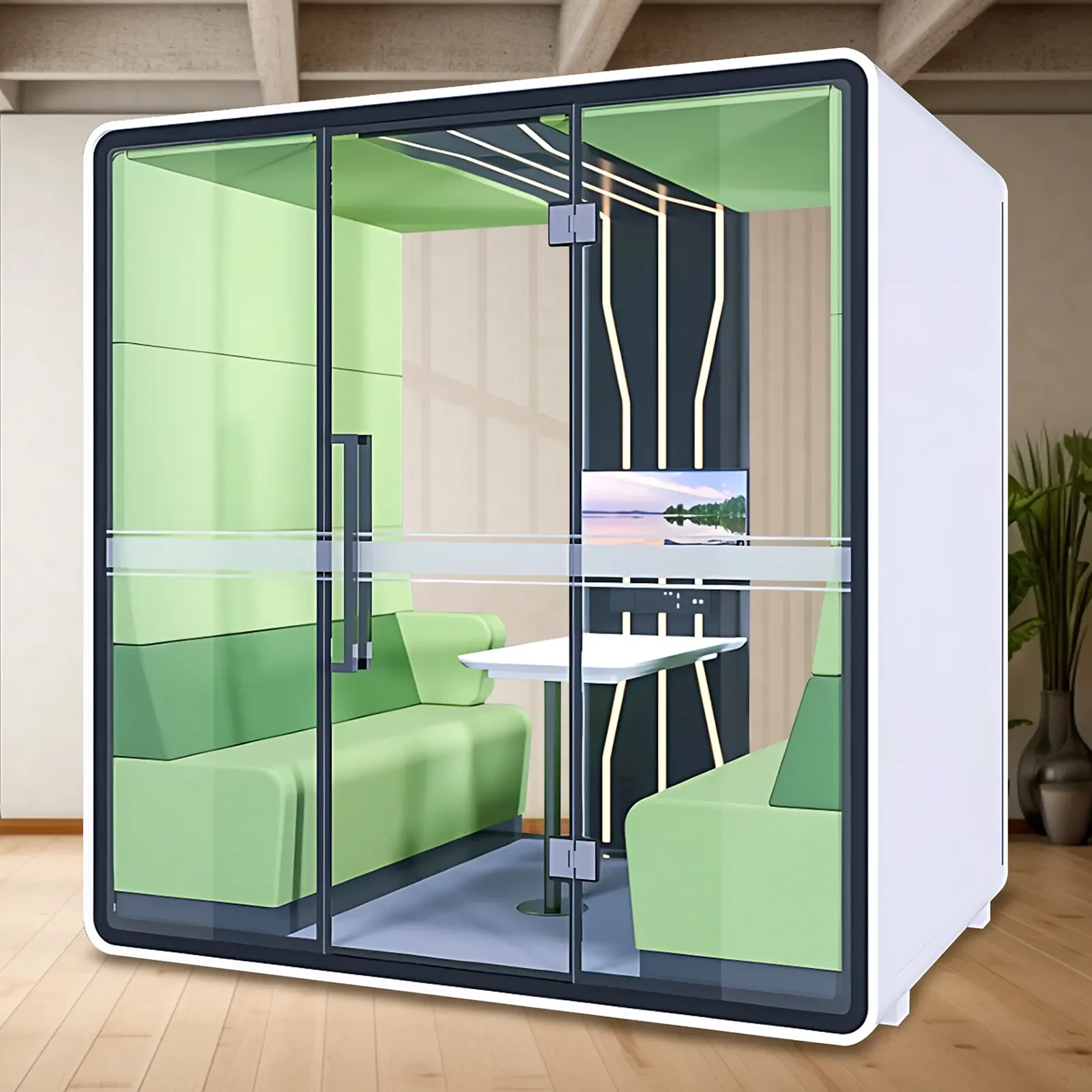
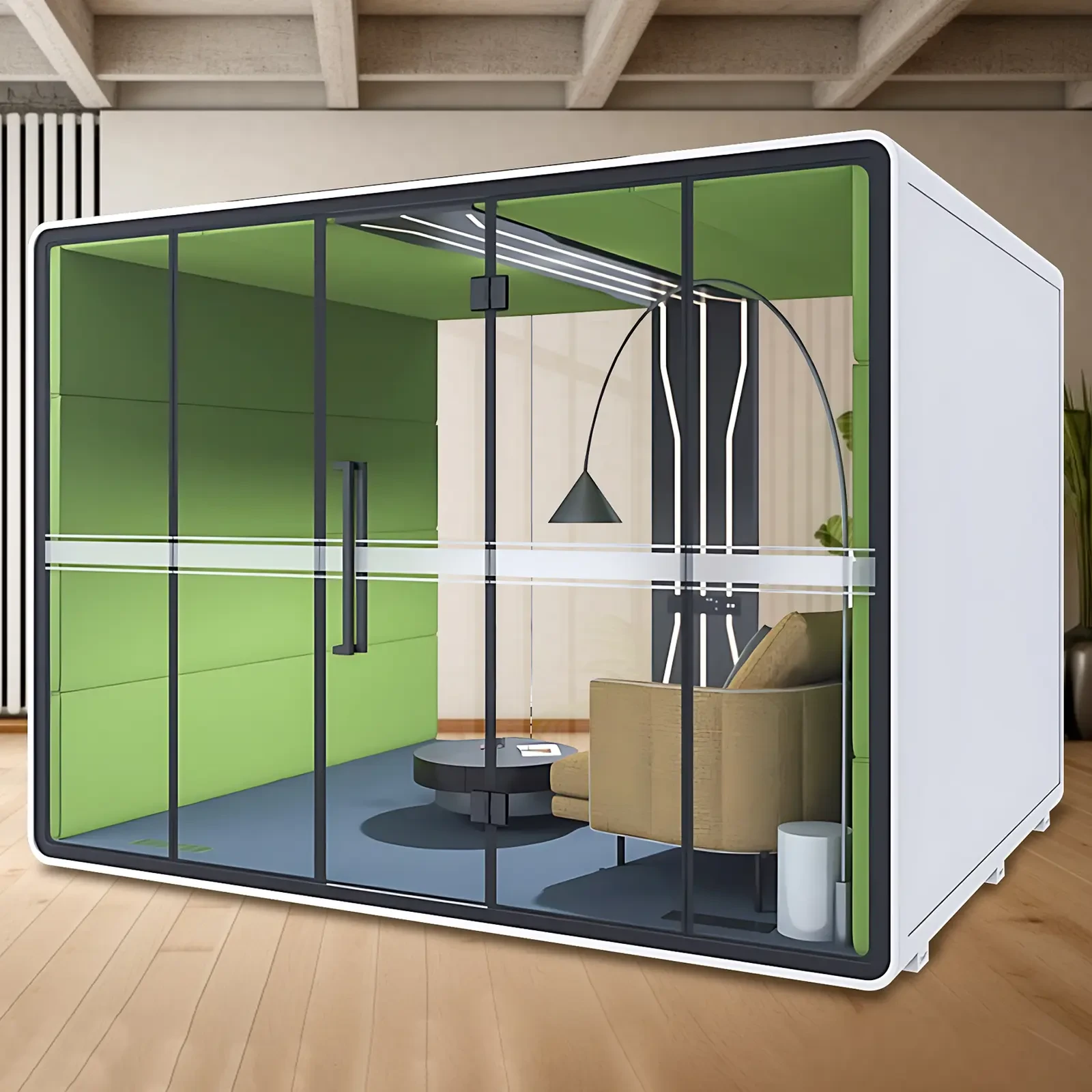
Do low-rise residential buildings really need sound insulation cotton?
In modern cities, with the increasing demand for housing, mid-rise apartments are gradually becoming the choice for many families. However, while enjoying the convenience of living there, noise problems also arise. Therefore, many homeowners are beginning to consider the question: Do mid-rise apartments need sound insulation? This article will explore this topic in depth to help you make a more informed decision.
1. Sources of noise
Noise typically originates from multiple sources, including neighboring activities, traffic noise, and external environmental disturbances. In mid-rise residential buildings, due to the relatively low floors, vehicle noise and crowds from the street can be more noticeable. Furthermore, the walking, dragging, or even music from upstairs neighbors can affect downstairs residents.
Traffic noise: The sounds of vehicles such as cars, motorcycles, and public transportation, especially during peak hours, often disrupt the peace and quiet of a home.
Neighborhood life: Whether it's neighbors doing housework or children playing, these can all be sources of annoyance.
External environment: Gatherings and recreational activities in the garden, as well as activities within the community, all affect the quality of life at home.
2. The function of sound insulation cotton
The main function of sound insulation cotton is to absorb sound waves and reduce noise transmission. It is typically made of materials such as polyethylene, glass wool, and mineral wool, and has excellent acoustic properties. Installing sound insulation cotton can effectively reduce indoor and outdoor noise and improve living comfort.
- Sound absorption effect: Sound insulation cotton can effectively absorb low-frequency noise, such as traffic noise and the volume of neighbors.
- Sound insulation effect: The installation of sound insulation cotton helps to create a sound-isolated space and prevent noise from penetrating.
- Fire resistance: Good sound insulation materials usually also have a certain degree of fire resistance, which increases the safety of living.
3. Installation location of sound insulation cotton
Given the characteristics of mid-rise residential buildings, sound insulation cotton can be installed in multiple locations. Here are some common installation locations:
- Walls: Filling the walls with sound insulation cotton can effectively block the noise from neighbors.
- Ceiling: Installing sound insulation cotton in the ceiling, especially on the ground floor or in cases with upstairs residences, can reduce noise interference from upstairs.
- Ground: Laying sound insulation cotton on the ground can effectively reduce the transmission of sound waves from upstairs.
4. Sound insulation cotton material
There are various types of sound insulation materials on the market, and choosing the right material is crucial. Here are the characteristics of some common sound insulation materials:
- Polyethylene sound insulation cotton: This material is lightweight and easy to install, and is suitable for walls and ceilings in ordinary residences.
Rock wool: It has good sound insulation and fire resistance, making it ideal for places that require high-intensity sound absorption.
- Glass wool: Suitable for various building types, it usually has a good cost performance, but moisture-proof treatment is required during installation.
5. Cost of installing sound insulation cotton
Cost is also a significant factor when considering whether to install sound insulation. Prices can vary depending on the materials, installation method, and scale of the work. While DIY installation may save some money, choosing a professional installation team not only improves quality but also ensures the adequacy and durability of the materials used.
Budget reference:
- Material cost: Depending on the brand and material, the unit price of sound insulation cotton is roughly between 50 and 150 yuan per square meter.
- Labor costs: The labor cost for hiring a professional team can be calculated based on the working hours, ranging from 760 yuan to 1000 yuan.
6. Evaluation of sound insulation effect
The most important criterion for evaluating sound insulation effectiveness is the reduction in decibels. After installing sound insulation materials, a sound level meter can be used to measure the change in noise level. If the reduction in decibels is greater than 10 decibels, it indicates a significant sound insulation effect, effectively improving living comfort. Common noise sources, such as television and music, can be reduced to an acceptable level after sound insulation treatment.
7. Other methods to reduce noise
Besides installing sound insulation materials, you can also use other methods to reduce noise interference:
- Use furniture: Choose heavy furniture, such as bookshelves and sofas, which can effectively absorb noise.
- Curtains: Heavy curtains can not only block light, but also absorb some external noise.
- Carpets: Laying carpets can reduce sound reflection and reduce the propagation of noise.
8. Conclusion
In conclusion, whether or not sound insulation is needed in mid-rise residential buildings depends on individual living needs and environmental factors. If your residence is in a noisy area, or if your neighbors are frequently active, installing sound insulation is undoubtedly an effective way to improve your quality of life. Although installing sound insulation may require some investment, the good sound insulation effect will ultimately reward you with a quieter and more comfortable living experience.
When choosing sound insulation materials, be sure to consider your own needs, budget and the characteristics of your home, and choose the right materials and a professional construction team to ensure that you achieve the ideal sound insulation effect.
X-comfot, your gateway to an efficient life. We are committed to becoming your most trusted brand of soundproof pod.
E-mail: support@x-comfot.com