
 USD
USD  GBP
GBP
 EUR
EUR

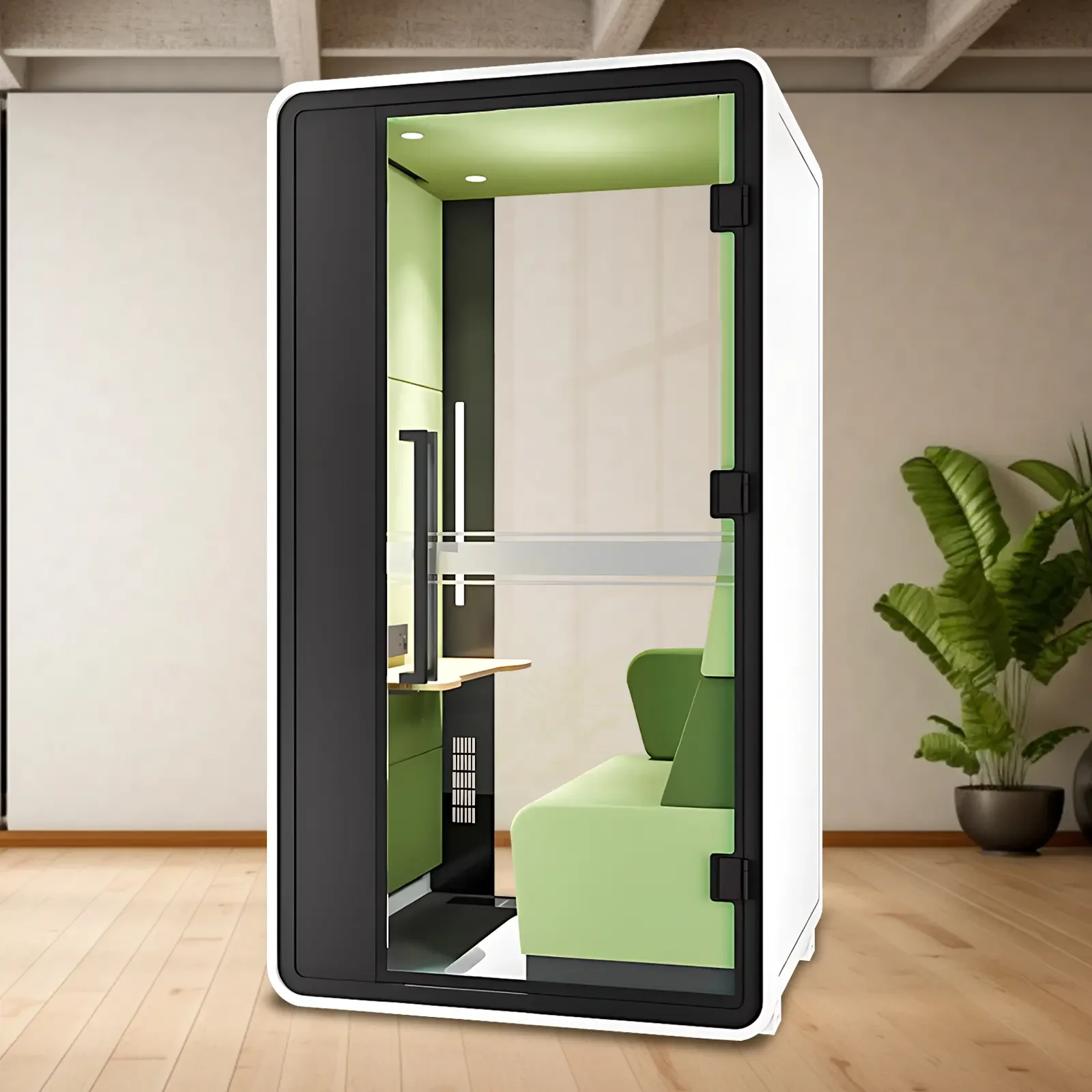


What's the best material for soundproof walls? A real comparison of different materials!
In modern urban life, noise pollution has become a major problem affecting residents' quality of life. To create a quiet and comfortable living environment, soundproof walls have become an essential facility for many homes and offices. However, faced with a dazzling array of soundproofing materials on the market, consumers often find it difficult to choose. This article will discuss several common soundproofing wall materials in detail and provide a real-world comparison to help you find the most suitable option for yourself.
I. Rock wool and glass wool: Traditional and highly effective sound insulation materials
Rock wool and glass wool, as traditional sound insulation materials, are both favored for their excellent sound insulation and environmentally friendly properties. Rock wool, made from mineral fibers, not only offers significant sound insulation but also boasts excellent fire resistance and low production costs. Its ease of processing and installation makes it a preferred choice for many soundproofing projects. In contrast, glass wool also provides excellent sound insulation and, due to its glass fiber composition, excellent thermal insulation properties, helping to maintain stable indoor temperatures. Both are environmentally friendly, containing no harmful substances, and suitable for long-term use.
In comparison, rock wool may have a slight cost advantage and is suitable for projects with limited budgets; while glass wool has better thermal insulation performance and is suitable for places with higher requirements for indoor temperature.
II. Polyester Fiber Cotton: A Perfect Combination of High Density and Multifunctionality
Polyester fiber cotton is a high-density fiber material that stands out for its excellent sound insulation, moisture resistance, corrosion resistance, and fire resistance. Polyester fiber cotton not only effectively isolates noise but also reduces vibration and resonance, providing comprehensive protection for the indoor environment. Its environmental protection and fire safety ratings are both high, making it suitable for locations with strict safety requirements.
In comparison, while polyester fiber cotton excels in versatility, its absorption of low-frequency noise may be relatively weak due to limitations in its material structure. Therefore, a trade-off must be made based on specific needs when making a selection.
III. Mineral wool board and gypsum board: Easy-to-install and environmentally friendly sound insulation options
Mineral wool boards are widely popular due to their excellent sound absorption and environmentally friendly properties. They are not only easy to install but also effectively absorb sound, reducing noise pollution. Furthermore, mineral wool boards have excellent fire resistance, ensuring safety during use. Gypsum board, another commonly used sound insulation material, also possesses good sound insulation effects and is easy to install. Gypsum board can also be used in combination with sound insulation cotton and other materials to further enhance the sound insulation effect.
In comparison, mineral wool boards perform better in sound absorption and environmental friendliness, making them suitable for places with high requirements for sound quality; gypsum boards, on the other hand, are suitable for large-scale applications due to their low cost and ease of processing.
IV. Steel Plate and Sound-absorbing Felt: A Combination of Sturdiness, Durability, and High-efficiency Sound Absorption
Steel plates, as a sturdy sound insulation material, not only offer excellent sound insulation but are also waterproof, fireproof, and earthquake-resistant. However, their significant weight makes installation complex. In contrast, sound-absorbing felt, as a soft sound insulation material, provides excellent sound absorption and is also mold-resistant, waterproof, corrosion-resistant, and fireproof. Sound-absorbing felt is often used in combination with other materials to improve overall sound insulation.
In comparison, steel plates are unparalleled in their sturdiness and durability, making them suitable for locations with extremely high requirements for sound insulation and safety; while sound-absorbing felt is favored for its lightweight and multifunctionality, making it suitable for sound insulation needs in various scenarios.
V. Transparent sound insulation materials: combining aesthetics and practicality
For locations requiring visual transparency, such as roads and overpasses, transparent sound insulation materials like polycarbonate (PC) sheets, acrylic sheets, and tempered laminated glass are ideal choices. These materials not only offer excellent sound insulation but also maintain high transparency, meeting visual requirements. PC sheets, in particular, are the preferred material for transparent soundproof walls due to their superior sound insulation, impact resistance, and ease of processing.
In comparison, transparent sound insulation materials excel in both aesthetics and practicality, but the specific choice should be based on a comprehensive consideration of the application scenario and requirements.
In conclusion, the choice of soundproofing materials should be based on a balance of specific needs and budget. Different materials have their own advantages and disadvantages in terms of sound insulation, environmental friendliness, cost, and installation difficulty. Therefore, it is essential to fully consider all factors when purchasing to choose the most suitable soundproofing material. By using different materials in a reasonable combination, the sound insulation effect can be further improved, creating a quieter and more comfortable environment for your life and work.
X-comfot, your gateway to an efficient life. We are committed to becoming your most trusted brand of soundproof pod.
E-mail: support@x-comfot.com