
 USD
USD GBP
GBP
 EUR
EUR
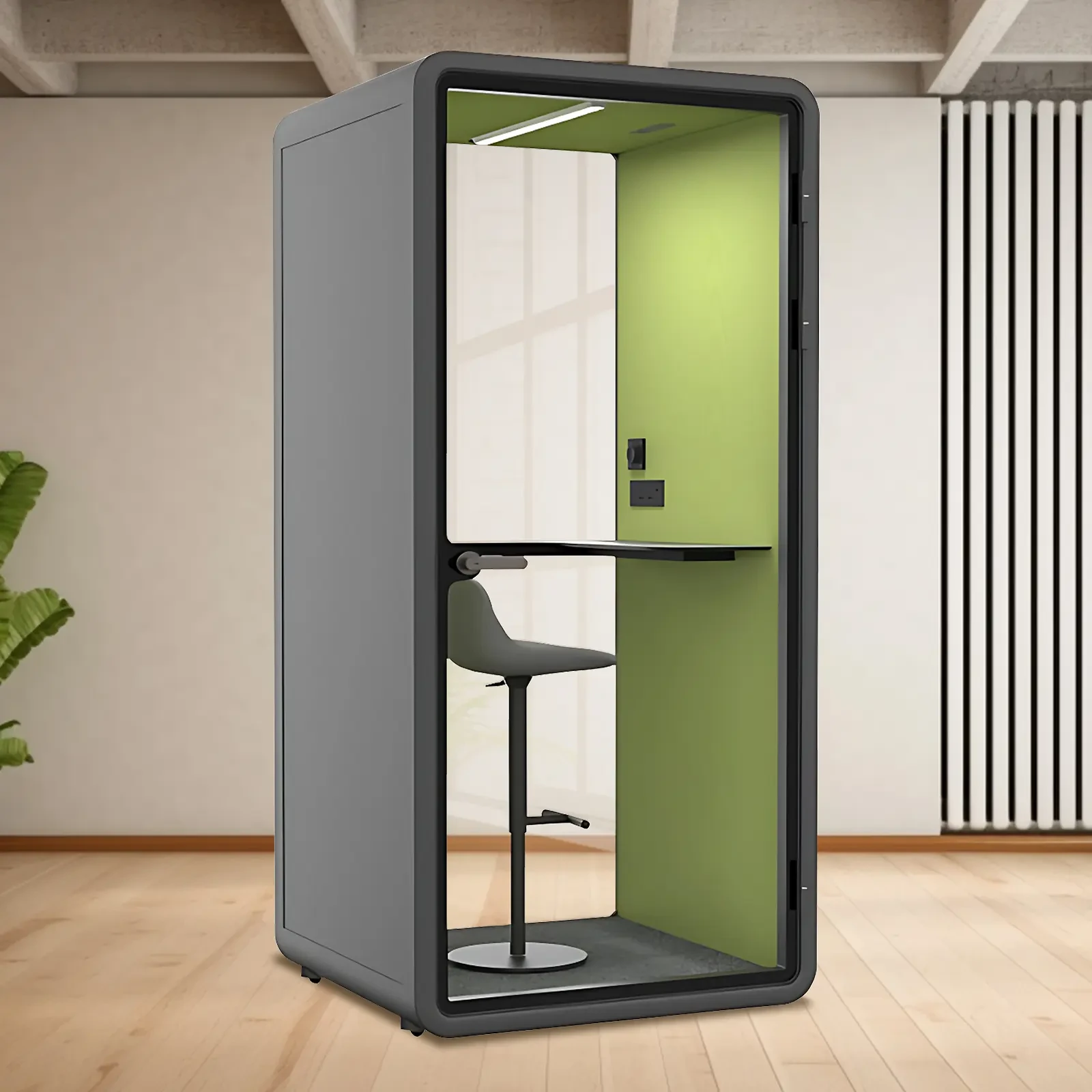
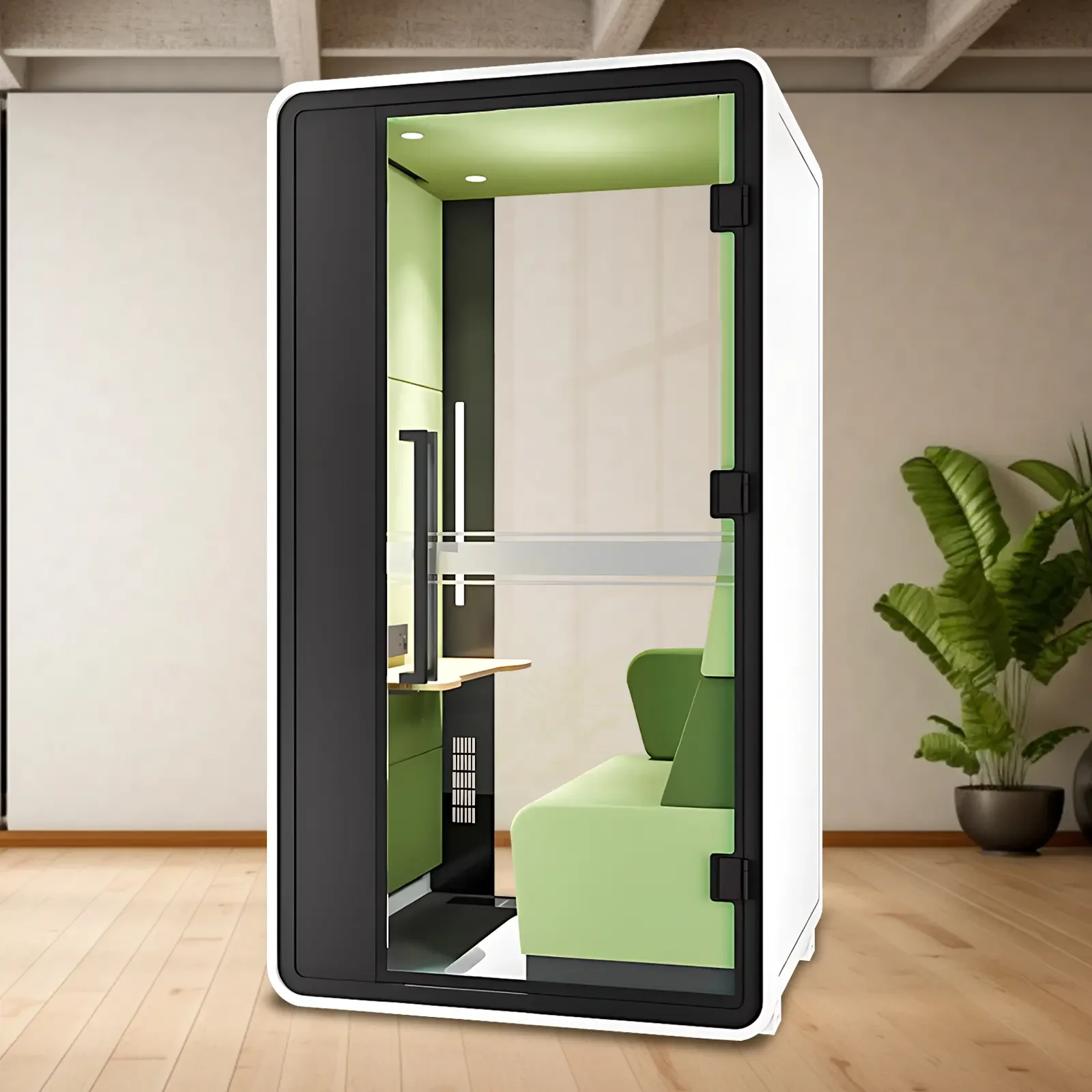
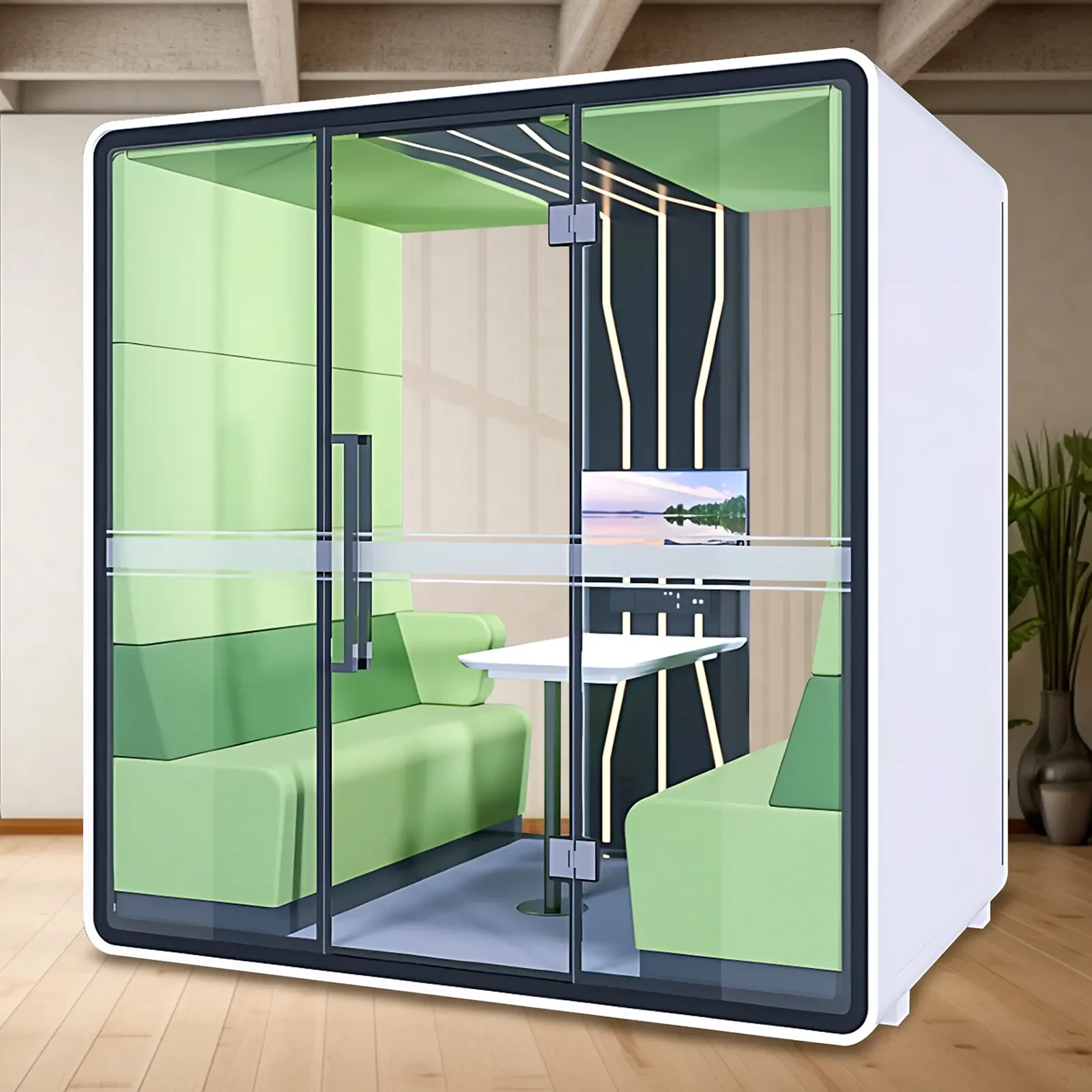
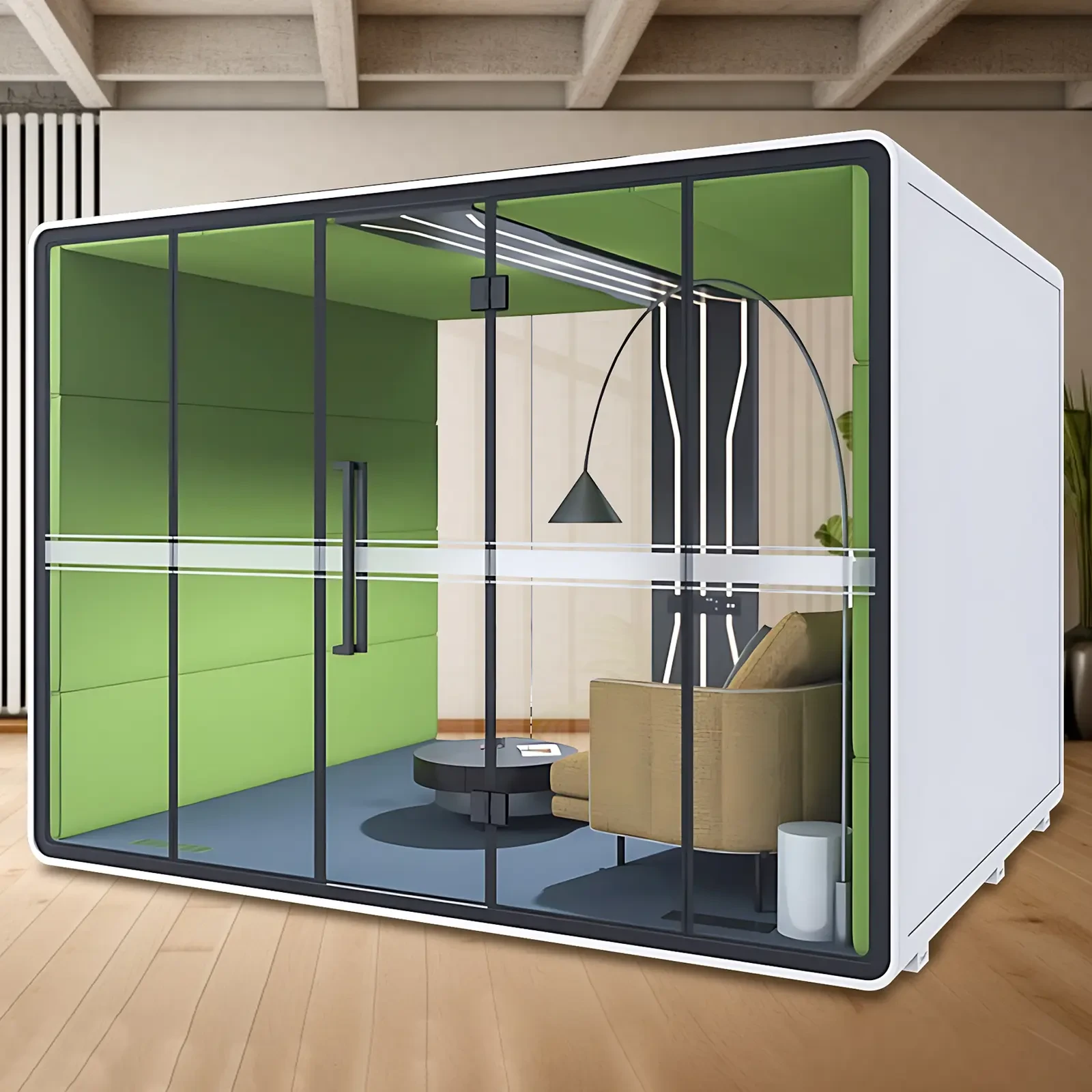
Ventilation and sound insulation windows play a crucial role in healthy homes, perfectly integrating these two functions to create a more comfortable and healthy living environment for residents. Here are some of the key functions of ventilation and sound insulation windows in healthy homes:
- Improving indoor air quality: Ventilated and soundproof windows can ensure effective ventilation while maintaining a quiet indoor environment, helping to expel harmful gases and moisture and introduce fresh air. This is important for preventing indoor air pollution, reducing allergens and the spread of germs, and is beneficial to respiratory health.
- Reduce noise pollution: Good sound insulation can significantly reduce external noise interference, creating a quiet living and working environment. This is crucial for improving sleep quality, relieving stress and anxiety, and enhancing work and study efficiency.
- Energy saving and consumption reduction: The design of ventilated and soundproof windows can reduce energy loss while maintaining a suitable indoor temperature, reducing the frequency and intensity of HVAC use, thereby reducing energy consumption and saving energy costs. This has positive significance for sustainable development and environmental protection.
- Improving living comfort: By regulating indoor temperature and humidity, well-ventilated and soundproof windows can maintain a comfortable indoor environment, avoiding physical discomfort caused by excessive humidity or dryness. Furthermore, reducing noise pollution also contributes to improved quality of life and mental well-being.
- Enhanced security: Some ventilated and soundproof windows have anti-theft features, which can prevent criminals from entering the room while maintaining ventilation, thus protecting the personal and property safety of residents.
In conclusion, ventilated and soundproof windows provide crucial support for the construction of healthy homes by improving indoor air quality, reducing noise pollution, saving energy, enhancing living comfort, and strengthening safety. They not only improve quality of life but also promote physical and mental well-being, making them an indispensable component of modern residential design.