
 USD
USD  GBP
GBP
 EUR
EUR
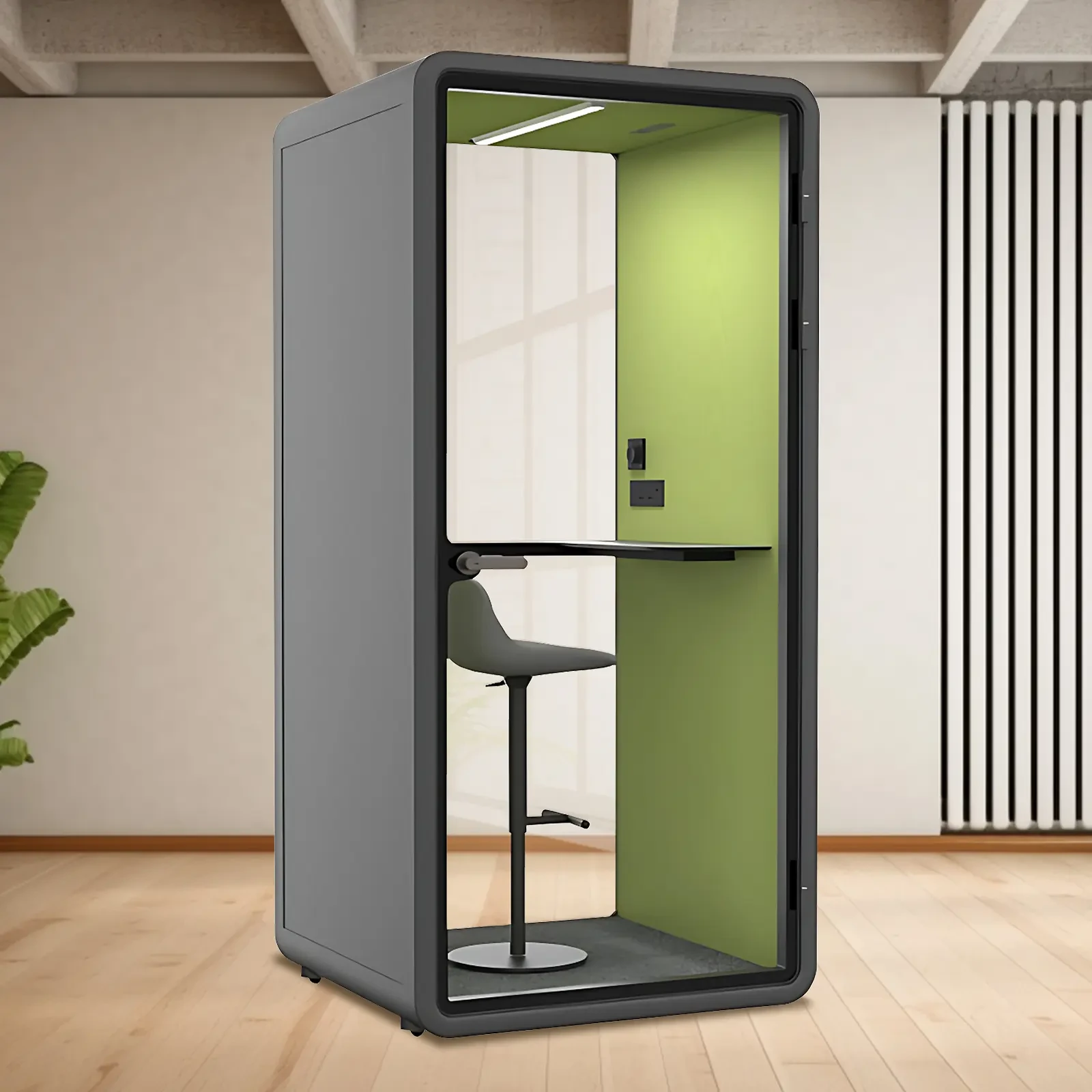
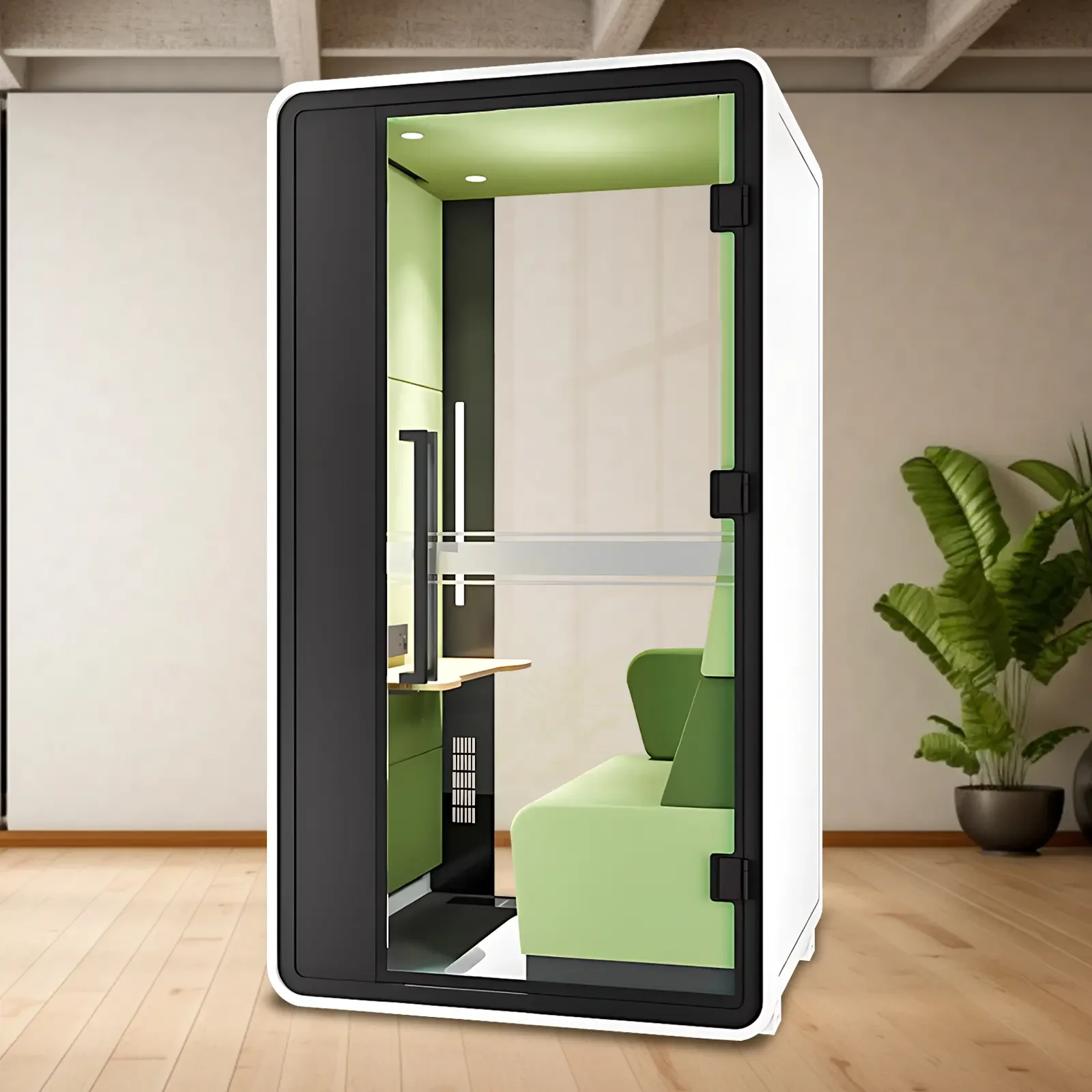
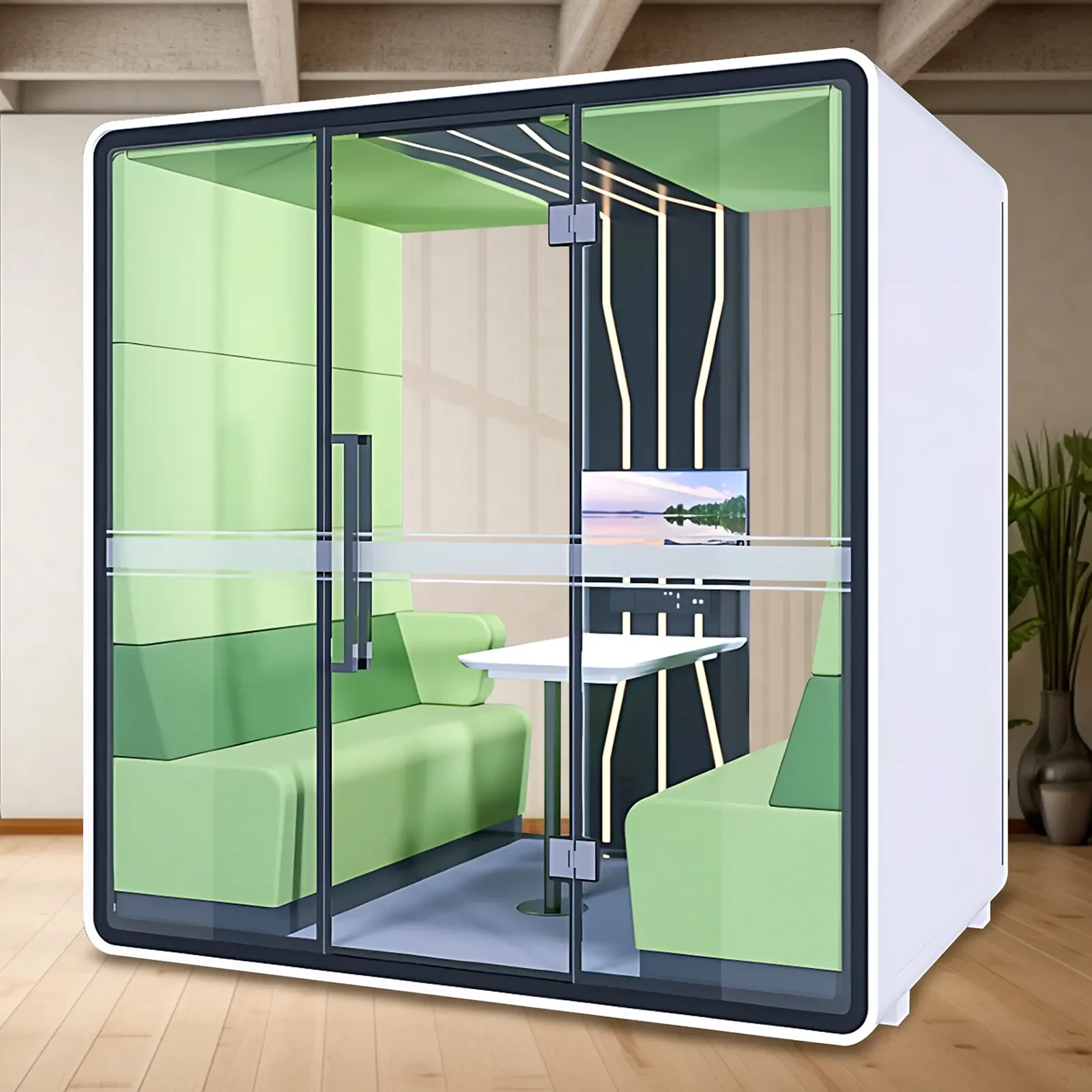
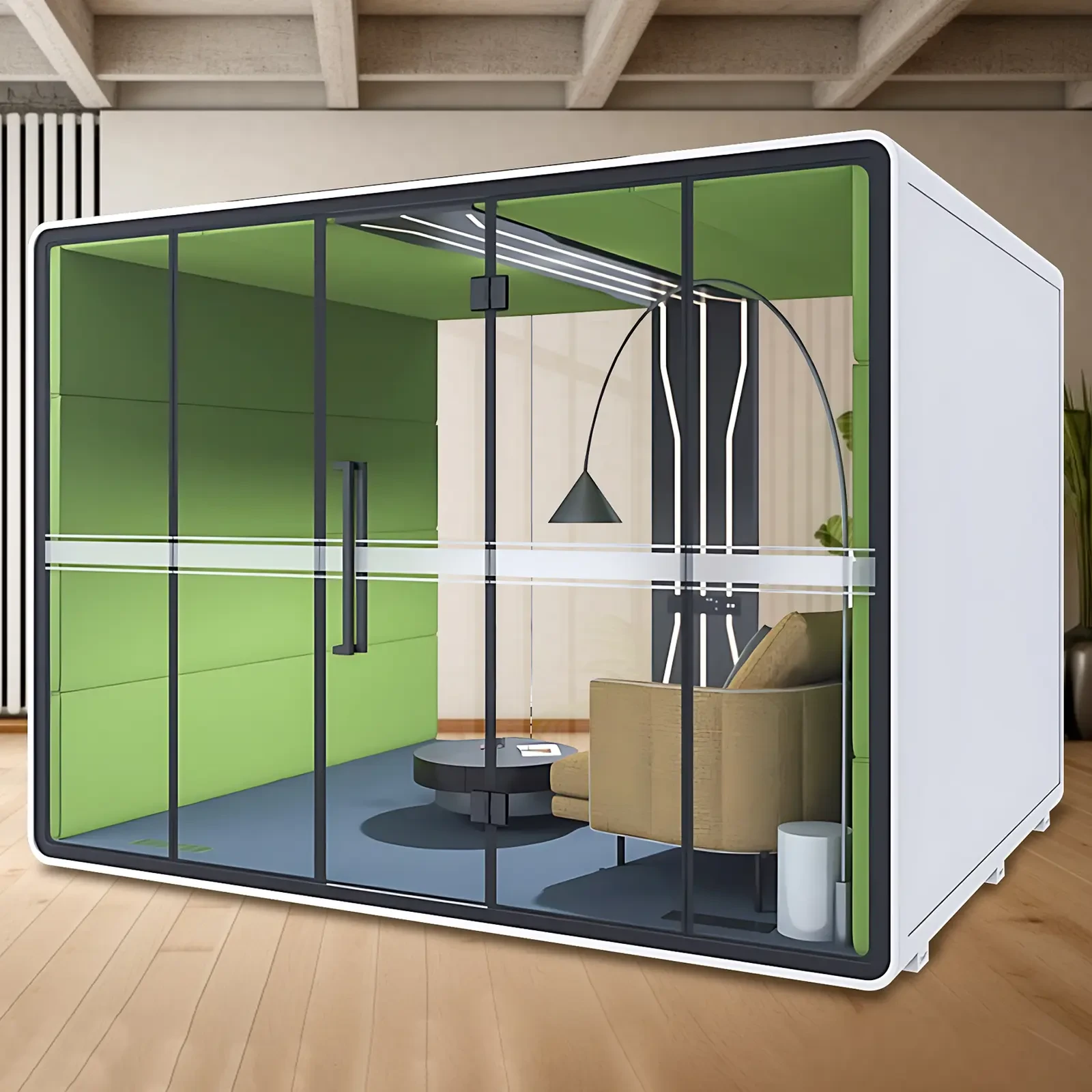
What is the purpose of a soundproof room? How do you use a soundproof room?
In the hustle and bustle of city life, soundproof rooms are like tranquil islands, providing us with a private space to escape the noise and enjoy peace. Whether it's musicians seeking the perfect recording environment or city dwellers yearning for a moment of tranquility amidst their busy lives, soundproof rooms have become an indispensable part of modern life with their unique charm. However, the debate about whether soundproof rooms directly harm human health occasionally attracts public attention. Here, it is necessary to clarify, with a scientific attitude and sound evidence, that soundproof rooms themselves do not directly harm human health, but some details during their use deserve our close attention.
Soundproof room: A safe and tranquil source
Firstly, in terms of material composition, modern soundproof rooms mostly use environmentally friendly and non-toxic soundproofing materials, such as high-density foam, sound-absorbing cotton, and sound insulation panels. These materials undergo strict quality control and environmental testing to ensure that they do not release harmful substances during use, thus protecting the health and safety of residents. Therefore, from the perspective of material safety, soundproof rooms are safe and reliable.
Usage Details: Subtle Affects on Health
While soundproof rooms themselves are harmless, improper use or overlooked details can indirectly affect the health of residents. The following points should be given special attention:
1. Ventilation: To achieve good sound insulation, soundproof rooms are often highly sealed. Prolonged exposure to a closed environment with poor air circulation can lead to increased carbon dioxide levels and decreased oxygen levels, thus affecting human health. Therefore, regularly opening windows for ventilation or using a fresh air system to maintain fresh indoor air is an essential aspect that cannot be ignored when using a soundproof room.
2. Humidity and Temperature Control: The humidity and temperature inside a soundproof room also need to be properly controlled. Excessively high or low humidity not only affects living comfort but may also trigger respiratory illnesses or skin problems. A suitable temperature, on the other hand, helps maintain normal metabolism and improves the quality of life. Therefore, equipping the room with air conditioning, humidifiers, or dehumidifiers to adjust the indoor environment according to seasonal changes and individual needs is an important measure to ensure health.
3. Light and Illumination: Good light and illumination are equally important for human health. Soundproof rooms often sacrifice some natural light to block out external noise, which requires us to fully consider lighting issues during design and use. A reasonable lighting layout and brightness adjustment can not only meet the needs of work and life, but also effectively relieve visual fatigue and protect eye health.
4. Mental Health: While soundproof rooms provide physical tranquility, prolonged exposure to enclosed environments can lead to feelings of loneliness and depression. Therefore, maintaining moderate social activity, going for regular walks, and communicating with family and friends are important ways to safeguard mental health.
Conclusion
In conclusion, soundproof rooms, as tools for achieving tranquility and efficiency in modern life, do not directly harm human health. However, during use, we need to pay attention to details such as ventilation, humidity and temperature control, lighting, and mental well-being to ensure that while enjoying the convenience and comfort of a soundproof room, we can also protect our physical and mental health. Only in this way can a soundproof room truly become an indispensable quiet haven in our lives, allowing our minds to rest and our inspiration to soar freely.
X-comfot, your gateway to an efficient life. We are committed to becoming your most trusted brand of soundproof pod.
E-mail: support@x-comfot.com