
 USD
USD  GBP
GBP
 EUR
EUR
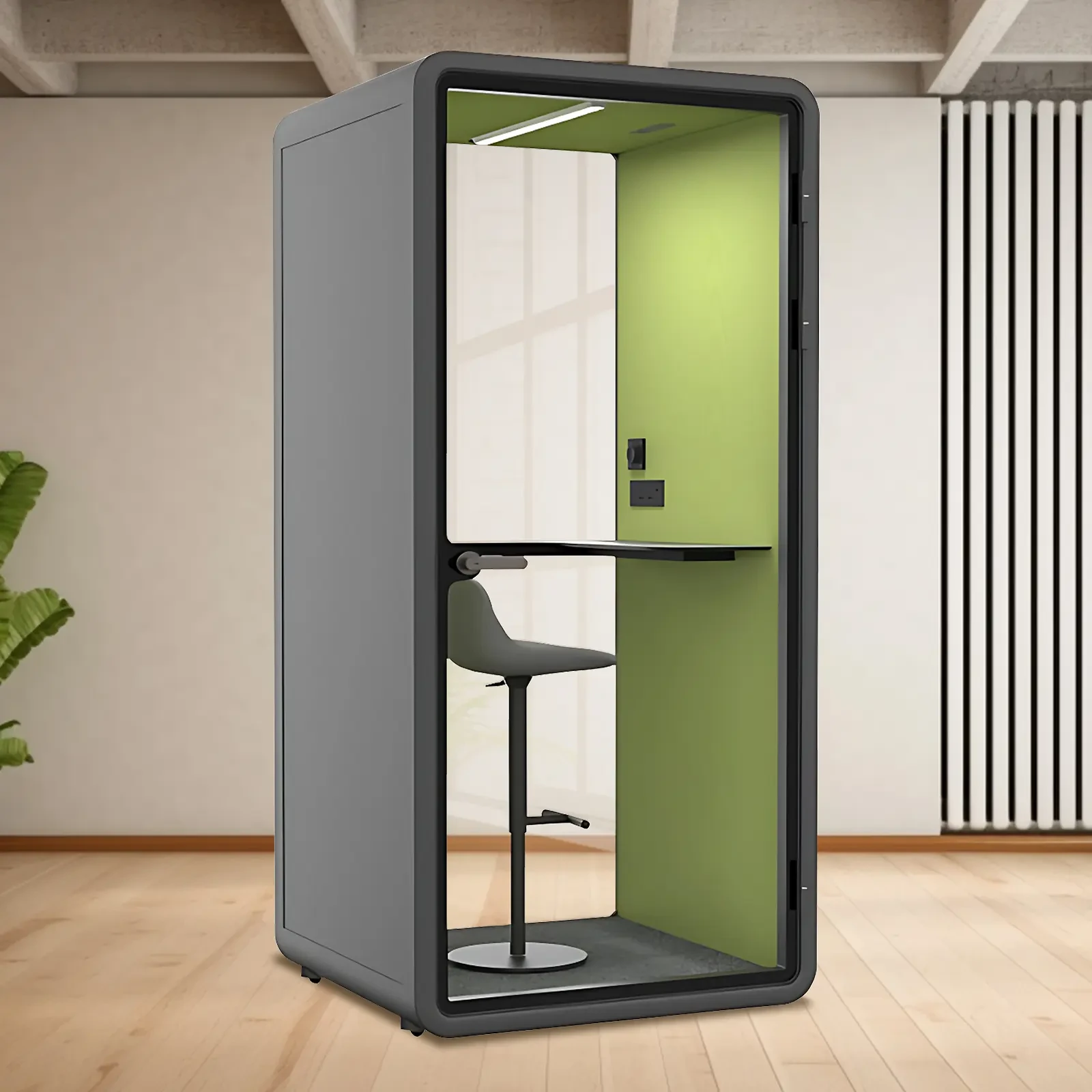
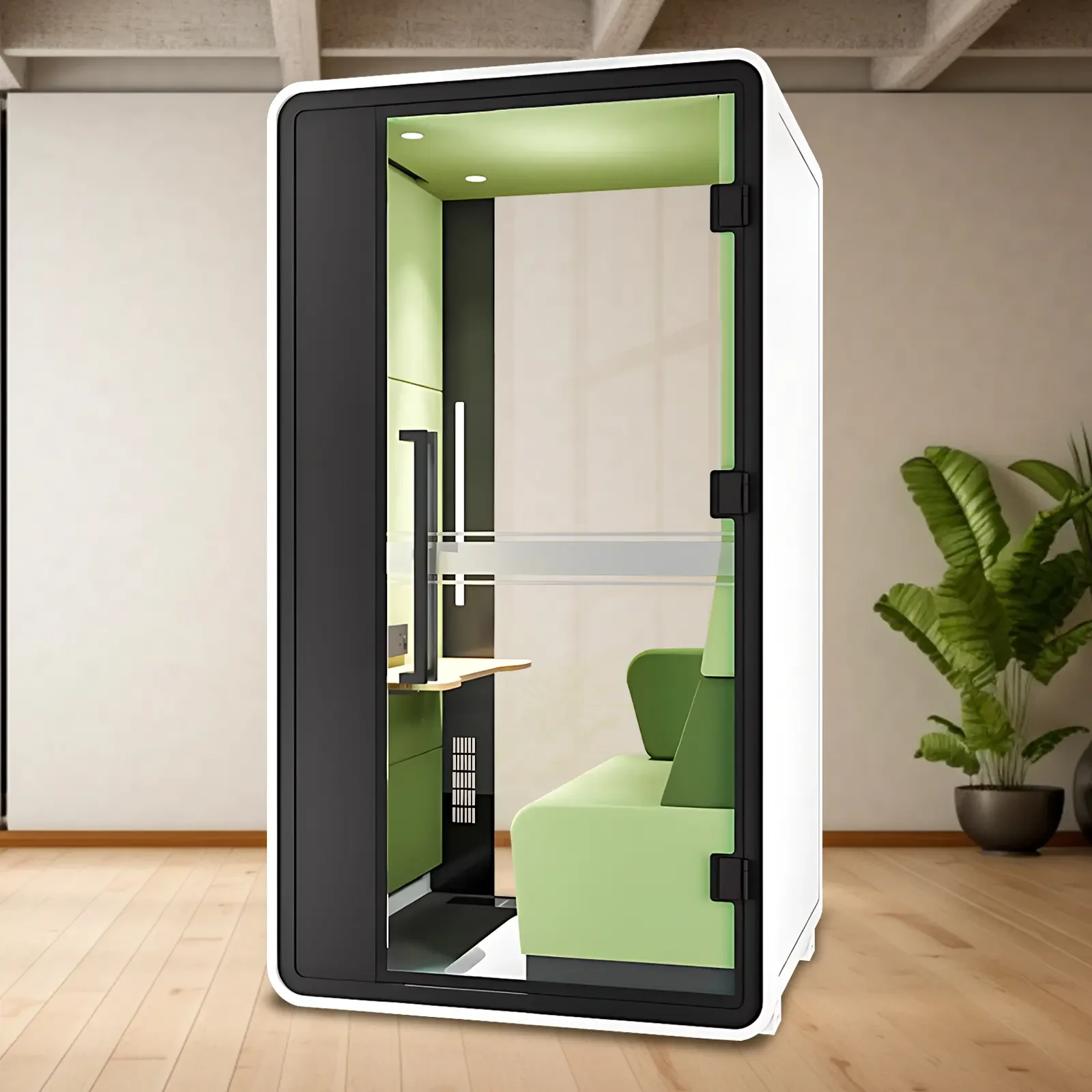

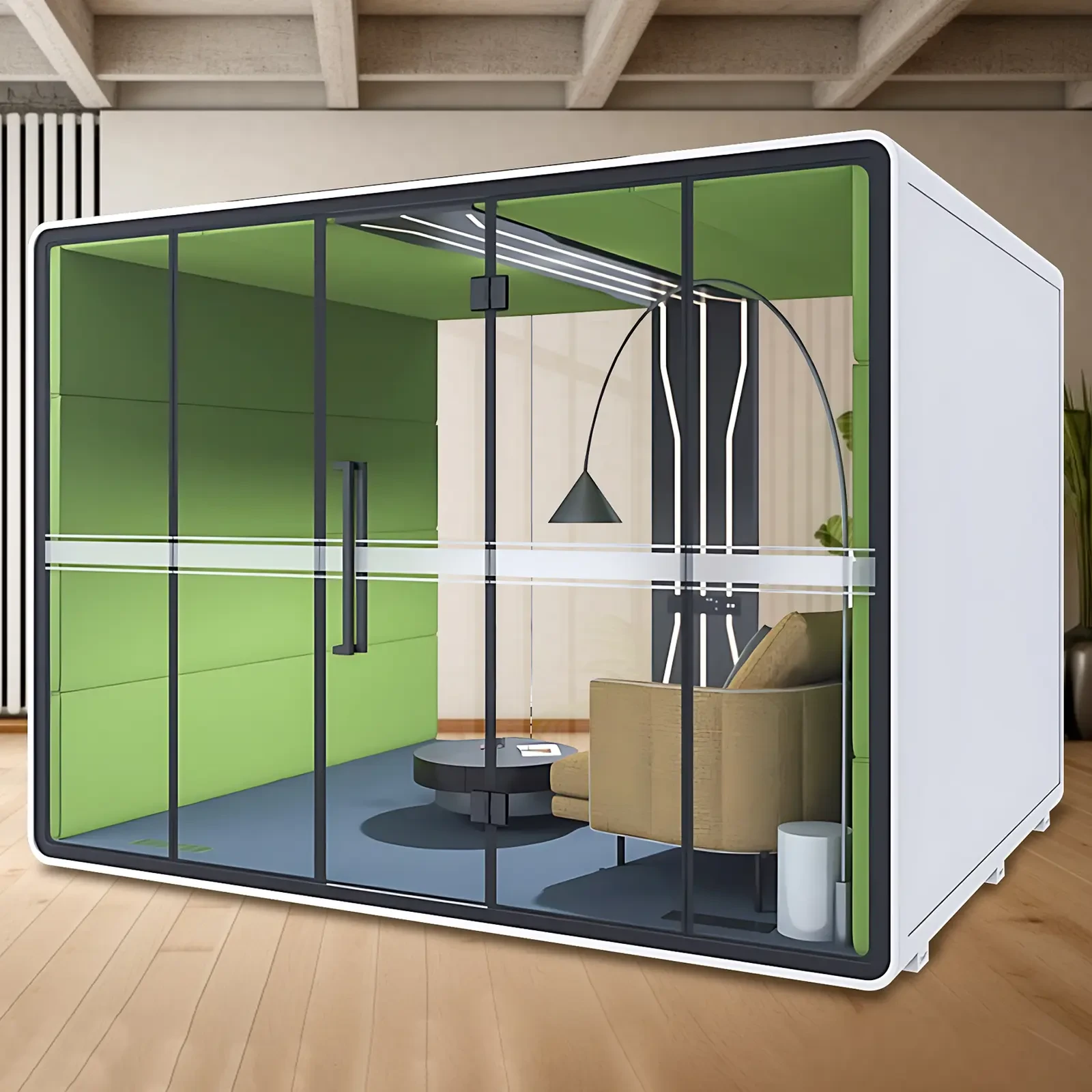
Unbearable! How are residents living next to the highway coping with the noise problem?
In this fast-paced era, the hustle and bustle of cities are ever-present, and highways, as vital arteries connecting the city's lifelines, are experiencing ever-increasing traffic. However, behind this prosperity lies a problem that cannot be ignored for residents along the roads-noise pollution. For families living right next to highways, the daily roar of engines, the screech of brakes, and the blaring of horns are like invisible shackles, severely impacting their quality of life and mental and physical health. Today, we will delve into how residents living near highways can effectively address this noise problem and regain a peaceful living space.
I. Recognizing the Severity of Noise Pollution
First, we must acknowledge the health hazards of noise pollution. Prolonged exposure to high-decibel noise can not only damage hearing but also lead to chronic diseases such as high blood pressure and heart disease, and even affect children's intellectual development and learning abilities. Furthermore, noise can disrupt sleep, cause mood swings, and reduce work efficiency and overall well-being.
II. Source Control: Policy Advocacy and Community Cooperation
1. Policy Appeal: As residents, we can actively raise these issues with the local government and relevant departments, and appeal for policy intervention.
Taiwan's stricter noise control regulations and enforcement standards provide more effective protection for our living environment.
2. Community Collaboration: Through community collaboration, we can communicate among neighbors, understand each other's living habits and needs, and find common solutions. For example, a noise control group can be established within the community to jointly formulate a noise control agreement, encourage everyone to abide by it, and provide relevant noise control advice and guidance to small businesses and individuals in the community.
III. Technological Innovation: Utilizing Technology to Reduce Noise
1. Building Sound Insulation: With advancements in technology, we can utilize new sound insulation materials and technologies to reduce noise transmission in buildings. For example, sound insulation materials can be used in areas such as walls, windows, and doors to reduce noise propagation.
2. Intelligent noise reduction equipment: Research and development and promotion of intelligent noise reduction equipment, such as smart speakers and noise-canceling headphones. These devices can reduce noise generation at the source or reduce noise during transmission.
IV. Individual Actions: Starting with myself, reduce noise.
1. Maintain quiet: In daily life, we should pay attention to our behavior and try to minimize the possibility of generating noise. For example, keep quiet in public places and avoid making loud noises; at home, be mindful of your words and actions to avoid unnecessary noise.
2. Use electrical appliances correctly: Use electrical appliances correctly to avoid noise caused by equipment malfunction or improper use. For example, regularly maintain and service home appliances to reduce noise caused by aging or wear.
V. Education and Public Awareness: Raising Public Awareness
1. Education and Popularization: Conduct educational activities on noise pollution in schools and communities to popularize the harms of noise pollution and methods of prevention and control, and raise public awareness of environmental protection and self-protection.
2. Media Awareness: Utilize media platforms to publicize and report on noise pollution, so that more people understand the severity of noise pollution and participate in the prevention and control of noise pollution.
In conclusion, addressing noise pollution requires a multi-pronged approach, including policy advocacy, community collaboration, technological innovation, individual action, and education and public awareness campaigns. Only in this way can we effectively reduce noise pollution and create a quiet, comfortable, and healthy space for our living and working environments.
X-comfot, your gateway to an efficient life. We are committed to becoming your most trusted brand of soundproof pod.
E-mail: support@x-comfot.com