
 USD
USD  GBP
GBP
 EUR
EUR
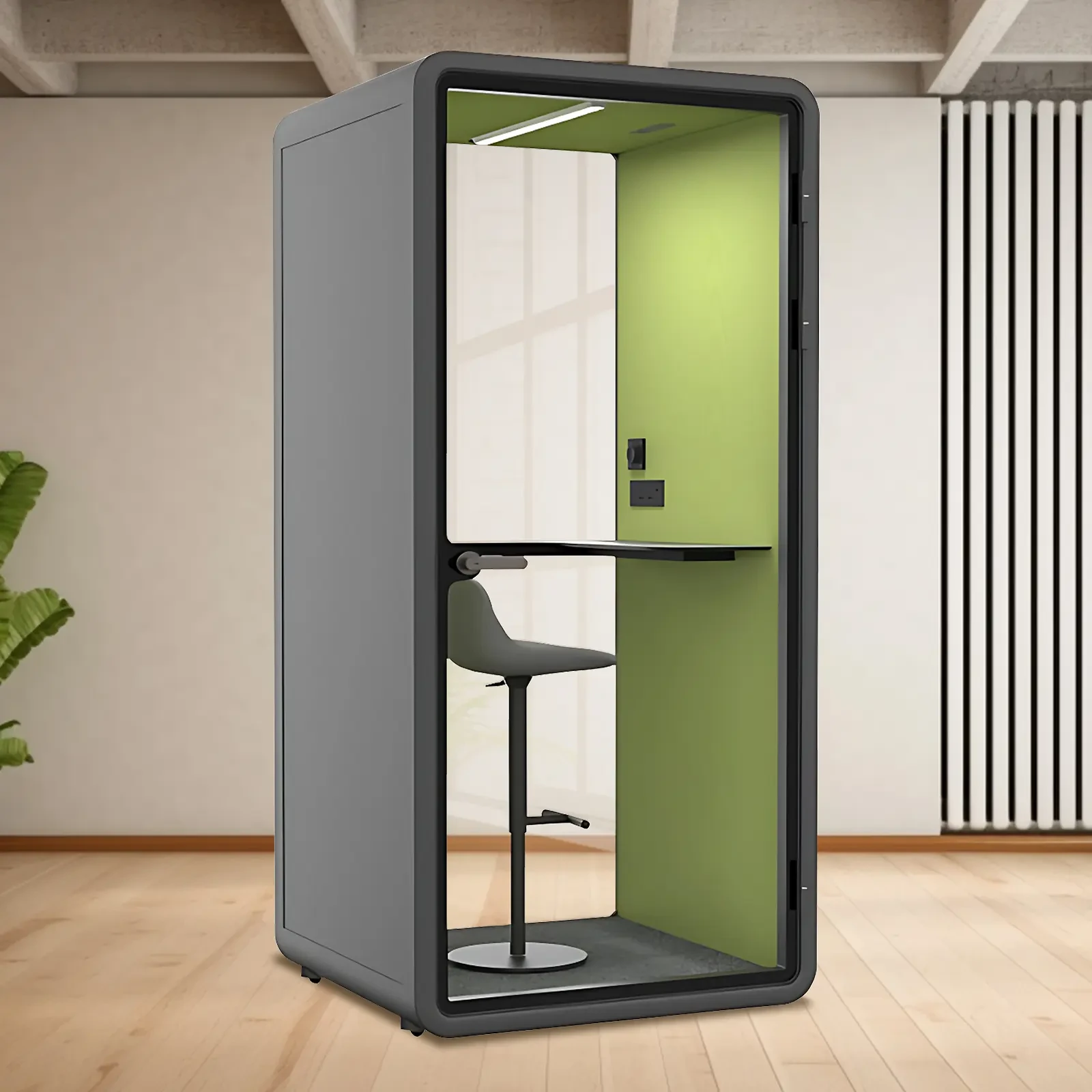
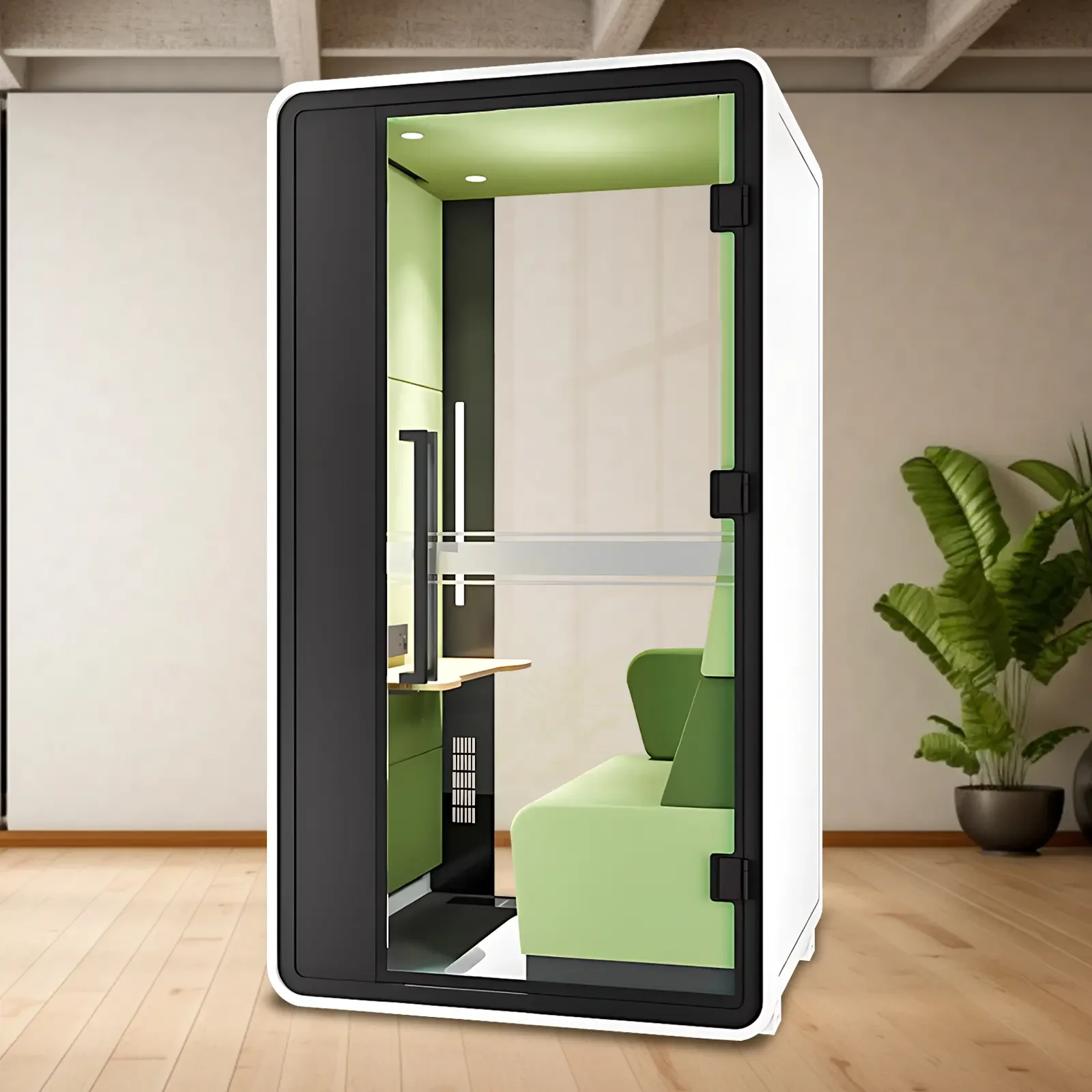

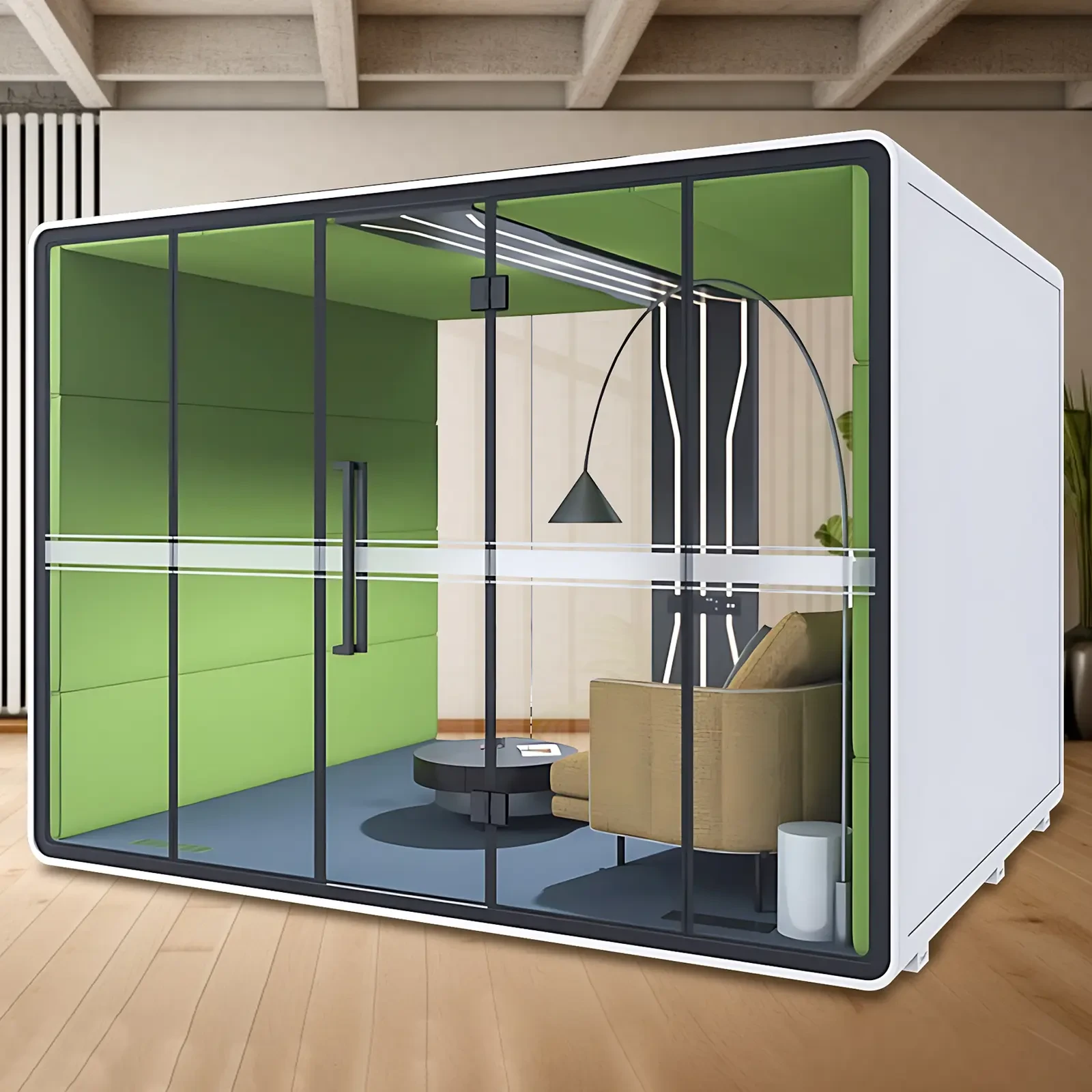
The secrets of soundproof ceilings for bedrooms: Unveiling their composition and the key role of each layer of material.
In today's fast-paced life, a tranquil bedroom environment has become a dream haven for many. However, the noise of the city, footsteps upstairs, and even the sound of a neighbor's television can all disrupt our rest. To create a truly peaceful space, soundproof ceilings for bedrooms have become an indispensable design element. Today, we'll delve into the secrets of soundproof ceilings for bedrooms, understanding their composition and the key role of each layer of material.
I. Composition of Bedroom Soundproof Ceiling
A soundproof ceiling in a bedroom is not a simple single-layer structure, but rather a carefully crafted combination of multiple layers of sound-insulating materials. Each layer serves a different function, working together to create a solid sound barrier. Generally speaking, a soundproof ceiling in a bedroom mainly consists of four layers: sound-insulating cotton, sound-insulating panels, a ceiling frame, and decorative materials.
1. Sound insulation cotton: an invisible guardian that absorbs sound waves.
Sound insulation cotton, as the first layer of material in a soundproof ceiling, is crucial for sound insulation effectiveness. It is typically made of fibrous materials and possesses excellent sound absorption properties. When sound waves encounter the cotton, most of the sound energy is converted into heat energy, significantly reducing the sound's propagation ability. The choice of sound insulation cotton is paramount; different densities and thicknesses can address varying levels of noise, providing tailored soundproofing solutions for bedrooms.
2. Soundproofing panels: A solid safeguard for enhanced sound insulation.
Soundproofing panels, as a second layer of material, are typically made of rigid materials such as wood panels or gypsum board. Their main function is to further enhance sound insulation and provide stable structural support for the ceiling. When used in conjunction with sound-absorbing cotton, soundproofing panels create a more robust sound barrier, effectively blocking external noise. Furthermore, soundproofing panels offer good decorative appeal; different colors and textures can be chosen to suit individual preferences, adding a unique style to the bedroom.
3. Ceiling Frame: A Solid Support for Dreams
Ceiling frames are typically constructed of light steel keel, serving as the structural framework supporting the entire soundproof ceiling. Light steel keel not only boasts excellent load-bearing capacity but also ensures the flatness and aesthetics of the ceiling. Through scientific and rational layout and design, the ceiling frame ensures the secure installation of soundproofing and decorative materials, providing a safe and reliable soundproof environment for the bedroom.
4. Decorative materials: the finishing touch to beautify the space
Decorative materials, as the outermost layer of a soundproof ceiling, primarily serve to beautify the room. Common decorative materials include gypsum board, wood panels, and PVC panels. They not only offer excellent decorative effects but also enhance sound insulation to some extent. By choosing suitable decorative materials, we can transform our bedroom into a comfortable and aesthetically pleasing private space.
II. The key role of each layer of material
Sound insulation cotton: As the core material of soundproof ceilings, its main function is to absorb and convert sound wave energy, significantly reducing noise transmission. Its selection needs to be customized based on the actual noise levels in the bedroom and individual needs.
Soundproofing panels: While enhancing sound insulation, soundproofing panels also provide stable structural support for the ceiling. They effectively prevent sound from transmitting through the ceiling into the bedroom, creating a quieter resting environment.
Ceiling frame: The ceiling frame is the basic structure supporting the entire soundproof ceiling, and its stability directly affects the ceiling's lifespan and sound insulation effect. Light steel keel, as the main material of the ceiling frame, has excellent load-bearing capacity and stability.
Decorative materials: Decorative materials not only beautify the bedroom space but also improve sound insulation to some extent. By choosing suitable decorative materials, we can create a unique bedroom environment according to personal preferences and decorating style.
III. Conclusion
The secret of soundproof bedroom ceilings lies in their scientifically designed structure and the selection of high-quality materials. Each layer of material serves a different function, collectively building a solid sound barrier. By choosing suitable soundproofing materials and a reasonable soundproofing design, we can effectively isolate external noise, creating a quiet and comfortable resting environment for the bedroom. In this noisy world, let us work together to protect our own tranquility and peace.
You May Also Like
X-comfot, your gateway to an efficient life. We are committed to becoming your most trusted brand of soundproof pod.
E-mail: support@x-comfot.com