
 USD
USD GBP
GBP
 EUR
EUR
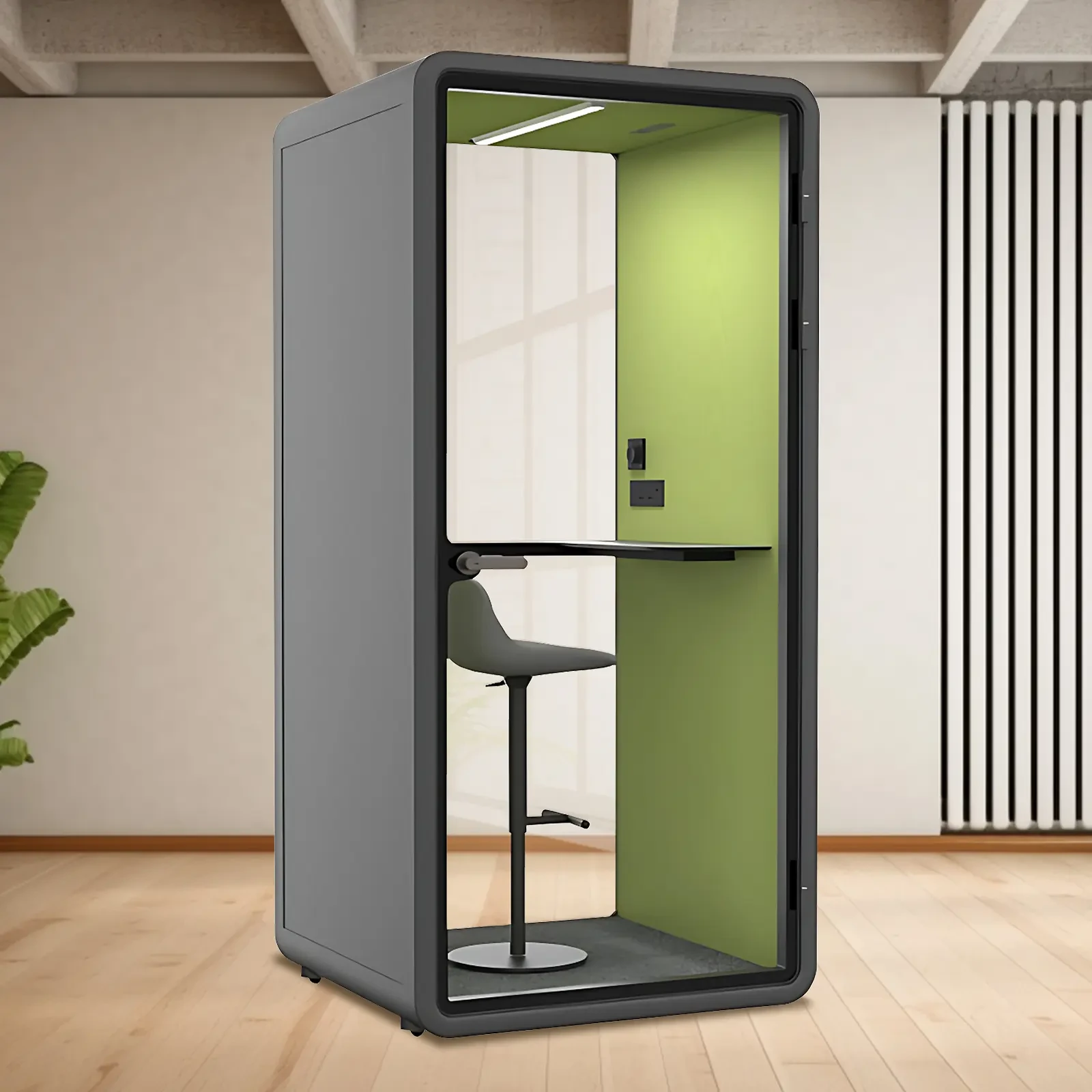
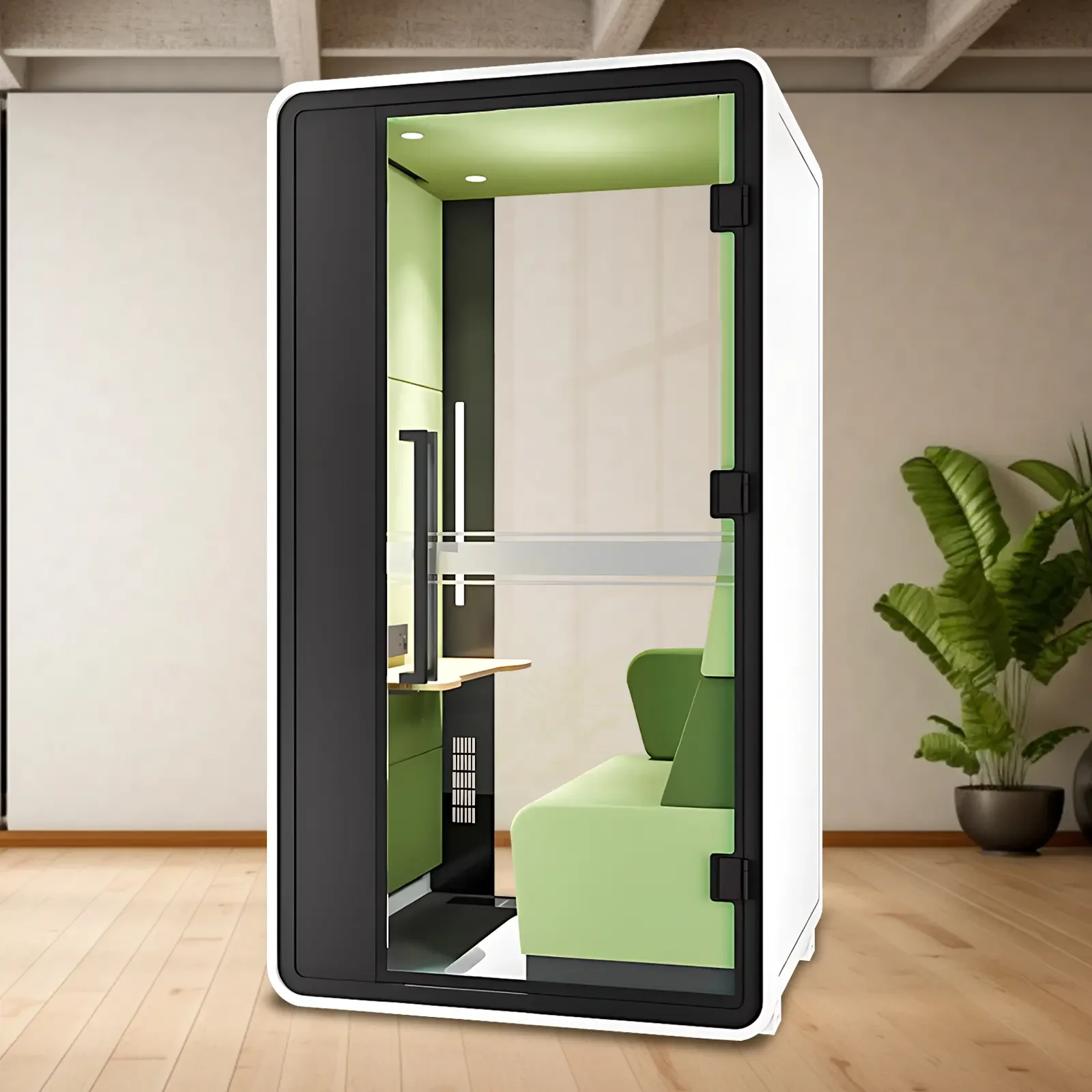
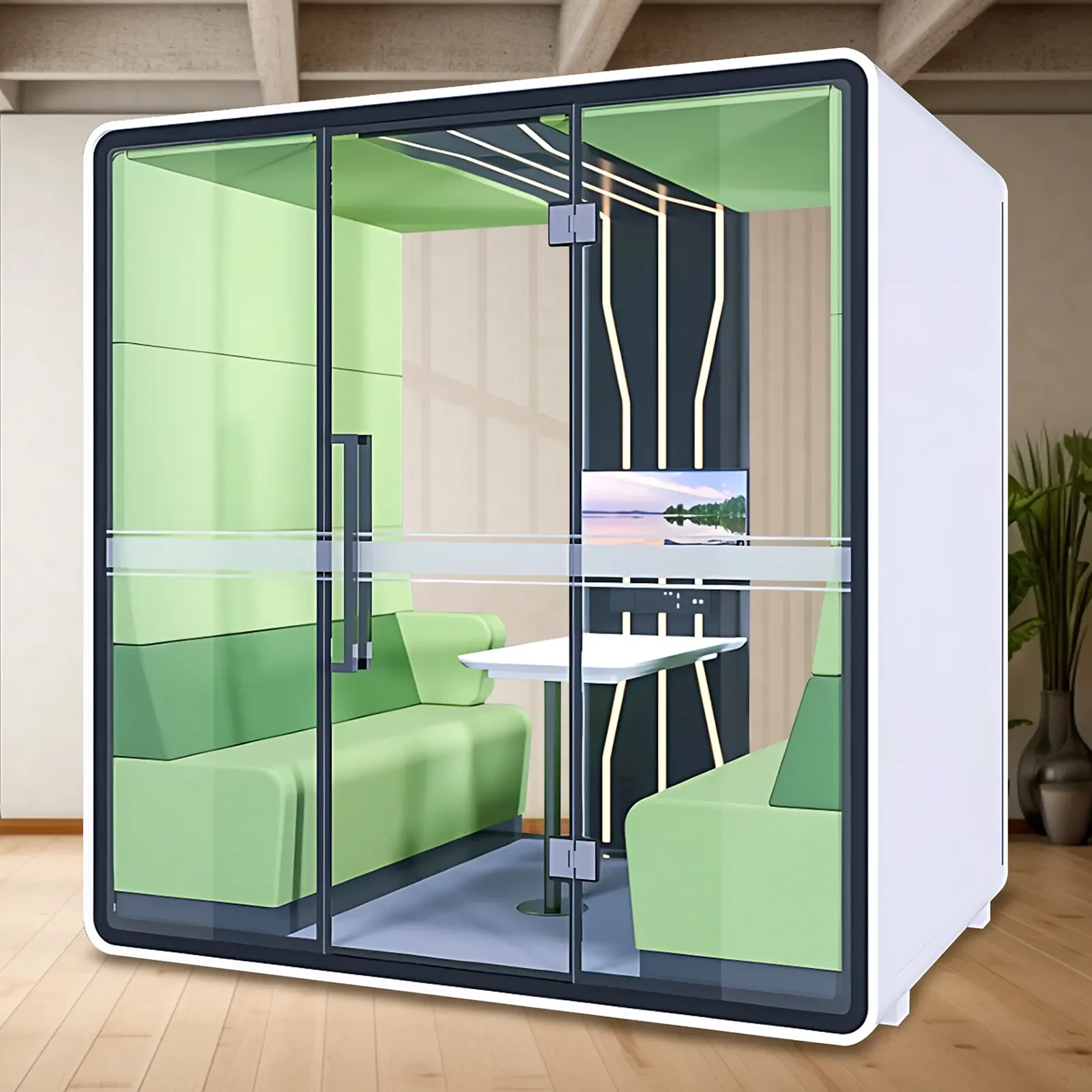
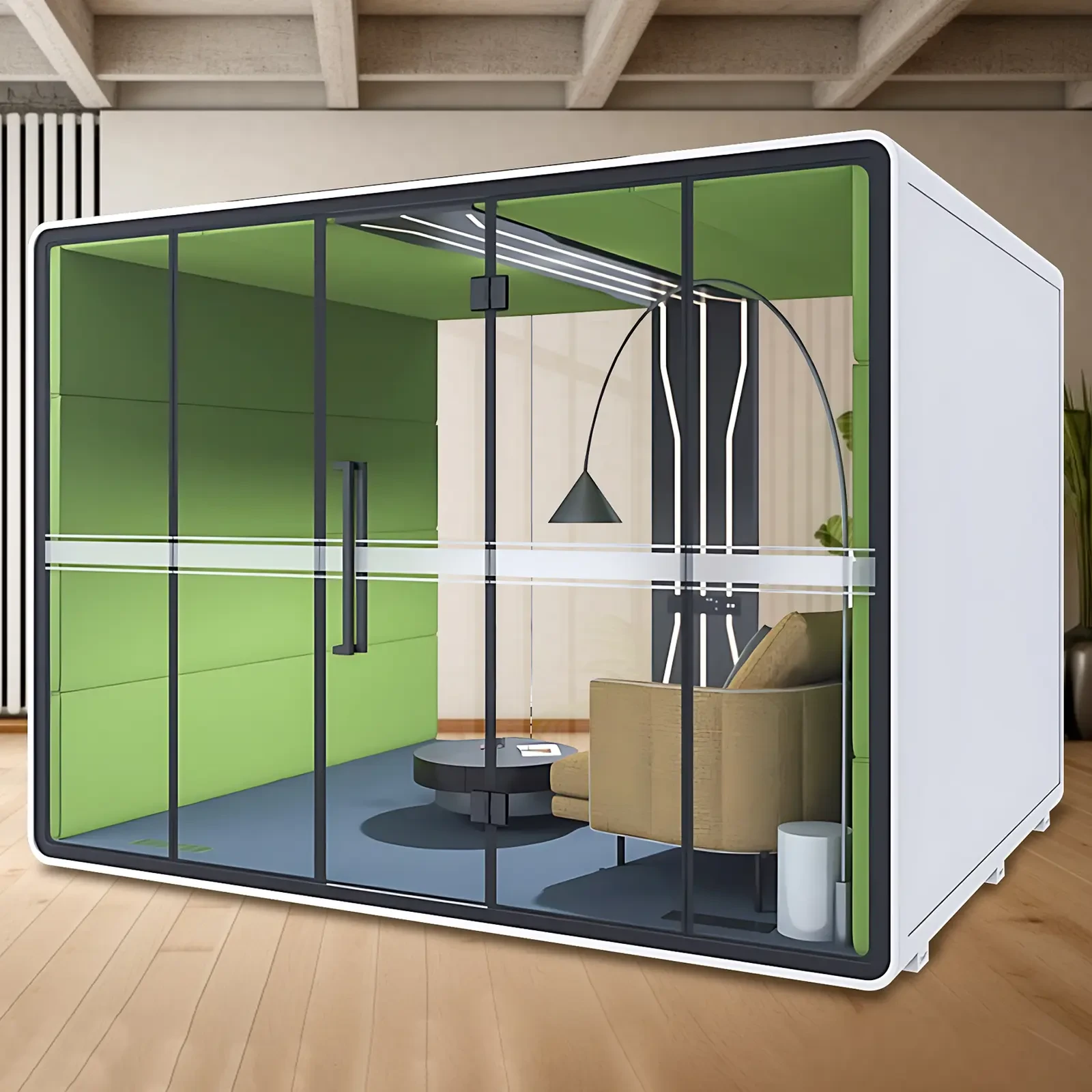
The once-common roar of construction drilling rigs in the early morning, the jarring sounds of neighbors' speakers late at night, and the music from square dancing "crashing through windows"-these persistent noise disturbances are no longer merely matters of neighborhood disputes. With the in-depth implementation of the newly revised "Law of the People's Republic of China on the Prevention and Control of Noise Pollution," individual behavior has been explicitly included within the scope of legal regulation, becoming an indispensable and crucial link in the chain of noise pollution prevention and control. The boundaries of the law have been clearly defined: maintaining tranquility is not only a call for public morality but also an inescapable legal responsibility of every citizen.
The new regulations' "focus" on individual behavior: from bystanders to responsible parties.
The new law significantly strengthens the regulation and constraints on individual noise behavior:
Clarifying Responsibilities: For the first time, the legal obligations of individuals to control noise and avoid disturbing others in public places, family activities, and other scenarios are clearly defined.
Specific scenarios: Clearer behavioral boundaries and decibel limits have been set for areas that individuals are likely to be involved in, such as noise from neighborhood life (e.g., interior decoration, family entertainment, pet ownership), noise from public places (e.g., square dancing, street promotions, improper honking of vehicles), and noise from commercial operations.
The consequences are made explicit: Legal responsibilities, such as warnings and fines, are clearly stipulated for individuals who violate the regulations. Cases have already emerged in some areas where individuals have been punished for continuously creating noise late at night or refusing to correct their behavior.
Practical Guidelines for Individuals on Noise Prevention
Under the new law, a peaceful life requires our conscious action:
1. Home Space: Tranquility is the highest form of self-discipline
Renovating with courtesy: Strictly adhere to local regulations regarding construction hours. Inform neighbors of your renovation plans in advance, and avoid using high-noise tools during sensitive times (such as lunch breaks and evenings). Choose noise-reducing techniques and materials.
Entertainment in moderation: When using stereos, musical instruments, or holding parties at home, consciously lower the volume, especially at night and in the early morning. Close doors and windows, and using headphones is a better option.
"Light" advice for home appliances: Choose low-noise appliances, place them appropriately (e.g., keep the washing machine away from the bedroom wall), and perform regular maintenance to reduce abnormal vibration and noise.
Keep your pets calm: Manage your pets properly to prevent dogs from barking for extended periods and disturbing the neighbors. Respond and comfort them promptly, and seek professional training if necessary.
2. Public places: Noise must be stopped by self-discipline.
Controlling noise levels in public entertainment: When engaging in group activities such as square dancing and aerobics, actively use directional speakers and adjust them to a reasonable volume, keep them away from residential buildings and rest areas, and strictly adhere to time regulations.
Quiet driving: Avoid unnecessary and prolonged honking, especially near residential areas, hospitals, and schools. Modifying vehicle exhaust pipes to create excessive noise is illegal. Drive slowly within residential areas to reduce engine noise.
Behave politely: Avoid loud noises and arguments in public places. Wear headphones when using electronic devices and do not project your private voice into public spaces.
3. Encountering Noise: Rational Rights Protection and Communication
Communication First: When disturbed by noise, first try to communicate amicably and clearly express your feelings and needs. Most neighborhood conflicts can be resolved this way.
Make good use of channels: If communication fails, promptly report to the property management, neighborhood committee, or owners' committee to seek mediation and assistance.
Legal Complaint: If the noise is persistent and seriously disrupts your life, especially if it clearly violates the prescribed time period or standards, you can call the environmental complaint hotline (12369), the police emergency number (110), or report it through official platforms. Be sure to keep audio and video recordings as evidence.
Safeguarding Tranquility: The Resonance of Individual Values and Social Civilization
Proactively preventing noise pollution is not only a reflection of individual law-abiding awareness but also a demonstration of modern civic virtue. When every household consciously lowers the volume of their daily activities, the community gains a foundation for harmony; when public spaces are kept quiet due to everyone's self-discipline, the city cultivates a depth of civilization. This inner and outer protection of tranquility not only avoids legal risks but also creates an atmosphere of mutual respect, enhancing our shared quality of life and dignity.
The new noise control law has erected a legal barrier for a peaceful life, but the strength of this barrier ultimately depends on the actions of millions of individuals. The law grants us the right to be undisturbed by noise, while also placing the obligation to safeguard tranquility on our shoulders-from turning down the stereo at home to speaking softly in public places, every act of restraint and consideration is a gift to civilization. When millions of acts of restraint converge, we will finally possess that truly peaceful and precious echo of life.