
 USD
USD  GBP
GBP
 EUR
EUR
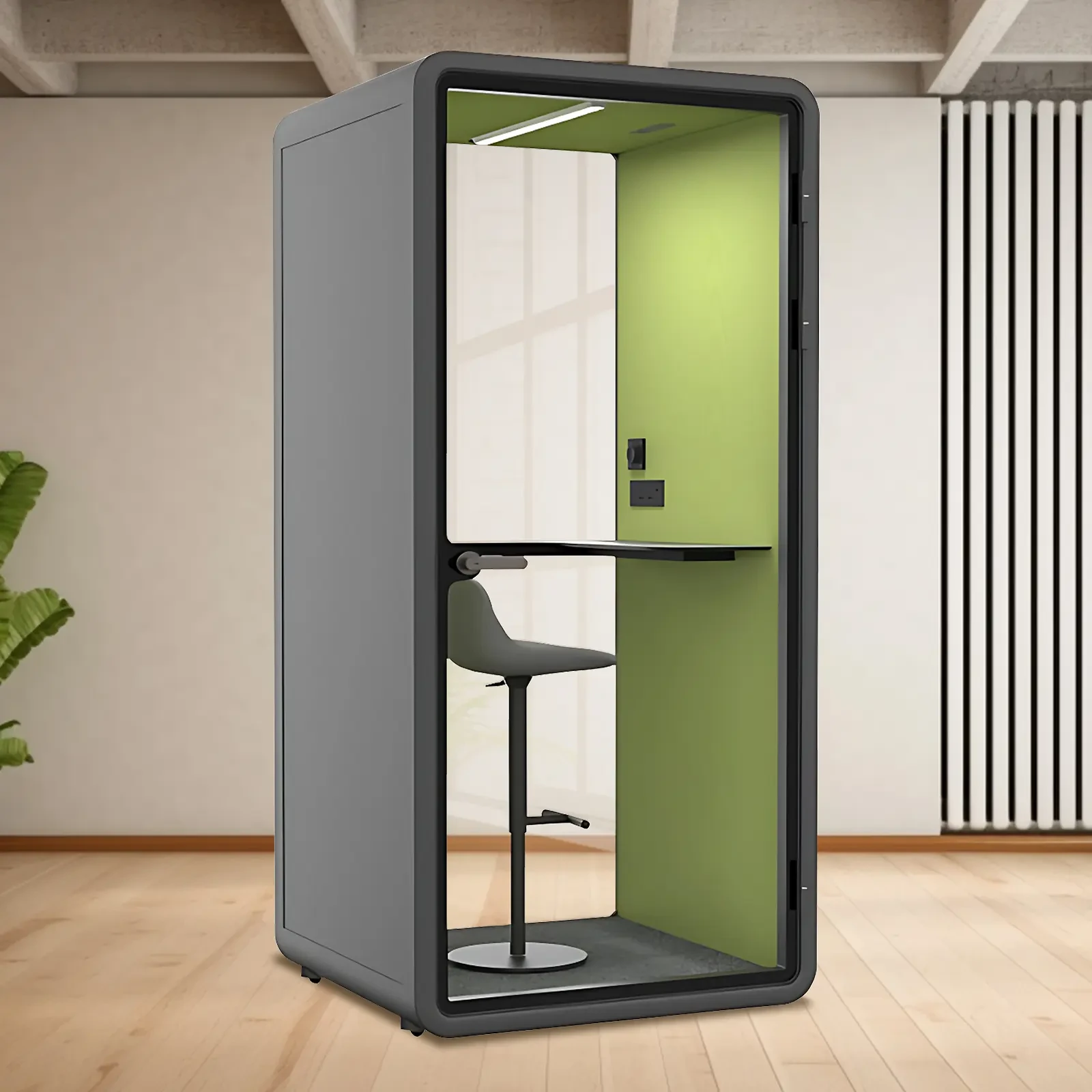



The effects of noise pollution on health: facts you may not know, and how we should address them.
In the hustle and bustle of city life, noise, like an invisible invader, silently infiltrates our daily lives, its impact often exceeding our imagination. Today, let's uncover the little-known effects of noise pollution on our bodies and explore how we can effectively deal with this hidden threat.
Noise pollution: The invisible health killer
I. Hearing impairment: the most direct impact
When noise pollution is mentioned, hearing loss is the first thing that comes to mind. Prolonged exposure to high-decibel noise environments, such as factory workshops, busy streets, or noisy concert venues, can lead to gradual hearing loss and even permanent hearing loss-this is the most direct and easily noticeable harm caused by noise pollution. However, what is even more worrying is that this damage often accumulates imperceptibly, and once it is detected, it is often difficult to reverse.
II. Cardiovascular Health: Hidden Threats
The impact of noise pollution on the cardiovascular system is equally significant. Studies have shown that prolonged exposure to noise causes a sustained stress response in the body, leading to increased blood pressure and heart rate, thereby increasing the risk of cardiovascular diseases such as heart disease and stroke. This effect is not limited to adults; children and adolescents are also at risk because their cardiovascular systems are not yet fully developed and are more susceptible to the negative effects of noise.
III. Sleep Quality and Mental Health: A Silent Erosion
Night falls, a time that should be for relaxation and rejuvenation, but noise pollution becomes a nightmare for many. Whether it's the hustle and bustle of the streets, the noise of neighbors, or the roar of traffic, all can easily shatter tranquility and affect sleep quality. Chronic sleep deprivation not only leads to daytime fatigue and poor concentration but also exacerbates psychological problems such as anxiety and depression. Noise pollution thus silently erodes our mental health.
IV. Immune and Reproductive Systems: Potential Crises
Even more surprisingly, noise pollution can also negatively impact the immune and reproductive systems. The stress response to noise can interfere with the normal function of the immune system, reducing the body's resistance and making people more susceptible to illness. Furthermore, long-term exposure to noise can affect the reproductive health of both men and women, increasing the risk of infertility.
Response strategy: Safeguarding tranquility starts with me.
Faced with the serious challenge of noise pollution, we are not helpless. Here are some effective countermeasures:
1. Raise public awareness
First, we must strengthen public education on noise pollution to raise awareness of its harmful effects. Only by making more people understand the severity of noise pollution can we motivate everyone to participate in its control.
2. Government legislation and regulation
The government should introduce relevant regulations to strictly control noise pollution. For example, it could set noise emission standards for specific areas and strengthen the supervision of major noise sources such as factories and roads.
3. Make rational use of technology
Technological advancements have provided powerful tools for noise control. These include developing noise reduction technologies and upgrading machinery to reduce noise levels; and using sound-insulating materials and designs in building design and urban planning to minimize noise transmission.
4. Family and Personal Protection
Families and individuals should also take effective measures, such as installing soundproof windows and using earplugs, to reduce the impact of noise on themselves. At the same time, people are encouraged to choose quiet activities, such as reading and yoga, to relieve stress and anxiety.
5. Promote green travel
People are encouraged to choose green travel methods such as public transportation, cycling, and walking to reduce vehicle emissions and traffic noise.
6. Cultivate good living habits
Maintaining sufficient sleep and good sleep habits can help improve the body's resistance and reduce the damage caused by noise.
7. Pay attention to reproductive health
For both men and women, prolonged exposure to noisy environments can negatively impact reproductive health. Therefore, in addition to noise reduction measures, regular reproductive health checkups are essential to detect and treat potential health problems promptly.
Summarize
Faced with the challenge of noise pollution, we all have a responsibility and obligation to participate in its management. Only through the joint efforts of the whole society can we create a peaceful and healthy living environment. Let us start with ourselves, protect tranquility, and leave a peaceful sky for future generations.
You May Also Like
X-comfot, your gateway to an efficient life. We are committed to becoming your most trusted brand of soundproof pod.
E-mail: support@x-comfot.com