
 USD
USD  GBP
GBP
 EUR
EUR
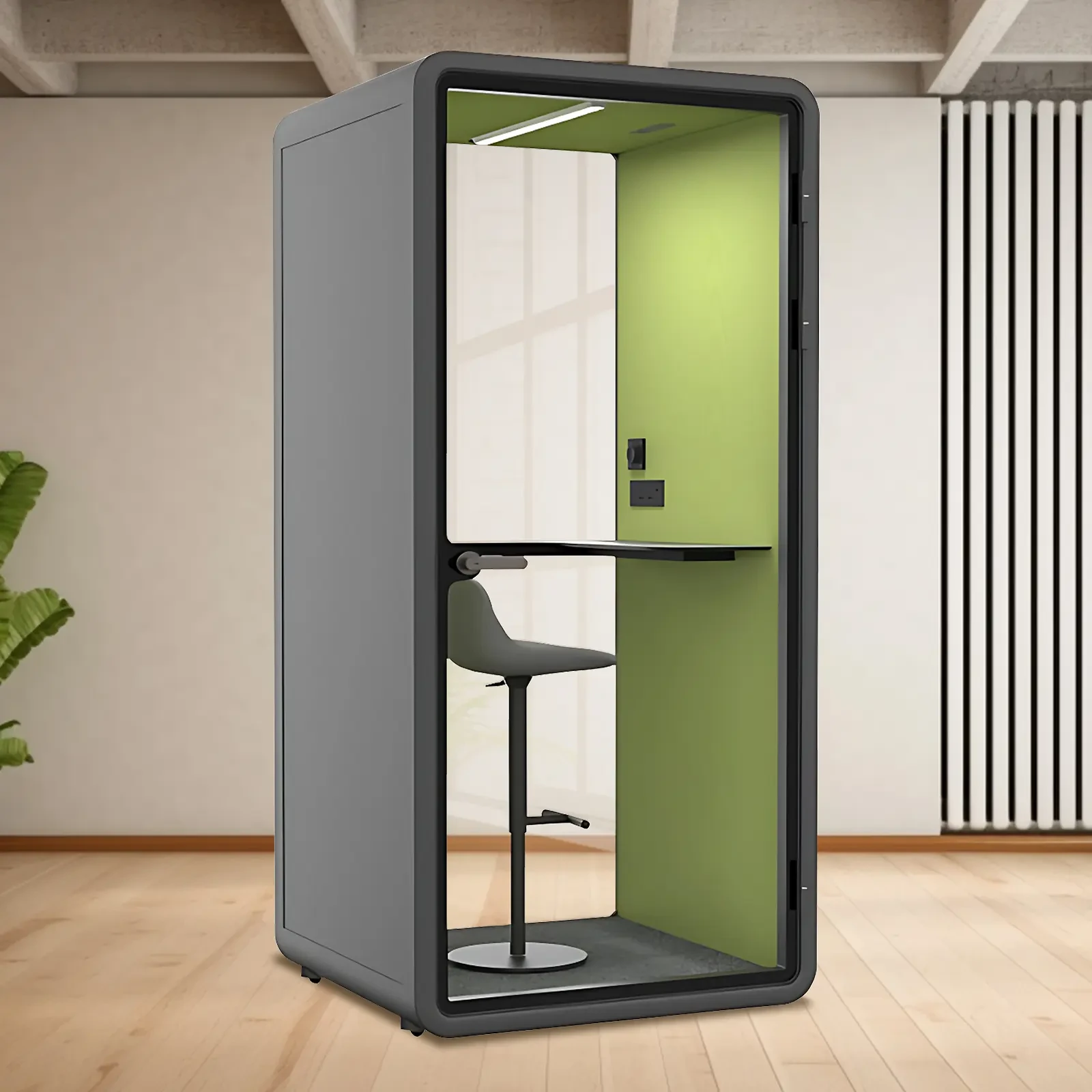
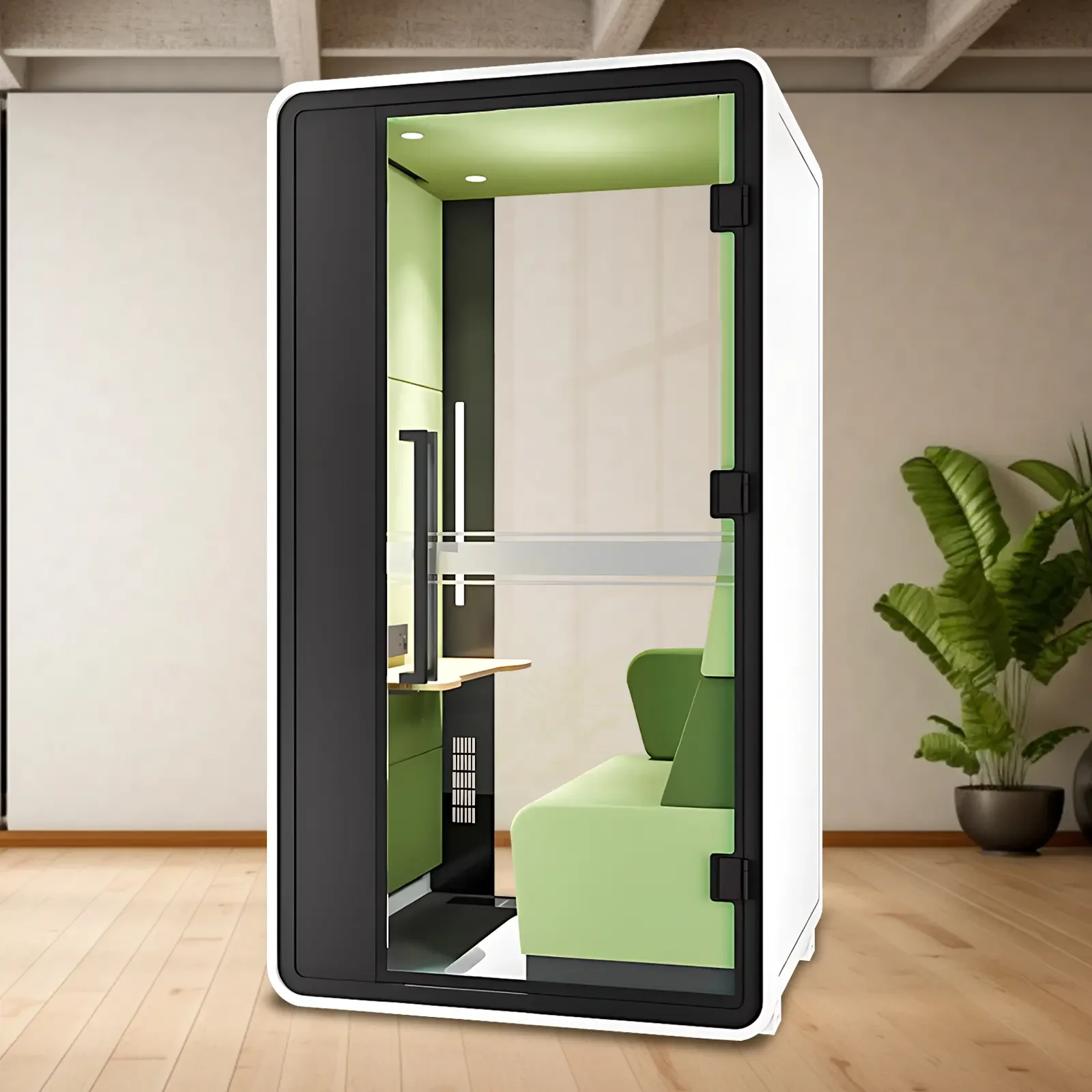
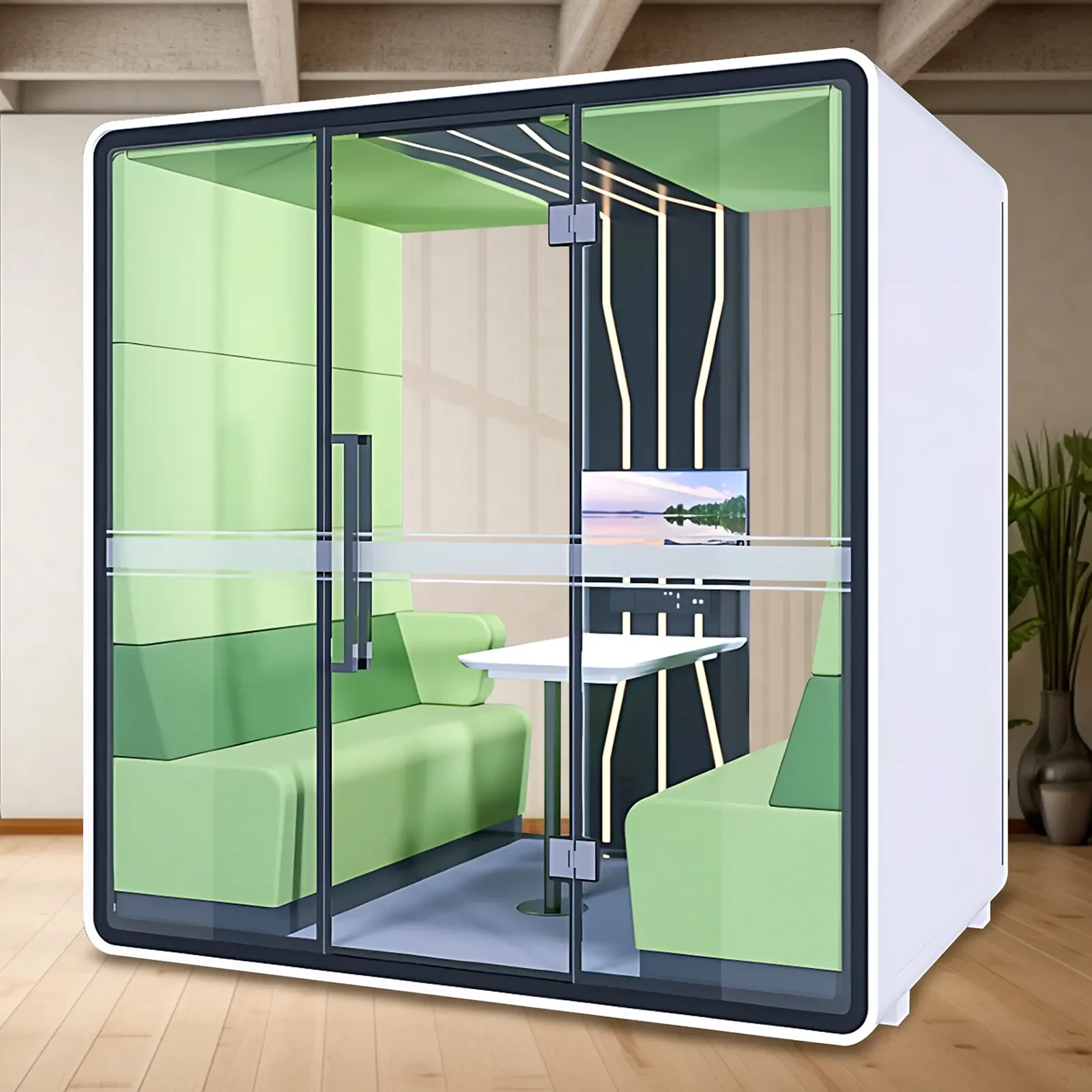
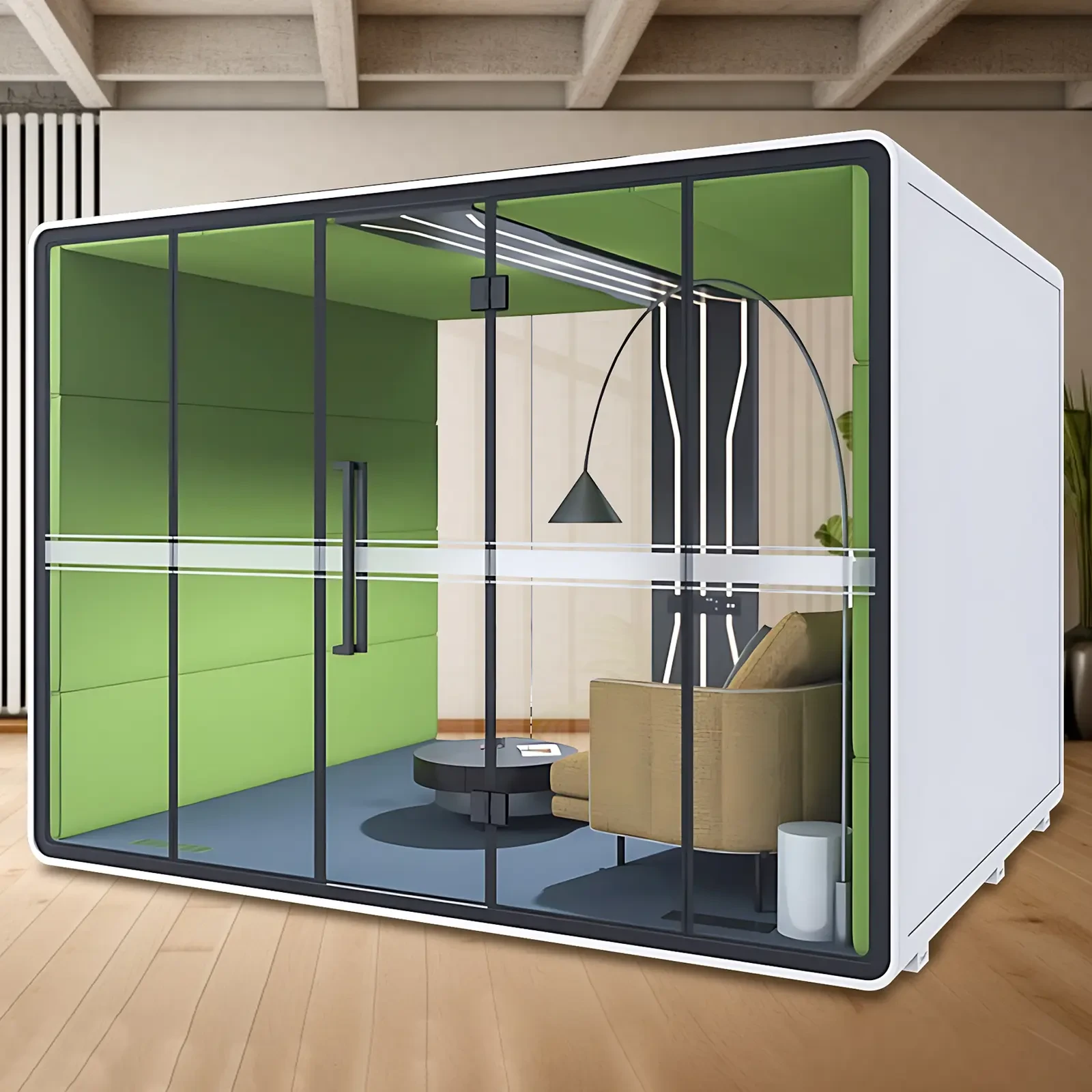
Does soundproofing necessarily mean sacrificing some living space? Let's explore how to balance soundproofing effectiveness with living space.
When discussing the question of whether soundproofing requires sacrificing some living space, we must first clarify that balancing sound insulation with living space is a crucial and delicate issue in modern living environments. With accelerating urbanization and increasingly severe noise pollution, high-quality sound insulation has become a key factor for many people pursuing a high-quality life. However, this does not mean we must sacrifice precious living space. Below, we will explore from multiple perspectives how to achieve ideal sound insulation without sacrificing too much living space.
The Importance of Sound Insulation and Living Space
Sound insulation, as an important means of improving the comfort of the living environment, is directly related to the mental health and quality of life of residents. Living space, as a place for daily life, rest, and relaxation, directly affects the convenience and happiness of life. Therefore, finding the optimal balance between sound insulation and living space has become an important issue in modern architectural design and home renovation.
Innovation and application of sound insulation technology
1. Research and development of high-efficiency sound insulation materials:
With advancements in technology, numerous high-efficiency sound insulation materials have emerged on the market, such as sound insulation felt, sound insulation foam, and multi-layer composite sound insulation panels. These materials not only possess excellent sound insulation performance but are also lightweight, thin, and easy to install, significantly improving sound insulation without taking up excessive space. Through scientific and reasonable layout and installation, these materials can effectively block external noise, creating a quiet indoor environment for residents.
2. Structural design optimization:
In the initial stages of building design, a well-planned structural layout and sound insulation design can reduce noise transmission at its source. For example, using double or multi-pane windows, increasing wall thickness, and installing soundproof walls can significantly improve overall sound insulation performance without affecting living space. Furthermore, a reasonable room layout can effectively reduce mutual interference between internal noise sources, improving living comfort.
3. Multifunctional space design:
In limited living spaces, clever design to achieve multi-functional space utilization is an effective way to balance sound insulation and living space. For example, combining a study and bedroom with a folding bed and hidden bookshelves satisfies sound insulation needs while saving space. At the same time, flexible partitions allow the space to be separated when needed to meet the needs of different living scenarios.
4. Introduction of intelligent home systems:
Smart home systems not only enhance the convenience of life but also play a vital role in sound insulation. Through devices such as smart curtains, soundproof curtains, and sound control systems, indoor lighting and sound environments can be adjusted according to actual needs, further reducing external noise interference. These systems also do not occupy additional living space.
Adjusting lifestyle habits and mindset
1. Cultivate good living habits:
In daily life, reducing noise is an important part of improving the quality of your living environment. For example, avoid loud talking or using subwoofers during rest periods. Additionally, adjusting your mindset through music, meditation, or other methods can increase your tolerance for external noise and alleviate discomfort to some extent.
2. Foster harmonious neighborly relations:
Good neighborly relations are also an important factor in reducing noise pollution. Through friendly communication, mutual understanding, and adherence to shared living rules with neighbors, unnecessary noise can be reduced, creating a peaceful and harmonious living environment together.
in conclusion
In conclusion, a balance between sound insulation and living space is not mutually exclusive. By adopting advanced sound insulation technologies, optimizing spatial layout, introducing intelligent home systems, and cultivating good living habits and mindsets, we can achieve ideal sound insulation results without sacrificing excessive living space. This is not only a necessary means to improve the quality of life but also an important path to building a harmonious society and promoting human health. In future architectural design and home renovation, we should continue to explore more efficient, environmentally friendly, and human-centered sound insulation solutions to create a quieter and more comfortable living space for residents.
X-comfot, your gateway to an efficient life. We are committed to becoming your most trusted brand of soundproof pod.
E-mail: support@x-comfot.com