
 USD
USD  GBP
GBP
 EUR
EUR

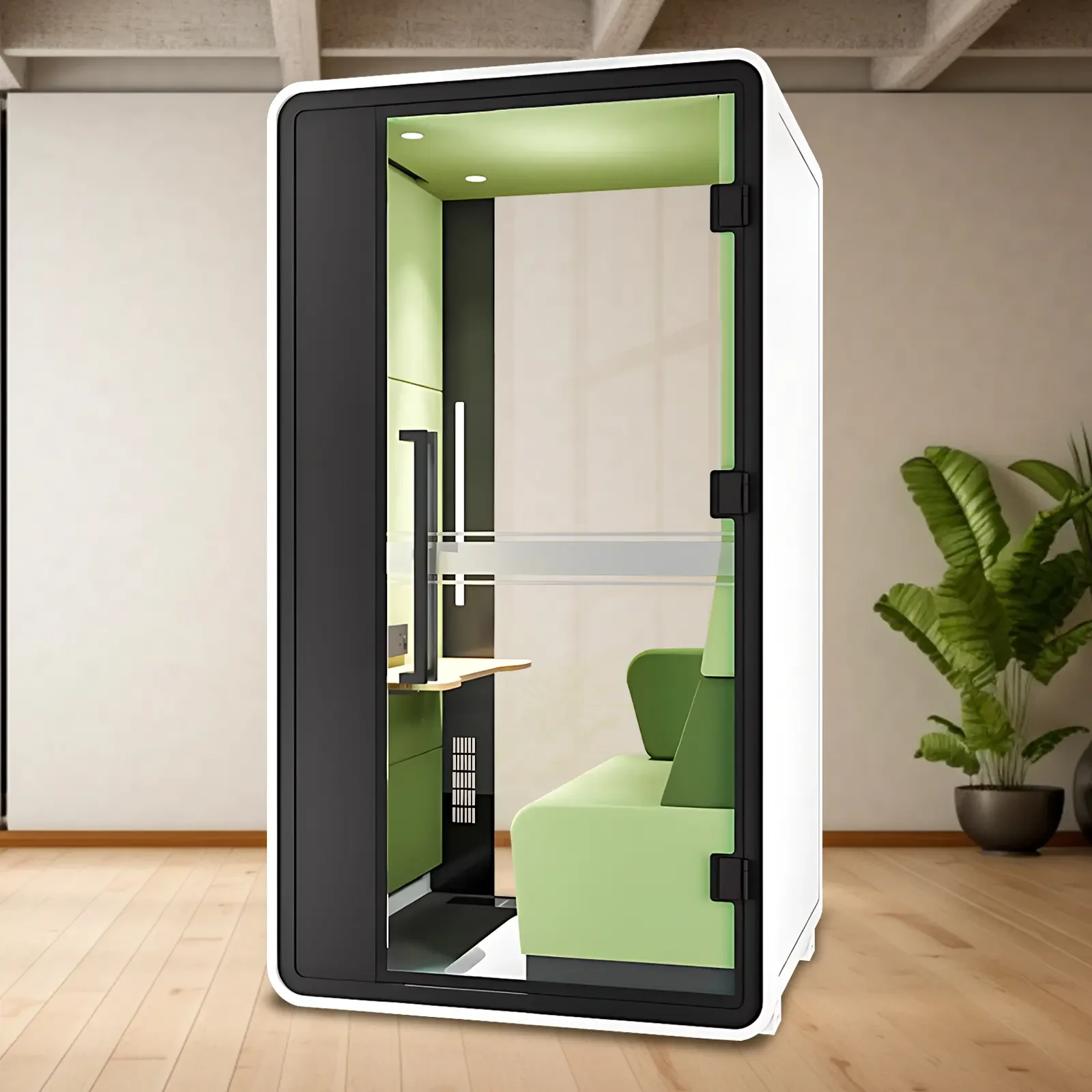


The actual effect of sound insulation felt and sound insulation cotton
Noise pollution has become a widespread problem in modern urban life, especially in the bedroom, a private space, making the creation of a quiet and comfortable environment particularly important. Consequently, many people are paying attention to the soundproofing of their bedrooms. Today, we'll share some successful examples of bedroom soundproofing, as well as the practical effects of using soundproofing felt and cotton, to help you make a more informed decision when choosing a solution.
1. Sources and impacts of noise
Before discussing bedroom soundproofing, we first need to identify the sources of noise. Noise can come not only from outdoor traffic, neighborhood activities, and shops, but also from indoor noise, such as the operation of household appliances. Research shows that prolonged exposure to high-noise environments can lead to insomnia, anxiety, and even negatively impact physical health. Therefore, addressing noise pollution is particularly important.
2. Introduction to sound insulation felt and sound insulation cotton
Soundproofing felt and soundproofing cotton are two common soundproofing materials used in homes. Soundproofing felt is typically made of high-density materials, effectively reducing sound transmitted through the air. Soundproofing cotton, on the other hand, is a material whose structure absorbs sound waves, helping to reduce sound wave reflection and further reduce noise. Their respective properties mean that using them together can achieve twice the result with half the effort.
3. Success Story Sharing
Case 1: Soundproofing of bedrooms in city apartments
Xiao Li lives in an apartment in a bustling downtown area. Her bedroom is close to a busy street, and the noise from car horns and crowds at night makes it difficult for her to sleep soundly. To solve this problem, Xiao Li chose to use soundproofing felt on the walls and windows of her bedroom, and lay soundproofing cotton on the ceiling and floor. After the work was done, Xiao Li was pleasantly surprised to find that the outside noise was significantly reduced, she could fall asleep easily, and her quality of life improved dramatically.
Construction details:
- Uses high-efficiency sound insulation felt, approximately 5cm thick, which forms a good seal after being applied to the wall.
- The windows were fitted with double glazing and sound insulation felt, which further improved the sound insulation of the windows.
- Sound insulation cotton was laid on the floor to reduce the transmission of sound to neighbors.
Case 2: Soundproofing the entertainment room in a detached villa
Mr. Zhang owns a detached villa and planned to build an entertainment room for watching movies and singing karaoke. However, the noise from the entertainment room might disturb his family living on the second floor. Therefore, he decided to renovate the bedroom's soundproofing. Mr. Zhang used a combination of soundproofing felt and soundproofing cotton, and with the assistance of a professional construction team, the results were remarkable. The noise from the entertainment room no longer bothers his family, and everyone is very satisfied.
Construction details:
- The combined use of sound insulation felt and sound insulation cotton forms a complete acoustic barrier.
- Special soundproofing materials were used on the walls and doorways to ensure that sound does not seep out through the gaps in the doors.
The ceiling was also specially treated with the addition of soundproofing strips, which further enhanced the overall sound insulation effect.
4. How to choose sound insulation materials
When choosing sound insulation materials, it is recommended to pay attention to the following aspects:
- Material properties: Different brands and types of sound insulation felt and cotton have different sound insulation effects. It is recommended to choose high-quality materials that have been tested.
- Thickness and density: Generally, the higher the thickness and density, the better the sound insulation. Ensure that the product you choose meets your expected sound insulation standards.
- Construction professionalism: It is best to choose an experienced professional team for construction to ensure that the materials can achieve the best results.
5. Evaluation of sound insulation effect
After construction is complete, we need to evaluate the sound insulation effect. This can be tested at night or when the noise source is active, observing your comfort level indoors. If significant noise interference persists, it may be necessary to consider further strengthening sound insulation measures or supplementing the sound insulation material.
6. In addition to sound insulation, comfort is equally important.
While soundproofing is crucial for a bedroom environment, comfort is equally important. Overly thick soundproofing materials can negatively impact natural light and ventilation. Therefore, when designing soundproofing, a balance between sound insulation, comfort, and aesthetics should be considered. It's advisable to consult a professional interior designer for advice to achieve the best possible results.
7. Continuous monitoring and maintenance
The durability of sound insulation is also crucial. Over time, soundproofing materials may gradually lose their effectiveness due to moisture, damage, and other issues. Therefore, regular inspection and maintenance are necessary. Every so often, the soundproofing materials can be evaluated and replaced as needed to ensure a quiet and comfortable bedroom environment.
Summarize
Bedroom soundproofing is an important way to improve quality of life, and the combination of soundproofing felt and cotton provides a practical solution. Through successful case studies, we've found that choosing the right materials and finding the right professional team can effectively reduce noise disturbances, allowing us to have a quiet and comfortable resting space in the bustling city. Why not try soundproofing your bedroom according to your specific needs? We believe you'll be pleasantly surprised by the results.
You May Also Like
X-comfot, your gateway to an efficient life. We are committed to becoming your most trusted brand of soundproof pod.
E-mail: support@x-comfot.com