
 USD
USD  GBP
GBP
 EUR
EUR
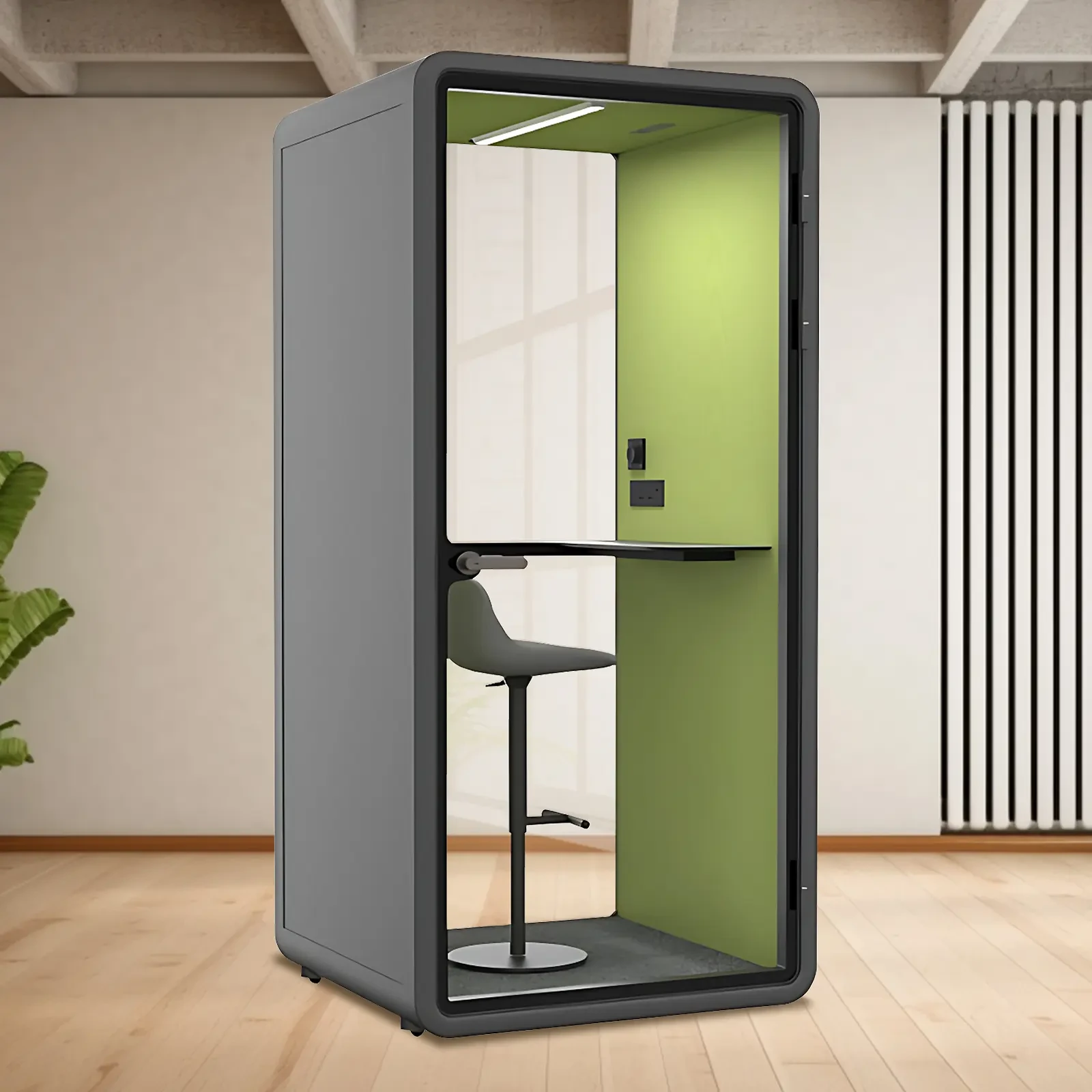


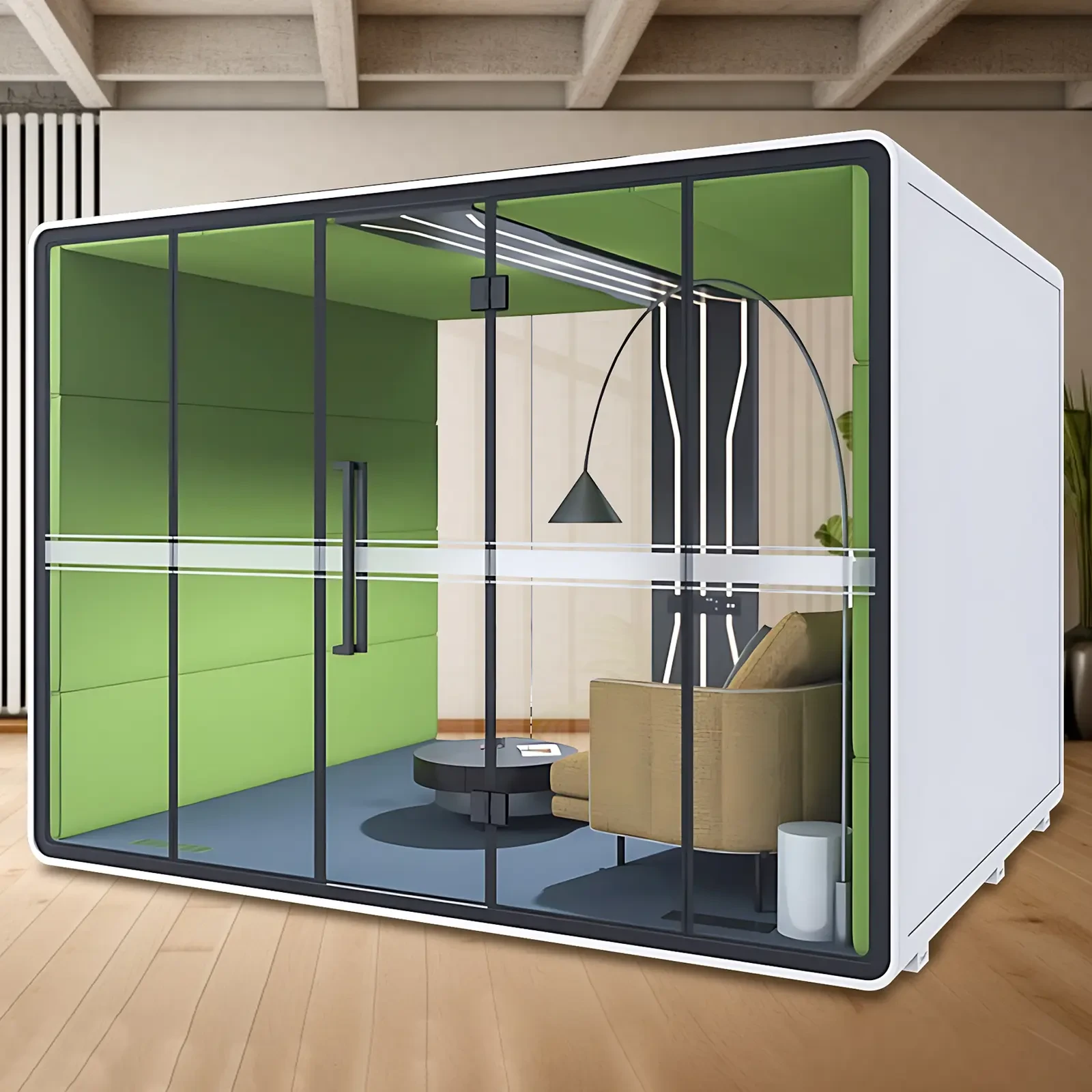
Soundproofing panel installation specifications: a complete guide to creating a quiet space.
In modern architectural design, sound insulation is not only a comfort requirement but also an important standard for environmental protection and quality of life. Choosing suitable sound insulation materials and ensuring proper construction can significantly improve the sound insulation of a room, especially important for people living in cities who are often troubled by external noise. This article will delve into the engineering construction specifications for sound insulation panels, providing you with a detailed construction guide.
What are sound insulation panels?
Sound insulation panels, as the name suggests, are building materials used to reduce the propagation of sound. These panels are typically made of various materials, such as mineral wool, polyester fiber, and polyurethane, and possess excellent acoustic properties. The main purpose of sound insulation panels is to improve the acoustic environment within buildings and reduce noise interference by absorbing sound waves and blocking their propagation.
Sound insulation panel classification
Sound insulation panels can be mainly divided into the following categories according to their materials and functions:
1. Sound-absorbing panels: These panels are mainly used to absorb sound waves and reduce environmental noise. Their structure is usually porous, which can effectively reduce the reflection of sound waves.
2. Sound insulation board: The main function of this material is to block the propagation of sound waves. It is usually thick and dense, which can effectively prevent sound from propagating through walls, floors or ceilings.
3. Composite board: Combining sound-absorbing and sound-insulating materials, it combines the advantages of both and is suitable for environments requiring extremely high sound insulation.
Sound insulation panel construction specifications
1. Material Selection
Choosing the right sound insulation material is crucial. When purchasing sound insulation panels, the following points should be considered:
- Density: The higher the density, the better the sound insulation effect.
- Thickness: Generally speaking, the thicker the board, the greater the acoustic impedance and the better the sound insulation effect.
- Durability: Select materials with excellent moisture resistance and fire resistance to ensure long-term use without being affected.
2. Pre-construction preparations
Before construction, the following preparatory work needs to be carried out:
- On-site inspection: Conduct a comprehensive assessment of the construction site environment to identify factors that may affect the sound insulation effect, such as windows, door gaps, pipes, etc.
- Drawing review: Confirm that the specifications of the sound insulation panels, construction locations, and other information marked in the design drawings meet the design requirements.
- Tool preparation: Prepare the necessary construction tools, such as electric saw, glue gun, measuring tools, level, etc.
3. Construction Process
A. Basic Processing
Before application, the walls, floors, or ceilings should be properly prepared to ensure they are smooth and dry. Sand down any imperfections and remove dust and grease to facilitate adhesion.
B. Measurement and Cutting
Accurately measure the dimensions of the sound insulation panels according to design requirements, and cut them into the desired shape using an electric or hand saw. Wear safety equipment while cutting to ensure smooth cut edges and avoid gaps during installation.
C. Adhesive and fixing
When installing soundproofing panels, use a specialized elastic adhesive or glue to secure them in the designated positions. During installation, ensure that the gaps between each panel are as small as possible to prevent sound waves from propagating through them.
D. Edge processing
After the soundproofing panels are installed, their edges need to be treated to avoid affecting the aesthetics and overall effect. Special edge strips or sealing materials can be used to completely seal the edges.
4. Post-construction inspection
After the sound insulation panels are installed, several checks need to be performed to ensure that the sound insulation effect meets the expected standards:
- Acoustic testing: Using professional acoustic testing instruments, we measure the sound propagation after construction to confirm whether the sound insulation effect meets the standards.
- Inspect gaps: Carefully check the gaps between the sound insulation panels to ensure there are no visible gaps, and address any gaps promptly.
- Observe the fixation status: Confirm that all sound insulation panels are firmly fixed and there is no looseness.
Precautions
The following points should be noted during construction:
1. Cleaning operations: Keep the construction site clean and regularly clean up debris generated during construction to avoid interfering with the construction.
2. Temperature and humidity control: The temperature and humidity of the construction environment should be suitable to avoid affecting the curing effect of the adhesive.
3. Safety Protection: Construction workers must wear appropriate safety protective equipment to prevent accidental injuries.
Conclusion
Installing soundproofing panels is not a simple task, but rather a project requiring professional skills and precise execution. Understanding and following soundproofing panel installation specifications can effectively improve the sound insulation of a space, creating a quiet and comfortable environment for residents. We hope this comprehensive soundproofing panel installation specification will be helpful for your project, achieving the desired sound insulation results.
You May Also Like
X-comfot, your gateway to an efficient life. We are committed to becoming your most trusted brand of soundproof pod.
E-mail: support@x-comfot.com