
 USD
USD  GBP
GBP
 EUR
EUR
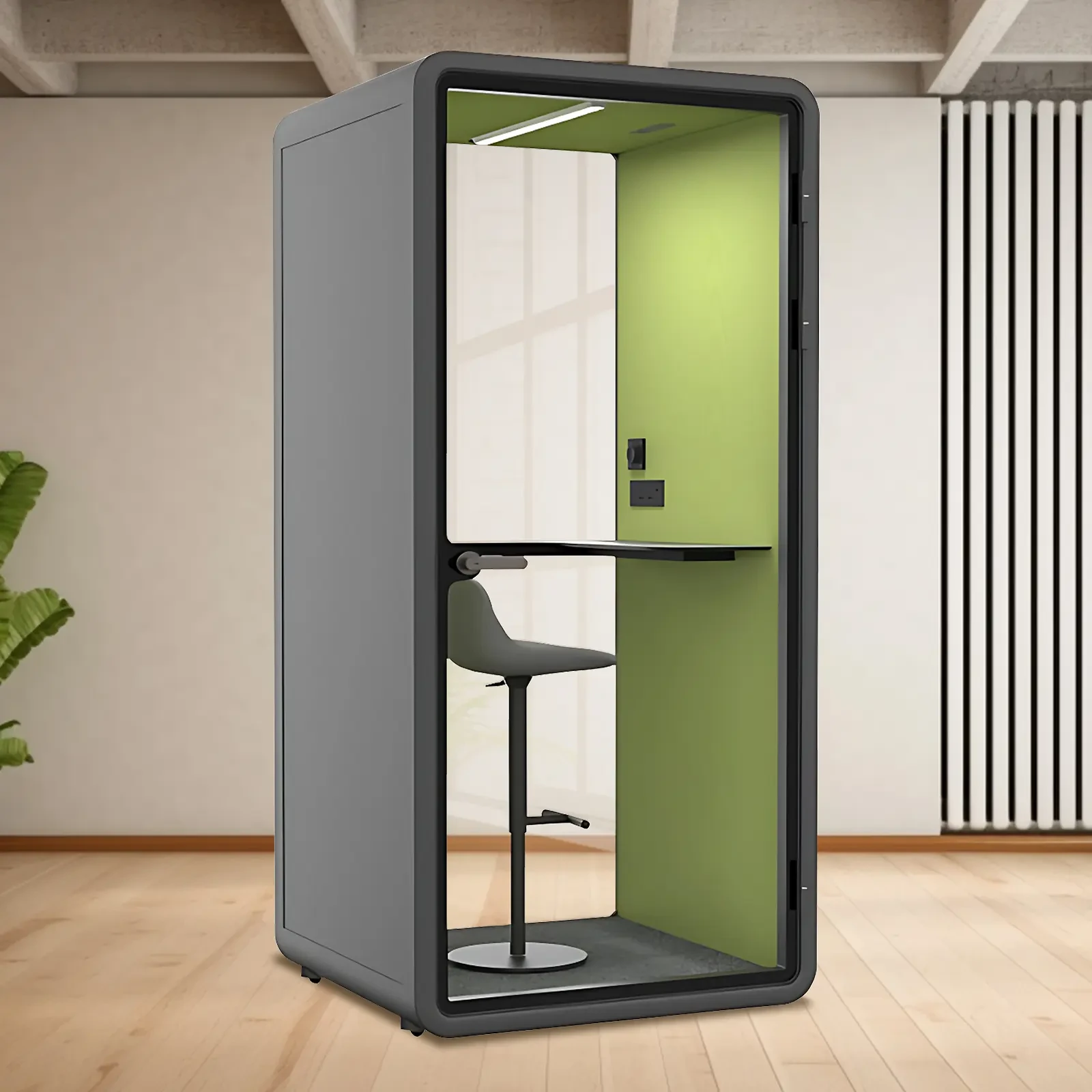
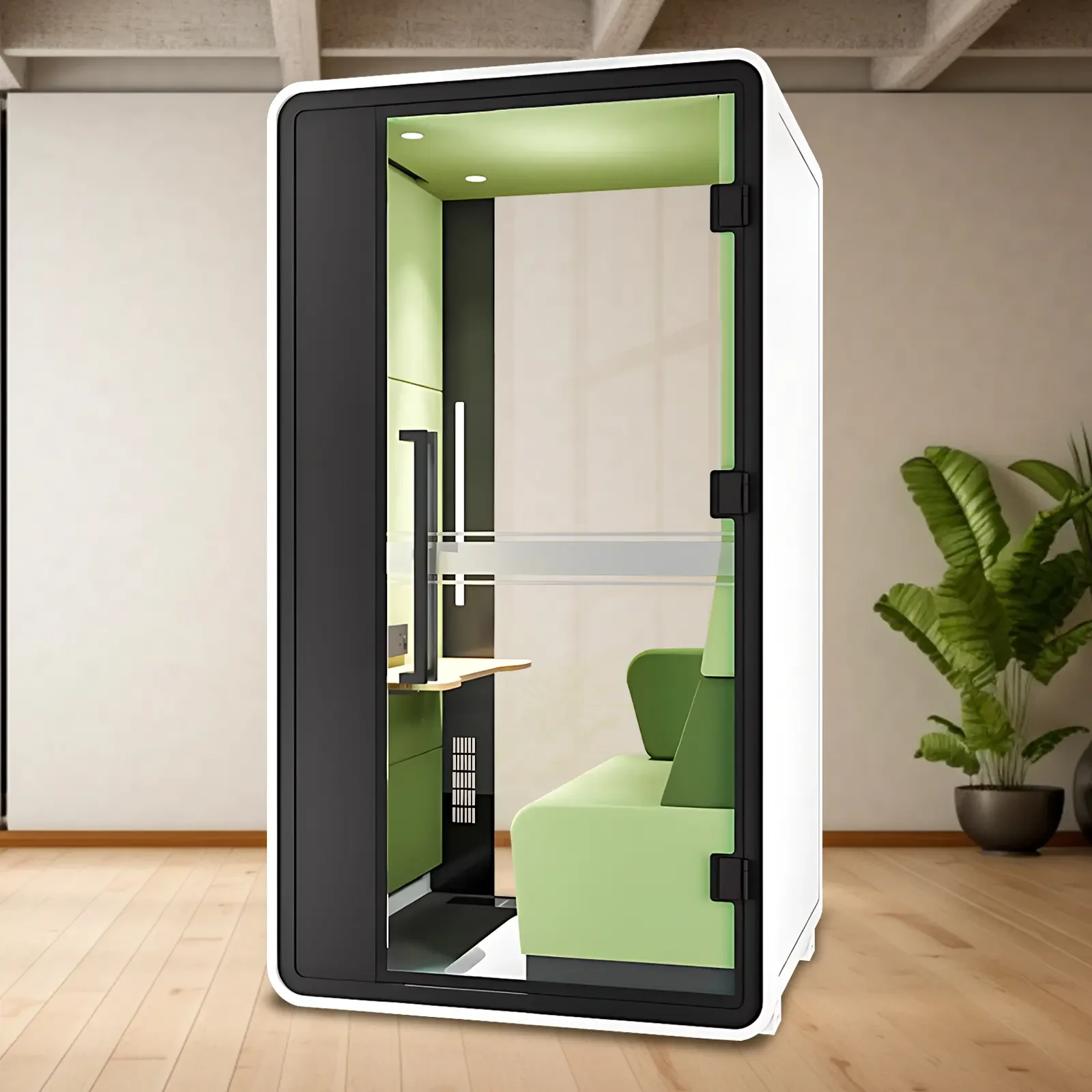
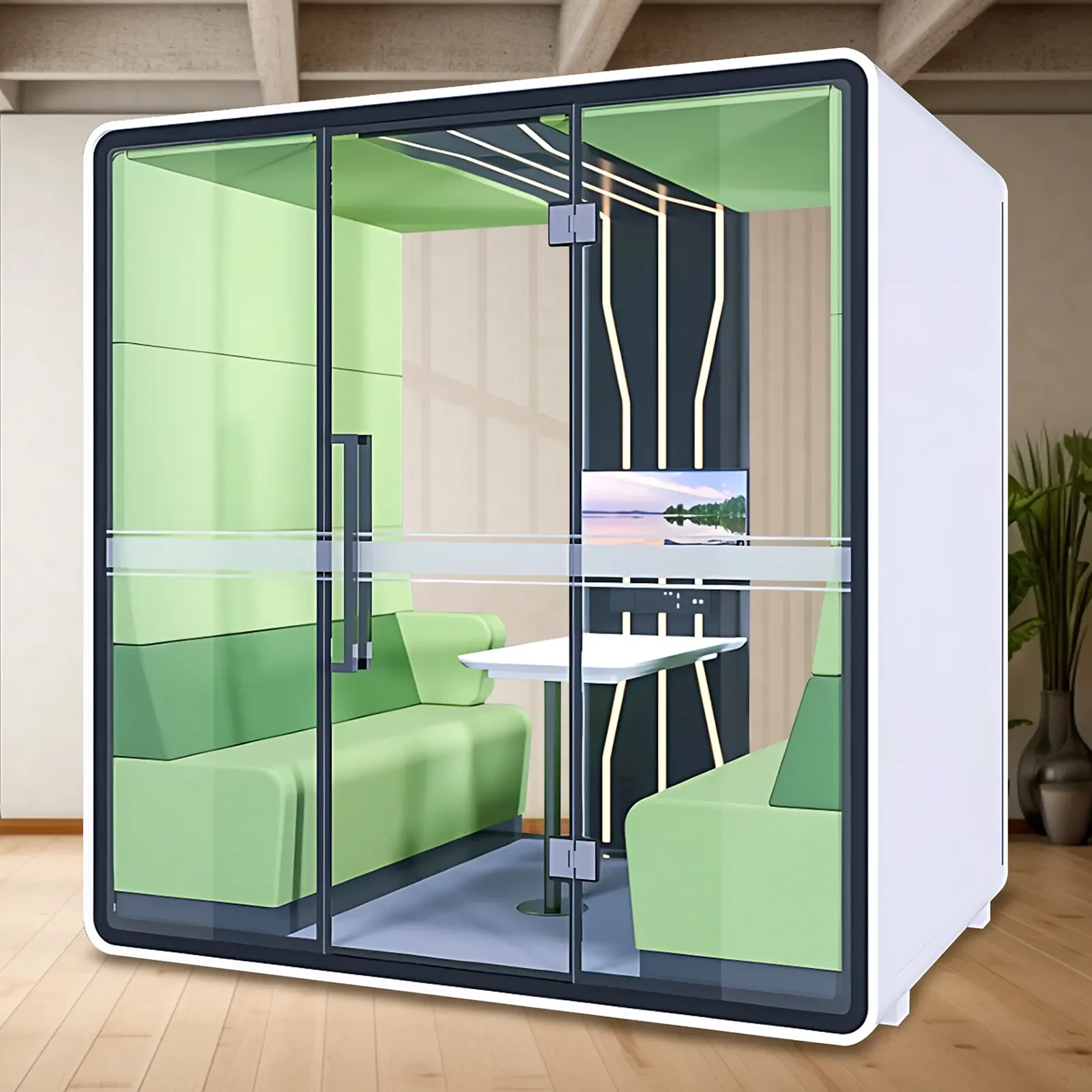
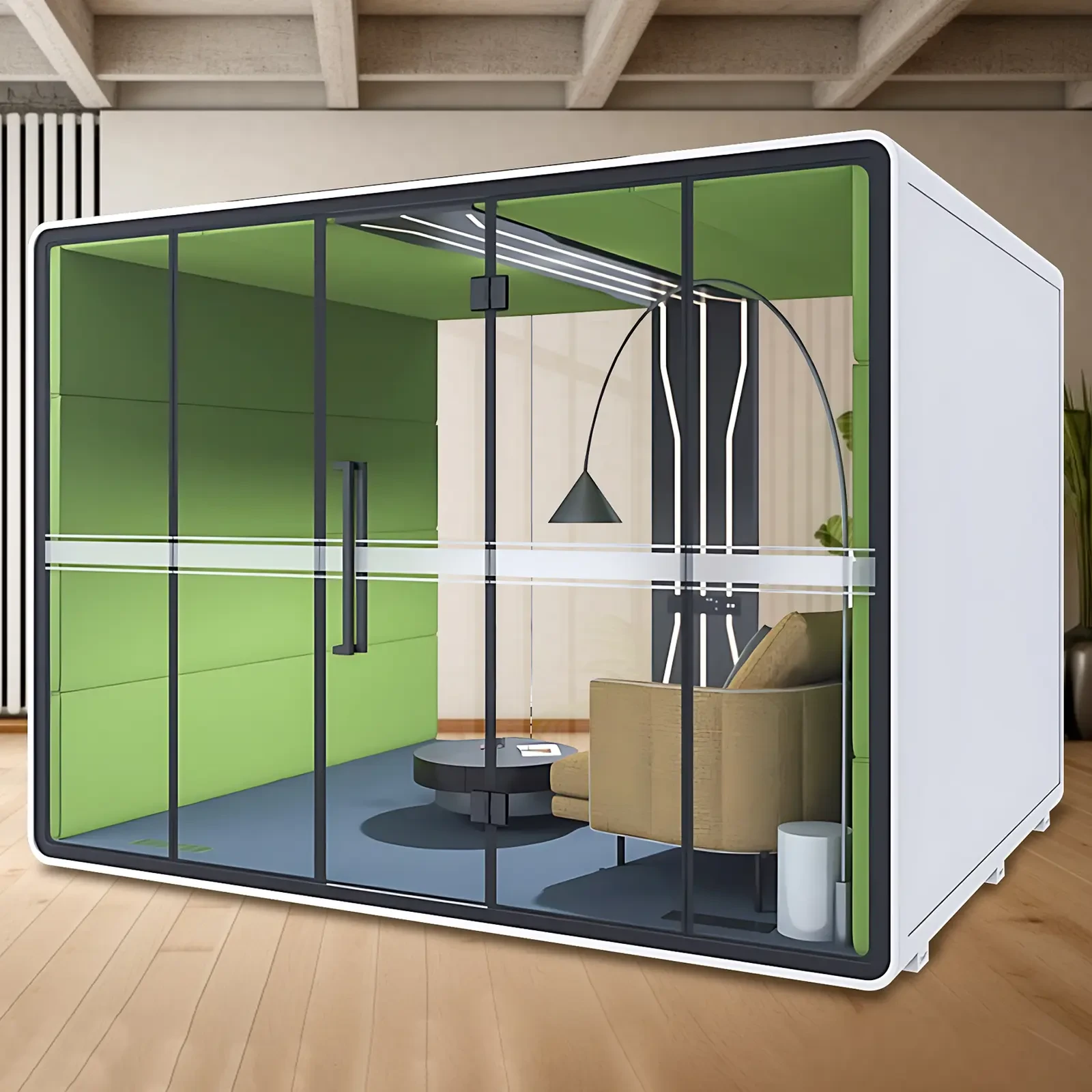
How to soundproof a new house? Here's a super practical guide!
In modern city life, noise pollution is increasingly impacting our quality of life. Whether it's traffic noise from the street, neighbors' noise, or echoes inside the house, all can negatively affect our physical health and mood. For families who have just moved into a new home, soundproofing is especially important. Below, we'll discuss practical soundproofing methods to help you create a quiet and comfortable home.
I. Basic Principles of Sound Insulation
Soundproofing, simply put, is about blocking the transmission of sound and reducing the amount of noise entering the room. This is mainly achieved through these methods:
1. Sound absorption: Using sound-absorbing materials to absorb the energy of sound waves, reducing echoes and noise reflections.
2. Insulation: Increase the density and thickness of the material to block the transmission of sound.
3. Vibration damping: Reducing the vibration of an object will decrease the generation and propagation of noise.
II. Selection of Sound Insulation Materials
Choosing the right soundproofing materials is crucial for effective sound insulation. Common soundproofing materials include:
1. Sound insulation cotton: Commonly used sound-absorbing materials, such as glass wool, rock wool, and polyester fiber cotton, have good sound absorption effects.
2. Sound insulation board: It is usually made of multiple layers of composite materials, such as gypsum board and fiber cement board, which can effectively block noise.
3. Sound insulation felt: It is soft and often used to soundproof walls, floors and ceilings.
4. Soundproof windows: The sound insulation of windows is improved by thickening the glass, using multiple layers of glass, and sealing strips.
III. Specific Sound Insulation Measures
1. Wall sound insulation: Walls are an important channel for noise transmission, so sound insulation is crucial.
- Double wall: Add another layer of soundproof wall to the original wall, and fill the middle with soundproof cotton or soundproof felt to greatly improve the soundproofing effect.
- Soundproofing panels: Plasterboard or fiber cement board is laid on the wall to block noise.
- Sound-absorbing materials: Apply sound-absorbing cotton and sound-absorbing panels to the walls to reduce noise reflection and transmission.
- Sealing: Check for gaps and holes in the walls and seal them with soundproofing tape or sealing strips to prevent noise from getting in.
2. Floor sound insulation: Properly treating the floor can reduce noise from upstairs and downstairs.
- Carpet: Laying a thick carpet can absorb footsteps and other noises.
- Sound insulation pads: Rubber pads or foam pads are laid under the floor to reduce vibration and noise transmission.
- Sound insulation materials: Lay sound insulation felt and sound insulation boards under the floor to isolate noise.
3. Ceiling sound insulation: If there are residents upstairs, ceiling sound insulation is very important.
- Ceiling soundproofing: Install a suspended ceiling and place soundproofing cotton or felt between the suspended ceiling and the original ceiling to block noise.
- Sound-absorbing panels: Apply sound-absorbing panels to the ceiling surface to reduce noise reflection.
- Sealing: Inspect the joints between the ceiling and walls and seal them with soundproofing tape or sealing strips to prevent noise from leaking in.
4. Soundproofing doors and windows: Doors and windows are the main channels for noise to enter the house, so they need to be properly treated.
- Soundproof windows: Installing soundproof windows is the most effective way to reduce external noise. Multi-layered glass and sealing strips can significantly reduce external noise.
- Curtains: Thick curtains can help with sound insulation. Choose fabrics with good sound absorption, such as velvet or linen.
- Sealing strips: Check the gaps in doors and windows and seal them with soundproof sealing strips.
- Door soundproofing: Choose heavy solid wood doors or soundproof doors, and seal the door with soundproof sealing strips around the perimeter.
IV. Sound insulation effect of furniture and decorations
1. Bookshelf: Placing a bookshelf in front of the wall can provide storage and sound insulation, as the books and the bookshelf itself can absorb sound.
2. Fabric decorations: Placing more curtains, carpets, sofas and other fabric items can absorb some noise and reduce echoes.
3. Soundproof screens: Soundproof screens are used to divide space. They have a multi-layered structure and good sound insulation performance.
V. Other Soundproofing Techniques
1. Noise source management: Keep important areas such as bedrooms and studies as far away from noise sources as possible. If this is not possible, improve sound insulation near the noise source.
2. White noise equipment: White noise machines, fans, etc., can cover up some noise and make the environment quieter.
3. Plants for sound insulation: Placing some large plants indoors can absorb some noise.
VI. Sound Insulation and Health
Noise pollution not only affects quality of life but can also harm your health. Prolonged exposure to noisy environments can lead to cardiovascular disease, sleep problems, and hearing loss. Therefore, proper soundproofing and a quiet environment are crucial for health. When moving into a new home, good soundproofing can significantly improve your quality of life. Choosing the right soundproofing materials and methods can effectively reduce noise and create a quiet and comfortable home.
You May Also Like
X-comfot, your gateway to an efficient life. We are committed to becoming your most trusted brand of soundproof pod.
E-mail: support@x-comfot.com