
 USD
USD  GBP
GBP
 EUR
EUR
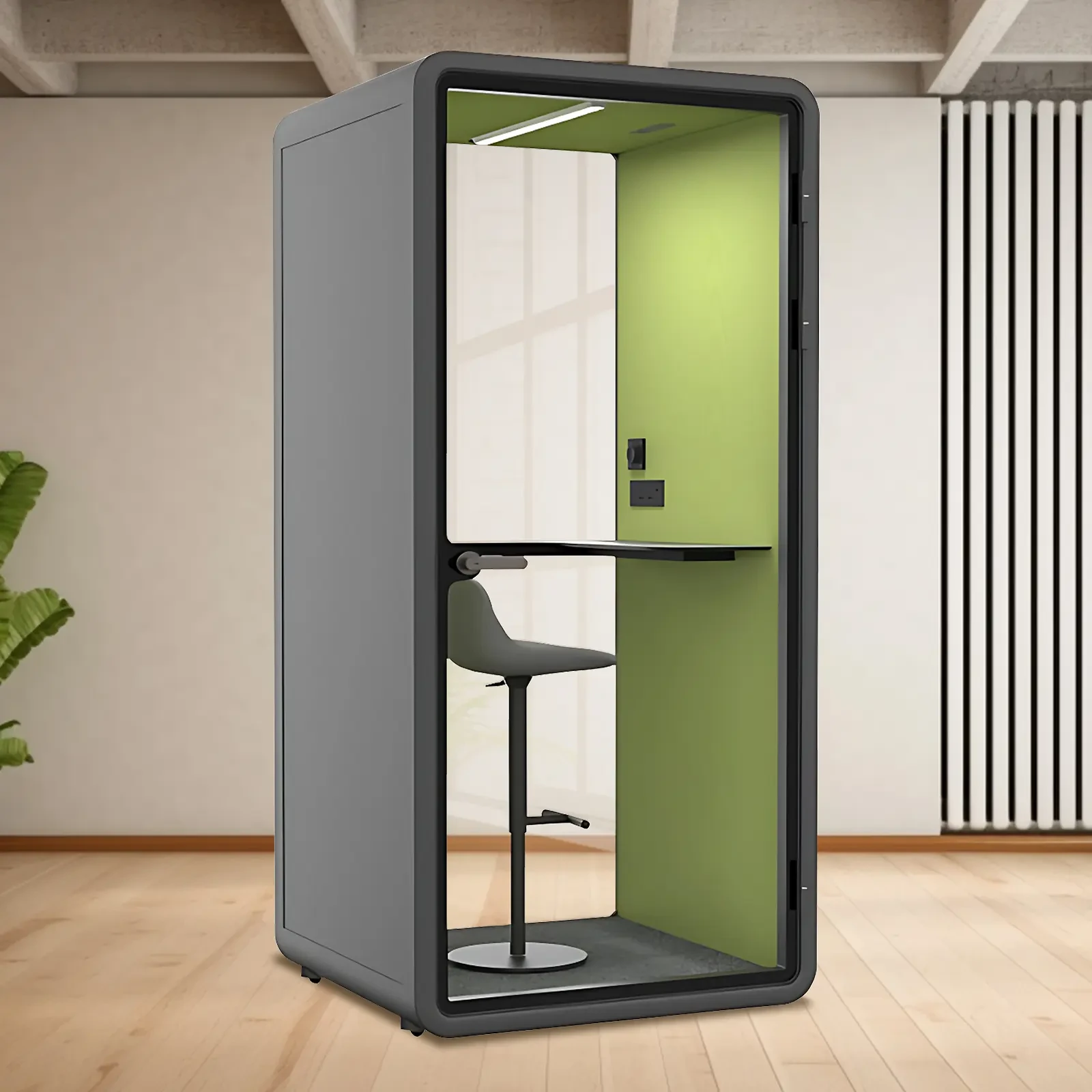
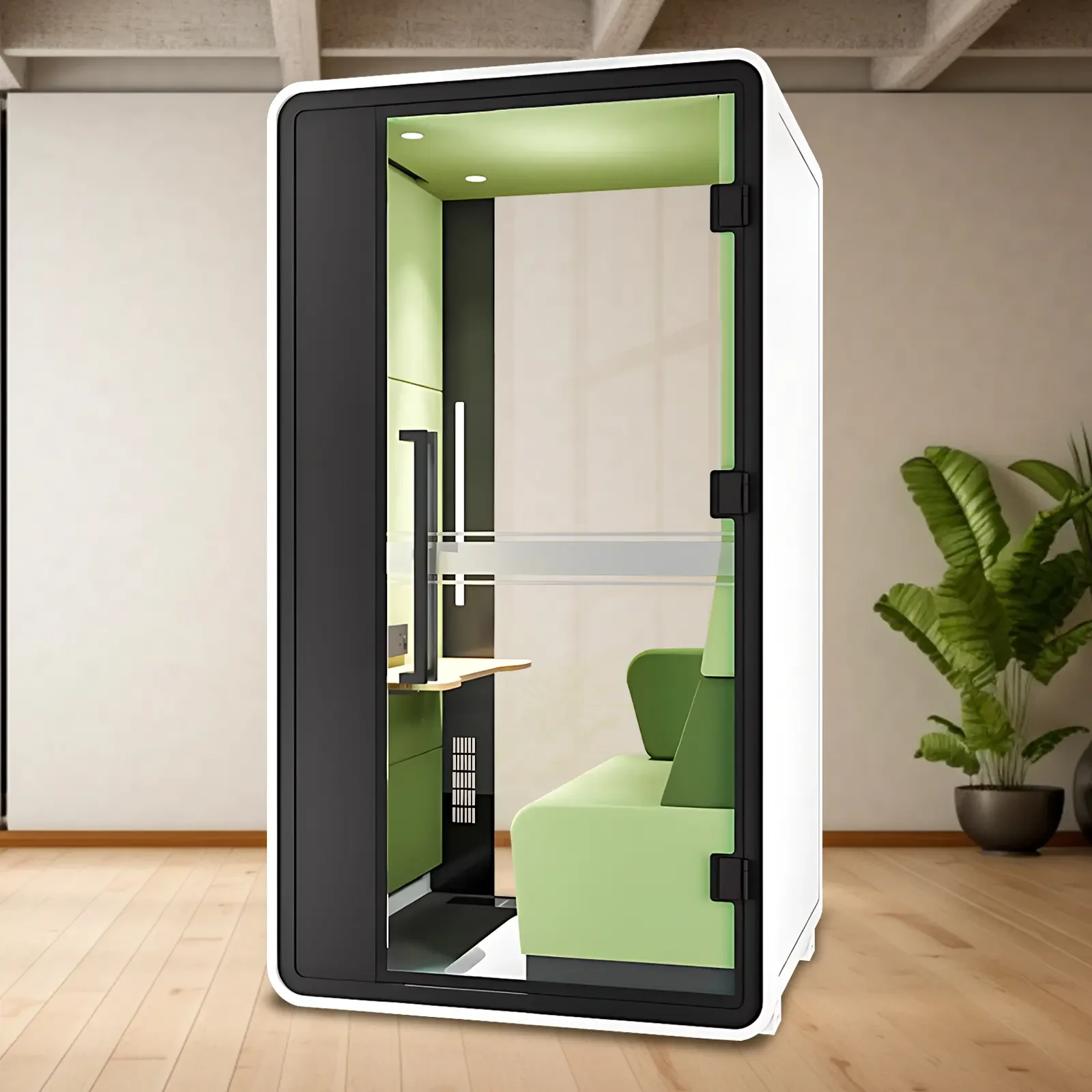
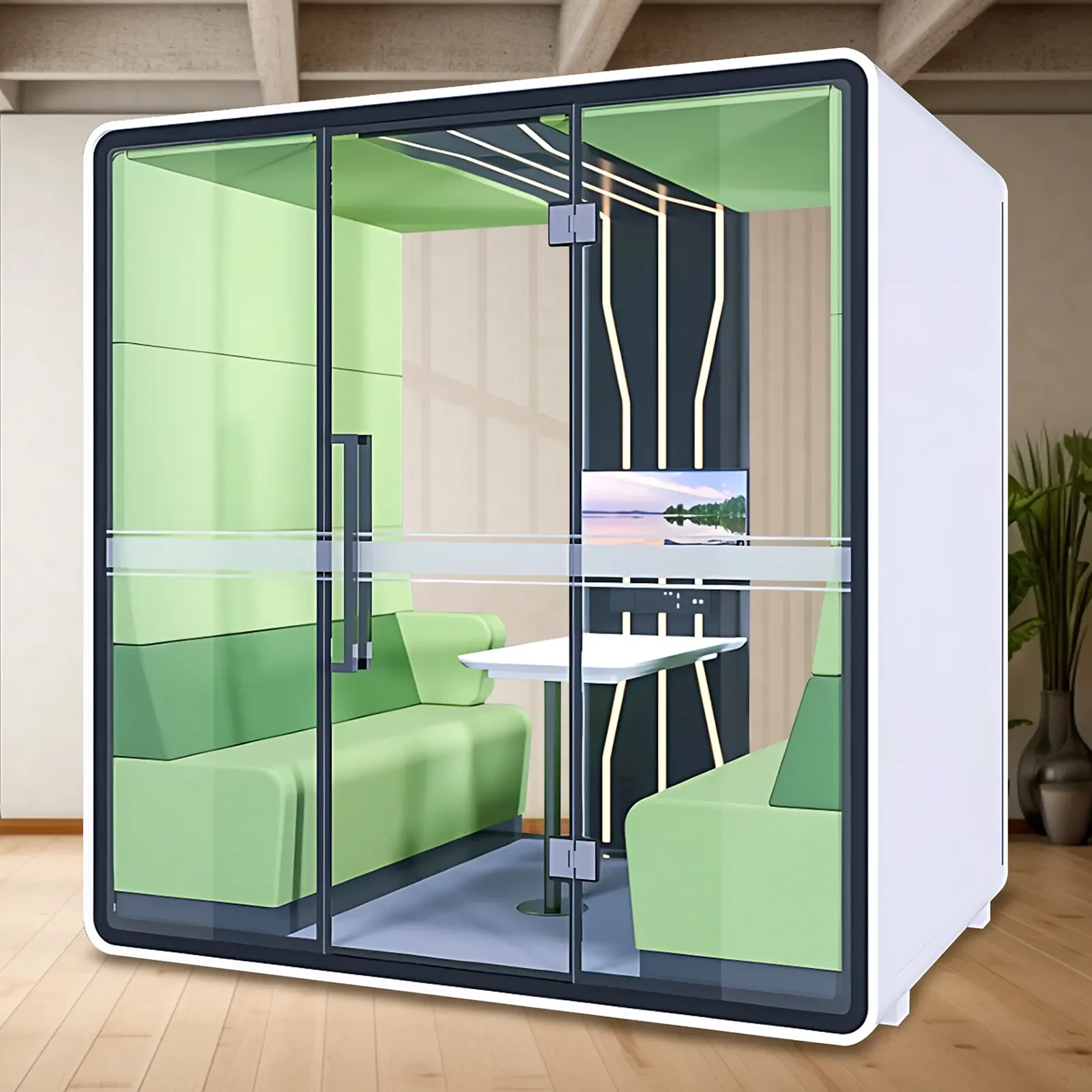
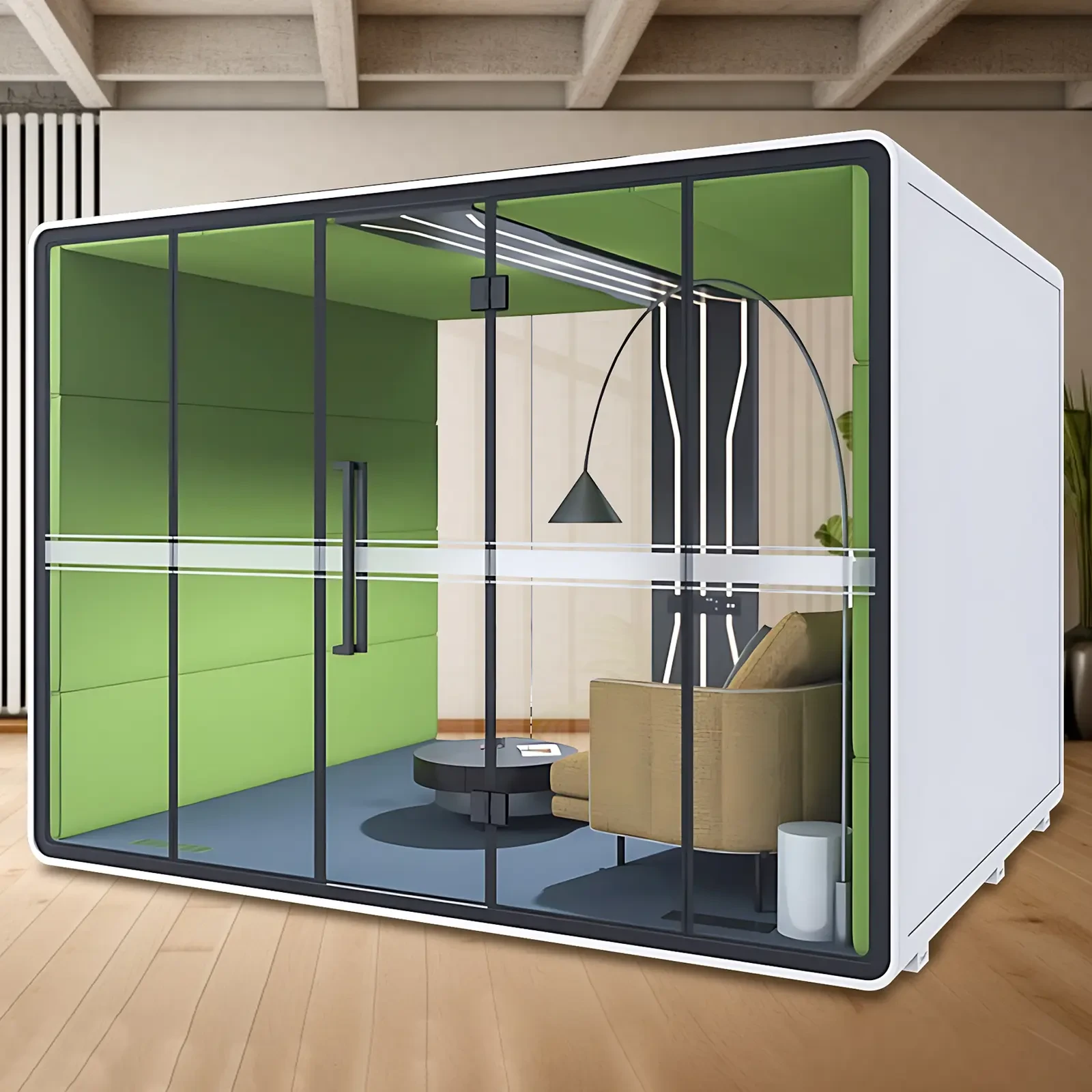
How can we effectively soundproof industrial areas and create a quiet environment?
With the acceleration of urbanization, the construction of industrial zones is frequent, bringing not only economic growth but also a common and troubling problem-noise. Due to their unique production nature, industrial zones are often accompanied by mechanical noise, traffic noise, and human chatter, significantly impacting the lives of surrounding residents. Therefore, effective sound insulation has become an urgent issue for many families and businesses. This article will explore various sound insulation methods to help you effectively improve noise levels in industrial areas.
I. Sources and Impacts of Noise
Before discussing soundproofing techniques, we need to identify the sources of noise. The main noise sources include:
1. Noise from machinery: The noise generated by the operation of machines in a factory is usually the most noticeable, especially from large equipment such as compressors and generators.
2. Traffic noise: The traffic noise from vehicles coming and going around the industrial area, especially heavy vehicles, also greatly affects the quality of life of the surrounding residents.
3. Noise from employee activities: The noise from employees communicating and moving things during their daily work in factories or commercial units also contributes to noise pollution to some extent.
These noises not only affect the comfort of daily life, but may also have negative long-term health effects, such as hearing loss, increased stress, and even mental illness. Therefore, effective soundproofing measures are urgently needed.
II. Effective sound insulation measures
1. Use sound insulation materials
Choosing the right sound insulation materials is the main way to improve noise reduction. Common sound insulation materials include:
- Sound insulation panels: such as polyester fiberboard, mineral wool board, etc., have a good sound insulation effect and can be hung on the wall or ceiling to reduce the transmission of noise.
- Soundproof windows: For rooms near noise sources, double or triple-glazed soundproof windows can be installed. These windows can effectively reduce the intrusion of external noise.
- Carpets: Laying thick carpets on the floor can absorb noise to some extent and reduce the noise generated when walking.
2. Construction of soundproof walls
In some cases, building soundproof walls can be considered. Soundproof walls are typically constructed using high-density building materials such as concrete and brick. These walls not only absorb sound but also effectively block the transmission of noise. The following points should be considered when constructing soundproof walls:
- Wall thickness: The thicker the soundproof wall, the better the sound insulation effect. It is generally recommended to be no less than 15 cm.
- Sealing: Soundproof walls should be sealed as much as possible to prevent sound from spreading through gaps.
- Height and location: When choosing the height of the sound barrier, the height of the noise source should be considered, and the sound barrier should be built between the noise source and the residential area as much as possible.
3. Plant-based sound insulation
The natural properties of plants make them an excellent choice for sound insulation. Trees and shrubs can absorb noise to a certain extent, while also beautifying the environment. Specific measures include:
- Plant tall and dense trees between noise sources and residential areas.
- Use shrubs as a sound barrier to form a "hedge".
Studies have shown that a row of tall trees can reduce noise by 30%-50%, especially deciduous broad-leaved trees, which have a better sound insulation effect.
4. Adjust the interior layout
In interior space design, a well-planned layout can also reduce noise pollution. For example:
- Position the bedroom and lounge on the side away from noise sources.
- Try to avoid setting up work areas near noise sources such as windows and balconies.
- By arranging furniture, large pieces such as bookshelves and sofas can be used to create sound wave reflection and sound insulation effects.
III. Noise Management and Control
In addition to physical soundproofing measures, noise management and control are equally important. This includes:
- Regularly assess noise sources: The factory should regularly assess and monitor noise sources to ensure that noise is controlled within a reasonable range and take necessary corrective measures.
- Equipment upgrade: For high-noise equipment, try to upgrade the technology or replace it with low-noise equipment to reduce noise emissions.
- Set working hours: Arrange production time reasonably to avoid major operations during morning and evening peak hours and reduce the impact on residents.
IV. Conclusion
Noise pollution is a common problem for residents in industrial areas, and effective soundproofing measures can significantly improve their quality of life. By using soundproofing materials, building soundproof walls, utilizing vegetation, and adjusting indoor layouts, good sound insulation can be achieved. At the same time, leveraging the noise management and control measures implemented by businesses can reduce noise generation at its source. We hope that residents and businesses can work together to create a quieter and more harmonious living environment. Understanding these soundproofing techniques and methods will allow you to minimize the disturbance caused by external noise in your daily life, making your life more comfortable and peaceful.
X-comfot, your gateway to an efficient life. We are committed to becoming your most trusted brand of soundproof pod.
E-mail: support@x-comfot.com