
 USD
USD  GBP
GBP
 EUR
EUR
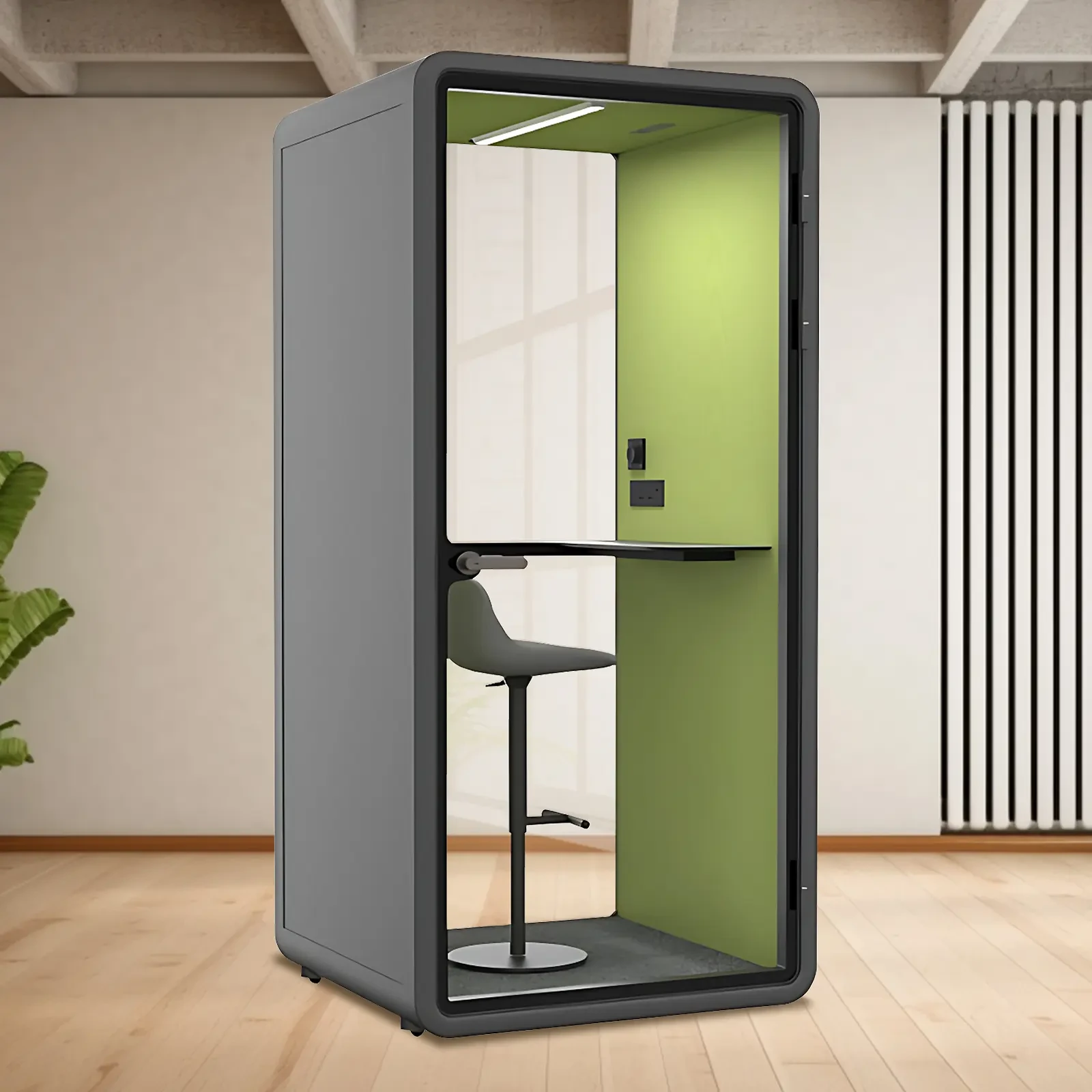
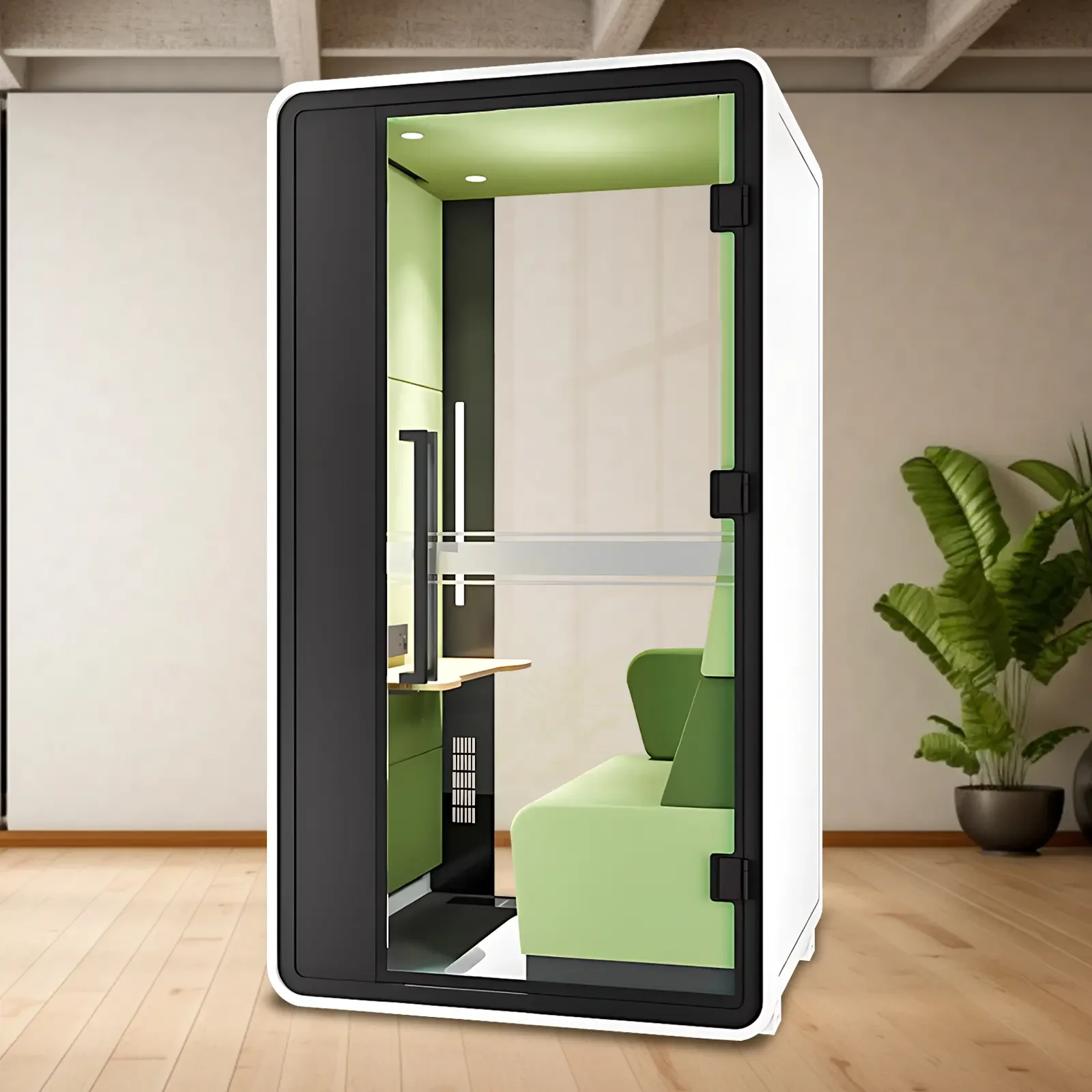

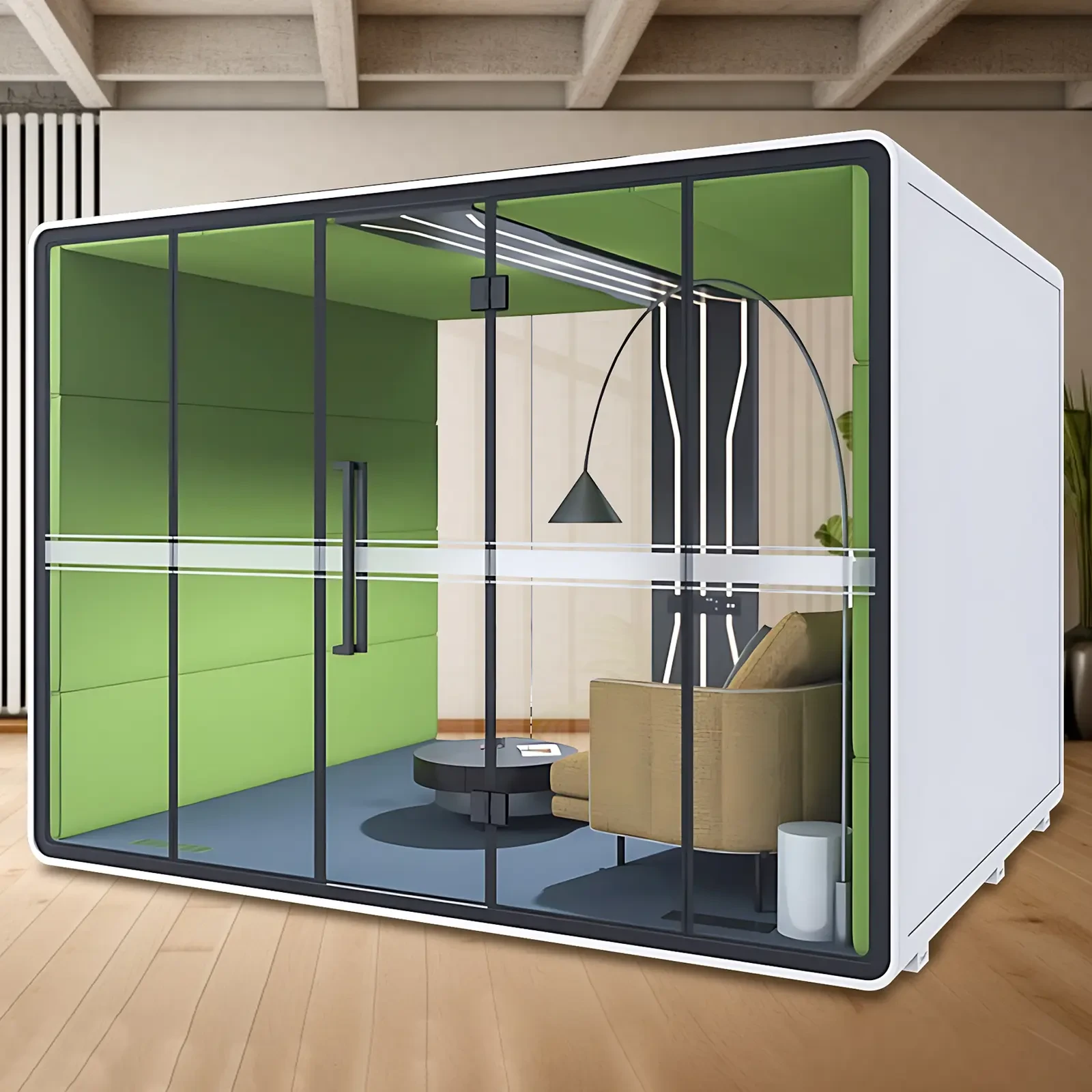
How can we completely solve the problem of unwarranted noise from upstairs neighbors?
Noise pollution is a common problem in city life, especially for residents of multi-story buildings. If upstairs neighbors create noise daily, it not only affects our quality of life but also poses a threat to our physical and mental health. So, how can we fundamentally solve this problem and achieve perfect sound insulation?
I. Identifying the Source of Noise
First, to solve the problem of noise from upstairs, we need to determine the source of the noise. Noise is generally divided into two types: impact noise and airborne noise.
1. Impact sound
This type of noise is usually caused by neighbors walking around, moving furniture, or children playing. Impact noises, due to their strong vibrations, are often more easily transmitted to lower floors. Therefore, it's essential to first identify the nature of the noise source in order to address it effectively.
2. Airborne sound
These sounds include talking, television broadcasts, and music, and travel through the air to lower levels. While these noises generally have small fluctuations, they can disrupt our daily lives over extended periods.
II. Communicating with neighbors
Before taking soundproofing measures, you may need to try communicating with your upstairs neighbors. Tell them about your concerns in a friendly manner, especially if the noise is affecting your life. The way you communicate can vary:
1. Direct communication
If you have a good relationship with your upstairs neighbors, you can go upstairs and talk to them, explaining your concerns.
2. Written communication
If you find direct communication inconvenient, you can write a polite letter, briefly explaining your concerns and suggestions. You can also offer some soundproofing suggestions, such as whether you can avoid noisy activities at night.
III. Home soundproofing renovation
If communication proves ineffective, or if the noise continues to negatively impact your quality of life, you can consider home soundproofing renovations. This is a long-term and time-consuming process, but the results are significant in the long run.
1. Wall sound insulation
Walls are often a significant channel for noise transmission. You might consider:
a. Add sound insulation materials
Installing specialized soundproofing panels and sound-absorbing cotton inside the walls can effectively reduce noise transmission. High-quality soundproofing materials can be selected, such as:
- Drywall: Lightweight, easy to install, and effectively isolates most noise.
- Sound insulation cotton: Sound insulation cotton has a good sound insulation effect and is suitable for use in the inner layer of walls and ceilings.
b. Double-layered walls
If the noise is very severe, consider replacing the walls with double-walled structures. This method creates an air gap between the two walls, which helps reduce the transmission of noise.
2. Ground sound insulation
The ground floor is also a key point for noise transmission. Noise from upstairs often travels to lower floors through the floor. Consider the following:
a. Sound insulation mat
Laying professional sound insulation mats on the ground can effectively absorb the impact noise between floors and the noise of daily activities.
b. Carpet
Laying thick carpets can also provide some sound insulation, especially for noise generated when toys, chairs, etc. are moved.
3. Sound insulation of windows and doors
In addition, sound insulation of windows and doors is also crucial. High-quality windows can effectively block external noise, while the importance of doors is often overlooked.
a. Install soundproof windows
Double-glazed windows offer better sound insulation and can significantly reduce the transmission of external noise.
b. Use sealing strips
Applying special sealing strips around the door not only prevents air and noise from leaking in, but also improves the temperature and humidity in the home.
IV. Seek professional help when necessary.
If you are unable to reduce the noise from upstairs after multiple attempts, you may consider seeking evaluation and renovation from a professional soundproofing company. A professional soundproofing engineer will provide a customized solution based on your living environment to ensure optimal sound insulation.
in conclusion
While resolving noise issues from upstairs neighbors may require time and effort, achieving better soundproofing in your home is entirely possible through the efforts outlined above. Maintaining good communication and creating a more harmonious living environment is an ideal state that everyone strives for in city life. Hopefully, the methods above can help you find a peaceful space amidst the hustle and bustle, making life more enjoyable.
X-comfot, your gateway to an efficient life. We are committed to becoming your most trusted brand of soundproof pod.
E-mail: support@x-comfot.com