
 USD
USD  GBP
GBP
 EUR
EUR
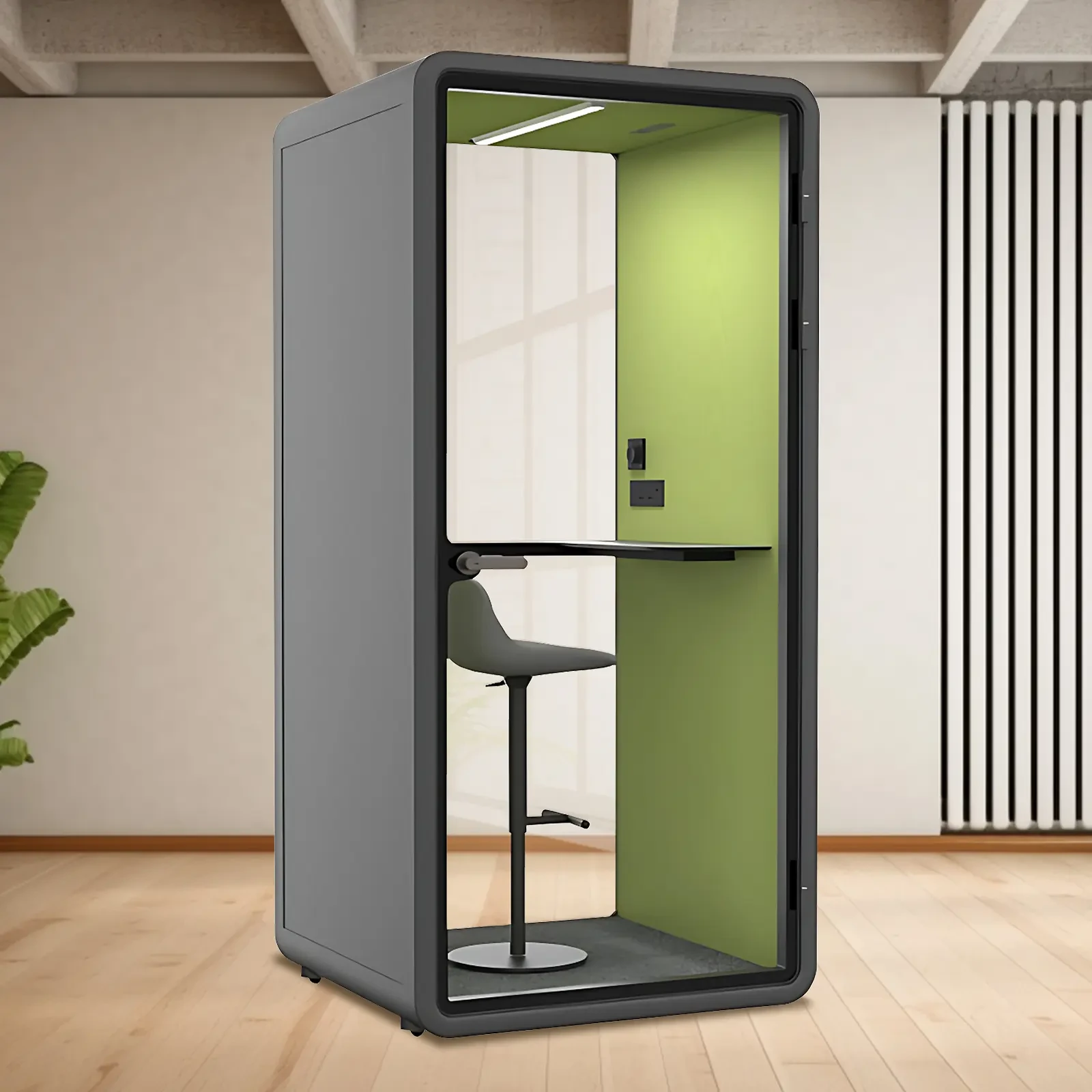
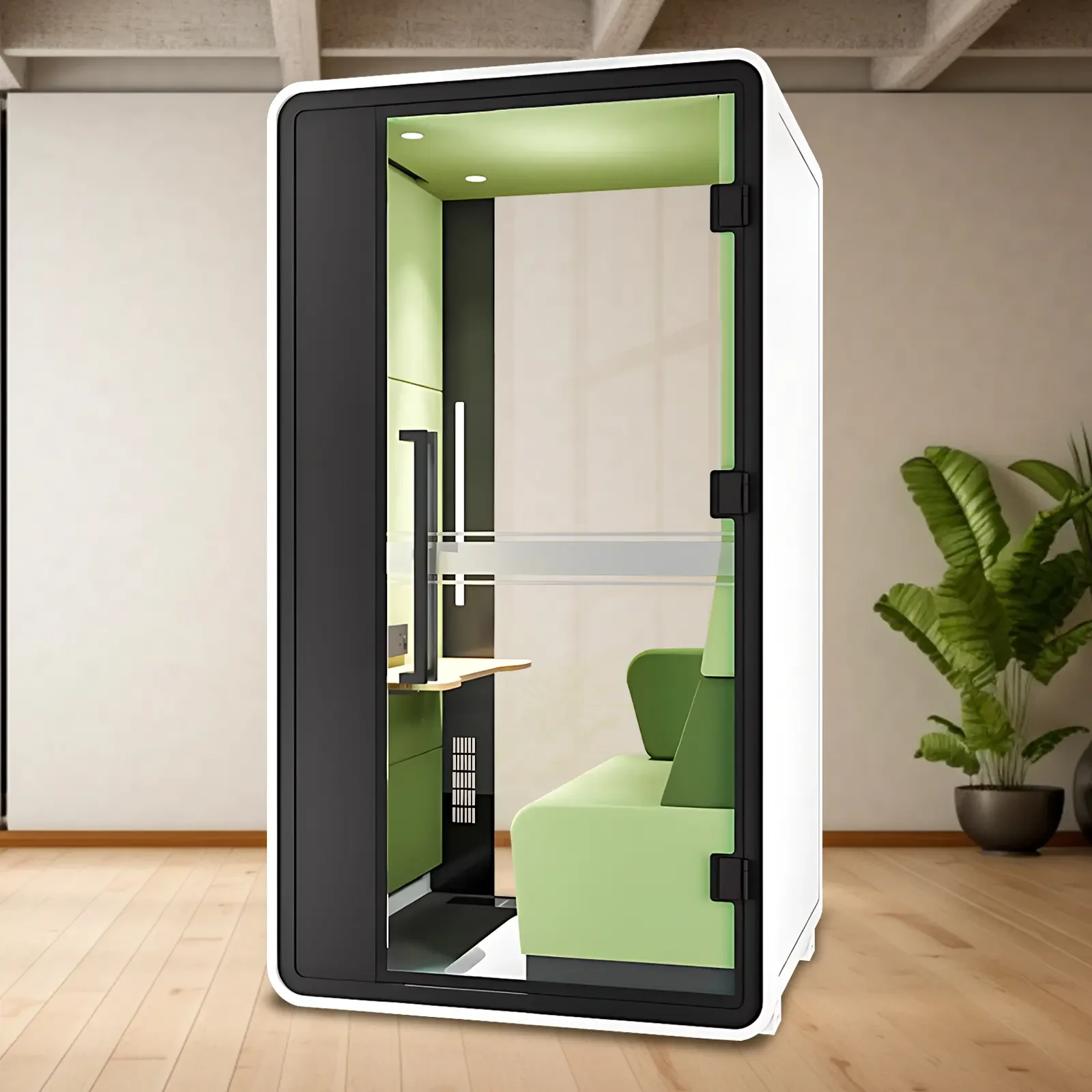

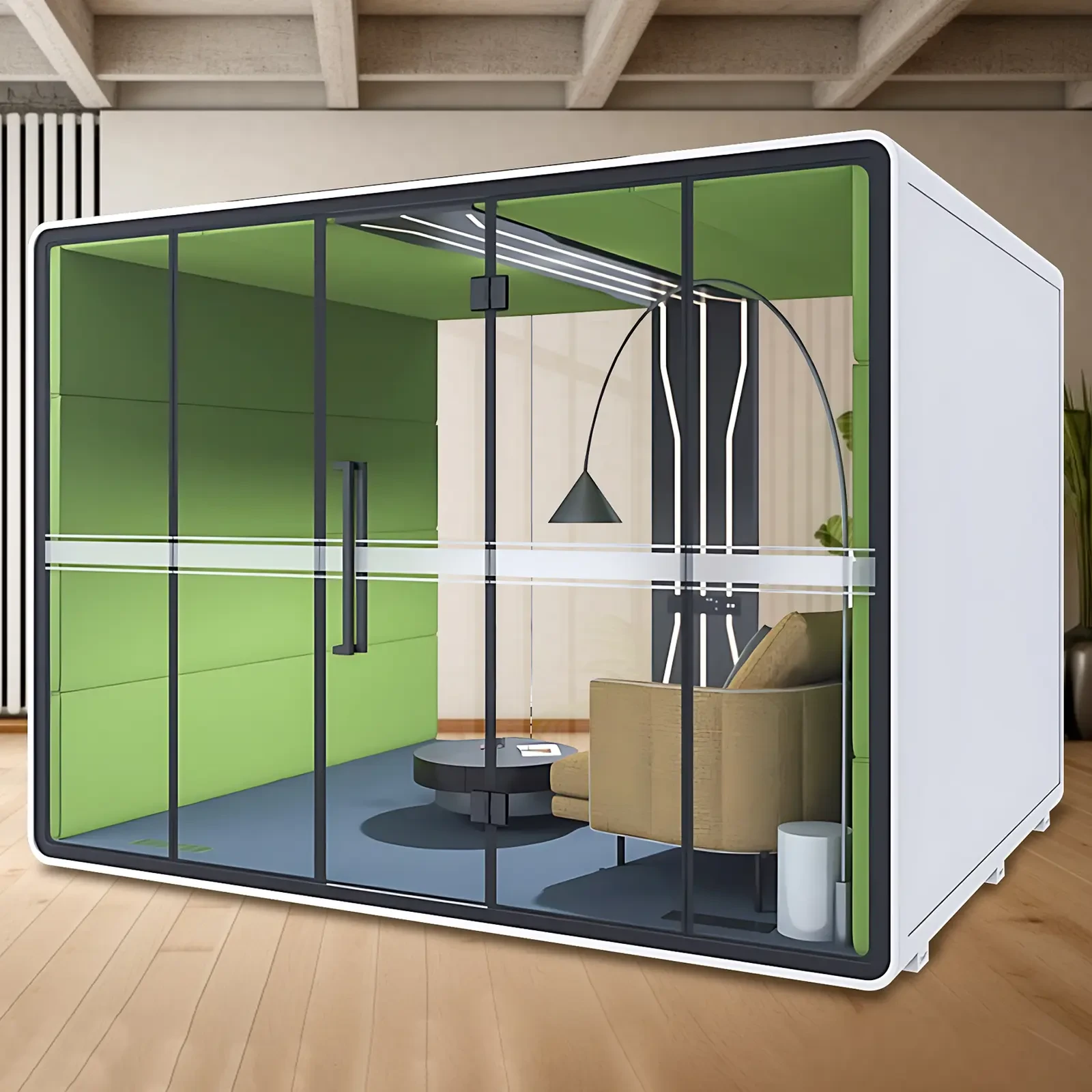
How can I effectively soundproof my home recording setup? Does applying soundproofing material really work?
In modern urban life, many people face noise interference when recording. Whether creating music, recording podcasts, or conducting voice courses, environmental noise can be an obstacle. Therefore, for home recorders, creating an absolutely quiet recording environment without disturbing the neighbors is particularly important. Many people are starting to consider putting soundproofing material on their doors, but how effective is this method?
What is sound insulation cotton?
Sound insulation cotton is a type of soundproofing material specifically designed to reduce sound transmission. It is typically made of polyester fibers, mineral wool, or other sound-absorbing materials to absorb sound waves and reduce noise transmission. In home environments, sound insulation cotton can be installed on walls, ceilings, floors, and doors to improve the sound insulation performance of a room.
How to assess noise levels in a home recording environment?
Before deciding to install soundproofing material, you first need to assess the noise level in your home recording environment. You can do this by following these steps:
1. Identify noise sources: While recording, listen carefully to your surroundings. Possible noise sources include neighbors talking, street traffic, and the operation of household appliances.
2. Record noise levels: You can use noise meter software (many mobile apps have this function) to measure the noise level of your surroundings and know the decibel (dB) value of the noise.
3. Conduct a recording test: Record a segment in a normal recording environment, then listen carefully to the playback of the recording and observe whether there is any obvious background noise.
Benefits of using sound insulation cotton
1. Absorbing mid-to-high frequency noise: Sound insulation cotton is particularly good at absorbing mid-to-high frequency sounds, such as human voices and some sharp audio frequencies, which is crucial for home recording.
2. Improve sound quality: In addition to blocking noise, sound insulation cotton also helps improve the sound quality of the room, making the recorded sound clearer and fuller.
3. Simple and easy to use: Many sound insulation materials are designed to be easy to install, making them easy to place in the home and suitable for DIY enthusiasts.
4. Budget-friendly: Compared to other soundproofing methods, such as specialized soundproofing panels, soundproofing cotton is a relatively economical option.
How effective is applying sound insulation material to the door?
- Door sound insulation: In many homes, noise pollution often originates from unsealed doors. Ordinary doors are typically made of lightweight materials, allowing sound to easily travel through the gaps. Therefore, applying sound insulation material can reduce noise transmission through the door to some extent.
- The difference between sound absorption and sound insulation: It should be noted that sound insulation cotton is mainly a sound-absorbing material. Although it can improve the sound insulation performance of the door to a small extent, if you want to completely block out external noise, you need to combine it with other sound insulation measures, such as strengthening the door's sealing.
- Application method: When applying sound insulation cotton, ensure it adheres tightly without gaps. Additionally, the cotton should be of moderate thickness; too thin and it may not achieve the desired effect.
Other sound insulation measures
In addition to applying soundproofing material to the door, you can also consider other soundproofing measures to further improve the recording environment:
1. Add heavy curtains: Curtains can help absorb some sound, especially noise from windows.
2. Lay carpets: Using carpets and floor mats can effectively reduce the transmission of walking and falling noise, which helps with sound insulation.
3. Furniture placement: Heavy furniture such as bookshelves and sofas can block some of the sound transmission and improve the sound insulation of the room.
4. Use soundproof doors: If conditions permit, consider installing specialized soundproof doors. Although they are more expensive, the effect is significant.
5. Seal door gaps: Using sealing strips to seal door gaps can effectively block external noise.
Case Studies
In many home recording studio renovations, recording engineers have reported significant improvements from applying soundproofing material. A music producer named Xiao Zhang, who creates music at home, used soundproofing material on every door in his house, and the effect was remarkable. He shared that previously, he could always hear his neighbors' television and family conversations while recording, but now it almost no longer affects his creative process.
In addition, some podcast crews choose to install soundproofing material on their office doors during recording to improve recording quality and prevent background noise from interfering with the program content. This feedback demonstrates that soundproofing material can indeed be a valuable tool for improving the home recording environment.
Summarize
In general, applying soundproofing material to doors is a very effective soundproofing method. This not only reduces external interference during home recording and improves recording quality, but also creates a quieter and more comfortable environment for the user. However, soundproofing material alone may not be enough; combining it with other soundproofing measures is necessary to truly create an ideal recording space. If you are a home recording enthusiast, you might want to try these methods to enhance your recording experience. By properly using soundproofing materials and techniques, you can not only avoid disturbing your neighbors but also fully unleash your creative potential and enjoy the recording process to the fullest.
X-comfot, your gateway to an efficient life. We are committed to becoming your most trusted brand of soundproof pod.
E-mail: support@x-comfot.com