
 USD
USD GBP
GBP
 EUR
EUR
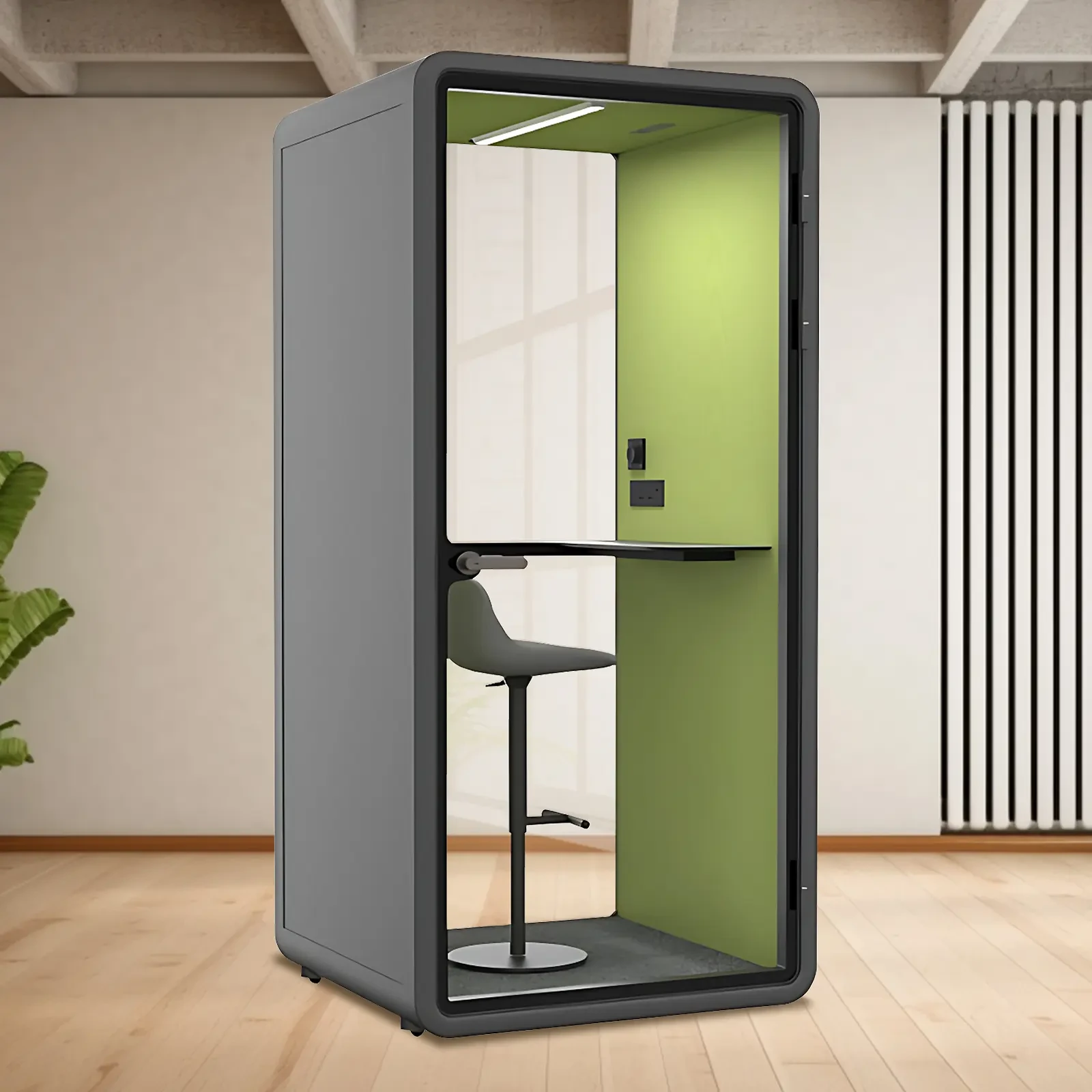
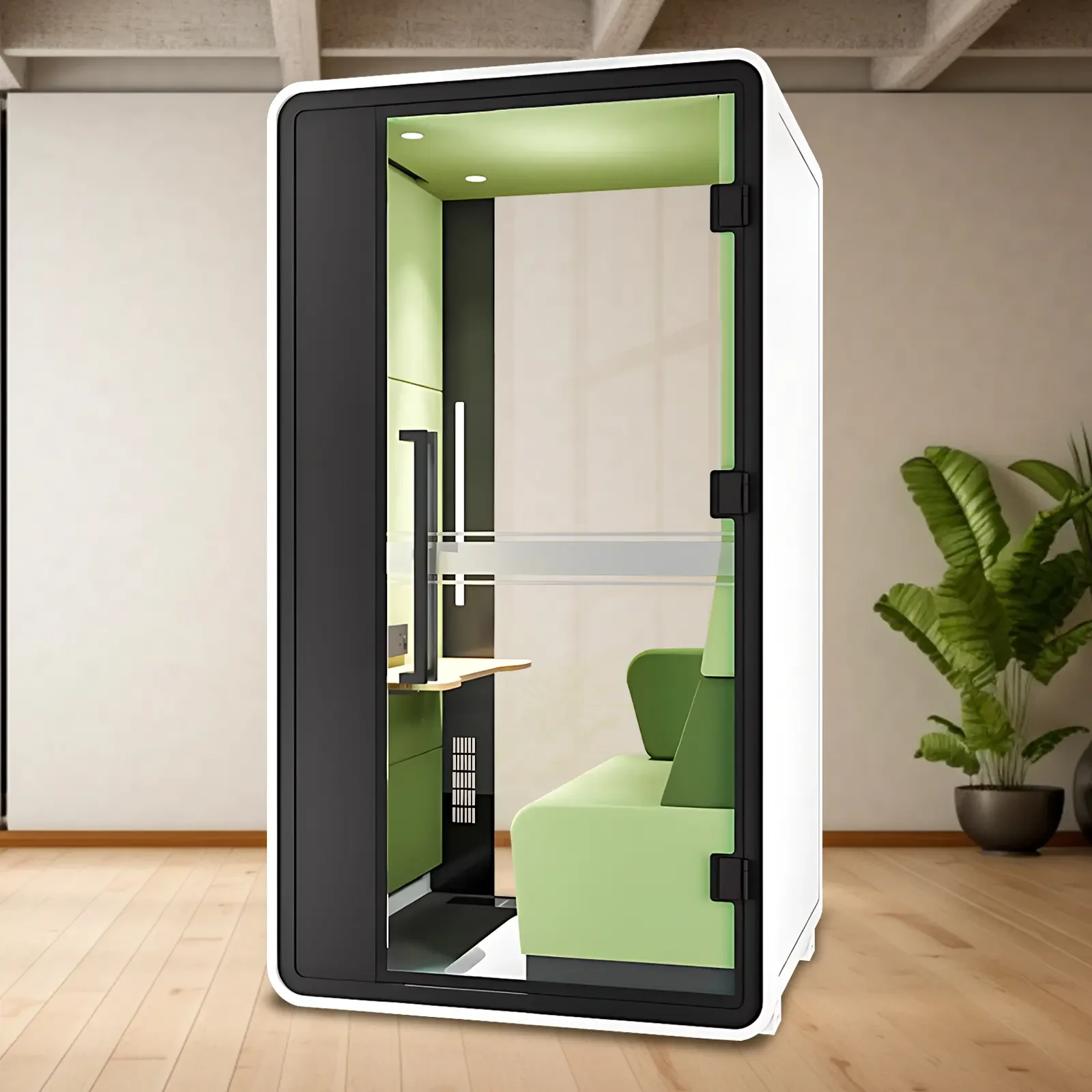

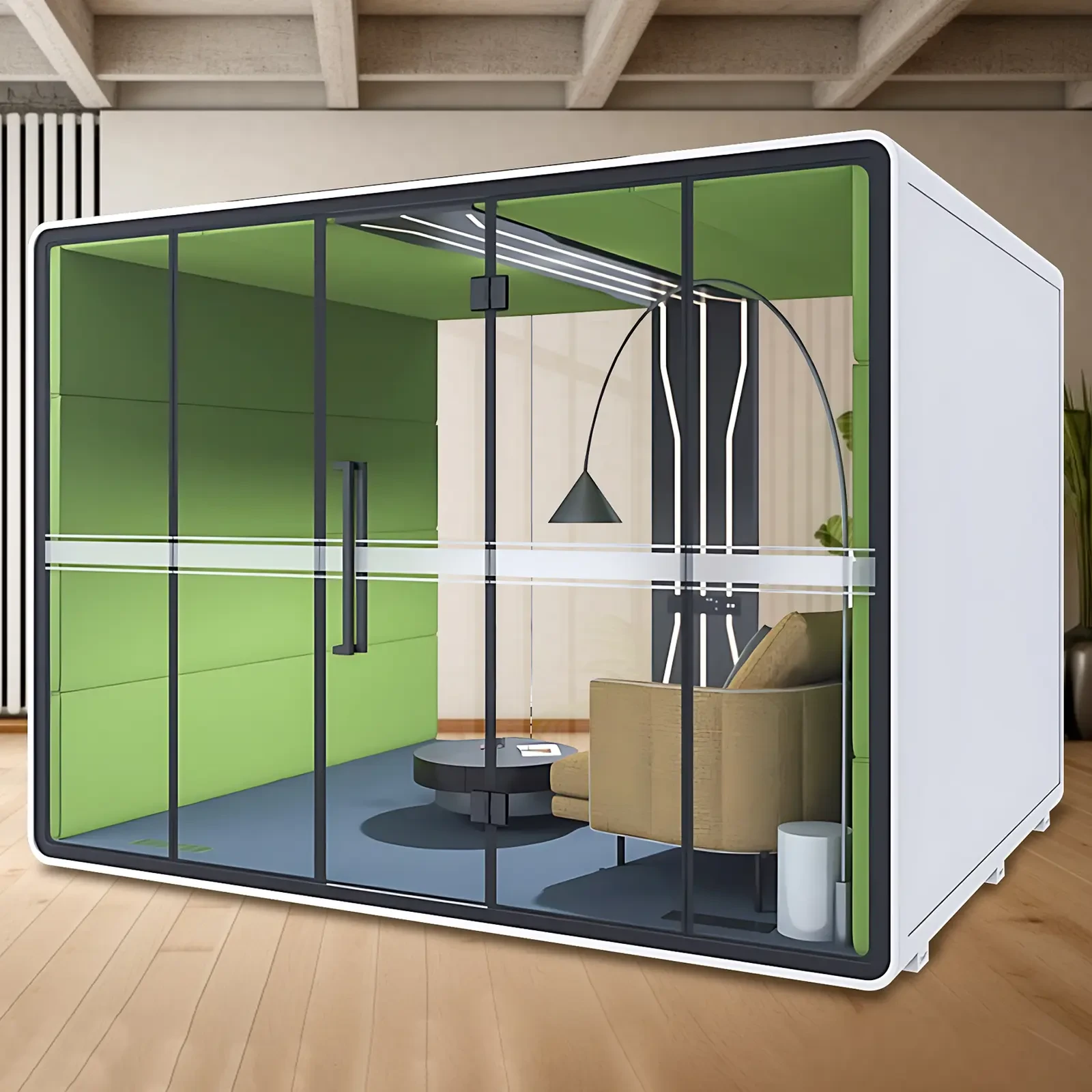
In the hustle and bustle of modern industry, the issue of sound insulation and noise reduction in factory workshops has become increasingly prominent. Imagine workers toiling in deafening noise; it not only affects their physical and mental health but may also reduce work efficiency. So, how can we create a "silent magic" effect in factory workshops?
First, let's look at the main culprits of the noise. According to relevant data, the operation of machinery, material handling, and ventilation systems are all major sources of noise. For example, some large stamping machines can generate noise levels exceeding 100 decibels, which is a nightmare for the ears!
To address these noise sources, we have a series of "noise reduction solutions." Giving machinery and equipment "soundproof protective clothing," that is, installing soundproof covers, can effectively block the transmission of noise. It's like putting a mask on a naughty child to make their voice quieter. Moreover, choosing low-noise equipment is also a good option. Experts suggest prioritizing products with excellent noise levels when purchasing equipment. Although the initial investment may be higher, in the long run, it can significantly reduce subsequent noise reduction costs.
Enclosed spaces reduce the volume of space through which noise can travel, thus decreasing the distance and range of noise transmission.
Installing soundproof doors and windows, or replacing or installing doors and windows with better sound insulation, can greatly reduce the transmission of noise.
Floor treatment involves treating the workshop floor, such as laying carpets, which can provide sound insulation and prevent slipping and falling.
Regular maintenance is essential to ensure the machine operates normally and to reduce noise generation.
Using noise monitoring instruments allows for real-time monitoring of noise levels in the workshop, facilitating timely improvement measures.
The layout of the workshop is also carefully planned, with equipment placement strategically arranged to avoid noise overlap and resonance. It's like separating a group of noisy children; naturally, it becomes much quieter.
In addition, don't underestimate the role of walls and ceilings. Using wall and ceiling materials with strong sound-absorbing properties, such as sound insulation boards and sound-absorbing cotton boards, in factory workshops can effectively reduce noise. They can "eat up" some of the noise. Imagine these materials as greedy little monsters, swallowing all the noise whole.
In short, soundproofing and noise reduction in factory workshops is not something that can be done overnight; it requires comprehensive consideration of many factors. However, as long as we do it diligently, we can certainly create a quiet and comfortable working environment for our workers, improve production efficiency, and achieve sustainable development for the factory.
Friends, let's take action together and work towards a quieter factory!