
 USD
USD GBP
GBP
 EUR
EUR
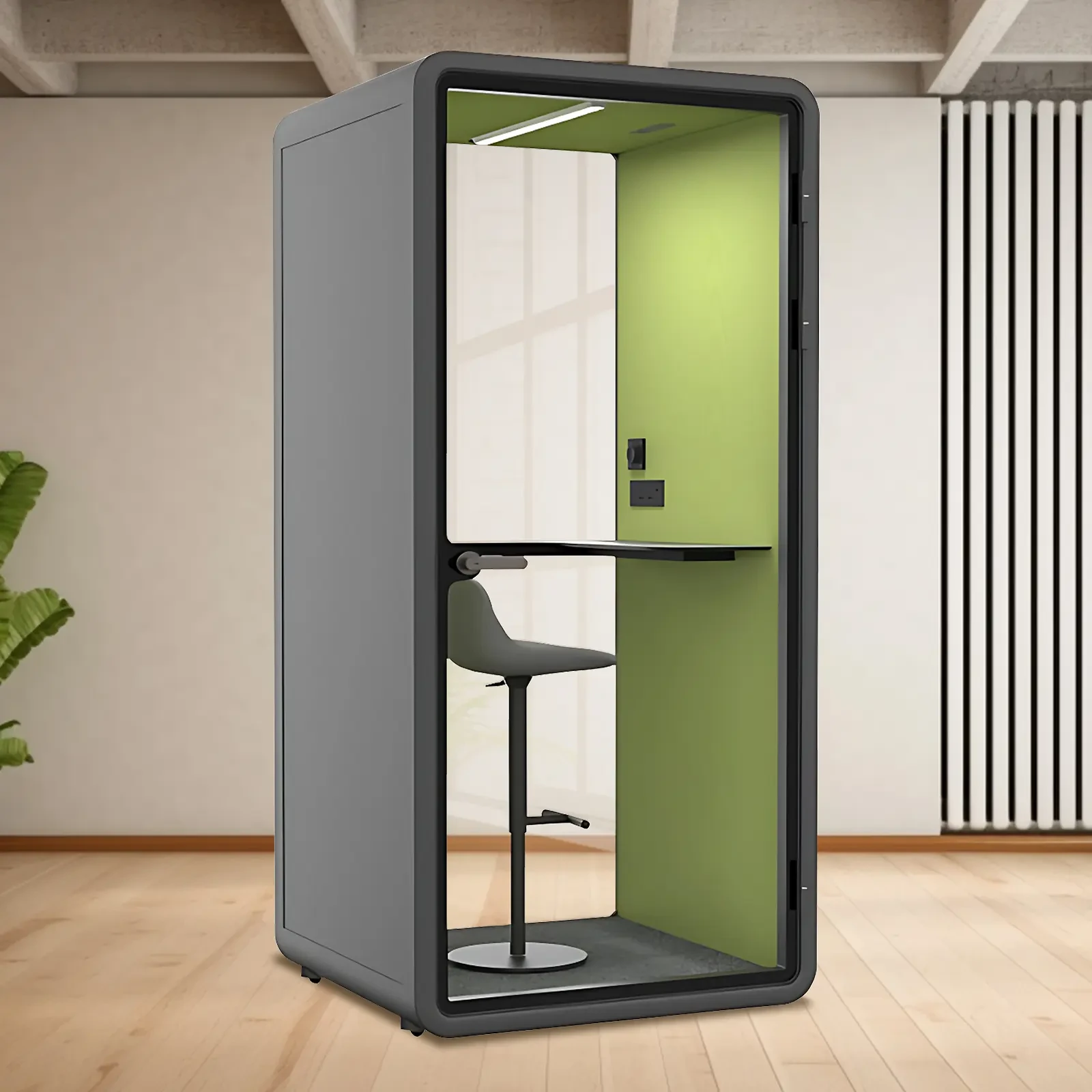
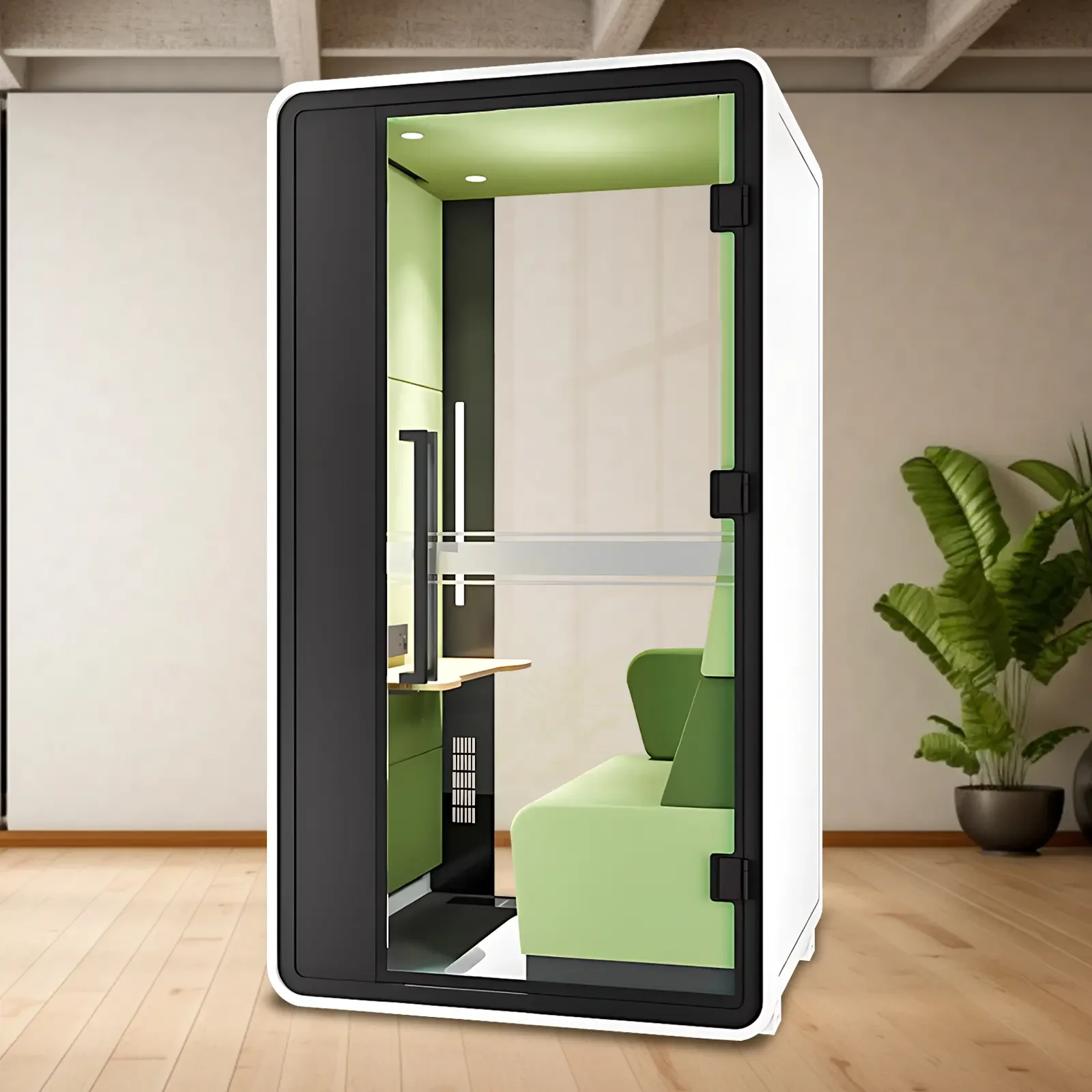
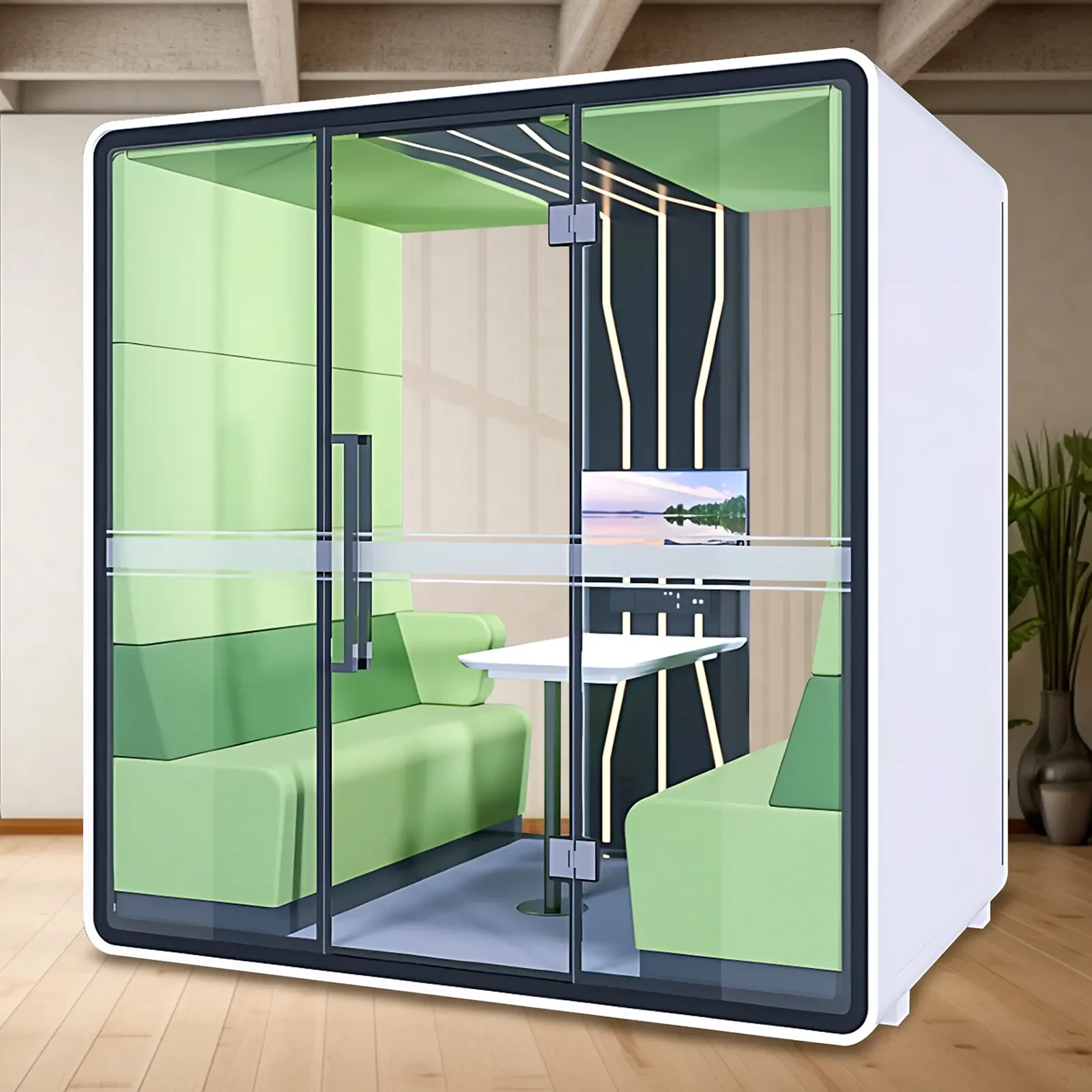
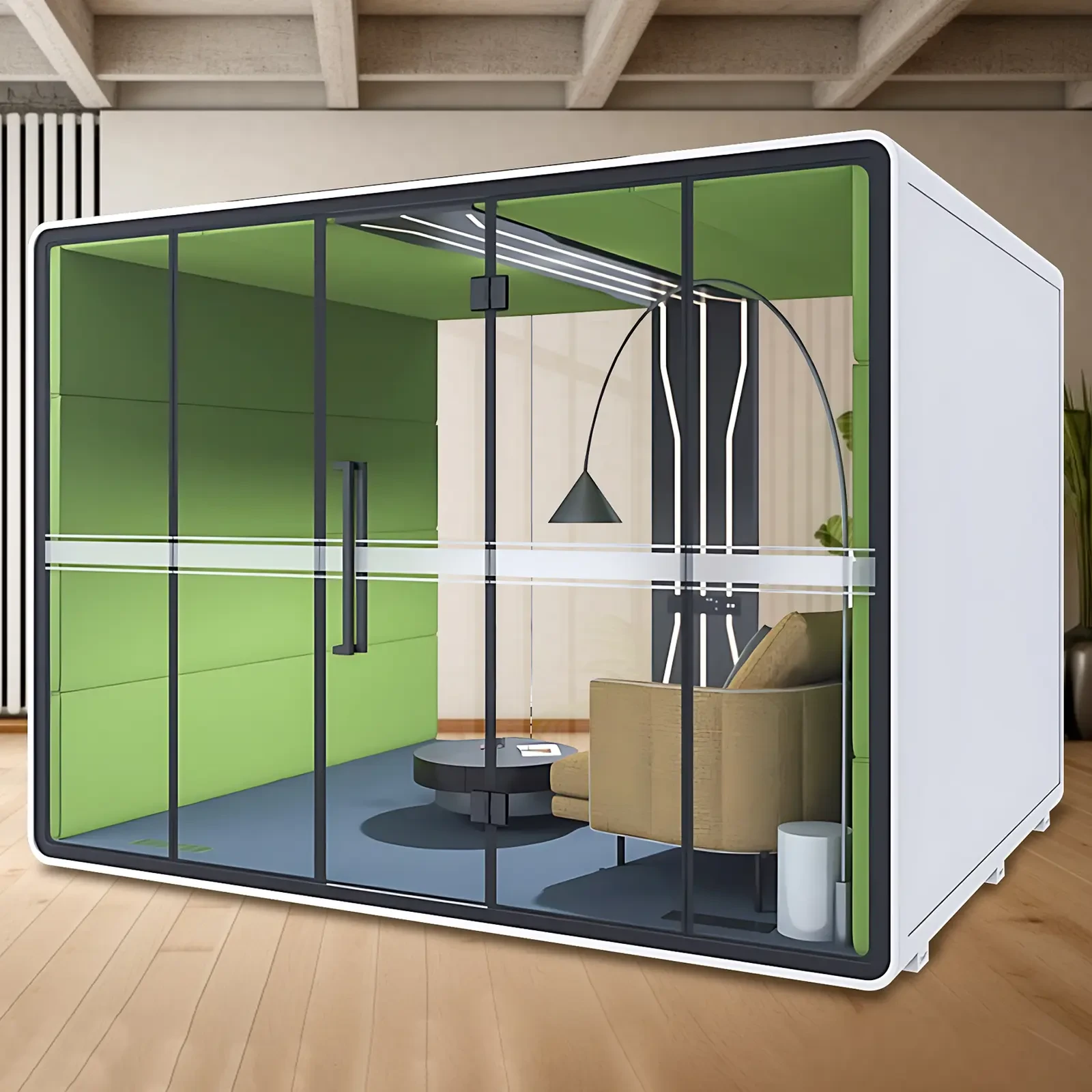
With the acceleration of urbanization and the improvement of industrialization, people are paying increasing attention to the acoustic environment. Noise pollution not only affects people's quality of life but may also have negative impacts on physical and mental health. Against this backdrop, various acoustic materials and technologies have emerged, among which sound-absorbing wedges have become an important component in the field of acoustic treatment due to their superior acoustic performance and wide range of applications. This article will delve into the main application scenarios of sound-absorbing wedges and their customization requirements to help better understand and utilize this excellent acoustic material.
Definition and characteristics of sound-absorbing wedges
A sound-absorbing wedge is an acoustic processor designed to effectively absorb sound waves and reduce sound wave reflection and interference within a room. It is typically made of specific sound-absorbing materials, has a triangular or conical shape, and provides excellent sound absorption within a certain frequency range. The main features of sound-absorbing wedges include:
1. High-efficiency sound absorption: It can effectively absorb low-frequency and mid-frequency sound waves and improve the acoustic environment.
2. Diverse Designs: Shapes, colors, and materials can be customized to meet the needs of different scenarios.
3. Easy to install and maintain: It is relatively simple to install and maintain, and is easy to use in various environments.
Main application scenarios
1. Concert halls and theaters
In concert halls and theaters, the quality of the acoustic environment directly affects the sound effects. The application of sound-absorbing wedges in such venues can effectively control sound wave reflections, reduce reverberation time, and thus improve sound clarity and depth. During the design process, sound-absorbing wedges are typically placed on ceilings and walls to ensure proper sound propagation.
2. Recording Studio
Recording studios have extremely strict sound requirements, needing to avoid echoes and external noise interference to provide the highest quality recording results. Sound-absorbing wedges are widely used on surfaces such as walls and ceilings in recording studios to create a quiet recording environment, ensuring clean and clear sound.
3. Classrooms in educational institutions
In school classrooms, students' learning effectiveness is often affected by noise. Installing sound-absorbing wedges in classrooms can effectively reduce external noise interference, improve the acoustic environment, and allow the teacher's voice to be heard more clearly. Furthermore, sound-absorbing wedges can also reduce classroom noise, enabling students to concentrate better on their studies.
4. Industrial plant
Industrial plants typically have high noise levels, which can negatively impact workers' physical and mental health and work efficiency. In such environments, sound-absorbing wedges can effectively reduce noise from equipment, improving work comfort. They can also help workers communicate and collaborate better in noisy conditions.
5. Commercial Spaces and Hotels
In commercial spaces such as shopping malls and hotels, customer experience is paramount. Sound-absorbing wedges can effectively reduce background noise, allowing customers to enjoy a quieter environment while shopping and relaxing. Furthermore, in hotel lobbies and restaurants, sound-absorbing wedges can also improve sound clarity, facilitating smoother communication.
6. Transportation facilities
Noise is often a significant environmental issue in public transportation facilities such as subway stations and bus stations. The application of sound-absorbing wedges can effectively reduce noise transmission and improve passenger comfort. Simultaneously, it can also improve the acoustics of public transportation facilities, allowing people to enjoy a quieter environment while waiting for or riding the bus.
Customization requirements
While sound-absorbing wedges have broad application prospects, they typically require customization to ensure effectiveness in specific scenarios. Here are some common customization requirements:
1. Material Selection
The choice of materials for sound-absorbing wedges is crucial. In high-humidity or corrosive environments, corrosion-resistant and moisture-proof materials are required; in high-temperature environments, high-temperature resistant materials are necessary. Common materials include polyester fibers, foam materials, and mineral wool.
2. Size and shape
The size and shape of the sound-absorbing wedges need to be customized depending on the size of the space and acoustic requirements. Larger wedges may be more effective in venues such as concert halls and theaters, while smaller, lighter designs may be needed in smaller classrooms or meeting rooms.
3. Sound absorption coefficient
The sound absorption effect across different frequency ranges also needs to be customized according to specific needs. In some places where low-frequency noise needs to be controlled, such as cinemas or recording studios, the design of the sound-absorbing wedges should take into account low-frequency sound absorption performance.
4. Surface treatment and color
The surface treatment and color of the sound-absorbing wedges should also be customized according to the overall style of the venue. In commercial spaces and hotels, the appearance design of the sound-absorbing wedges needs to coordinate with the interior decoration to enhance the aesthetics of the space.
5. Installation method
The installation method of sound-absorbing wedges can be customized according to specific scenarios, with common options including wall-mounted, pendant-mounted, or recessed installations. Different installation methods will affect the acoustic performance and ease of maintenance.
in conclusion
As an important acoustic treatment tool, sound-absorbing wedges play an indispensable role in numerous settings thanks to their superior sound absorption performance and flexible customization options. Whether in concert halls, recording studios, industrial plants, or school classrooms, sound-absorbing wedges effectively improve the acoustic environment, enhancing people's quality of life and work. By customizing them for different application scenarios, their acoustic performance can be maximized to meet specific needs, contributing to the creation of a quiet and comfortable environment. With increasing emphasis on acoustic environments, the application prospects of sound-absorbing wedges will become even broader.