
 USD
USD GBP
GBP
 EUR
EUR

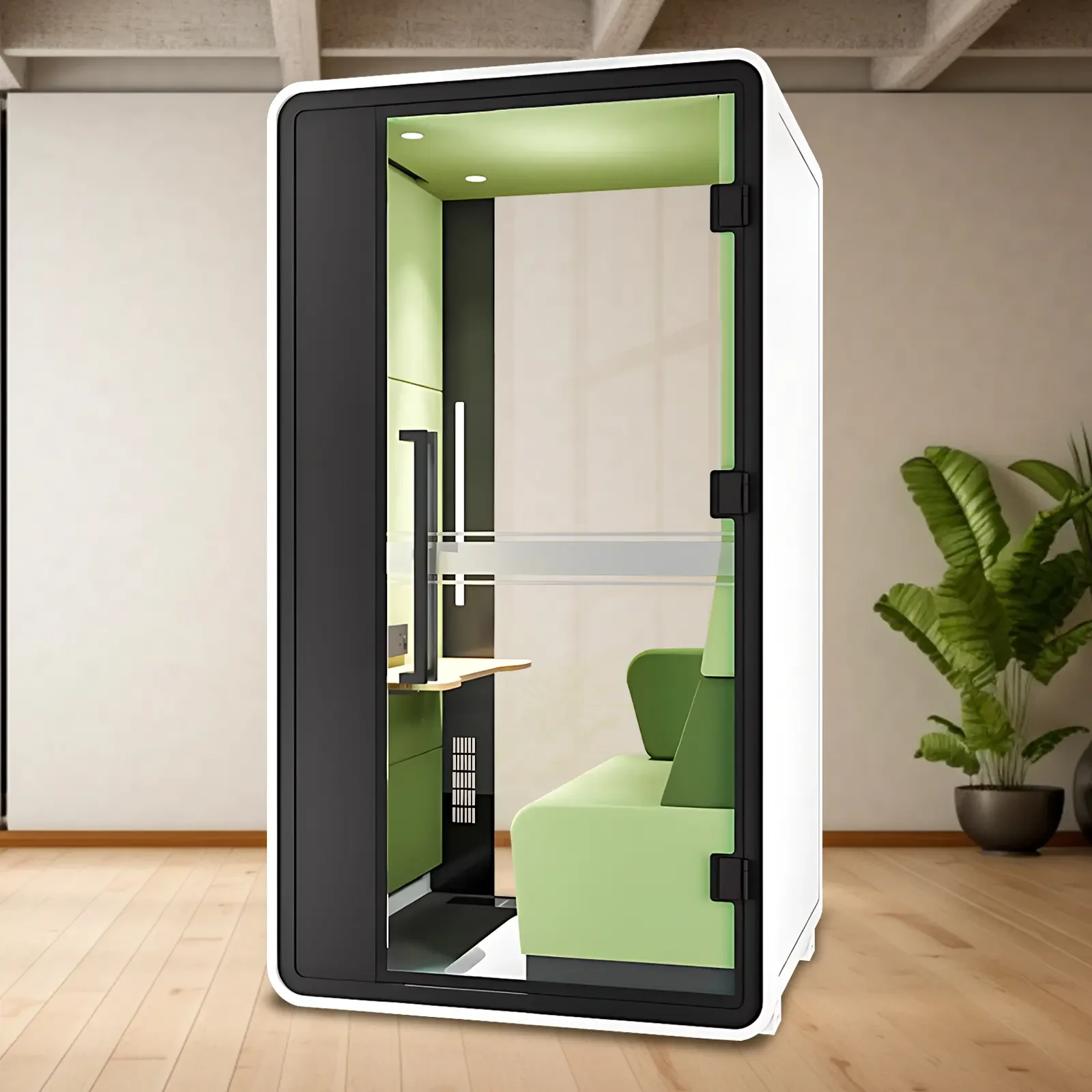


In today's rapidly developing cities, noise pollution has become a significant form of pollution, following air and water pollution. Due to the nature of China's real estate market, noise pollution is ubiquitous in daily life. Neighborly noise, square dancing, renovations, construction work, commercial streets, and traffic noise are all major sources of noise pollution in society. The harm of noise pollution is not only felt on a psychological level but also has a real impact on physical health. Therefore, prioritizing noise pollution prevention and control has become a crucial part of the modern urbanization process.
Against this backdrop, the implementation and promotion of the "Noise Pollution Prevention and Control Law of the People's Republic of China" (hereinafter referred to as the new "Noise Law") in June 2022, coupled with increased local supervision efforts, has brought greater attention and importance to the acoustic environment of residential buildings. To implement the requirements of the new "Noise Law" for creating quiet areas, the "Quiet Residential Building Evaluation Standard" came into effect on September 15, 2023. This standard aims to conduct a comprehensive evaluation of the acoustic environment of residential buildings and further improve the external and internal acoustic environment levels of residences.
Real estate policies have changed; housing is for living in, not for speculation, and houses are gradually returning to their basic function. What residents truly need is a quiet, comfortable, and livable environment.
In the future, the quality of the acoustic environment in residential buildings will no longer be a high standard requirement for residents, but will become one of the basic standards for measuring the quality of housing, and even an important factor influencing homebuyers' decisions.
Against this backdrop, noise pollution will no longer be taken lightly, and sound insulation treatment for residences will become increasingly common.
Residents have been complaining about noise pollution, making it imperative to create healthy and quiet homes.
According to the "China Noise Pollution Prevention and Control Report 2023," in 2022, cities at the prefecture level and above across the country received approximately 4.503 million noise complaints, an increase of 493,000 cases compared to the previous year. In terms of complaint type, social noise complaints were the most numerous, accounting for approximately 3.038 million cases (67.5%), followed by construction noise, with approximately 1.13 million cases (25.1%).
The more severe the noise pollution, the higher consumers' willingness to purchase soundproofing and noise reduction products. The "China Household Noise Pollution and Soundproof Doors and Windows Consumption Trends Report" shows that high-net-worth individuals, especially those born in the 1980s and 1990s, in first- and second-tier cities have extremely high demands for quality of life, and comfortable acoustic environments and soundproof doors and windows have become essential for home renovations. Over 60% of respondents plan to renovate their doors and windows, and nearly 90% are willing to pay for soundproof doors and windows.
On October 16, 2023, the 14th International Forum on Healthy Housing Theory and Practice was held in Chongqing. The forum, themed "High-Quality Development, Healthy and Smart Housing", explored healthy housing planning and design, how to improve housing quality, and enable people to live in better houses.
This forum featured many noise reduction products that have practical significance in building quiet and healthy homes, such as ventilated and soundproof windows.
In urban life, the most common and direct way for residents to reduce noise is by installing soundproof windows. Soundproof windows are very effective in preventing noise pollution from daily life and traffic, and they are also a relatively easy way to install noise reduction equipment in modern residences.
(Actual photo of a three-element ventilation and soundproof window)
With advancements in technology, soundproof windows have evolved from their original single function of sound insulation to a stage where they offer both ventilation and sound insulation. The emergence of ventilated soundproof windows has solved the problems of traditional soundproof windows failing to provide sound insulation when open and failing to ventilate when closed. Ventilated soundproof windows also serve as the last line of defense against traffic noise pollution.
The application of ventilation and soundproof windows perfectly meets the needs of modern society for building healthy and quiet homes, because it not only meets the requirements for good indoor sound insulation, but also meets the requirements for indoor ventilation, air exchange, and dust removal, truly creating a healthy and quiet living space indoors.
(Three-element ventilation and soundproof window)
The ever-increasing number of noise pollution complaints shows that a quiet and livable living environment is the most basic and direct need of the general public. Whether it is those engaged in residential construction or those engaged in noise pollution prevention, they should all focus on this point and develop and innovate more high-quality noise reduction measures and products to provide the general public with a livable, healthy and quiet living environment.
Part of this article is reprinted from: Dr. Sound