
 USD
USD  GBP
GBP
 EUR
EUR
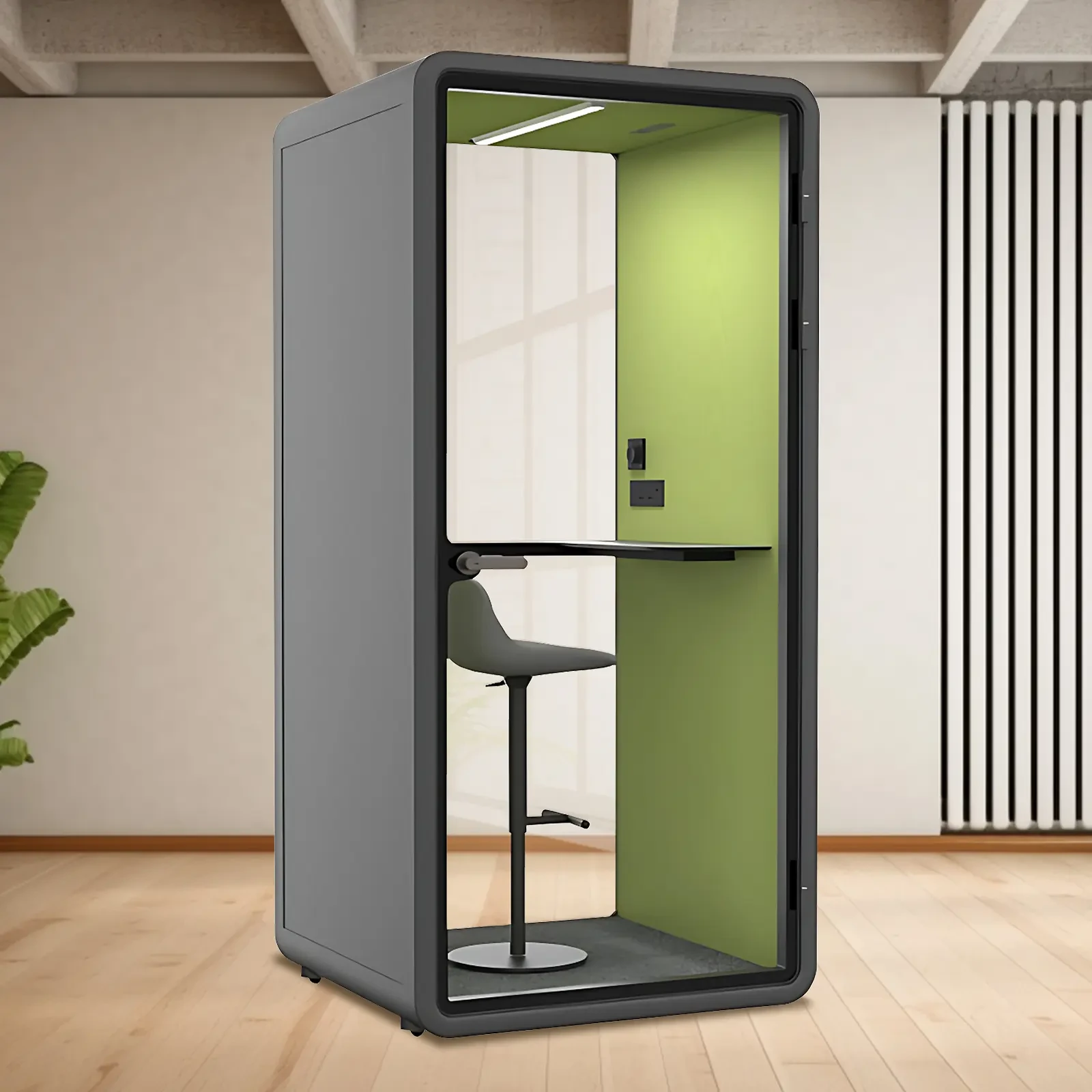
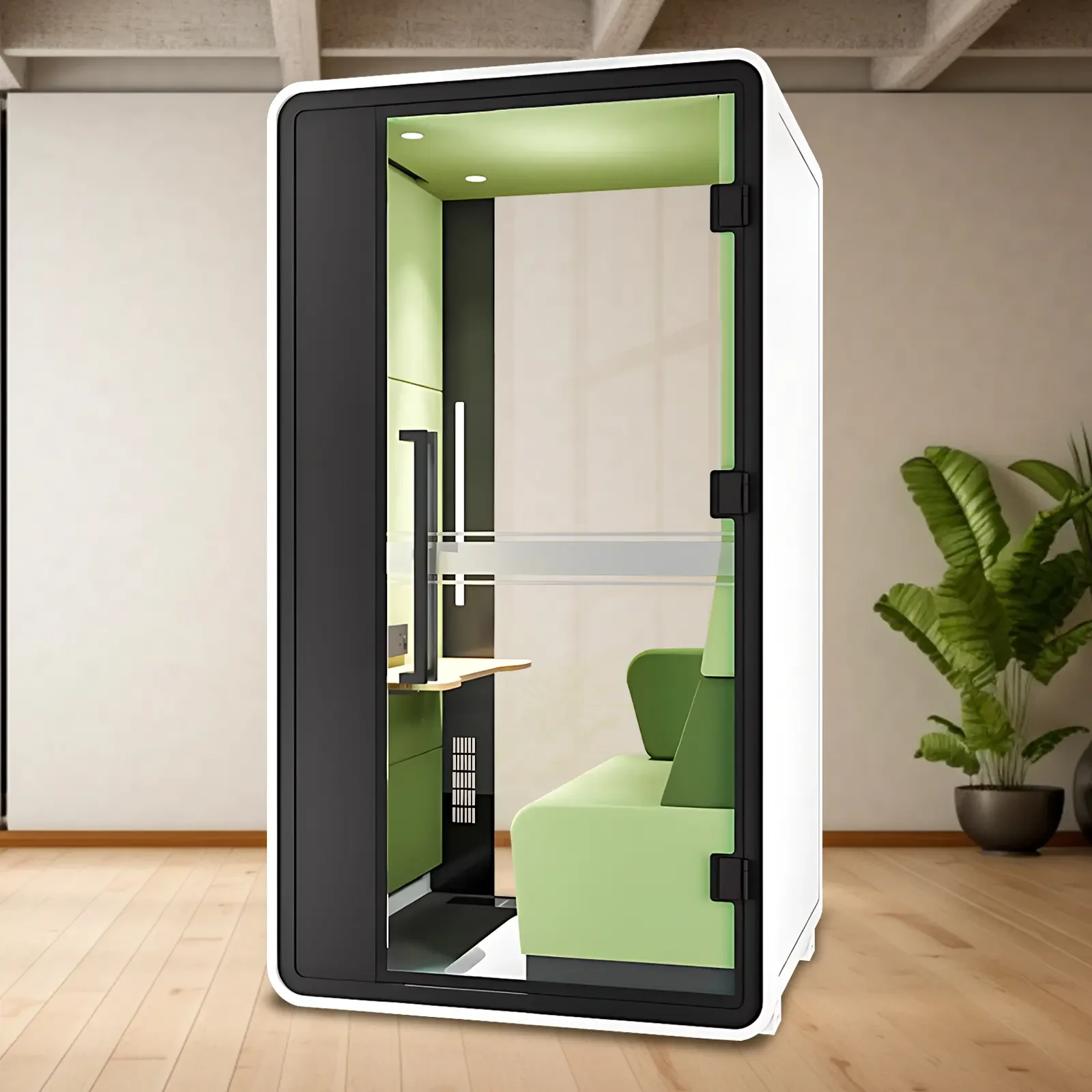
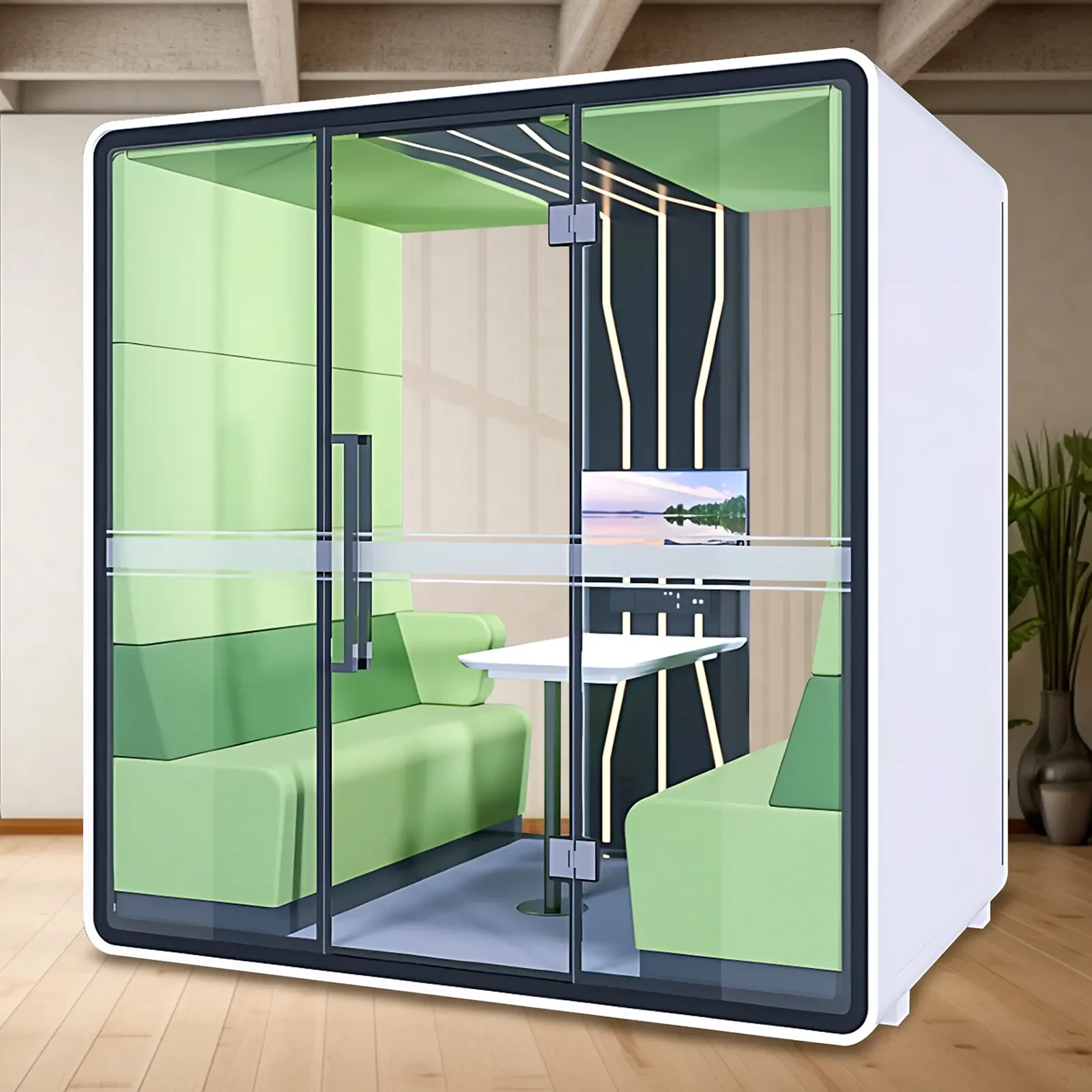
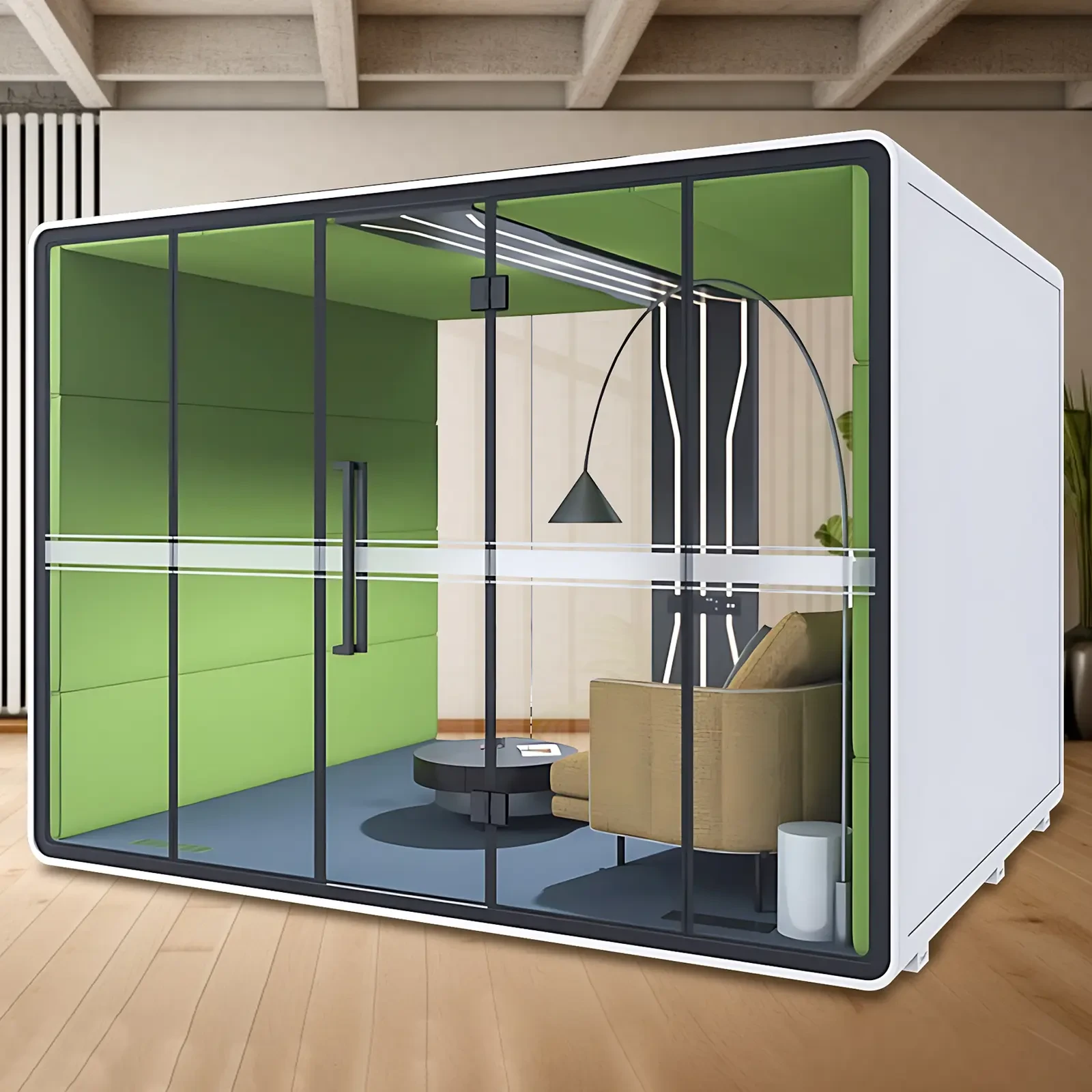
A comprehensive comparison and analysis of rubber-plastic composite boards and glass wool.
In the construction and decoration industry, rubber-plastic composite boards and glass wool are common insulation materials widely used due to their excellent thermal insulation and sound insulation properties. However, although they perform similarly in some applications, they actually differ significantly in terms of constituent materials, performance, and applicable scenarios. This article will explore the differences and similarities between rubber-plastic composite boards and glass wool in detail to help you make a more informed decision when choosing materials.
I. Overview of Rubber and Plastic Boards
Rubber-plastic composite boards, also known as rubber-plastic insulation materials, are a type of insulation and heat-insulating material made from rubber through a special process. Their main components are polyurethane and polyethylene, which possess high elasticity and toughness.
1. Characteristics of rubber and plastic sheets
- Excellent thermal insulation performance: The thermal conductivity of rubber and plastic boards is low, usually between 0.035-0.040 W/(m·K), which can effectively prevent heat conduction.
- Good flexibility: Its natural elasticity allows it to adapt to various shapes of pipes or surfaces.
- Strong resistance to water vapor penetration: Rubber and plastic boards have excellent moisture-proof properties, which can resist the intrusion of moisture and avoid material aging caused by moisture.
- Fire resistance: Although the fire resistance of rubber and plastic boards is not as good as some specialized fire-resistant materials, appropriate product formulations can still meet certain fire resistance standards.
II. Overview of Glass Wool
Glass wool is a thermal insulation material made primarily from glass fiber, which is melted at high temperatures. It is widely used in construction, air conditioning, shipbuilding, and other fields.
1. Characteristics of glass wool
- Excellent sound insulation: Due to its fiber structure, glass wool can effectively absorb sound waves and reduce noise transmission.
- High temperature resistance: Glass wool can withstand high temperatures, usually above 400℃, making it suitable for use in high-temperature environments.
- Biosafety: Modern glass wool products have undergone improvements in manufacturing processes, eliminating potential health hazards.
- Easy to install: Glass wool is usually supplied in the form of sheets or rolls, which is convenient for construction and installation.
III. Differences between Rubber-Plastic Board and Glass Wool
1. Material composition
Rubber-plastic composite boards are primarily made of rubber and plastic, while glass wool is composed of glass fibers. This directly affects the physical properties, performance, and applications of both.
2. Thermal insulation performance
- Rubber and plastic boards typically have a lower thermal conductivity, making them more suitable for applications requiring strict temperature control; while glass wool, although also providing good insulation, is relatively inferior.
3. Moisture-proof performance
- Rubber and plastic boards have better moisture resistance and are suitable for use in humid environments; while glass wool requires a corresponding moisture-proof layer to ensure that its performance is not compromised.
4. Sound insulation effect
Glass wool offers better sound insulation and is suitable for noisy environments. Rubber and plastic boards, on the other hand, have relatively average sound insulation properties.
5. Temperature resistance
Glass wool has stronger high-temperature resistance and is suitable for high-temperature industrial environments; rubber and plastic boards are more suitable for medium and low-temperature insulation applications.
IV. Similarities between Rubber-Plastic Board and Glass Wool
Despite their differences in many aspects, rubber-plastic composite boards and glass wool also have many things in common:
1. Main uses
Both are widely used in construction, air conditioning, refrigeration and other fields to provide good heat insulation and thermal insulation effects.
2. Ease of installation
Whether it's rubber and plastic boards or glass wool, installation is relatively convenient and simple, requiring no complicated processes.
3. Environmental friendliness
Modern technology has endowed these two materials with good environmental performance, and both meet the environmental standards of relevant countries, making them suitable for use in healthy living environments.
4. Durability
When used and maintained properly, both rubber and plastic boards and glass wool have relatively long service lives, which can meet the needs of long-term use.
V. Application Scenarios
In terms of application, rubber-plastic boards and glass wool each have their own advantages and disadvantages, and it is especially important to choose the right material according to the specific situation.
1. Application scenarios for rubber and plastic sheets
- Air conditioning systems: Due to their moisture-proof and heat-insulating properties, rubber and plastic boards are suitable for the insulation of air conditioning ducts and air ducts;
- Refrigeration equipment: In refrigeration equipment such as refrigerators and cold storage, rubber and plastic sheets can effectively prevent cold loss.
2. Applicable Scenarios for Glass Wool
- Wall and roof insulation: Glass wool can be used for thermal insulation of exterior walls and roofs, effectively improving the energy efficiency of buildings;
- Sound insulation protection: Glass wool is the preferred material for places that require good sound insulation, such as theaters and concert halls.
VI. Selection Suggestions
When choosing between rubber and plastic boards and glass wool, users should comprehensively consider factors such as performance requirements, installation environment, and budget.
- If a material with stronger moisture resistance is required, it is recommended to choose rubber and plastic boards, especially for applications in humid environments;
- For applications requiring good sound insulation, glass wool should be the preferred choice;
- For use in high-temperature environments, glass wool is more suitable to ensure material stability.
VII. Conclusion
Rubber-plastic composite boards and glass wool play important roles in thermal insulation and soundproofing applications, each possessing unique advantages and disadvantages. When selecting materials, a reasonable decision should be made based on the specific construction environment, performance requirements, and budget. Regardless of the material chosen, ensuring the selection of qualified products and following correct installation methods will achieve optimal thermal insulation and soundproofing results. In the future, with the continuous advancement of building technology, these two materials will continue to leverage their unique advantages, helping the construction industry achieve higher energy conservation and environmental protection goals.
You May Also Like
X-comfot, your gateway to an efficient life. We are committed to becoming your most trusted brand of soundproof pod.
E-mail: support@x-comfot.com