 GBP
GBP
 EUR
EUR


Soundproof Rooms for Every Need: Phone Booths, Studios & More

 USD
USD English
Dec 12, 2025


What is sound is a basic question where it all starts with an explanation of what vibrations are and understanding how they travel through the different mediums, air, water, solid material, and form the auditory experience we are used to all the time in our lives. Sound is a type of mechanical wave that results when an object and vibrates and causes disturbances in the surrounding medium that then radiate in all directions as compressions and rarefactions of molecules that eventually reach our ears to be converted into electricity signals which our brain expounds into what we listen to as various types of noises, voices and music as well as other noises which comprise our world of sound.
Physics of Formation of Sound Waves
In analyzing the scientific laws that govern the behavior of sound waves, we find that sound waves possess various quantifiable properties such as frequency, wavelength, amplitude, and velocity with frequencies being measured in Hertz which is the number of wave oscillations made every second and directly proportionate to the sound pitch tendered by man, and amplitude which is the energy of the sound wave and is the determinant of the sound loudness/intensity that we hear.
The Interaction of Sound with Various Environments
It is under different circumstances that what is sound behaves dramatically depending on the environment that it spreads to, as acoustic waves encounter different surfaces and materials that reflect, absorb, diffuse, or transmit the energy in very different ways to create complex acoustic environments that have a tremendous influence on what we perceive of sound in our day-to-day activities.
Within small enclosed areas, sound waves reflect off the walls and ceiling and floors and cause a reverberation effect and an echo effect and these may make or break the quality of an acoustic experience which explains the carefulness of designs in concert halls; geometry, surface treatment, material used to optimize the way the sound spreads around the venue and the clarity of the sound.
The Science: Sound, Perception, and Frequency
The biological process of human perception of what is sound involves a complex process where sound waves enter the ear canal that causes the eardrum to vibrate and the vibrations are passed onwards through three tiny bones called ossicles to the cochlea which is a spiral-shaped organ filled with fluid and containing thousands of microscopic hair cells that convert mechanical vibrations into electrical nerve impulses that can be transmitted to the auditory cortex of the brain to be processed and interpreted.
Applications of Sound Control in Practice
The meaning of what is sound is not limited to the theoretical knowledge but extends to the practical side of music and noise control, acoustic isolation, as well as the design of idealized environments that are needed to fulfill particular functions, such as in professional recording studios and listening rooms or even the corporate office or medical environment where sound and needle silence is of vital importance.
Architectural acoustics has discovered many techniques of controlling sound in built environments, such as the use of sound-absorbing materials to reduce reverberation, sound-blocking barriers, which stop sound from going through between the spaces, and vibration isolation systems, which stop the spread of structure-borne noise through the building structure and the mechanical systems in the structure.
Modern acoustic design practices acknowledge that various tasks demand varying levels of acoustic characteristics, where, in a conference hall and lecture hall, speech intelligibility is the most important aspect, whereas, in a practice room, controlled reverberation is beneficial to improve tonal response without any undue echo, in a sleeping room the lowness of the background will guarantee rest restful and restorative sleep.
Any increase in the consciousness of the impact of noise pollution in human health, productivity as well as quality of life has resulted in the creative development of acoustic performance in various industries, not just in transportation and manufacturing, but in urban planning and residential construction where the architect and engineer are progressively characterized by acoustic performance on the same grounds as the traditional design parameters of structural integrity, energy efficiency and aesthetics.
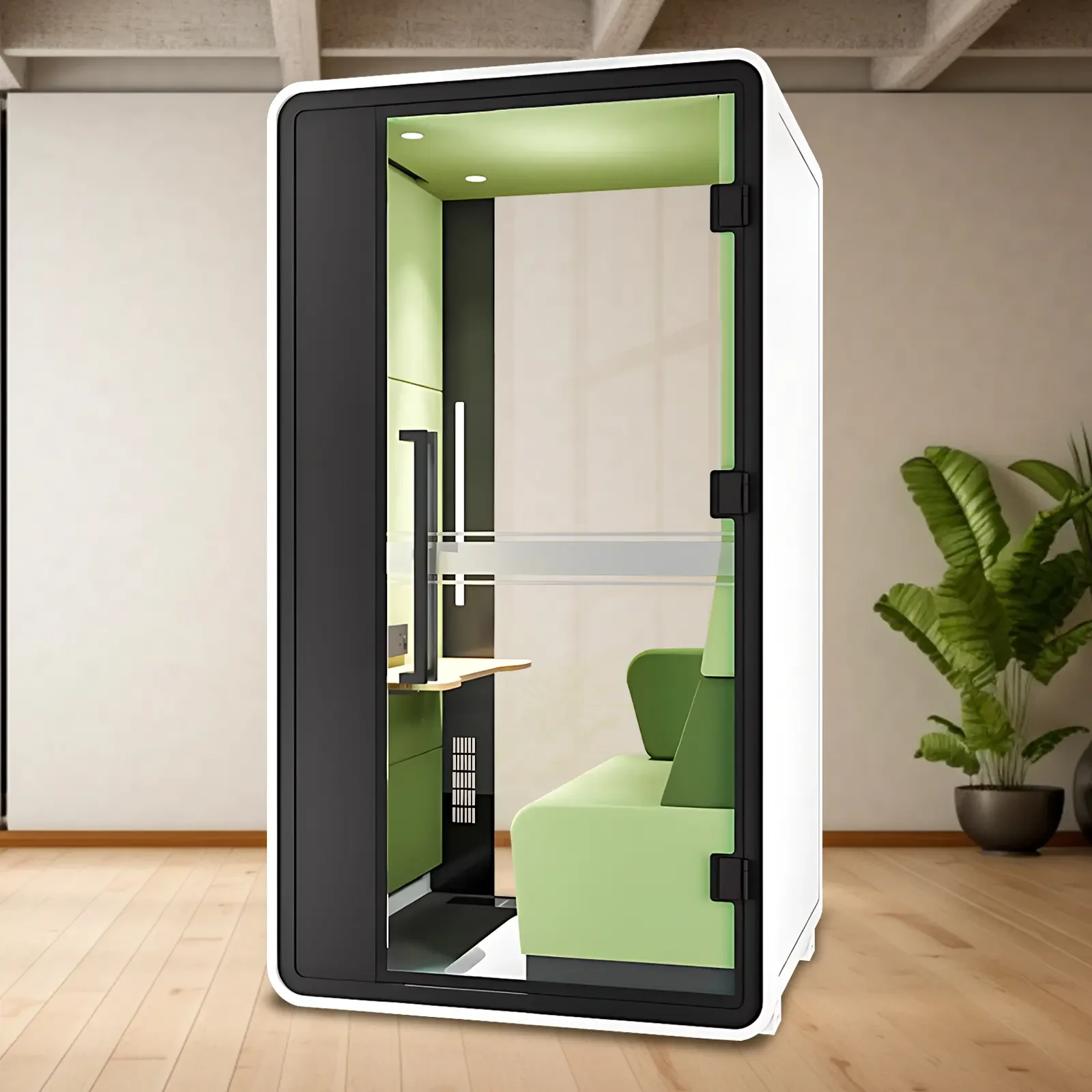
Rebuild your White Office Pods - Soundproof Rooms with Quiet Ventilation System and Lighting of X-comfot, the company that proposes a professional level of soundproofing in a smooth, minimalistic format. With a combination of effective noise isolation and modern uses, these small soundproof rooms (39.37in x 35.43in x 92.51in) fit in the busy office, remote office, or shared environment.
Recommendation
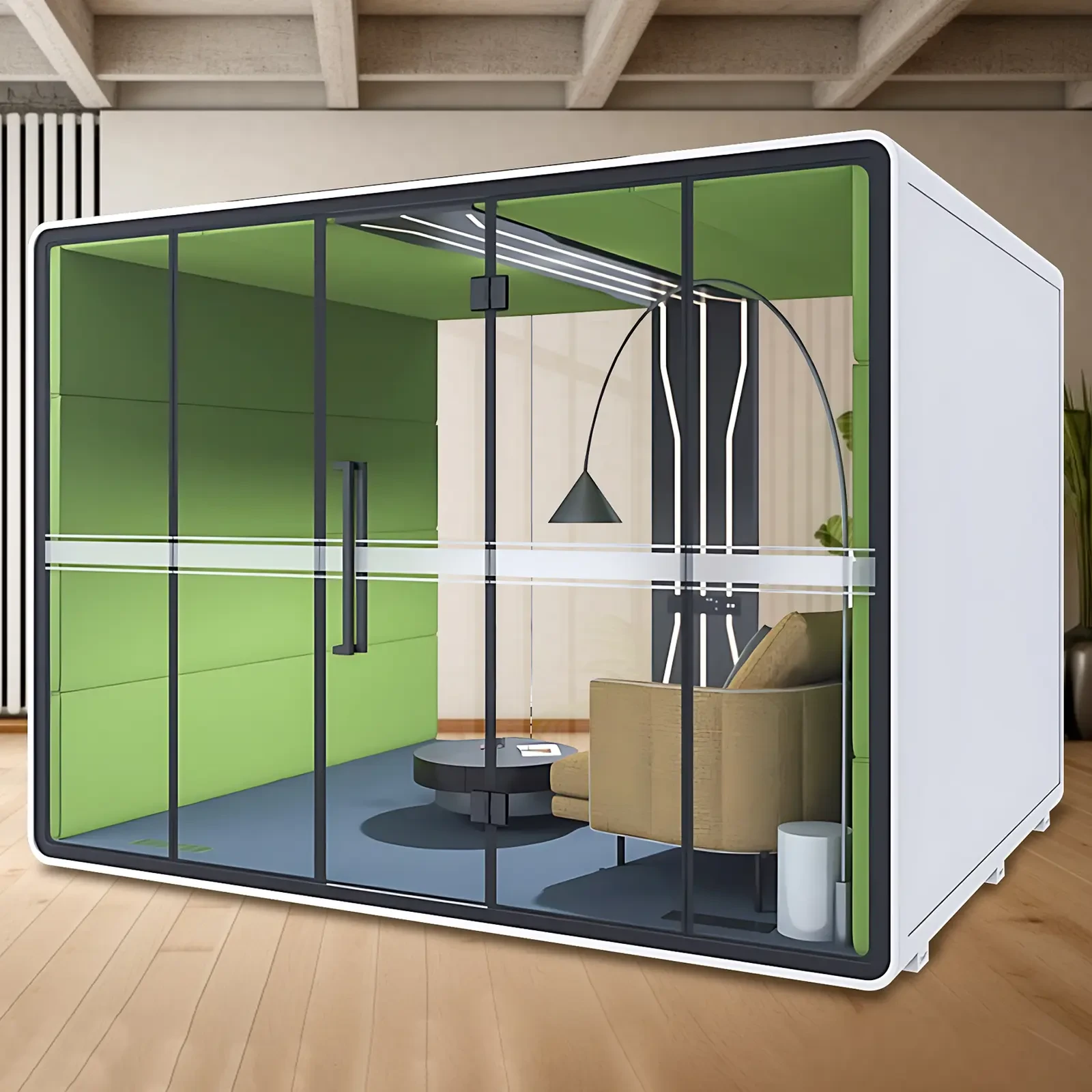
X-comfot is a firm that deals in providing the broad spectrum of soundproofing booths that meet the acoustic requirements of the modern work/living conditions by using our diverse product lineup which consists of Micro pad, mini pad, Midipad and maxipad products aimed at addressing the acoustic needs of the modern workplace and home setting that comes at the range of individual users on through to large groups of people suitable to offer the benefits of acoustic isolation of 30dB down to 35dB+ in their noise mitigation capabilities.
Subscribe To Our Newsletter
You Can Get The News Of Our Products
SIGN UP
X-comfot, your gateway to an efficient life. We are committed to becoming your most trusted brand of soundproof pod.
E-mail: support@x-comfot.com
Payment Methods