 GBP
GBP
 EUR
EUR
ecret Cube: A Comprehensive Guide to Designing Silent Cabins and Key Design Parameters

 USD
USD English
Jan 21, 2026


Sound is present in our lives at all times. Ever since we were young, there has been the rustling of leaves and the roar of the cars that roar on the streets. It is quite imperative to understand what safe decibel levels are to sustain not only the best hearing capability but also the anti-auditory effects that may occur in the long term, which may hamper your quality of life greatly.
What the Decibels Really Measure
The units of sound intensity are decibels, which are measured on a logarithmic scale that makes it rather counterintuitive to most people to comprehend sound levels. An average whisper is of about 30 decibels, whereas an average conversation is about 60 decibels, and a lawnmower may also reach about 90 decibels when it is in action.
The decibel scale is logarithmic, such that each 10-decibel increase doubles the perceived loudness to a human ear. This mathematical phenomenon has made it possible to understand that even the sounds that sound slightly louder may possess much more energy and power to do harm.
Understanding Safe Threshold Limits
There is generally a consensus in health organizations of the world that safe decibel levels that should be experienced over a long period without the use of hearing protection should not be more than 70 decibels over a span of eight hours. Sounds with a level of 85 decibels and above may start producing long-lasting permanent harm to hearing when exposed to them continuously without sufficient protection for a few hours.
This time of exposure is equally important as the intensity of exposure and the allowable exposure time decreases by a factor of three with each three-decibel increase in exposure beyond the 85-decibel threshold. The knowledge of this correlation of sound intensity and time of exposure is crucial to all people who live in noisy conditions or attend recreational events of great volume.
Sources of Noise Danger: Common Source
In contemporary city conditions, people are exposed to noise levels that can be potentially harmful at a much higher frequency than many individuals would be aware of that they are exposed to in their day-to-day operations. Traffic noise, construction sites, concerts, nightclubs, sports events, and even personal listening devices may cause sound levels that are well beyond the safe level of decibel levels.
Power tools and motorcycles typically hit 95 to 110 decibels, while rock concerts or stadiums can spike well over 120. It’s easy to ignore, but these bursts of sound quickly push you past safe decibel levels. Most people don't realize that noise exposure adds up throughout the day, and by the evening, that cumulative strain can seriously damage your hearing.
Pre-disaster Alerts to Destruction
By being aware of the initial signs of hearing impairment caused by noise, one can take appropriate measures before it is too late and one may have the congenital damage to the auditory system. Temporary threshold shift, which is muffled hearing or ringing in the ears after exposure to sound, is a clear indication of a loud noise that was beyond safe limits.
Tinnitus, which is hearing a ringing or buzzing sound, even when no one can hear an external sound, is usually a sign that some damage has already been caused to the already fragile hair cells in the inner ear. Inability to interpret speech in noisy situations or having to turn up the television volume with each passing second is also another red flag that should be given urgent treatment and evaluation.
Off-the-Record Workplace Protection Standards
In most developed nations, the occupational safety laws require employers to take certain precautions whenever workers are exposed to higher levels of sound that exceed the safe levels of decibels. These regulations normally require employers to equip them with the right hearing protection gear, to install engineering strategies to lessen the noise at its origin, and to carry out frequent hearing assessments for the impacted employees.
Administrative strategies like rotation of workers who are exposed to noise and quiet break stations are also significant in an overall hearing conservation program. Employees of construction, manufacturing, aviation, entertainment, and agricultural industries are under a special risk that requires special attentive protection.
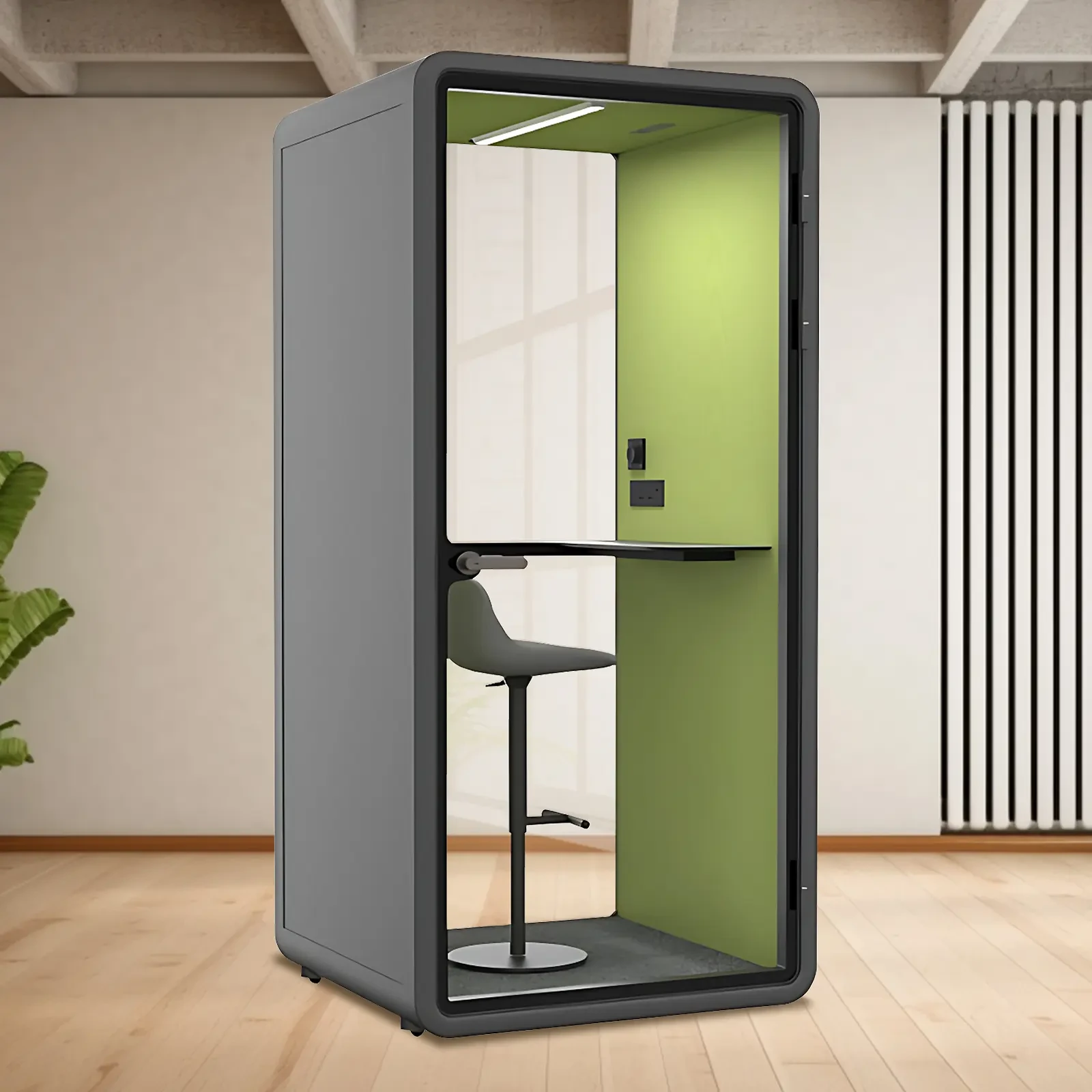
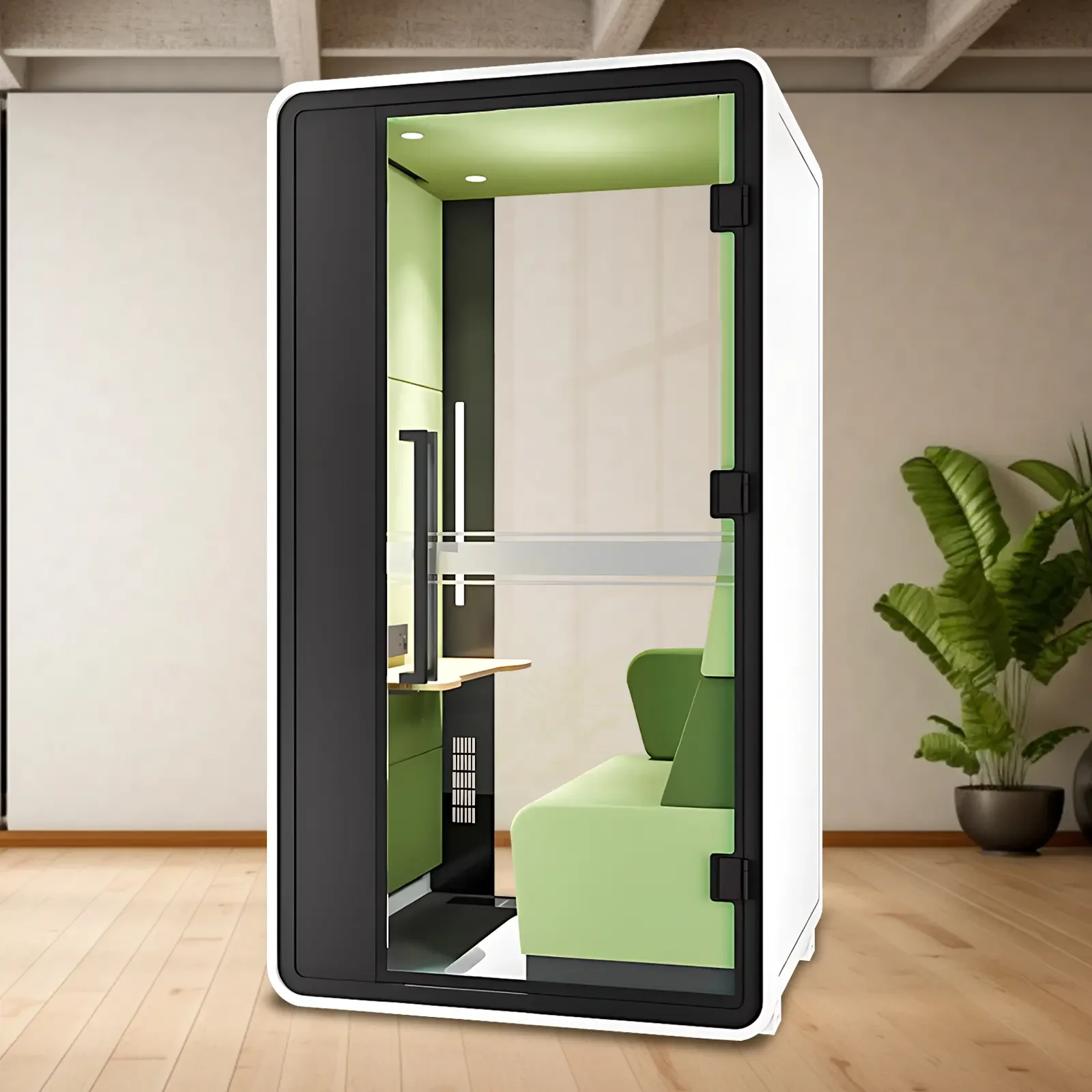
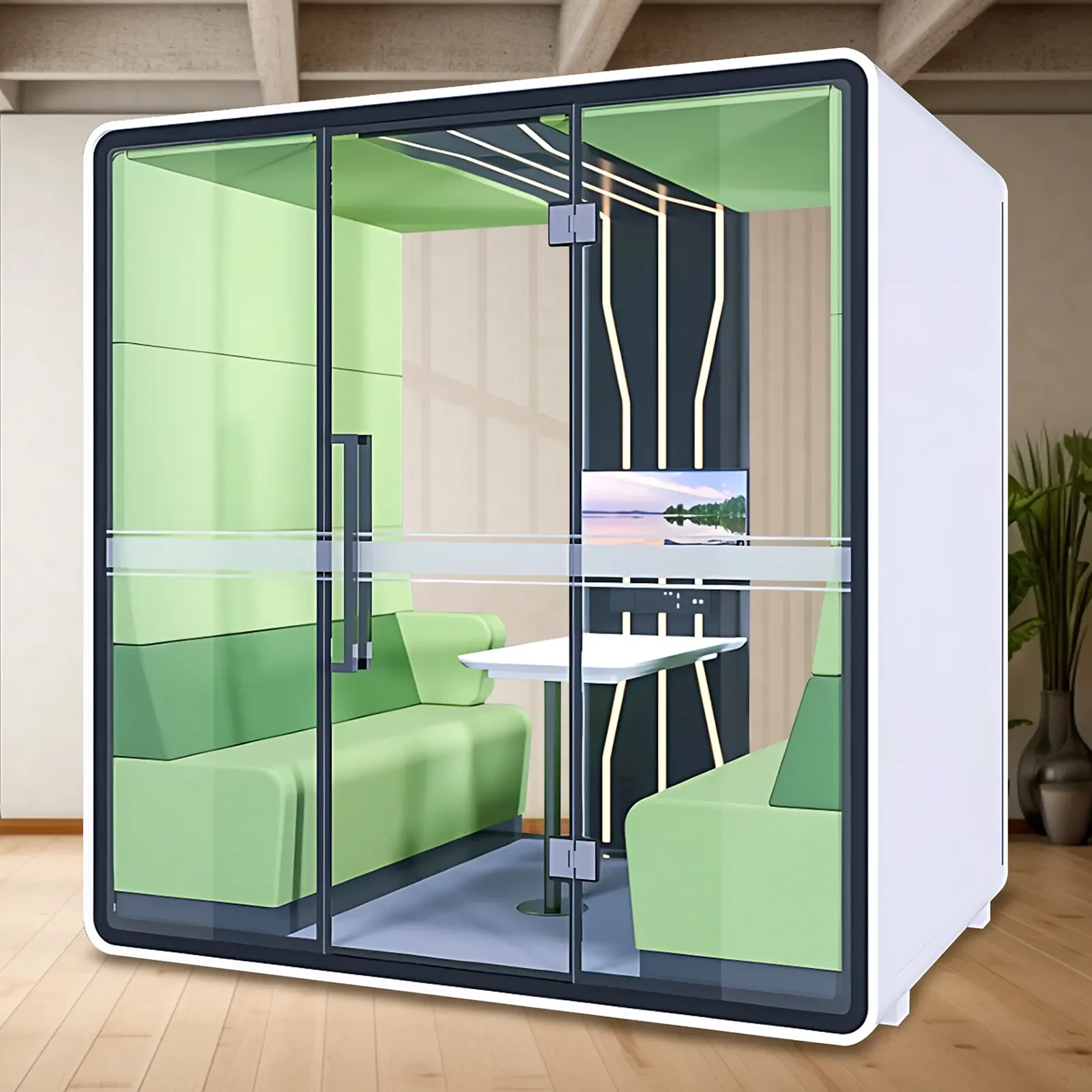
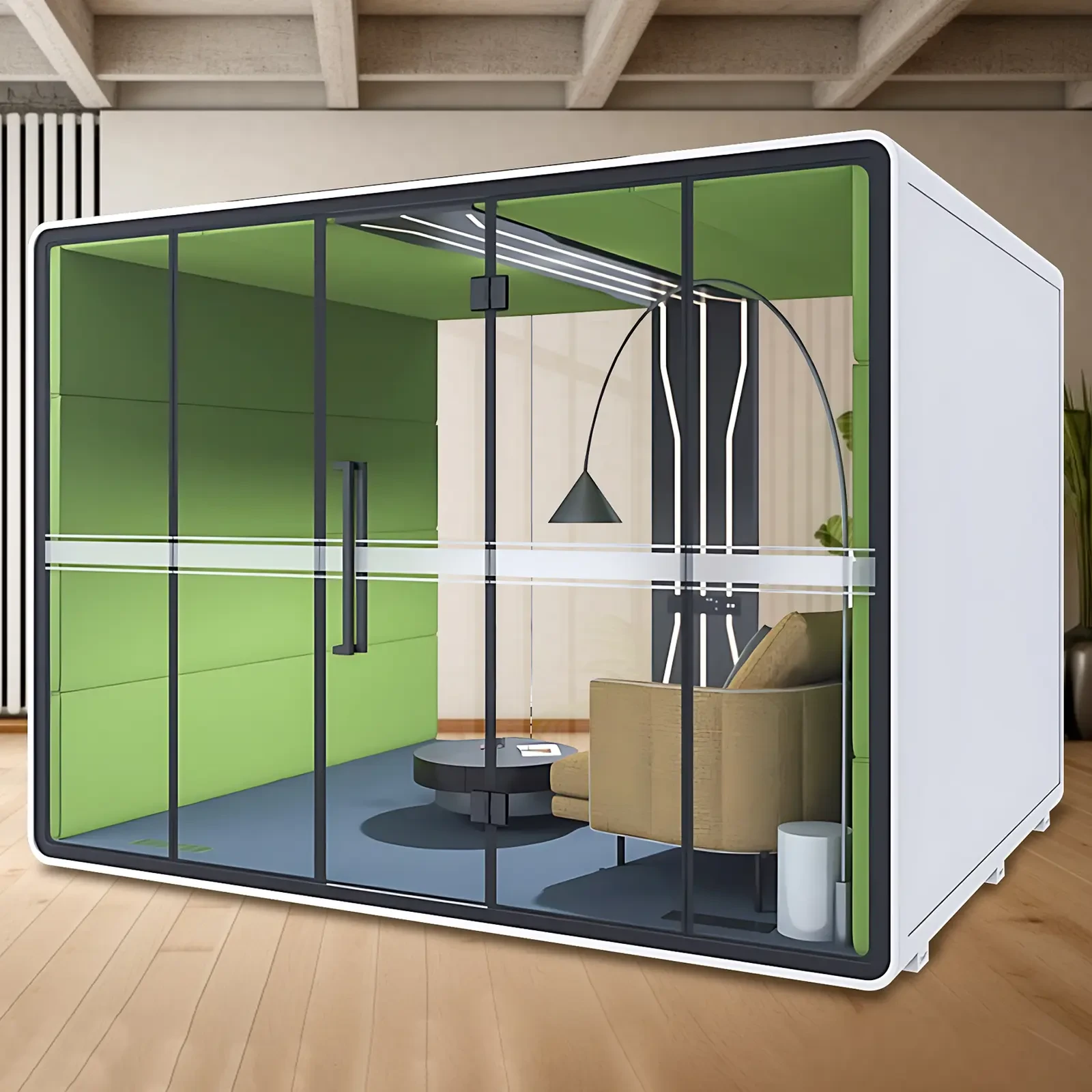
Orange Quiet Office Pod Create Your Own Focus Space: This is a freestanding sound-insulated focus room meant to introduce peace and concentration in an open office or home office, which has vivid orange coloring that gives the room a modern feel and stops the noise in the background. It provides good privacy in calls, telecommuting, and concentration, integration of a quiet acoustic layout, and an effective interior layout that is conducive to working. Constructed using high-quality materials and a small size, this pod is a type of dedicated personal workspace that optimizes your workflow without the need to construct it and permanently alter the arrangement in your office. Its plug-and-play nature renders it simple to install and move it to any place where there is a need to have a quiet zone.
Recommendation
X-comfot specializes in modular soundproof pods that bring professional-grade quiet to any home or office. Instead of permanent construction, our plug-and-play booths offer an immediate way to kill the noise and stay within safe decibel levels. Whether you’re working, sleeping, or just need to focus, our acoustic cabins create a controlled environment that protects your hearing and your productivity.
Subscribe To Our Newsletter
You Can Get The News Of Our Products
SIGN UP
X-comfot, your gateway to an efficient life. We are committed to becoming your most trusted brand of soundproof pod.
E-mail: support@x-comfot.com
Payment Methods