 GBP
GBP
 EUR
EUR
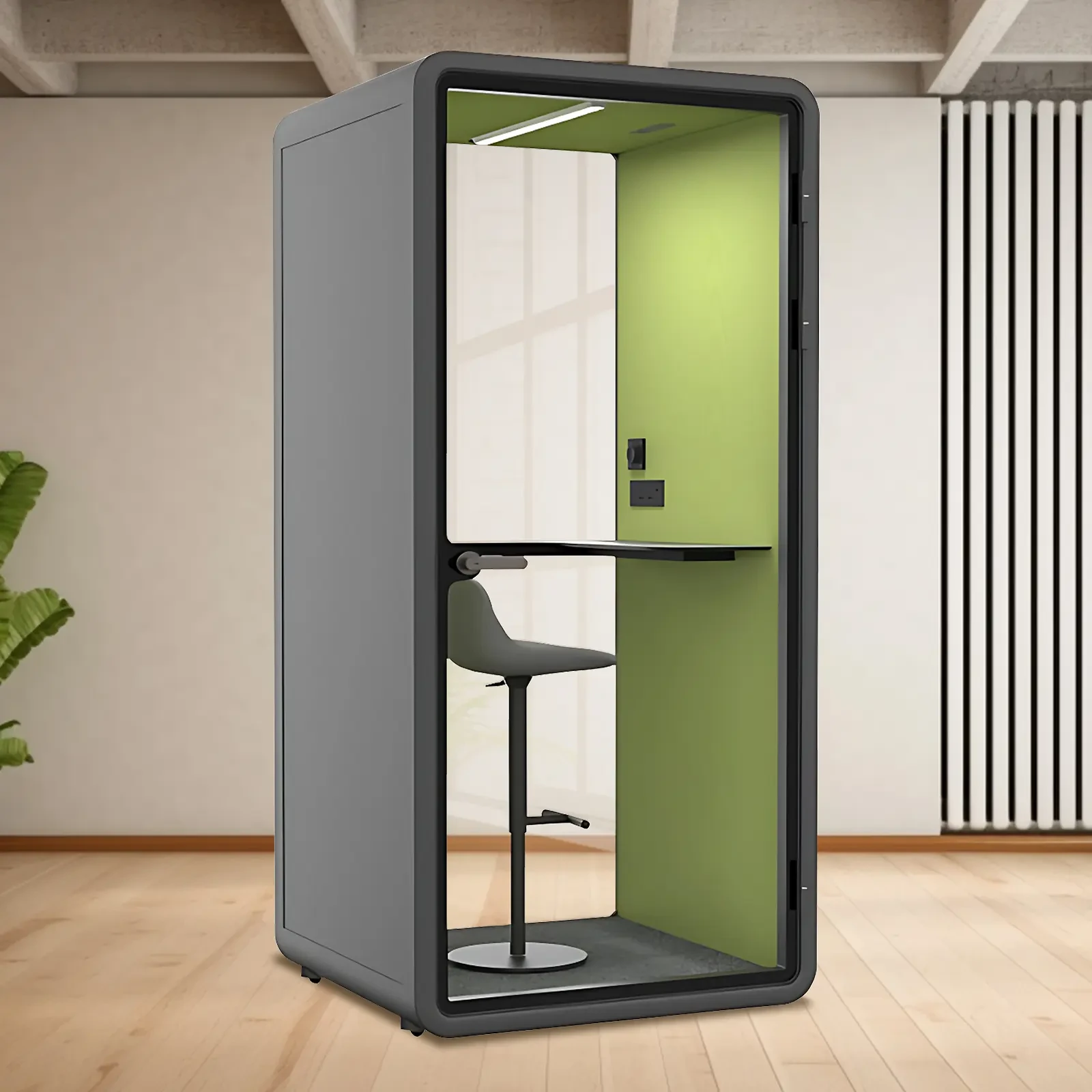
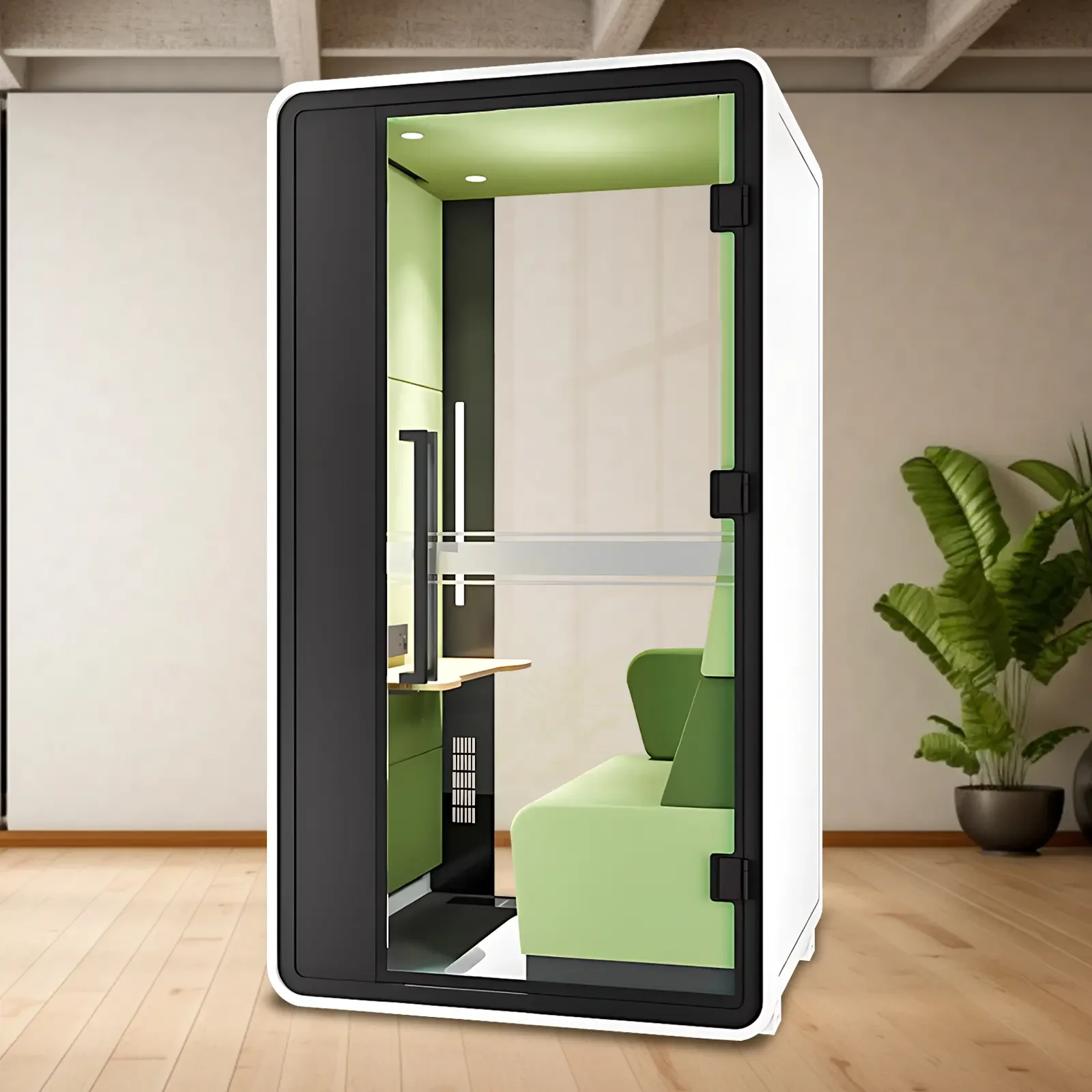
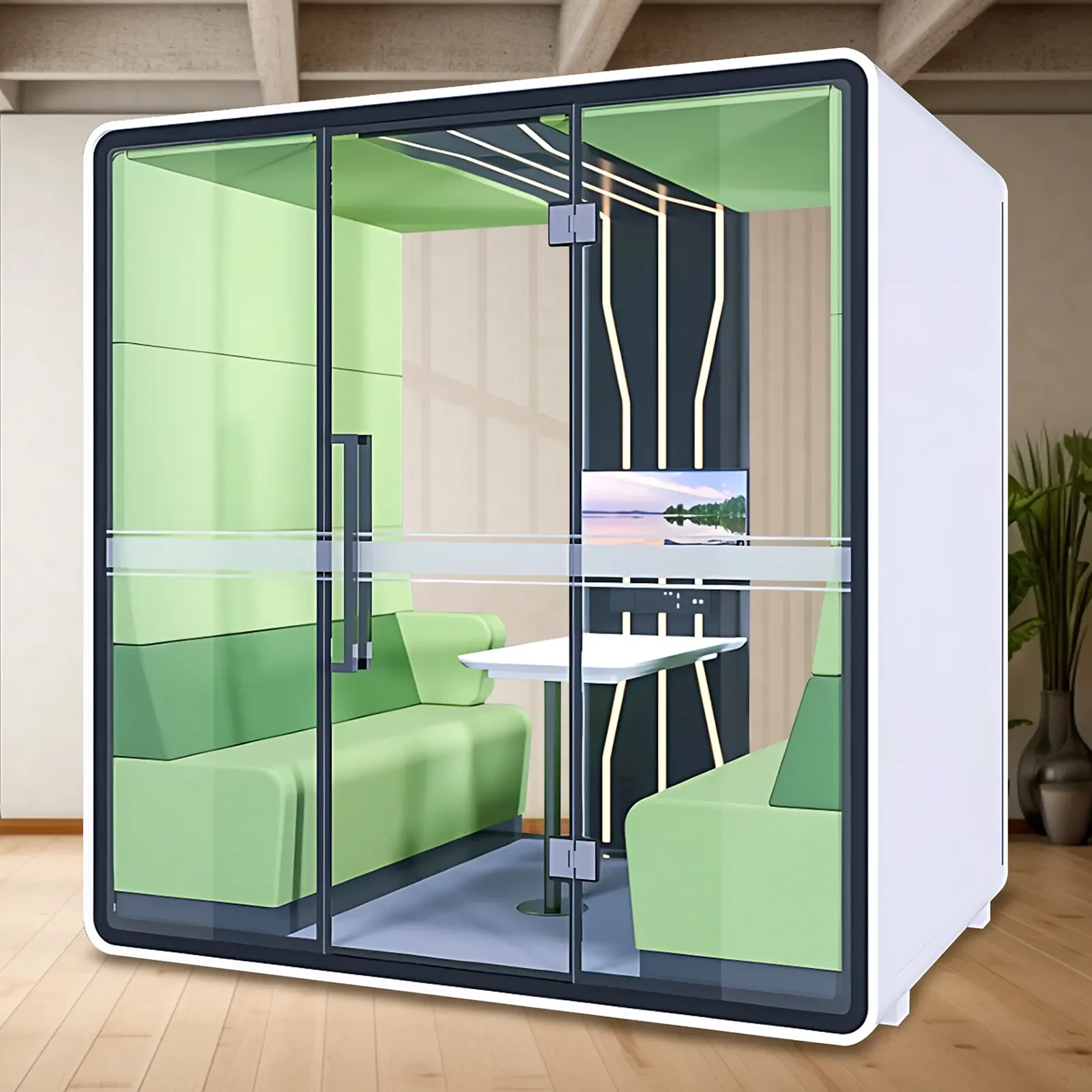
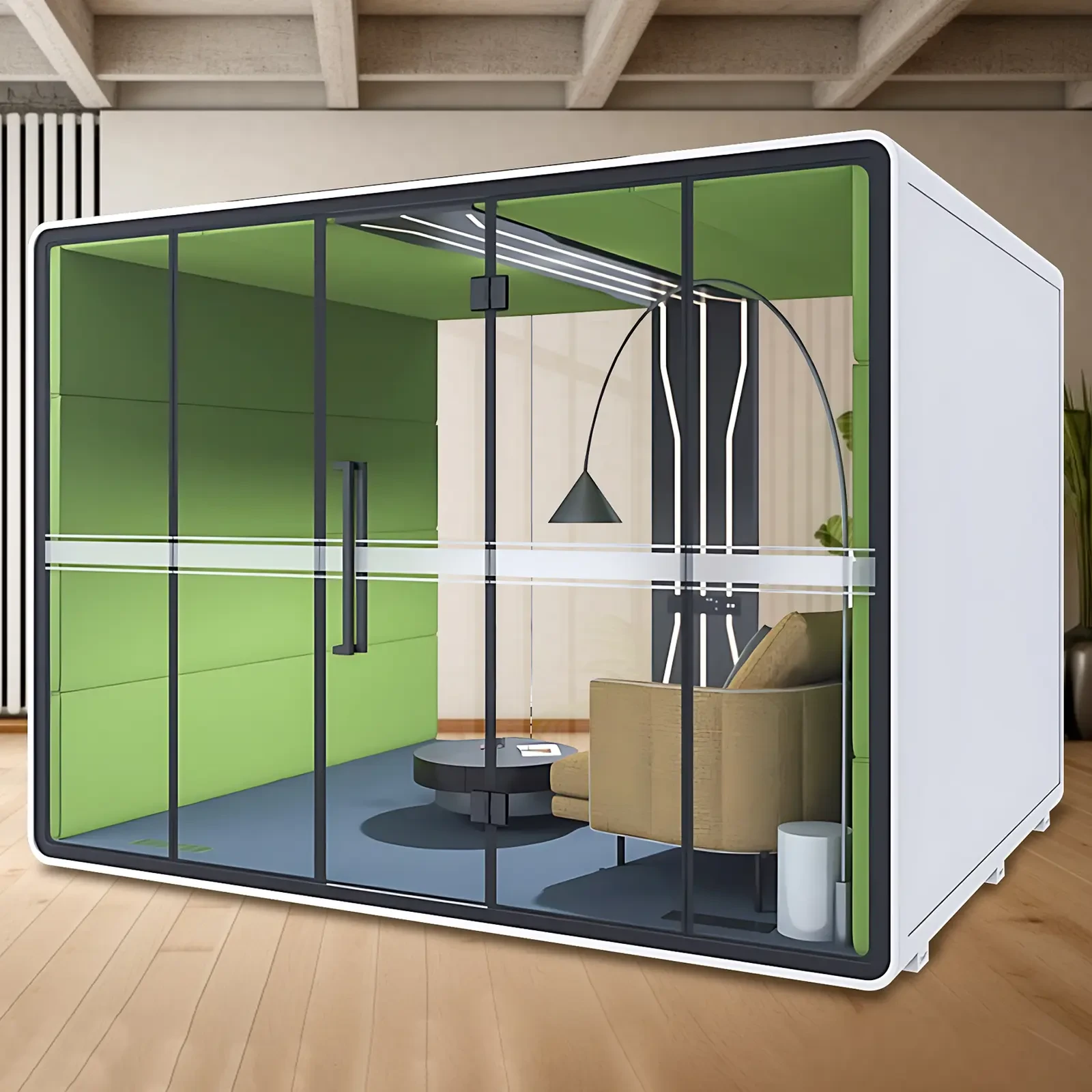
Key Design Guidelines for Quiet Pods in College Libraries

 USD
USD English
Dec 01, 2025


The deafening roar of engines penetrates the factory, affecting not only the lives of nearby residents but also threatening the health of workers.
In natural gas transmission and many industrial sectors, booster stations, as critical facilities, have made noise pollution a significant environmental issue. With increasing environmental awareness and stricter noise regulations, noise control at booster stations has become a crucial challenge for enterprises.
Main Sources of Noise at Booster Stations
A booster station is a multi-source noise generator, producing noise from aerodynamic, mechanical, and pipeline vibration sources. This noise is characterized by a wide frequency range, high low-frequency intensity, and a high overall sound level.
According to measured data, the noise generated by the compressor unit during operation can reach approximately 90 dB(A), and the noise level increases by another 3 dB(A) when two compressor units operate simultaneously.
Specifically, the noise at booster stations mainly comes from the following aspects:
Engine exhaust noise: This is the primary noise source. Measurements show that the noise at the muffler outlet can reach over 105 dB.
Air cooler fan noise: Aerodynamic and mechanical noise generated by fan rotation.
Turbocharging system noise: Especially pressure relief noise, mainly caused by wall vortex shearing effect, exhibiting broadband characteristics.
Overall compressor plant noise: Mixed noise formed by the superposition and reflection of multiple noise sources in an enclosed space.
Pipeline and vibration noise: Secondary radiated noise generated by pipeline vibration caused by equipment operation.
Serious Impacts of Noise Pollution
Impact on the Surrounding Environment
According to environmental protection standards, the environmental noise emission at the boundary of booster stations should meet the Class 3 area standard, namely 65 dB(A) during the day and 55 dB(A) at night. However, in actual operation, the noise of a single booster unit far exceeds this standard.
Especially in some older booster stations, the equipment is close to residential areas. Taking a certain gas field as an example, of the five booster stations already built, four are near residential areas, with the closest being only 50 meters away. The enormous noise directly affects the quality of life and physical and mental health of the surrounding residents.
Health Threats to Workers
Workers exposed to high-noise environments for extended periods face serious health risks:
Studies show that noise directly affects the central nervous system, causing sympathetic nerve tension, increased heart rate, arrhythmia, and elevated blood pressure. Increasing evidence suggests that noise levels of 65-75 dB have an impact on heart disease and blood pressure.
Legal and Regulatory Requirements
With the continuous improvement of environmental protection policies, my country's requirements for noise pollution prevention and control are becoming increasingly stringent:
The *Noise Pollution Prevention and Control Law of the People's Republic of China* officially came into effect on June 5, 2022, clearly stipulating prevention and control measures for various types of noise pollution.
The *Emission Standard for Industrial Enterprises at Boundary* (GB12348-2008) specifies noise limits for different areas, requiring Class 3 industrial areas to not exceed 65 dB(A) during the day and 55 dB(A) at night.
Local regulations: For example, the recently issued *Several Provisions of Hunan Province on the Prevention and Control of Noise Pollution* further refines the requirements for noise control. The implementation of these laws and regulations provides a clear legal basis for enterprise noise control, while also imposing strict penalties for exceeding emission standards.
Comprehensive Control Solutions and Technologies
Faced with the noise problem of turbocharger stations, single control measures are often ineffective; a comprehensive control solution is needed, addressing multiple aspects from the source, the transmission path, and receptor protection.
Source Control Technologies
Improving the pressure relief valve structure: Studies show that optimizing the pressure relief valve structure can reduce the average total sound pressure level by approximately 24 dB. For HISS noise and exhaust noise generated by turbochargers, a combination of multi-cavity perforated pipe mufflers and insert-type expansion chamber mufflers can be used in the compressor pipeline for control.
Engine exhaust system modification: Changing from a straight-through exhaust to a swirl-flow intake + filter sound absorption system can reduce noise from 105.4 dB to 90.9 dB.
Using low-noise equipment: When purchasing new equipment, prioritize low-noise models to control noise generation at the source.
Propagation Path Control Technology
Soundproof Enclosure Solution: Dedicated soundproof enclosures can be designed for compressor units. Studies show that with a suitable soundproof enclosure, the total noise reduction at 1 meter from the equipment can reach 29.5 dB(A). Specifically, it can be divided into:
* Semi-enclosed: Utilizing high-efficiency sound-absorbing and insulating barriers, with a sound insulation ≥25 dB(A).
* Fully enclosed: Constructing a fully enclosed compressor noise reduction room can reduce outdoor noise to below 60 dB.
Silencer Application: Installing high-efficiency silencers in the exhaust duct, selecting appropriate silencer types based on different frequency characteristics:
* Helmholtz silencer: Suitable for low-frequency noise control.
* Multi-cavity multi-hole silencer: Significantly reduces exhaust noise.
* Smoke exhaust silencer: Combined with soundproof enclosures, the noise reduction is not less than 14 dB(A).
Sound Absorption Treatment: Installing sound-absorbing materials inside the compressor plant to reduce reverberation noise. Studies have shown that installing sound-absorbing materials (noise reduction coefficient NRC=0.83) on the top of the compressor shed can effectively reduce indoor noise.
Damping and vibration reduction measures: Using damping materials on the foundations of pipes and equipment subject to strong vibrations reduces vibration transmission and secondary noise radiation.
Positive Significance of Noise Control
Environmental Benefits
Effective noise control can significantly improve the acoustic environment quality of the area surrounding the booster station, reduce interference with residents' lives, and create a more harmonious community. It also concretely demonstrates the company's commitment to environmental social responsibility.
Economic Benefits
Although noise control requires some investment, its long-term economic benefits are significant:
Avoiding sewage discharge fees: According to the "Management Measures for Sewage Discharge Fee Collection Standards," a single compressor unit should pay approximately 200,000 yuan in sewage discharge fees annually, totaling 4.03 million yuan over a 20-year operating period.
Relatively low control costs: The investment in noise control for a single compressor unit is less than 1 million yuan, far lower than the long-term sewage discharge fees.
Improved work efficiency: A good working environment helps improve employee work efficiency and health, reducing occupational health problems caused by noise.
Implementing noise control measures helps businesses build a positive social image, increases public acceptance of industrial projects, and creates favorable conditions for sustainable development. It also aligns with the national strategy of promoting ecological civilization.
Subscribe To Our Newsletter
You Can Get The News Of Our Products
SIGN UP
X-comfot, your gateway to an efficient life. We are committed to becoming your most trusted brand of soundproof pod.
E-mail: support@x-comfot.com
Payment Methods