
 USD
USD  GBP
GBP
 EUR
EUR

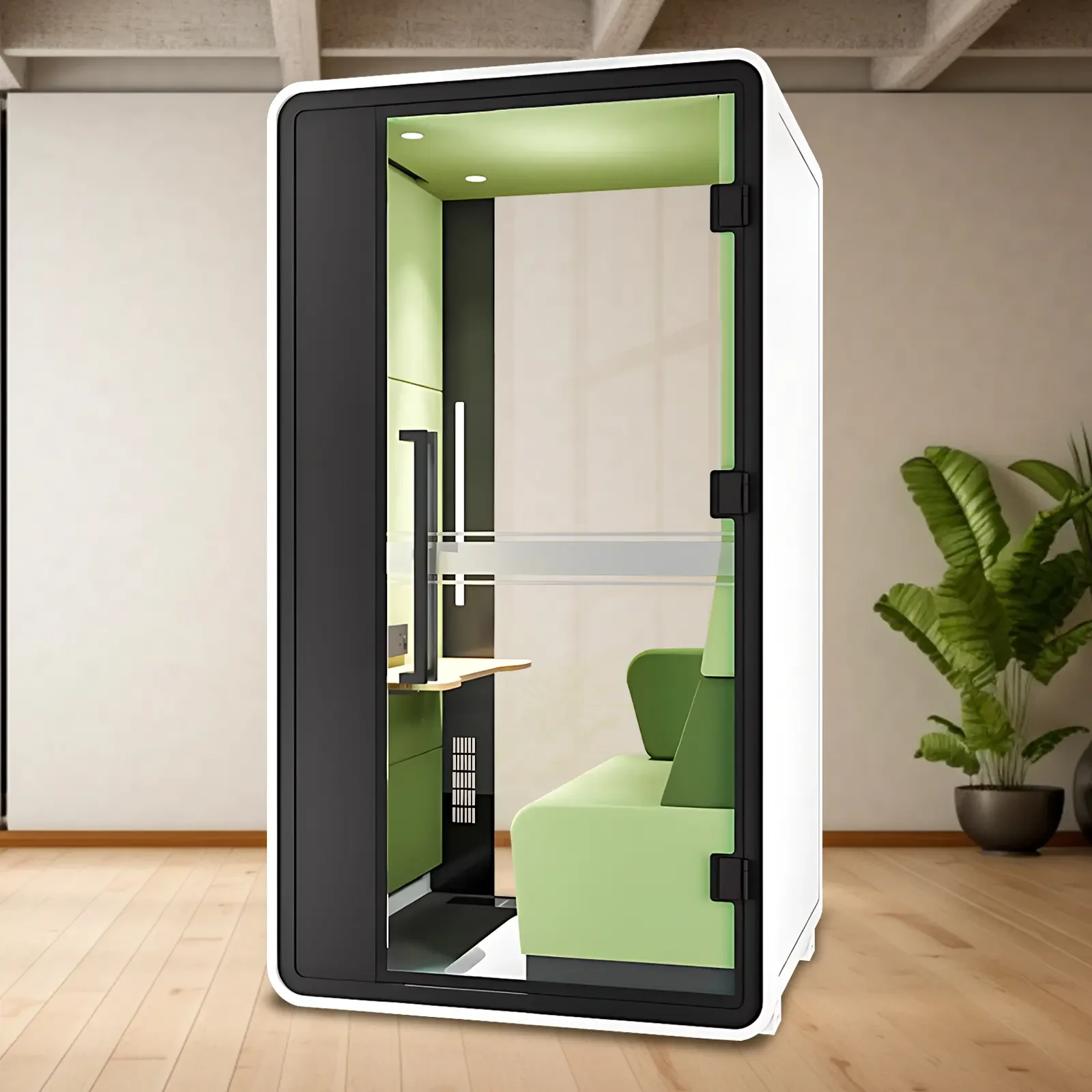


Which is the best for home soundproofing and environmentally friendly sound insulation: sound-absorbing cotton or sound-insulating cotton?
Noise pollution is increasingly prominent in modern homes. Whether it's traffic noise, neighbors talking, or the sound of household appliances, it can all affect our quality of life and rest. To address this issue, many families are focusing on purchasing and using soundproofing materials, especially sound-absorbing and sound-insulating cotton. This article will provide a detailed introduction to these two materials to help you choose the most suitable option for your home.
I. Definitions and differences between sound insulation cotton and sound absorption cotton
1.1 Sound insulation cotton
Sound insulation cotton is primarily used to reduce sound penetration; it's a material that blocks sound transmission. Its function is to isolate sound propagation, and it's commonly used in walls, roofs, and floors to significantly reduce external or indoor noise. Sound insulation cotton comes in various materials, commonly including polyurethane, mineral wool, and glass wool.
1.2 Sound-absorbing cotton
The primary function of sound-absorbing cotton is sound absorption, meaning it effectively absorbs indoor sound and reduces echoes, making it an excellent choice for improving the indoor sound environment. The surface of sound-absorbing cotton typically has an uneven structure, which increases sound wave attenuation, thereby reducing echoes. Common sound-absorbing materials include polyester fibers and foam materials.
1.3 Main Differences
Although sound insulation cotton and sound absorption cotton sound similar, their functions differ. Sound insulation cotton primarily reduces sound transmission, while sound absorption cotton reduces sound reflection and reverberation. In home decoration, the two can be used in combination according to specific environmental needs to achieve the best sound control effect.
II. Types and Performance Analysis of Sound Insulation Cotton
2.1 Mineral wool sound insulation cotton
Mineral wool sound insulation cotton is a material made from minerals through high-temperature melting and blowing. It possesses excellent flame retardancy and sound absorption properties. Its main characteristics include:
- Environmental friendliness: Contains no harmful substances and meets national environmental protection standards.
- Sound insulation effect: Mineral wool has a high density and can usually reduce noise by about 35-45 decibels, making it an excellent choice for sound insulation.
- Durability: Mineral wool is not easily deformed or aged and can be used for more than 10 years.
2.2 Glass wool sound insulation cotton
Glass wool sound insulation material is made from waste glass through high-temperature processing. It is lightweight, easy to install, and has good sound absorption properties. Its characteristics include:
- Economical and affordable: Glass wool has a relatively low cost, making it suitable for large-area use and home decoration.
- Sound absorption performance: It can effectively absorb sound waves in the mid-to-high frequency range and reduce echoes.
2.3 Polyurethane sound insulation cotton
Polyurethane sound insulation cotton is a modern material that is lightweight, easy to move, and widely used in home decoration. Its characteristics include:
- Highly flexible: It can be cut and spliced at will, making it suitable for a variety of scenarios.
- Excellent acoustic performance: Effectively reduces low-frequency noise, suitable for environments with special sound quality requirements such as music rooms and cinemas.
III. Types and Performance Analysis of Sound-absorbing Cotton
3.1 Polyester fiber sound-absorbing cotton
Polyester fiber sound-absorbing cotton is made of polyester fiber, and is lightweight and soft, making it widely used in interior decoration. Its main properties include:
- Excellent sound absorption: It can significantly reduce indoor echo and noise levels.
- Safety: It has good flame retardancy and moisture resistance, making it suitable for use in a variety of environments.
3.2 Foam sound-absorbing cotton
Foam sound-absorbing cotton is a common sound-absorbing material that absorbs sound waves through its porous structure. Its characteristics include:
- Easy to install: It can be directly pasted onto interior walls, making it convenient and quick.
- A variety of colors: Different colors can be selected to match the home style, enhancing the aesthetics of the interior.
3.3 Dynamic sound-absorbing cotton
Dynamic sound-absorbing cotton is a new type of sound-absorbing material with strong sound dispersion effects, making it suitable for use in environments with high sound quality requirements. Its features include:
- Superior acoustic performance: It can effectively absorb and disperse sound, enhancing the auditory experience.
- Wide range of applications: It is often used in recording studios, cinemas and other places with high sound quality requirements.
IV. How to Choose the Right Sound Insulation/Sound Absorption Materials
Choosing the right sound insulation or sound absorption materials requires considering several factors, including the following:
4.1 Usage Requirements
First, you need to understand the noise problem you are facing. If the external noise is severe, you can choose sound insulation cotton; if the indoor echo is too great, sound-absorbing cotton is more suitable. In some cases, you can use both in combination to achieve a more comprehensive sound management effect.
4.2 Material Properties
Different materials have different properties and should be selected according to actual needs. If environmental performance is important, glass wool or polyester fiber sound-absorbing cotton can be selected; if more durable materials are required, mineral wool sound insulation cotton can be selected.
4.3 Ease of Construction
Simple and easy-to-install materials can effectively reduce time and labor costs. Most sound-absorbing and sound-insulating cottons are relatively easy to install, especially polyurethane sound insulation cotton and foam sound-absorbing cotton, which can be easily installed using adhesive methods.
4.4 Budgetary Considerations
The prices of sound insulation and sound absorption materials on the market vary widely, so choose according to your budget. Generally speaking, mineral wool and glass wool are relatively inexpensive, while dynamic sound-absorbing cotton and some imported materials may be more expensive.
V. Summary
Sound insulation and sound absorption materials play a crucial role in home sound quality management; proper selection and application will significantly improve your living environment. When purchasing, consider your own needs, taking into account factors such as material performance, environmental friendliness, and ease of installation to choose the most suitable product to enhance your family's quality of life. We hope this article will help you in choosing home sound insulation materials, allowing you to enjoy a quiet and comfortable living environment.
X-comfot, your gateway to an efficient life. We are committed to becoming your most trusted brand of soundproof pod.
E-mail: support@x-comfot.com