
 USD
USD  GBP
GBP
 EUR
EUR
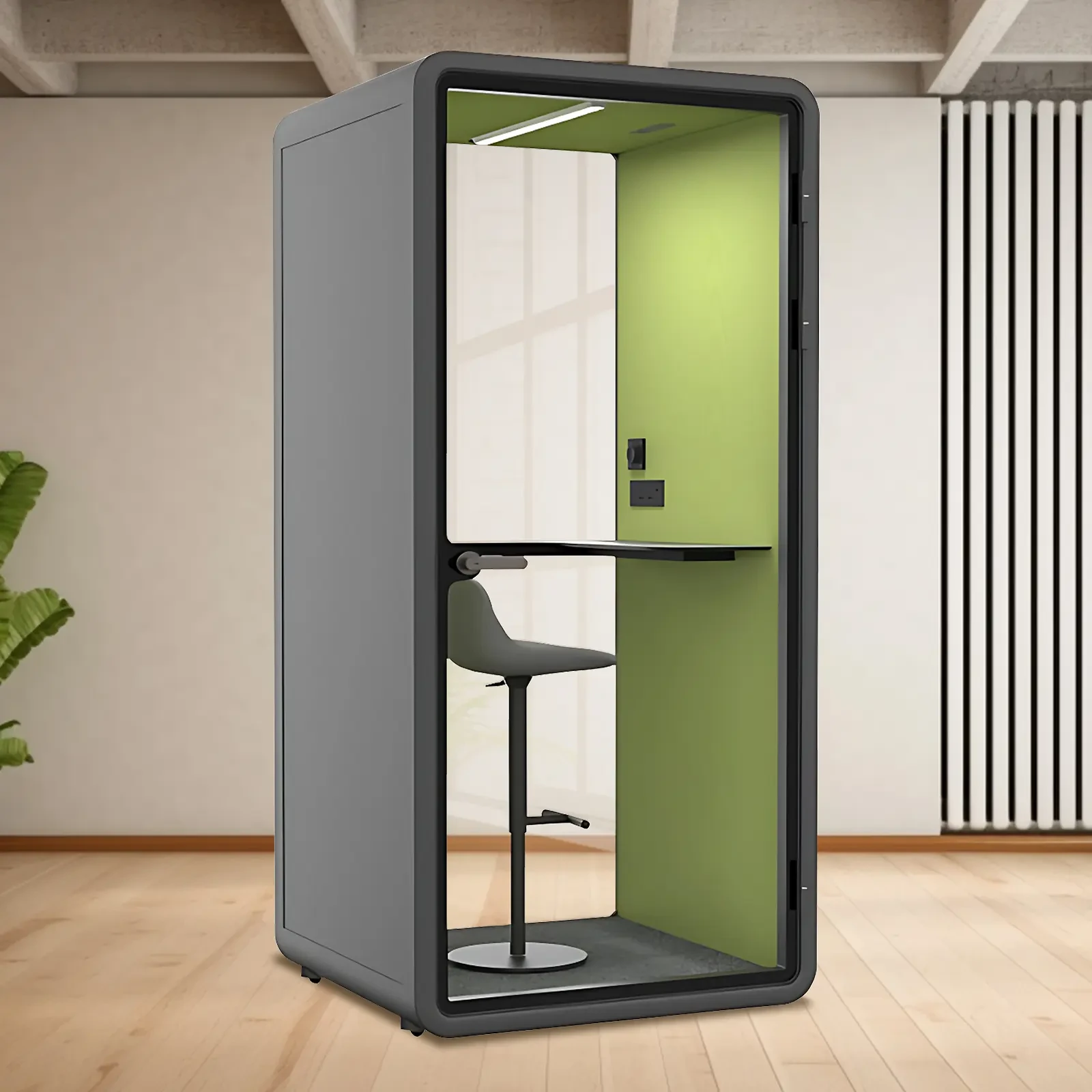
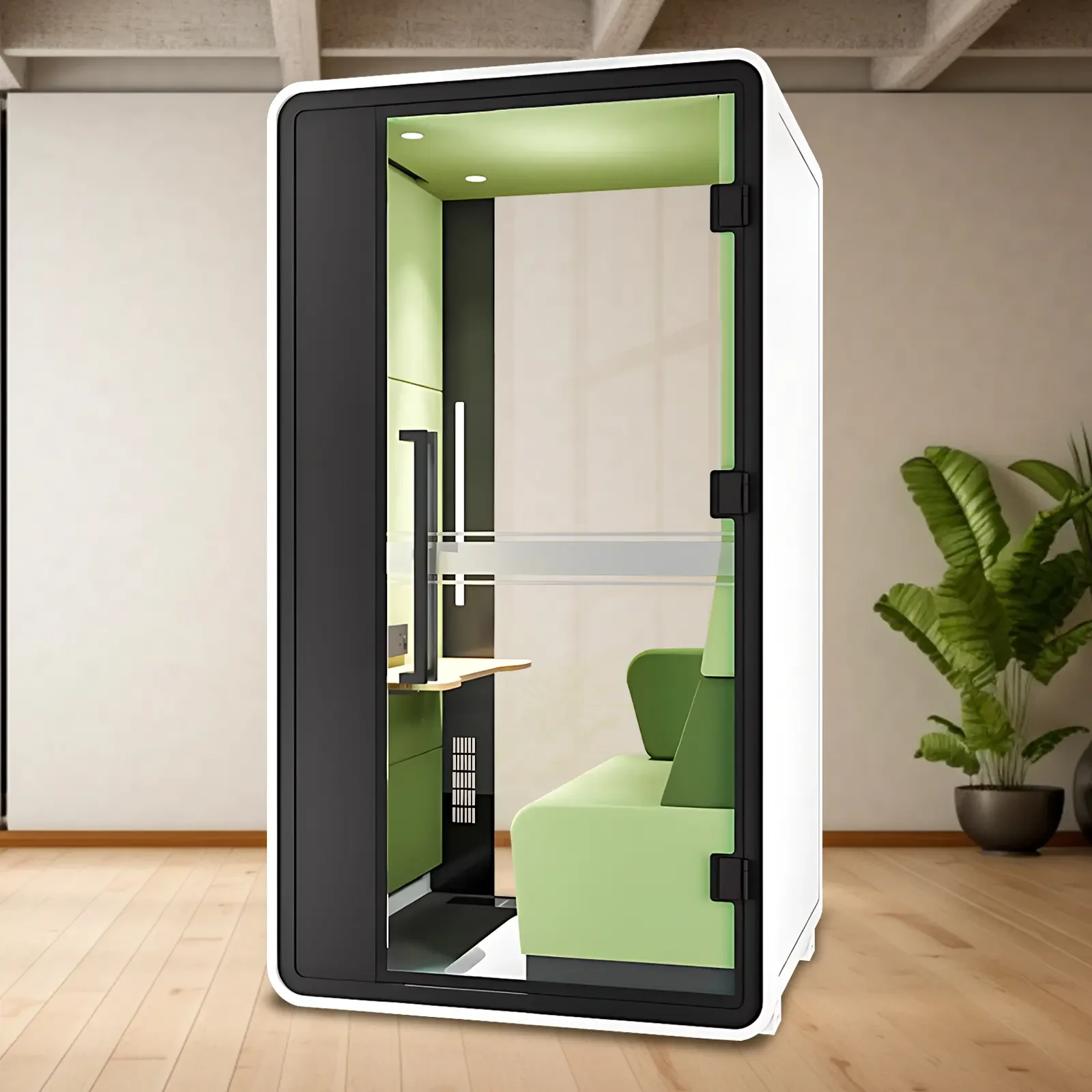
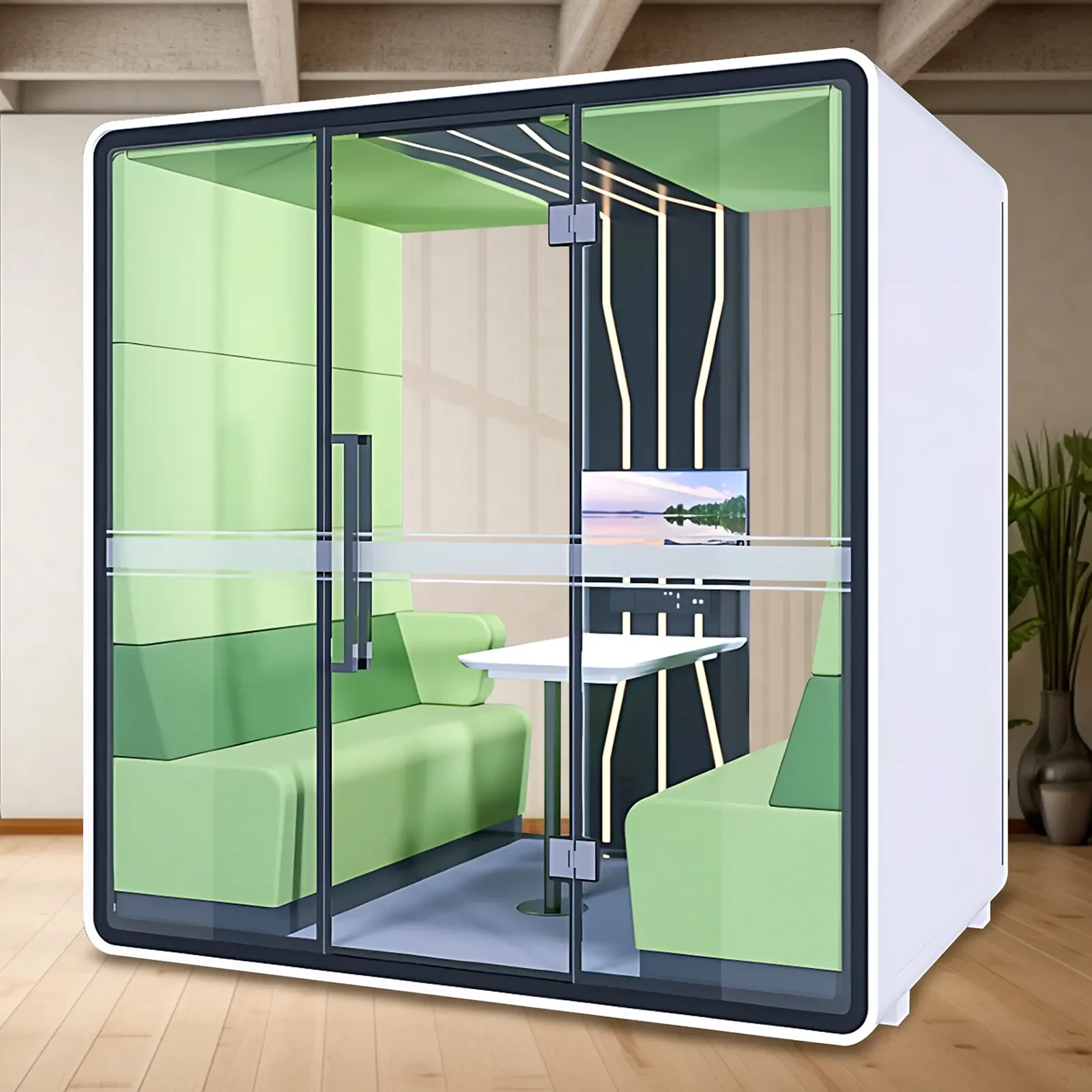
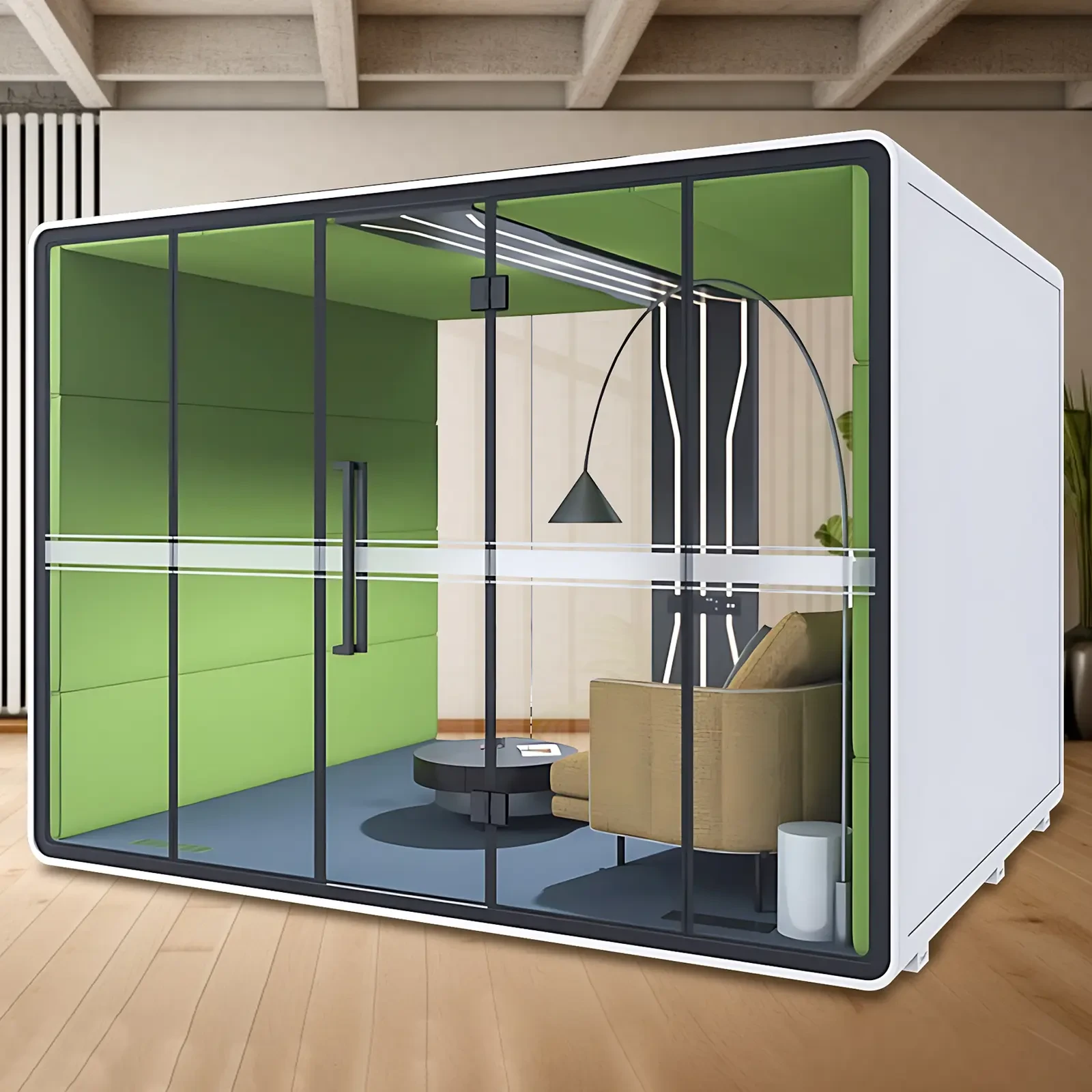
Which is more suitable for you: sound insulation cotton or sound absorption cotton?
In modern life, people are increasingly valuing the sound quality of their living and working environments. Especially in the context of urban noise, a good acoustic environment not only improves quality of life but also significantly impacts work efficiency and mental well-being. When creating an ideal acoustic environment, sound insulation and sound absorption materials are often mentioned. This article will discuss in detail the differences and advantages of these two materials, and how to choose one based on individual needs.
I. Basic Concepts of Sound Insulation Cotton and Sound Absorbing Cotton
Sound insulation cotton is a soundproofing material used to block the transmission of sound, its function being to reduce the transmission of sound waves. Designed primarily for the need for "blocking," sound insulation cotton effectively isolates external noise, preventing sound from entering a room through walls, ceilings, or floors. It is suitable for places requiring ample privacy or a quiet environment, such as recording studios, movie rooms, and bedrooms.
Sound-absorbing cotton is a sound-absorbing material used to reduce sound reflections and echoes. It helps absorb sound waves in a room, reducing reverberation caused by audio reflections, thereby improving the room's sound quality. Sound-absorbing cotton is commonly used in concert halls, conference rooms, cinemas, and other venues to ensure that users can hear sounds clearly without being disturbed by echoes.
II. Comparison of Material Properties
1. Construction method
Sound insulation cotton is typically made of high-density materials such as polystyrene, polyurethane, or asbestos. These materials effectively block sound waves, thus providing sound insulation. Sound-absorbing cotton, on the other hand, is generally made of open-cell foam or other high-porosity materials, which absorb sound waves and prevent them from being reflected.
2. Performance Indicators
The performance index of sound insulation cotton is generally expressed as "sound insulation," usually measured in decibels (dB), which refers to the degree of sound intensity attenuation after passing through the sound insulation cotton. The performance of sound absorption cotton is commonly expressed as "NRC value" (Noise Reduction Coefficient), reflecting the material's ability to absorb sound waves of different frequency bands.
3. Applicable Scenarios
Sound insulation cotton is commonly used in the following scenarios:
- Soundproofing of residential and hotel rooms allows owners to enjoy a quiet environment.
- Sound control in motor vehicle repair shops and industrial areas to reduce noise from employees.
- Professional settings such as audio recording studios ensure the purity of the recordings.
Sound-absorbing cotton is suitable for:
- Music performance spaces, dance studios, etc., should avoid the chaos caused by sound wave reflection.
- Enhance the sound system in cinemas and conference rooms.
- Schools and libraries create a quiet learning environment.
III. Factors to consider when choosing a material
1. Purpose of Use
If you need a quiet working or living environment, sound insulation cotton is a better choice. However, if you want to improve sound quality and audio effects, sound-absorbing cotton is more suitable. Ultimately, you need to determine your primary needs based on the purpose and requirements of the space.
2. Construction and Installation
The installation of sound insulation cotton is often quite complex, typically involving factors such as wall thickness and sealing. Sound-absorbing cotton, on the other hand, is usually easy to install and requires no special construction techniques. Choose the appropriate material based on your own conditions and budget.
3. Space size
Sound-absorbing cotton may be more suitable for small spaces, as greater sealing in a small space can actually lead to sound concentration and create noise. Larger spaces, on the other hand, can consider a combination of sound-absorbing and sound-insulating cotton for more comprehensive sound control.
4. Budget
Different types of sound insulation and sound absorption cotton vary significantly in price. Generally, sound insulation cotton is usually more expensive. If your budget is limited, you can consider using sound absorption cotton first to improve the sound quality of the space, and then gradually add sound insulation cotton later.
IV. Recommended Common Products in the Market
1. Sound insulation cotton
- Polyurethane sound insulation cotton: It has good sound insulation effect and is suitable for residences and recording studios.
- Asbestos sound insulation panels: a traditional material, but health factors need to be considered when using them.
- Acoustic soundproofing bricks: beautiful and environmentally friendly, suitable for home use.
2. Sound-absorbing cotton
- Portable sound-absorbing foam: easy to apply and adjustable to suit your needs.
- Acoustic cotton felt: Suitable for large venues, with significant sound absorption effect.
- Wall-mounted sound-absorbing panels: They can serve as decoration while also absorbing sound, making them suitable for use in offices and conference rooms.
V. Summary
Sound insulation and sound absorption materials each have their unique functions and values in creating a pleasant audio environment. Understanding the characteristics and applicable scenarios of these materials helps us make more informed choices in our pursuit of ideal sound effects. Choosing the right material based on your environment, needs, and budget will lay a solid foundation for improving your audio experience. In a noisy world, a quiet space is our ultimate goal. Through this article, you should now have a deeper understanding of sound insulation and sound absorption materials. Consider making your choice based on your needs to create an ideal living and working environment.
X-comfot, your gateway to an efficient life. We are committed to becoming your most trusted brand of soundproof pod.
E-mail: support@x-comfot.com