
 USD
USD GBP
GBP
 EUR
EUR
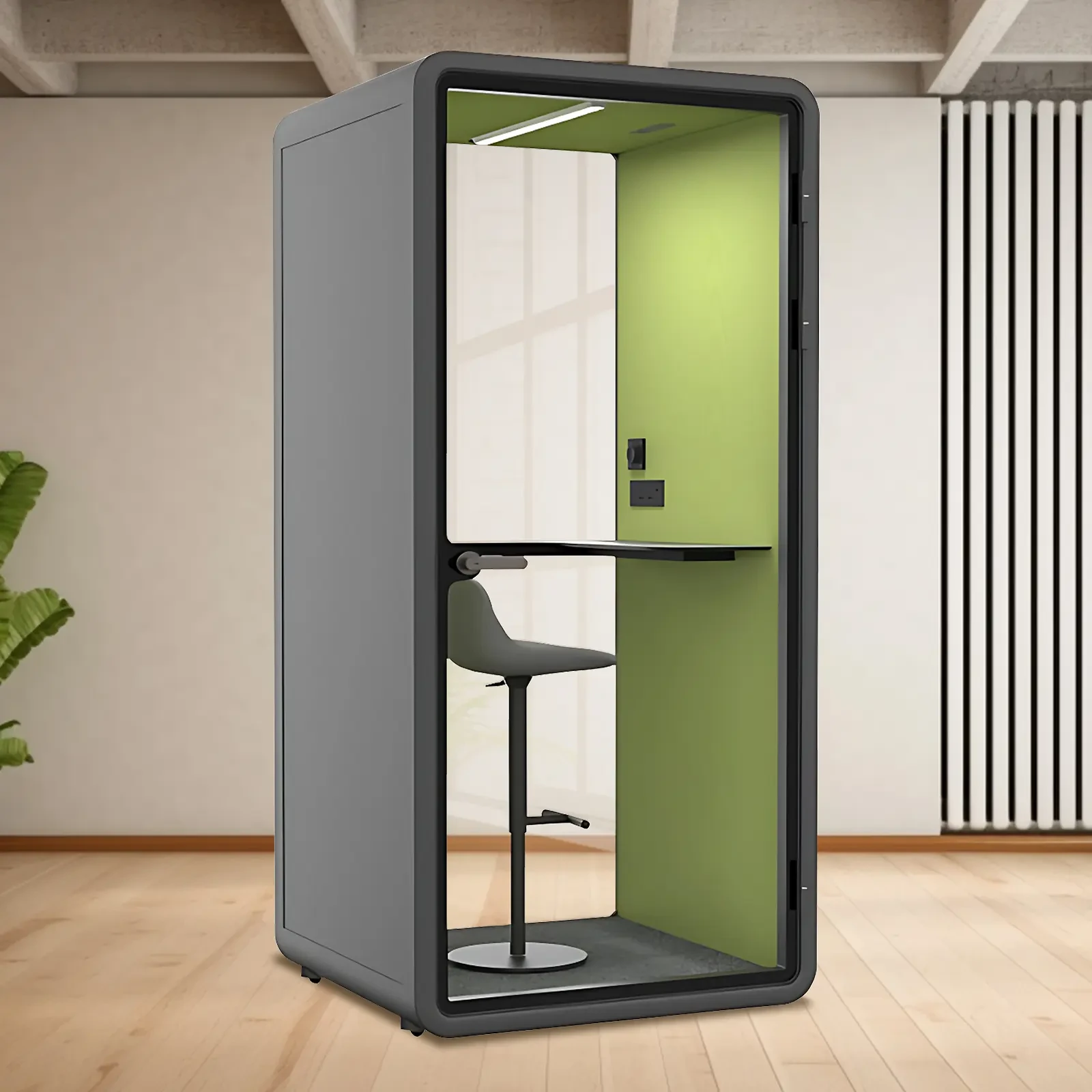

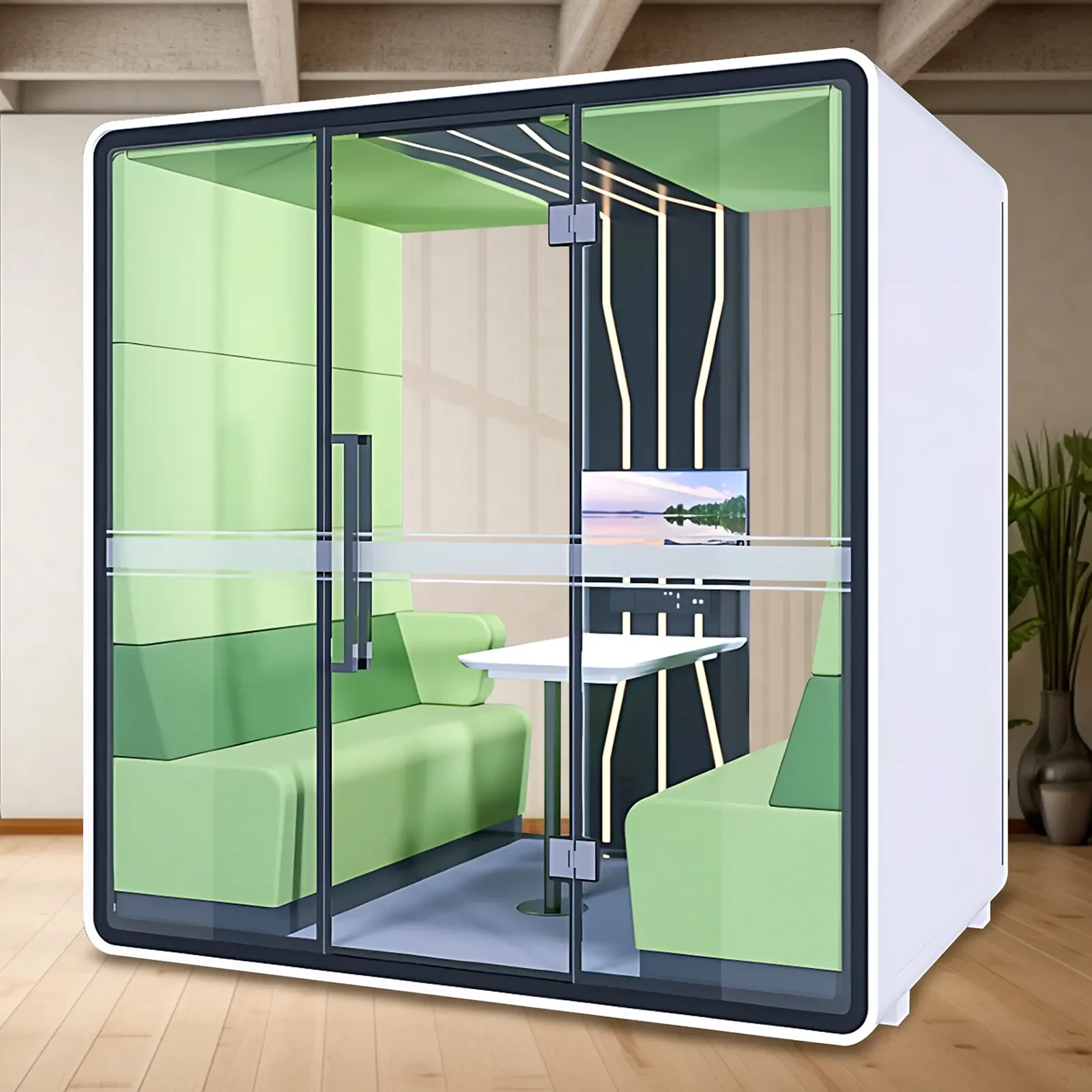
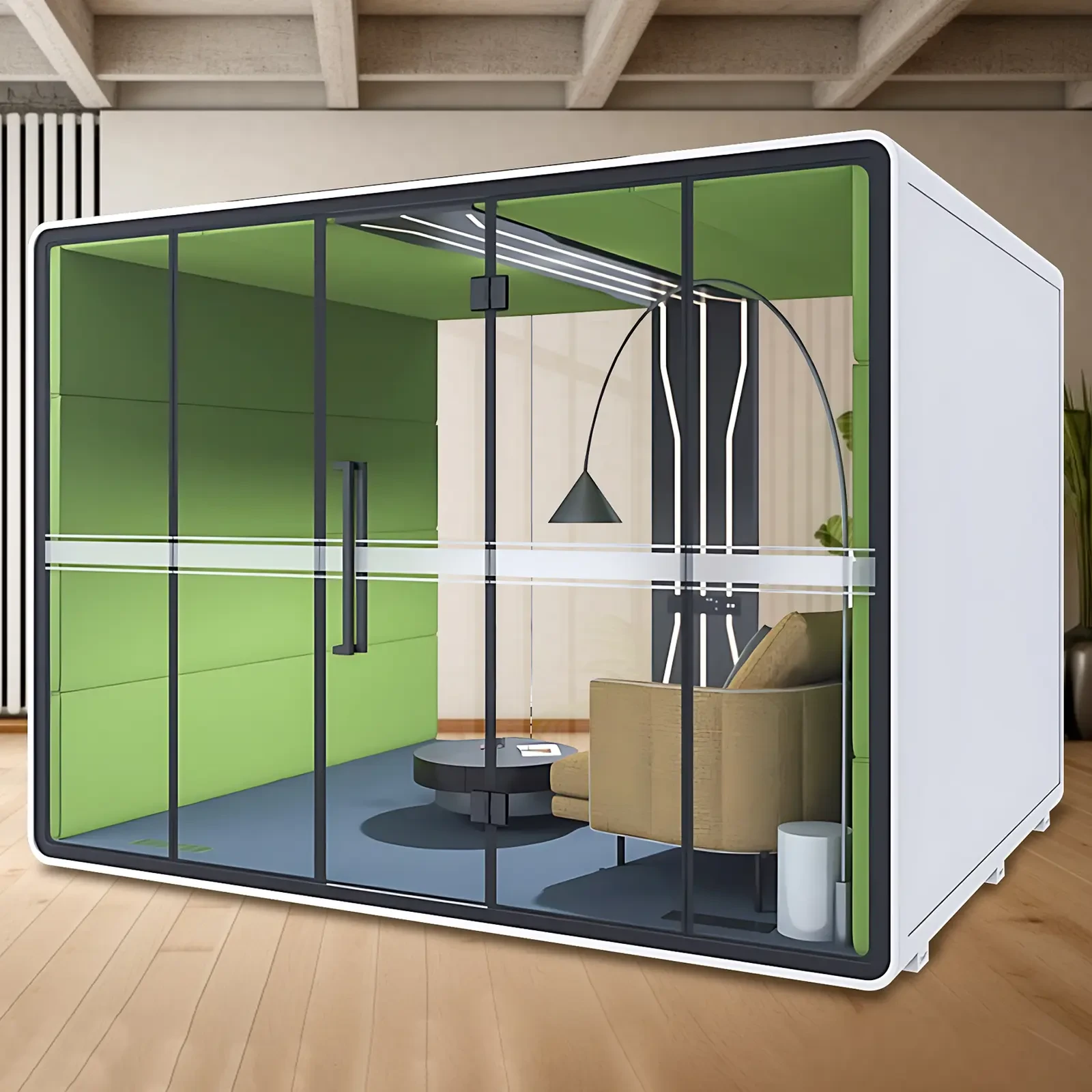
Air compressor rooms are common equipment in modern industrial production, and the noise they generate during operation is a major cause of environmental pollution and health problems for employees. Therefore, understanding the noise sources in air compressor rooms and corresponding control measures is crucial for protecting the environment and employee health. This article will explore the noise sources in air compressor rooms, discussing which noise levels are the highest and introducing corresponding control measures.
Noise sources in an air compressor room refer to the various noise sources generated during the operation of the air compressor room. Below are some of the larger noise sources:
1. Compressor:
The compressor inside an air compressor is one of the main sources of noise. When the compressor is working, it generates mechanical motion and gas vibration, among which engine noise and vibration of the compressor base are the main noise sources.
2. Exhaust pipe:
The exhaust pipe is another significant source of noise. During operation, the air compressor discharges a large amount of gas into the exhaust pipe, and the high-speed gas flow and compressor vibration generate noticeable noise.
3. Fan:
Fans in the ventilation system of the air compressor room are another significant source of noise. The high-speed rotating fan blades cause air vibration and wind noise, especially in older or poorly designed equipment.
There are many effective measures to address noise issues in air compressor rooms, which can effectively reduce the generation and spread of noise. Here are some common noise control techniques:
1. Noise isolation:
Noise isolation involves building soundproof walls or using sound-absorbing materials around the air compressor room to isolate the noise source from the external environment. Soundproof walls can effectively block the propagation of noise and reduce its impact on the surrounding environment.
2. Acoustic sound absorption:
Acoustic sound absorption involves using sound-absorbing materials or installing sound-absorbing panels inside the air compressor room to absorb noise. These materials and panels can absorb noise vibrations and convert them into heat energy, reducing noise reflection and propagation.
3. Vibration control:
Vibration is a major source of noise, and controlling vibration can significantly reduce noise generation. Materials such as rubber pads and rubber springs can be used to isolate and reduce machine vibration, thereby lowering noise levels.
4. Equipment maintenance:
Regular equipment maintenance and upkeep are also crucial for reducing noise. Regular inspection, lubrication, and replacement of worn parts of air compressors and related equipment can reduce noise generation.
5. Process Improvement:
Optimizing and improving the process flow can reduce the noise generated during air compressor operation. Proper planning and organization of equipment layout can reduce impact and interference, thereby lowering noise levels.
Noise generated during the operation of air compressor rooms is a significant environmental issue. This article introduces various noise sources in air compressor rooms and corresponding control measures, aiming to provide useful suggestions for reducing noise and improving the working environment. Noise control in air compressor rooms requires comprehensive consideration of various factors and the adoption of multiple measures to achieve the best results. Only through scientific management and the application of technical means can we truly reduce the impact of noise on employees and the environment, contributing to health, safety, and sustainable development.