
 USD
USD  GBP
GBP
 EUR
EUR
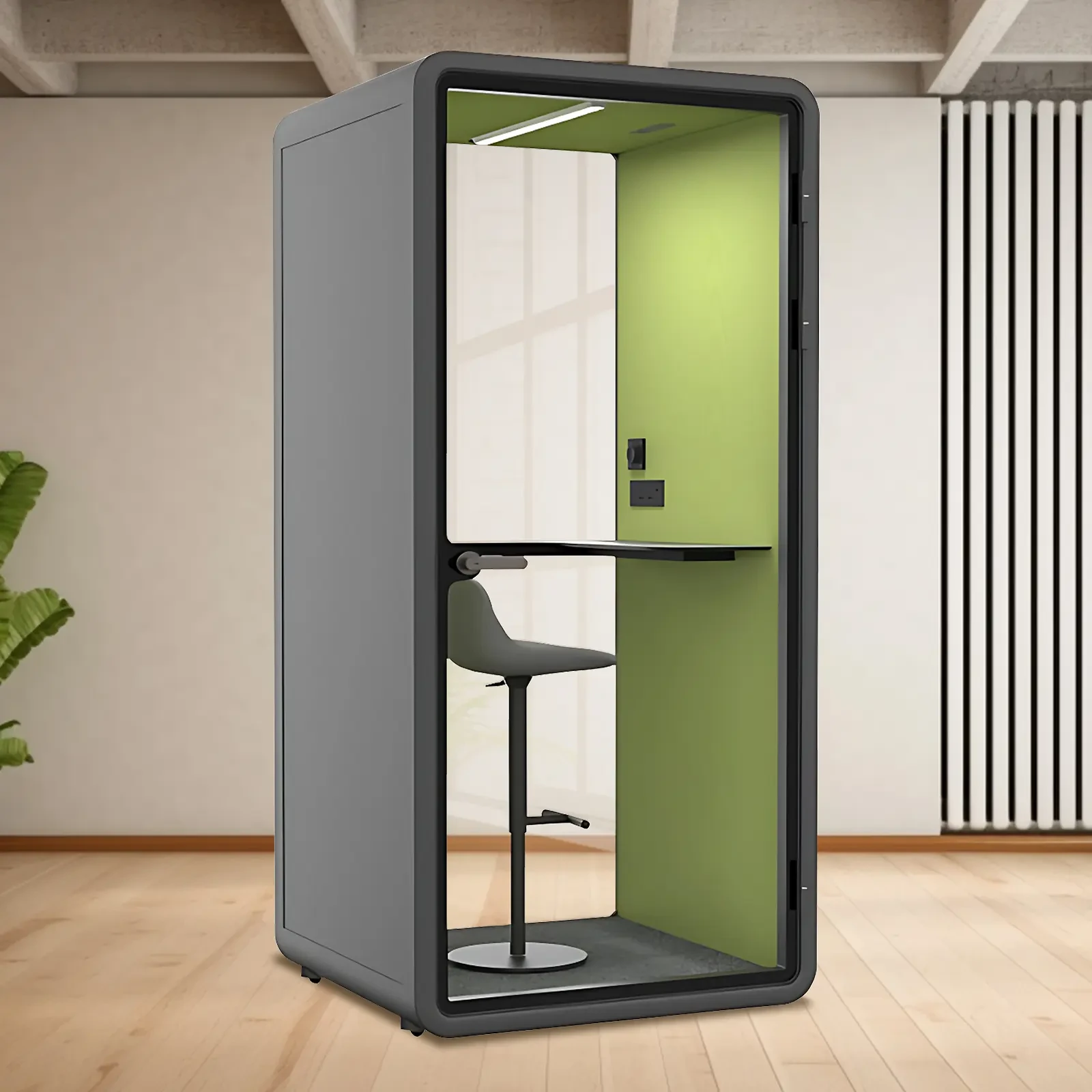
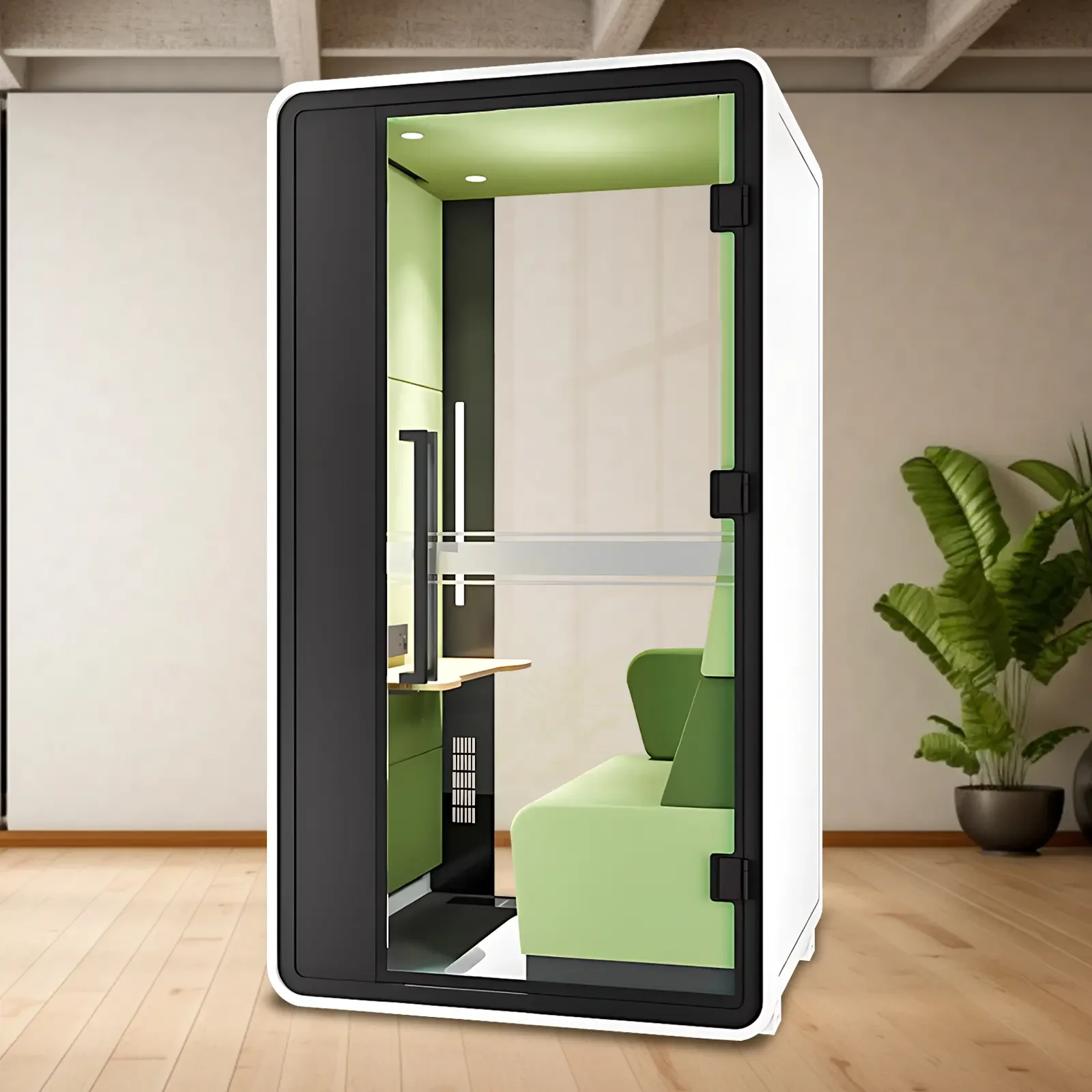
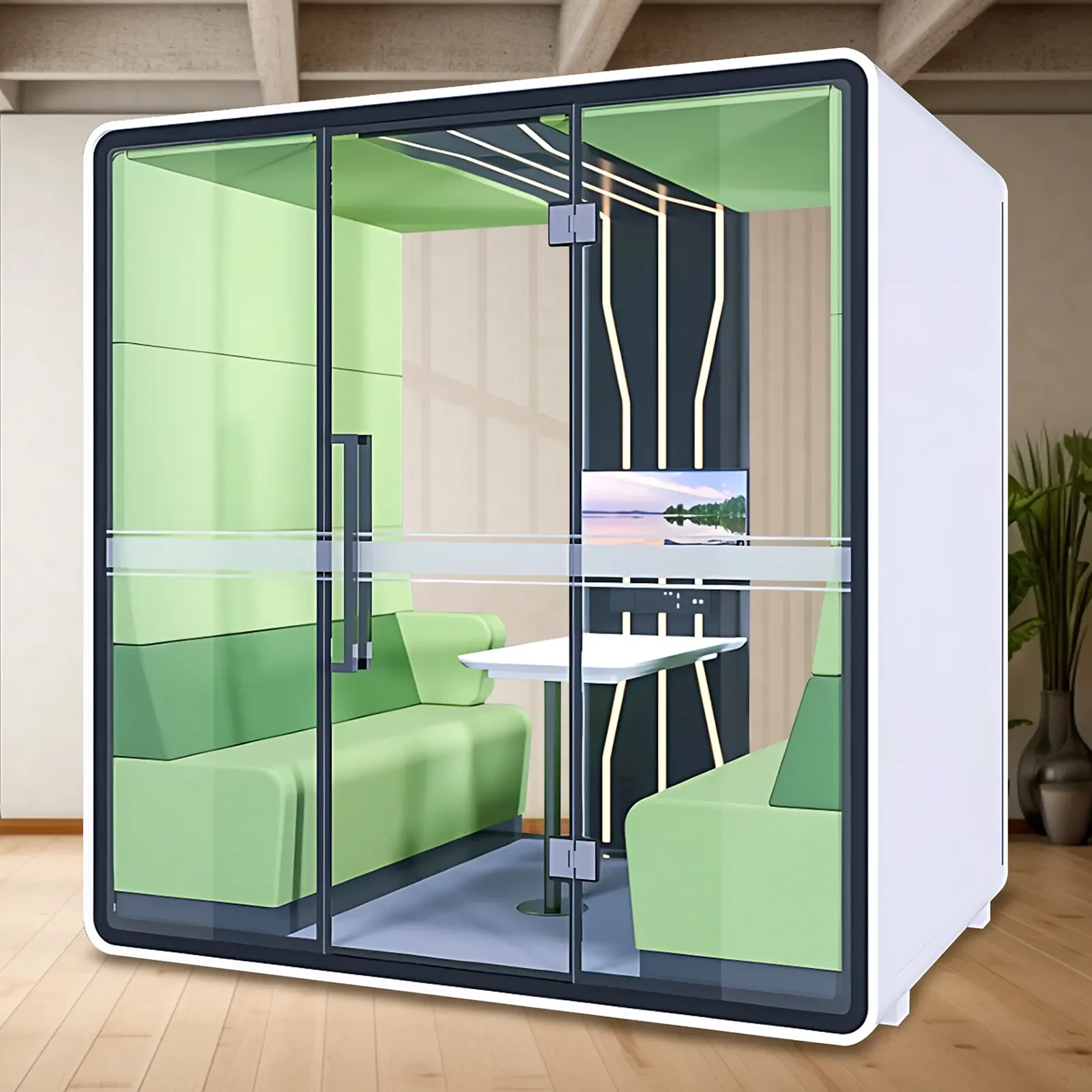
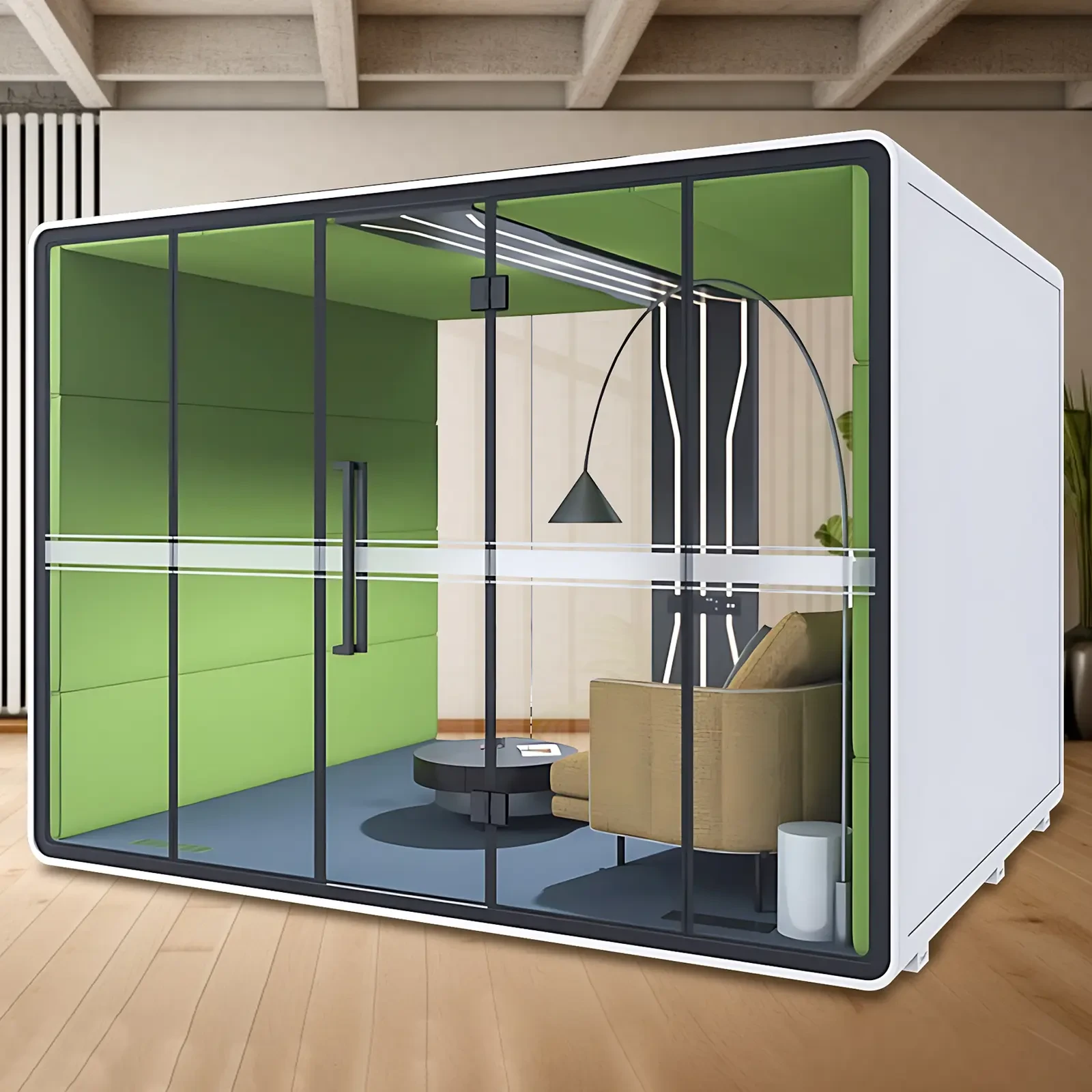
Grooved wood sound-absorbing panels and their sound absorption principle
In the field of acoustic environment optimization and shaping, sound-absorbing materials have always held a pivotal position. Slotted wood acoustic panels, as a popular sound-absorbing product, are widely used in various venues with high acoustic requirements, such as concert halls, recording studios, and conference rooms. A thorough analysis of the sound absorption principles of slotted wood acoustic panels is crucial for us to better utilize them to create high-quality acoustic spaces.
The unique sound absorption performance of slotted wood acoustic panels stems primarily from their meticulously designed structure. Visually, they consist of a wooden substrate and a grooved surface. The wooden substrate is typically made of uniformly textured, moderately dense wood, such as high-quality medium-density fiberboard (MDF). This type of wood not only possesses good mechanical strength, ensuring the stability and durability of the acoustic panel, but also inherently has sound-absorbing properties. The grooves on the surface are the key to the sound absorption of slotted wood acoustic panels. These grooves are usually arranged regularly, with their depth, width, and spacing precisely calculated.
When sound waves reach the slotted wood acoustic panel, the sound absorption process begins. Sound is essentially a mechanical wave that propagates through the air as vibrations. The slotted structure of the acoustic panel acts like a cleverly designed "sound trap." When sound waves strike the surface of the panel, some sound is reflected back, but due to the slots, more sound travels along the grooves into the panel's interior.
Inside the groove, sound undergoes a series of complex physical processes. First, as sound propagates within the groove, some of its energy is gradually converted into heat due to friction between the groove walls and the air. This is similar to water losing energy through friction with the pipe walls as it flows through a narrow pipe. Second, the groove's unique structure causes sound to constantly reflect and refract. This back-and-forth reflection increases the chances of sound contact with the groove walls, further exacerbating energy loss. Moreover, because different frequencies of sound are reflected and refracted differently within the groove, the grooved wood sound-absorbing panel can selectively absorb different frequencies, achieving effective sound absorption for a wide frequency range.
Furthermore, the air inside the slotted wood acoustic panel also plays a crucial role in sound absorption. When sound enters the slot, it causes the air inside to vibrate. This air vibration interacts with the wooden structure inside the acoustic panel, resulting in the continuous conversion and dissipation of sound energy. This synergistic sound absorption mechanism between air and the solid structure significantly improves the sound absorption efficiency of the slotted wood acoustic panel.
Besides the effects of structure and airflow, the sound absorption performance of slotted wood acoustic panels is also closely related to their installation method. Proper installation ensures the panels fully utilize their sound absorption capabilities. For example, during installation, it's crucial to ensure a tight fit between the panels and the wall or ceiling, avoiding gaps that can lead to sound leakage and reduce absorption. Furthermore, a well-planned installation layout is also essential. Choosing appropriate installation locations and angles based on the acoustic requirements and spatial characteristics of different venues can further optimize sound absorption.
In practical applications, slotted wood acoustic panels demonstrate superior sound absorption performance. In concert halls, they effectively absorb and diffuse sound, reducing echoes and reverberation, allowing audiences to clearly hear the details of every note. In recording studios, they provide a quiet, pure acoustic environment, avoiding interference from external noise while ensuring high-fidelity sound recording. In conference rooms, they reduce indoor noise levels, improve speech clarity, and ensure the smooth running of meetings.
Slotted wood acoustic panels achieve highly efficient sound absorption and control through their unique structural design, the synergistic effect of internal air and wood structure, and a rational installation method. As acoustic requirements continue to increase, research into the sound absorption principles of slotted wood acoustic panels will deepen, leading to continuous performance optimization and improvement, creating higher-quality and more comfortable acoustic spaces. Whether in professional acoustic fields or in various everyday settings, slotted wood acoustic panels will continue to play a vital role, bringing us a more wonderful sound experience.
X-comfot, your gateway to an efficient life. We are committed to becoming your most trusted brand of soundproof pod.
E-mail: support@x-comfot.com