
 USD
USD GBP
GBP
 EUR
EUR
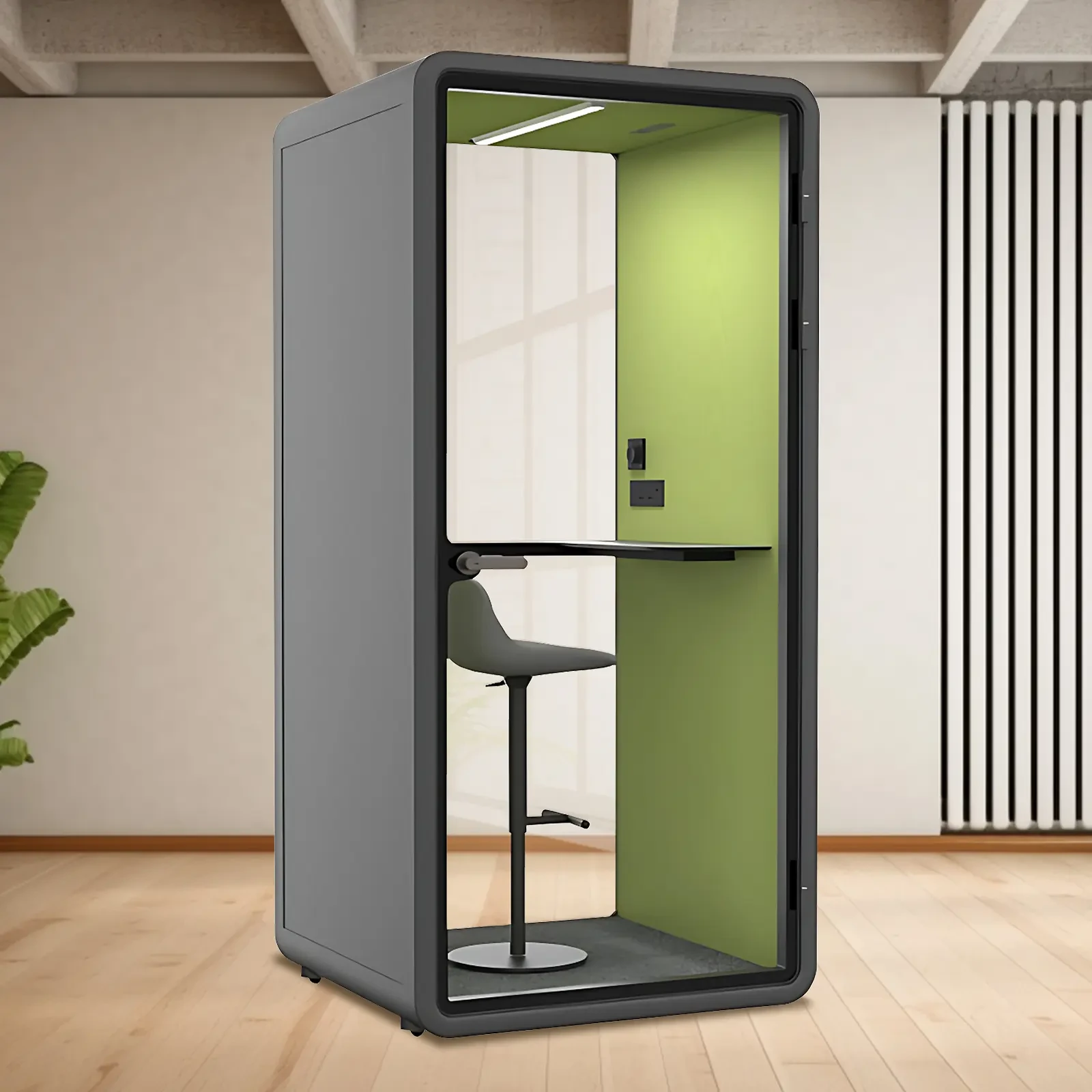
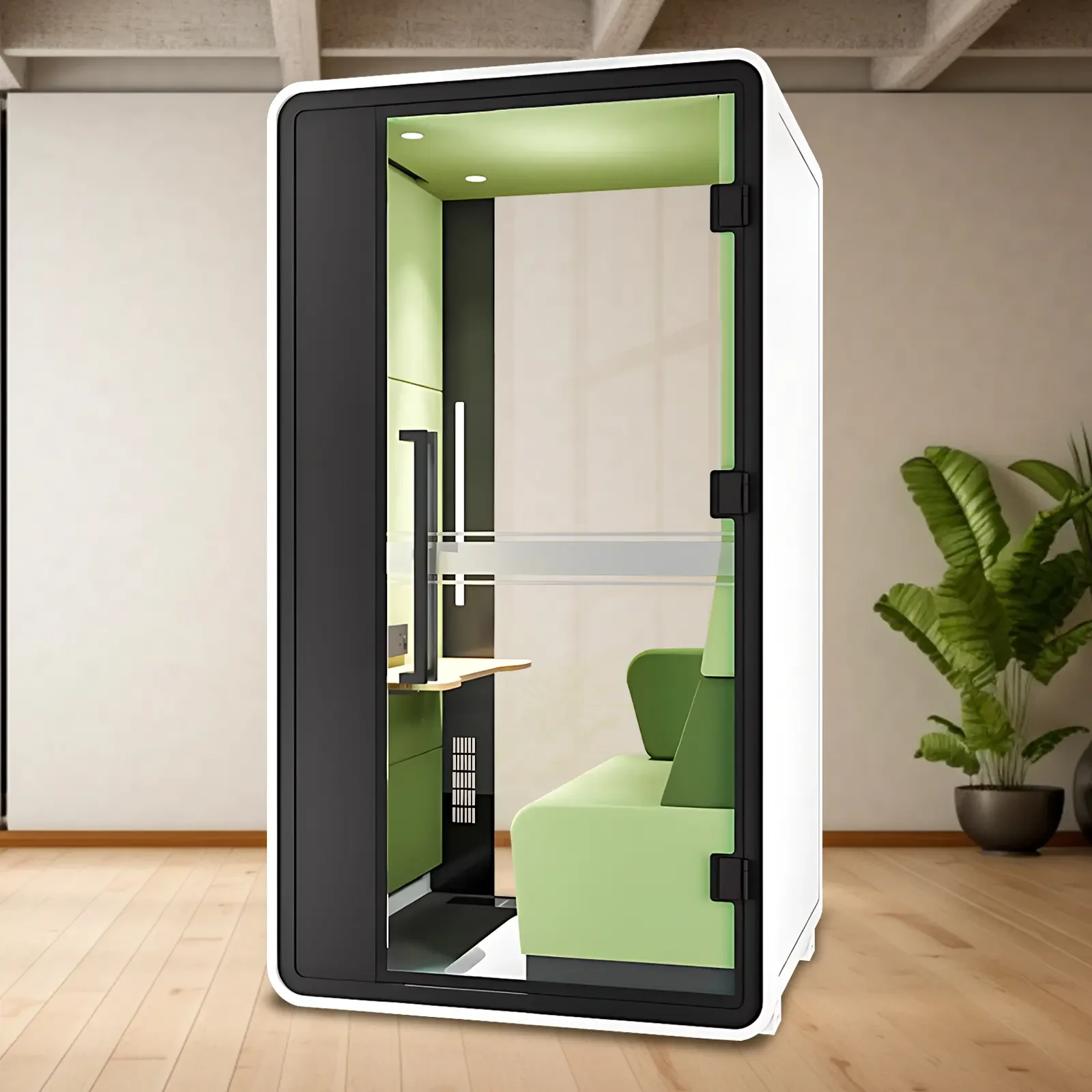
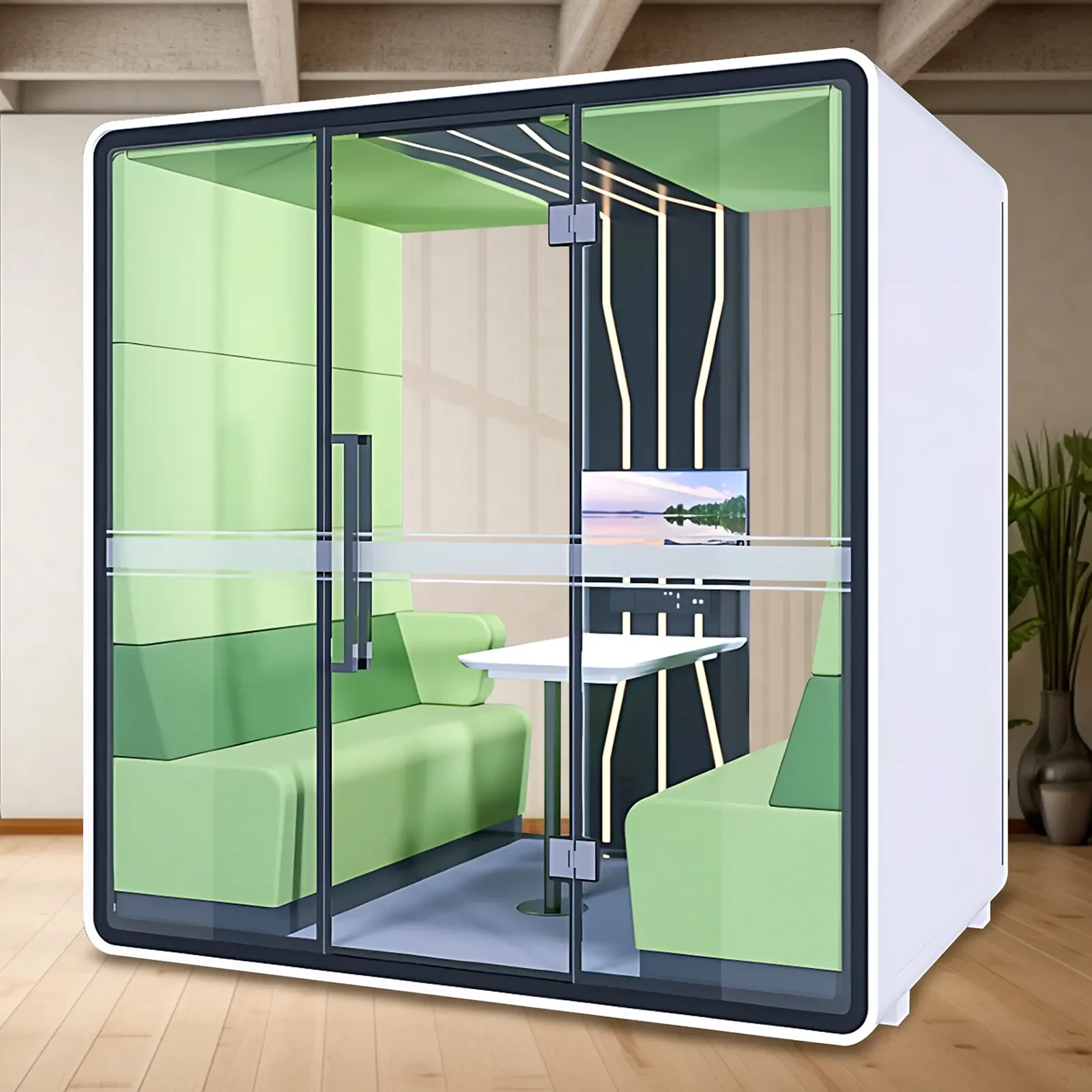
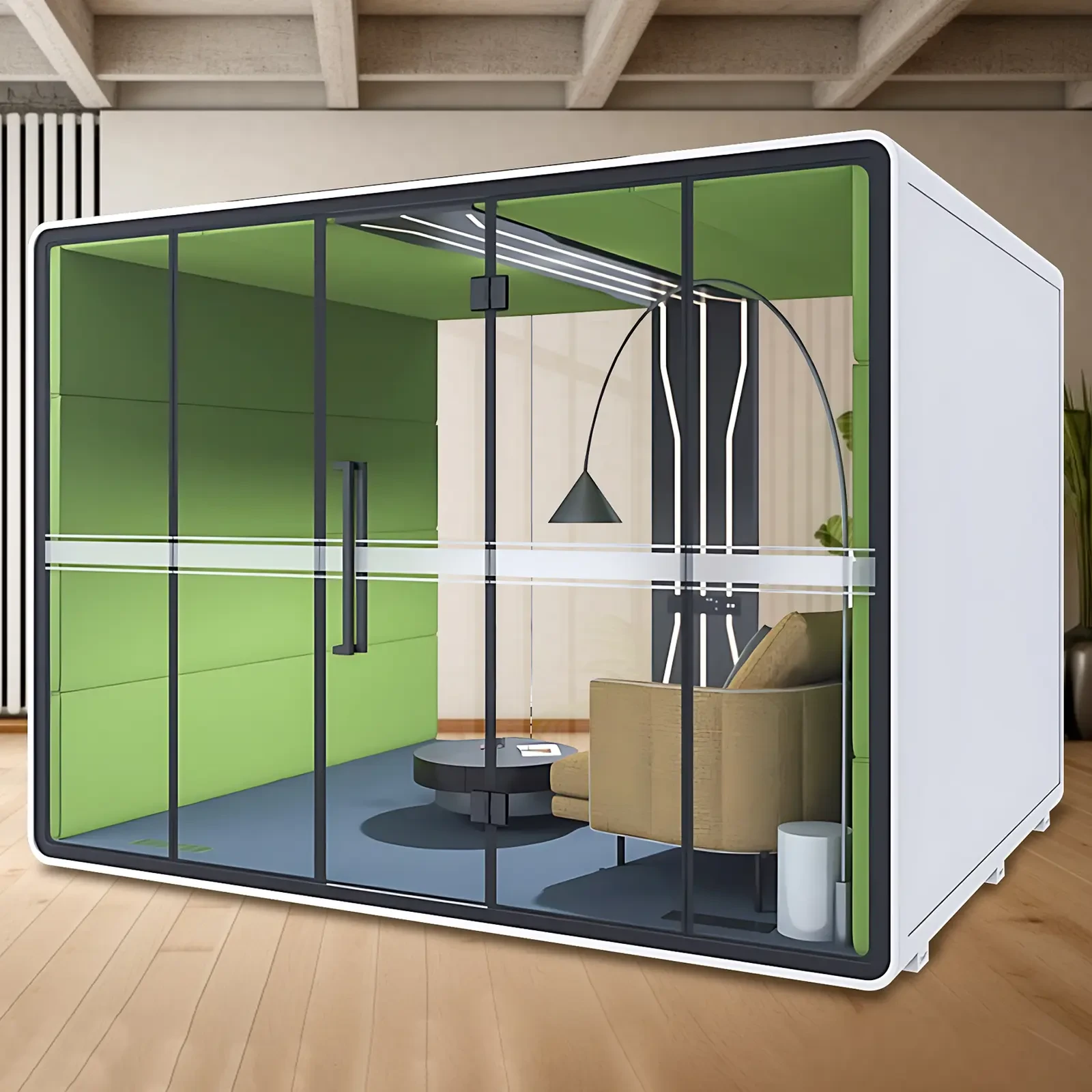
Industrial air compressors play a vital role in the production process, but their operation and vibration can also cause noise pollution. Noise negatively impacts worker health and productivity, and also disturbs the surrounding environment and residents. Therefore, noise control in industrial air compressor rooms is essential. This article will introduce corresponding noise control measures from the perspective of noise source analysis.
I. Noise Source Analysis
1. Noise from the air compressor itself: During operation, air compressors generate mechanical noise, airflow noise, and structurally transmitted noise. Among these, mechanical noise is mainly caused by the mechanical movement of the motor, compressor, gear transmission, etc. Airflow noise is mainly generated by airflow passing through pipes and components. Structurally transmitted noise refers to the noise generated by the vibration of the air compressor through mechanical transmission.
2. Aerodynamic vibration and impact noise: During the operation of the air compressor, the airflow will generate aerodynamic vibration and impact noise when passing through the pipes and valves, especially at high speed and high pressure, the noise will be more obvious.
3. Piping and gas flow noise: The piping system in the air compressor room and phenomena such as eddies and turbulence in gas flow will generate noise.
II. Noise Control Measures
1. Soundproof walls and doors: Building soundproof walls and doors can effectively reduce the transmission of noise from air compressors. Soundproof walls can be constructed using materials such as soundproof panels, retaining walls, and asbestos boards. Materials with good sound absorption properties should be selected, and the interior of the walls should be filled with sound-absorbing materials such as sound-absorbing cotton. Soundproof doors should have well-sealed door panels, and sealing strips should be installed at the door seams to block the transmission of noise.
2. Application of sound-absorbing materials: Using sound-absorbing materials, such as sound-absorbing panels and sound-absorbing cloth, on the walls, ceilings, and floors of the air compressor room can absorb noise and reduce noise reflection and transmission.
3. Use of buffer devices: Buffer devices can be used to reduce the transmission of vibrations and noise generated by mechanical movement. Common buffer devices include rubber pads and elastic bases, which can isolate the air compressor from the ground, reducing the transmission of vibrations and the generation of noise.
4. Vibration-isolation suspension system: Using a vibration-isolation suspension system to suspend the air compressor on elastic supports can reduce the transmission of machine vibration to the building, thereby reducing noise generation.
5. Design a reasonable piping system: Design the piping layout and installation of the air compressor room in a reasonable manner, select high-quality piping materials, and reduce the noise when fluid flows in the pipes.
6. Maintenance: Regularly maintain the air compressor, including regular cleaning, tightening screws, and lubricating mechanical parts. Maintenance reduces friction and vibration, thereby reducing noise.
7. Application of sound wave cancellers: A sound wave canceller is a device specifically designed to reduce noise. It can cancel noise by emitting and reflecting sound waves, thereby achieving the effect of noise reduction.
in conclusion:
Noise source analysis reveals the causes and processes of noise generation in industrial air compressor rooms. To control noise in air compressor rooms, a series of effective measures can be taken, such as constructing soundproof walls and doors, using sound-absorbing materials, employing buffer devices, using vibration-damping suspension systems, designing reasonable piping systems, and conducting regular maintenance. The combined application of these measures can reduce noise generation and propagation, improve the working environment of the air compressor room, protect worker health, and minimize the impact on the surrounding environment.
Note: Please note that the noise control measures provided in this article are general recommendations. Specific measures should be evaluated and selected based on the actual conditions and needs of the air compressor room. Furthermore, for the implementation of specific noise control solutions, it is recommended to consult professional engineers and experts in the relevant field.