
 USD
USD  GBP
GBP
 EUR
EUR
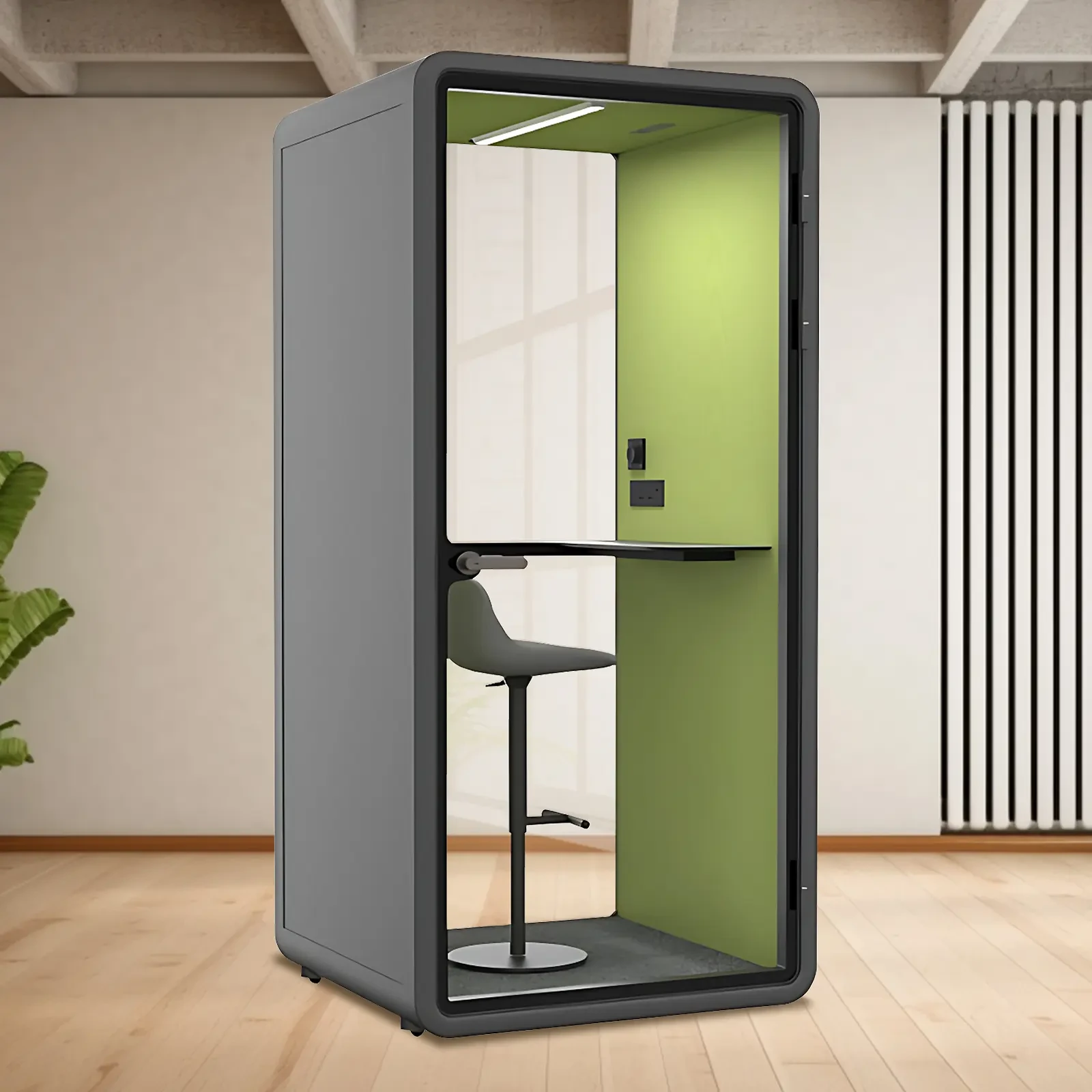
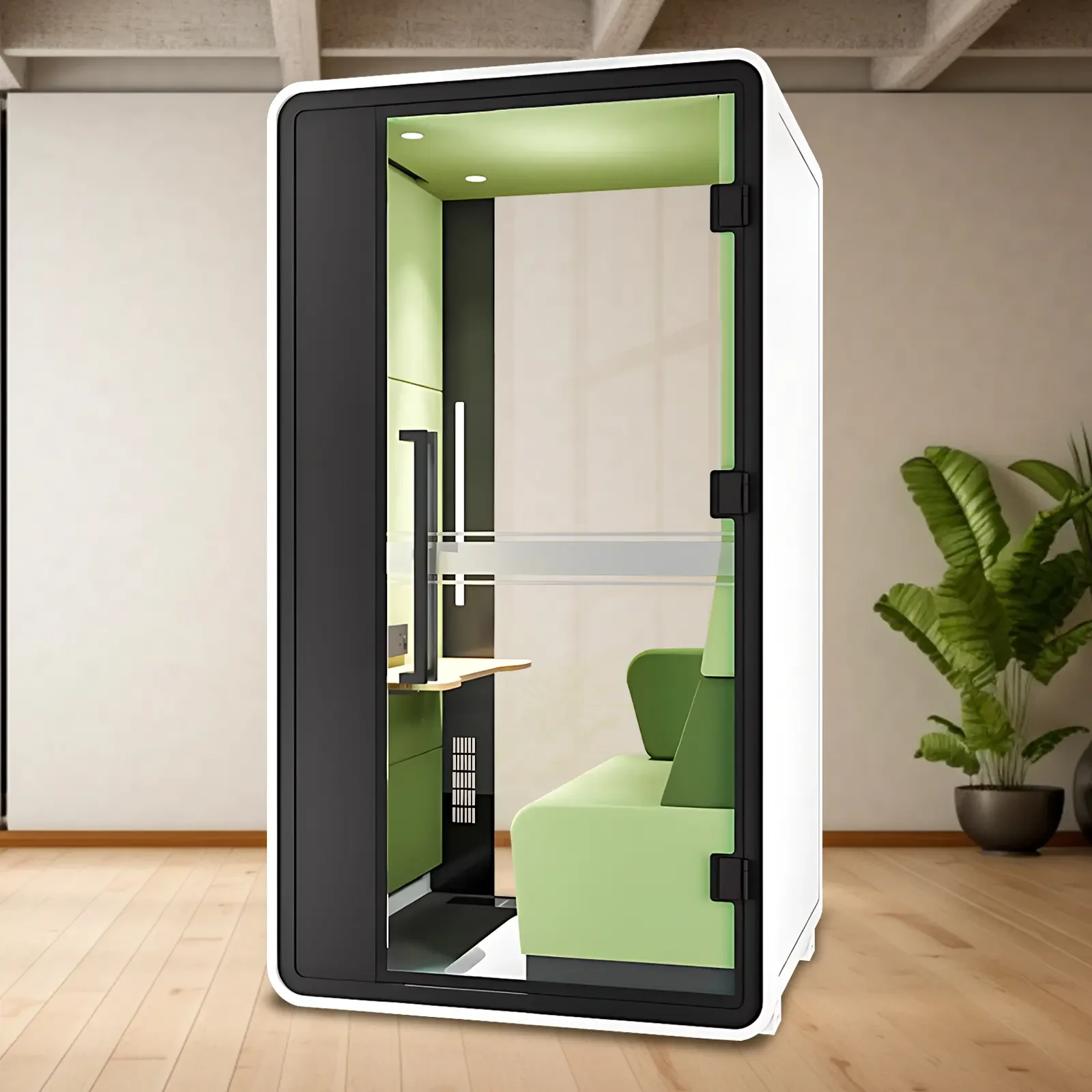
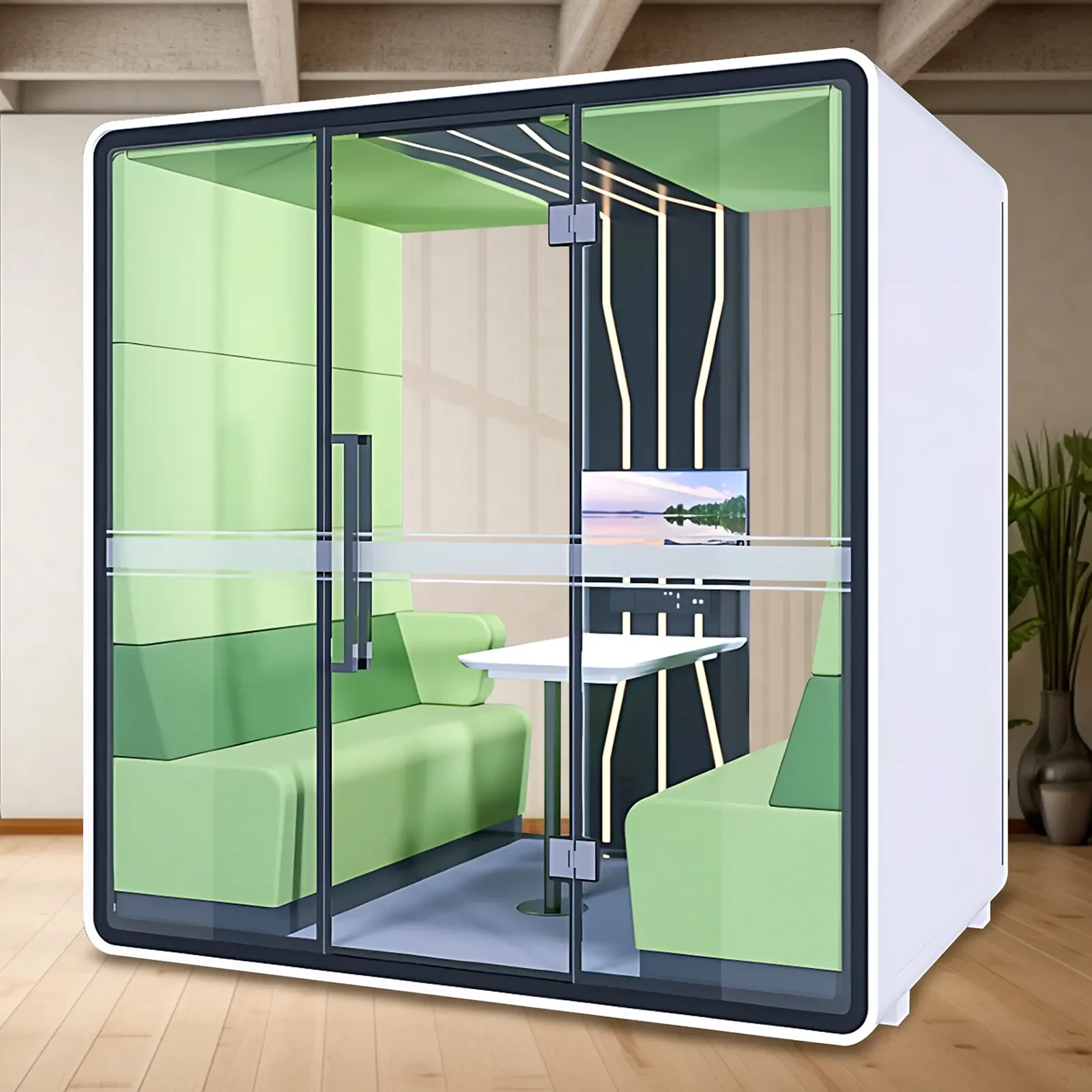
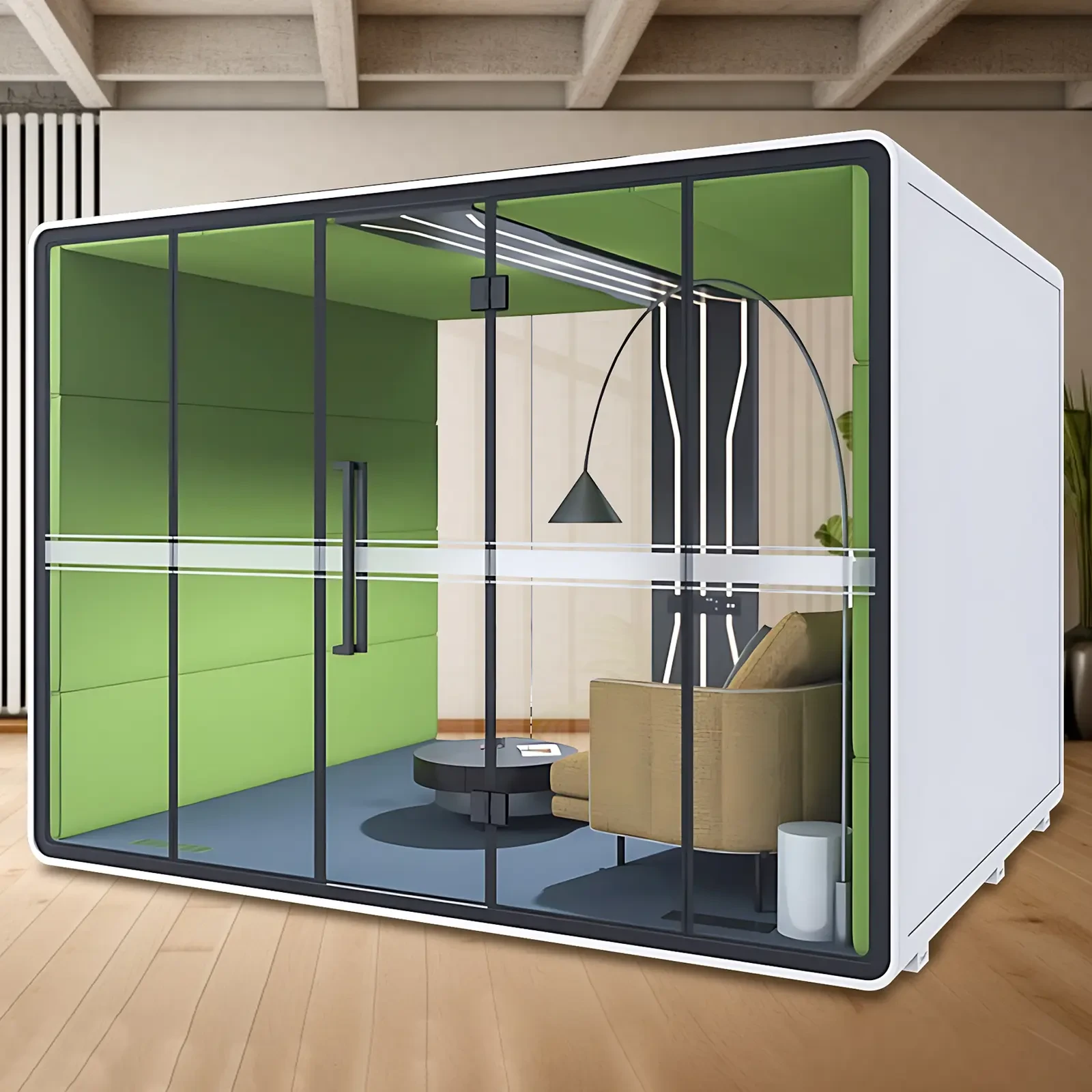
The noise reduction principle of sound insulation panels revealed, how to choose and use them?
Noise pollution has become a major problem for many homes and businesses in daily life. To create a comfortable and quiet environment, more and more people are choosing sound insulation materials, among which sound insulation panels are highly favored for their excellent sound insulation effect and convenient installation. This article will delve into the noise reduction principles, types, selection tips, and installation methods of sound insulation panels to help you better understand and utilize them.
The noise reduction principle of sound insulation panels
Sound insulation is based on acoustic principles, primarily reducing sound propagation through three main aspects: sound absorption, sound insulation, and vibration reduction. Soundproofing panels, as important sound insulation materials, can be further subdivided into the following aspects regarding noise reduction:
1. Sound absorption
Sound-absorbing materials reduce noise by absorbing the energy of sound waves. Different materials and structures have different sound absorption properties. Sound insulation panels generally use porous materials or fiber structures, and their surfaces can be roughened to improve sound wave absorption efficiency. The core principle is to create friction when sound waves come into contact with the material, reducing their reflected energy. Polyester fiber sound-absorbing panels are a typical example; they effectively absorb mid-to-high frequency noise.
2. Sound insulation
The principle of sound insulation lies in the different speeds and intensities of sound waves propagating in different media. Soundproofing panels are typically made of thick, high-density materials that effectively block the propagation of sound waves. Some soundproofing panels, such as gypsum board and polyurethane board, perform exceptionally well, reducing noise energy transmission and preventing sound from penetrating. These materials excel in controlling low-frequency noise, making them particularly suitable for places like music rooms or home theaters where low-frequency noise elimination is crucial.
3. Earthquake resistance
The principle of vibration damping is to reduce noise by suppressing sound vibrations. When sound insulation materials are impacted by sound waves, they deform, thereby dissipating the sound energy and reducing noise transmission. For certain special occasions, such as near industrial machinery or in areas with heavy traffic, using sound insulation panels with excellent toughness can significantly reduce the impact of vibration on the environment.
4. Barrier Structure
The structure of a soundproofing panel is closely related to its effectiveness. Multi-layered soundproofing panels can fully utilize the acoustic properties of different materials to work together and enhance sound insulation. For example, many soundproofing panels use a sandwich design, where sound insulation is achieved between layers through air gaps or materials of different densities, effectively reducing sound wave transmission.
Types of sound insulation panels
Based on different materials and properties, sound insulation panels can be broadly classified into the following categories:
1. Sound-absorbing panels
The main function of sound-absorbing panels is to absorb sound from the air. They are suitable for smaller spaces and can effectively improve acoustics. These panels are usually made of porous or fibrous materials, with polyester fiberboard and wood sound-absorbing panels being common examples.
2. Sound insulation panels
Soundproofing panels focus more on isolating external noise, such as gypsum board and polyurethane insulation board. They are usually thick and dense, and are mainly used for walls and ceilings in homes and offices to reduce interference from external noise.
3. Vibration isolation materials
These materials are characterized by their effective vibration damping, making them suitable for applications requiring protection against ground-based vibrations, such as those from machinery or instruments. Soundproofing panels used in industrial settings often employ composite materials to enhance durability and broaden their application range.
4. Composite sound insulation board
The composite structure allows the sound insulation panel to perform both sound absorption and sound insulation functions. This material can often be customized to meet customer needs, providing flexible solutions. This type of panel is particularly suitable for spaces requiring high sound insulation, such as music and recording studios, and cinemas.
Sound insulation panel purchasing tips
There are several key points to consider when purchasing sound insulation panels:
1. Material properties
Understanding the main materials and characteristics of soundproofing panels is a fundamental prerequisite for selection. Different materials exhibit varying degrees of sound frequency absorption and isolation, and the appropriate panel type should usually be chosen based on specific environmental requirements. For example, polyester fiber, with its strong sound absorption properties, can be used in home theaters, while gypsum board can be selected when enhanced sound insulation is needed.
2. Sheet thickness and density
Thickness and density directly affect sound insulation performance; thicker and denser soundproofing panels are more effective at blocking low-frequency noise. Therefore, when purchasing, you can compare actual samples to select the product that best suits your needs.
3. Installation method
Different soundproofing panels require different installation methods; some require specialized techniques, while others can be installed by oneself. Consider your own installation capabilities and time constraints when choosing a method. Opt for easy-to-install options; for complex installations, it is recommended to hire professionals.
4. Product Certification
When purchasing, it is best to choose products from reputable brands with quality certifications, such as those bearing CE or GS marks. Reputable brands offer assurance, and their quality and reputation often guarantee the long-term effectiveness of their products.
Sound insulation panel installation method
There are a few steps to follow when installing soundproofing panels to ensure maximum noise reduction. The specific steps are as follows:
1. Preparation
Before installation, determine the applicable environment for the soundproofing panels, take measurements, and develop a reasonable installation plan. At the same time, prepare the necessary tools, such as a utility knife, spirit level, screwdriver, nail gun, and glue.
2. Clean the wall surface
The wall surface should be kept dry and flat, and all dust and debris should be removed to ensure the sound insulation panels are secure and consistent. It is also recommended to perform moisture-proofing treatment before installation to prevent moisture from affecting the performance of the sound insulation panels.
3. Measurement and Cutting
Measure and cut the sound insulation panels to the required wall size. Keep the edges neat and minimize gaps during cutting to enhance sound insulation.
4. Adhere or fix
Secure the cut soundproofing panels with glue, nails, or specialized dry-hanging brackets. For large spaces, it is recommended to start installation from the middle to minimize interference with other areas and ensure a uniform overall effect.
5. Completion and Testing
After installation, it is recommended to seal the surrounding edges to prevent sound waves from propagating through gaps. A simple test using a sound pressure level meter can then be performed to verify that the noise reduction effect meets expectations.
Summarize
Soundproofing panels, with their excellent noise reduction performance, have become an indispensable material in modern life. Understanding their structure, types, noise reduction principles, and installation methods when choosing them can not only effectively improve the living environment but also enhance the quality of living or working spaces. With technological advancements, the materials and processes used in soundproofing panels will continue to innovate, leading to the emergence of more efficient and convenient soundproofing solutions in the future.
You May Also Like
X-comfot, your gateway to an efficient life. We are committed to becoming your most trusted brand of soundproof pod.
E-mail: support@x-comfot.com