
 USD
USD  GBP
GBP
 EUR
EUR
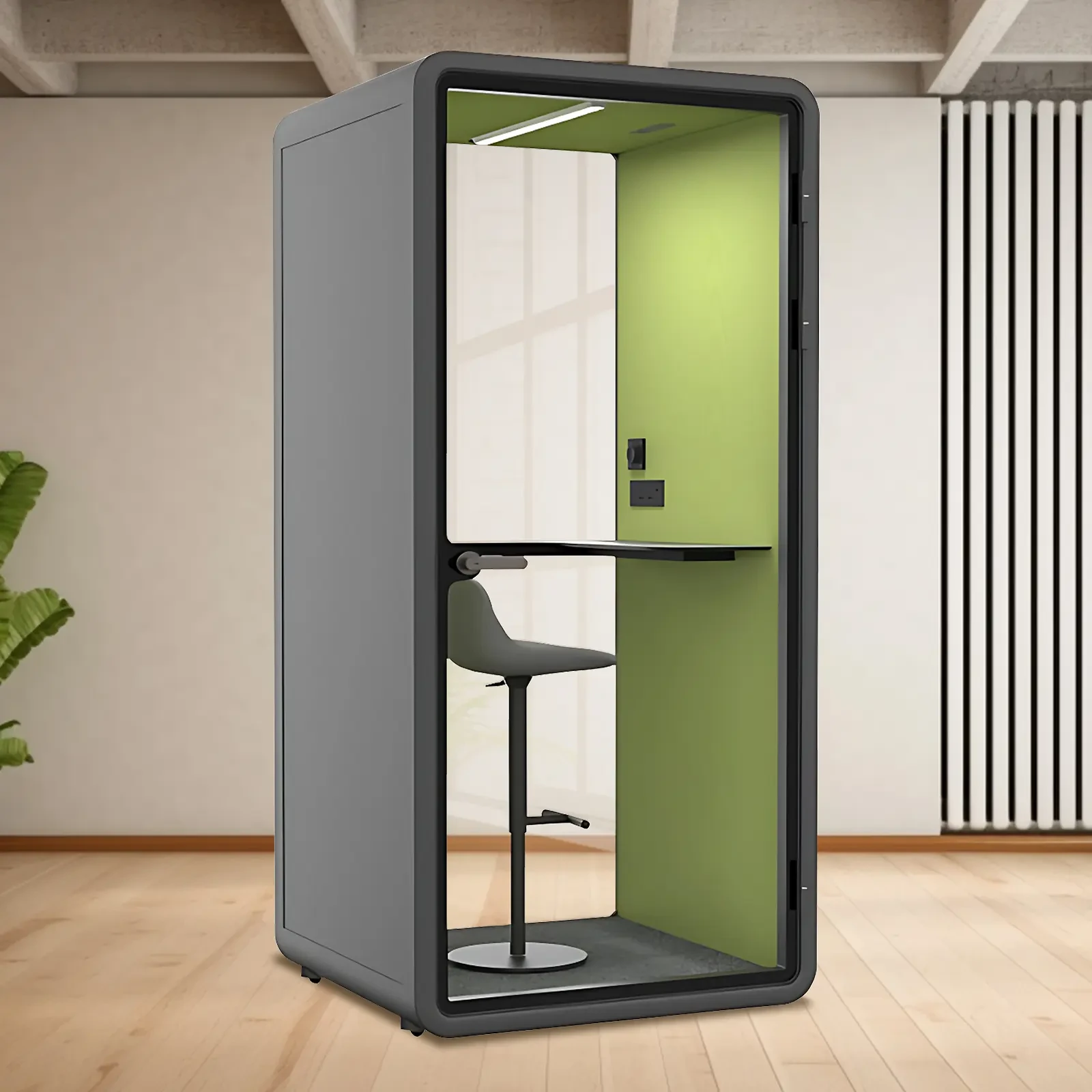
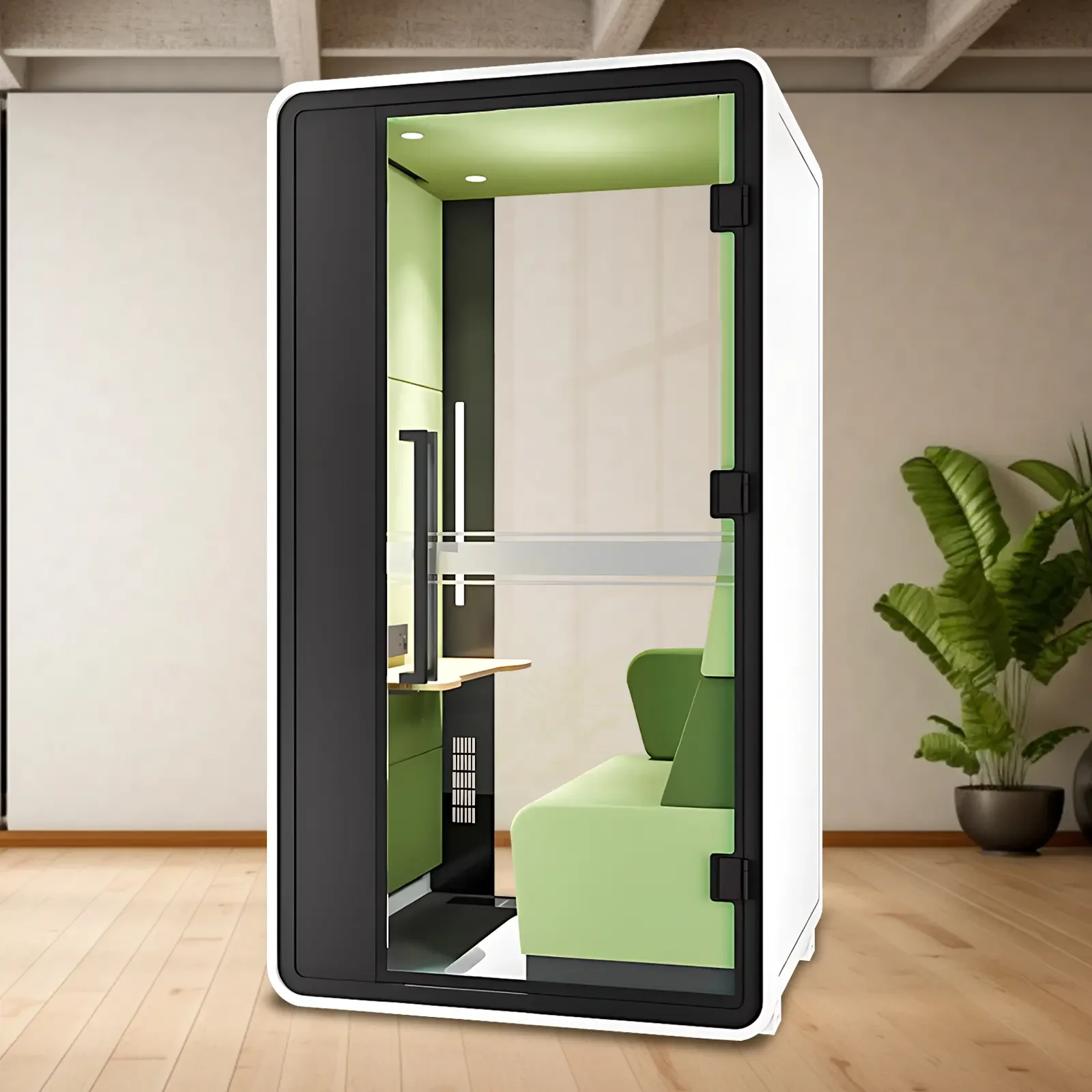
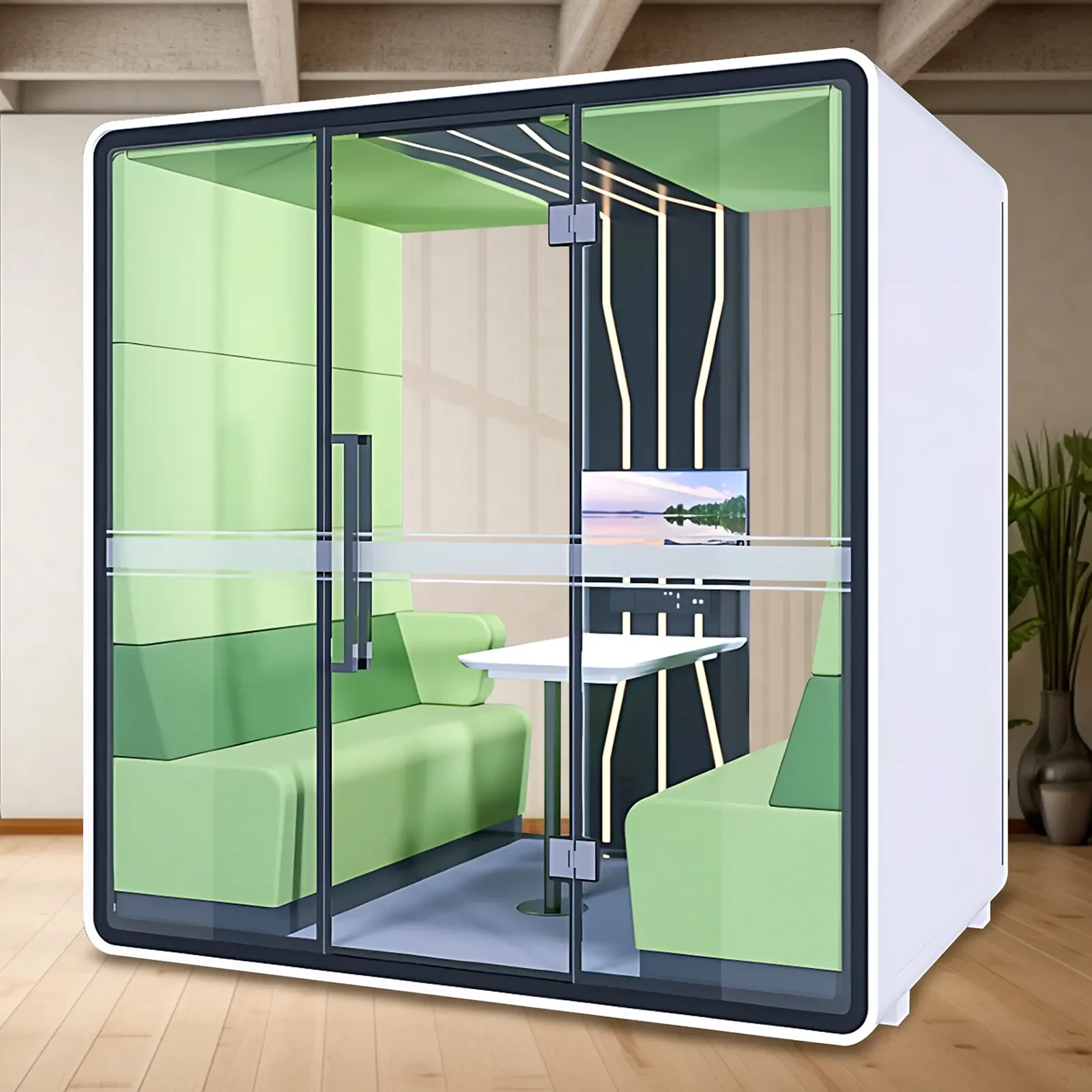
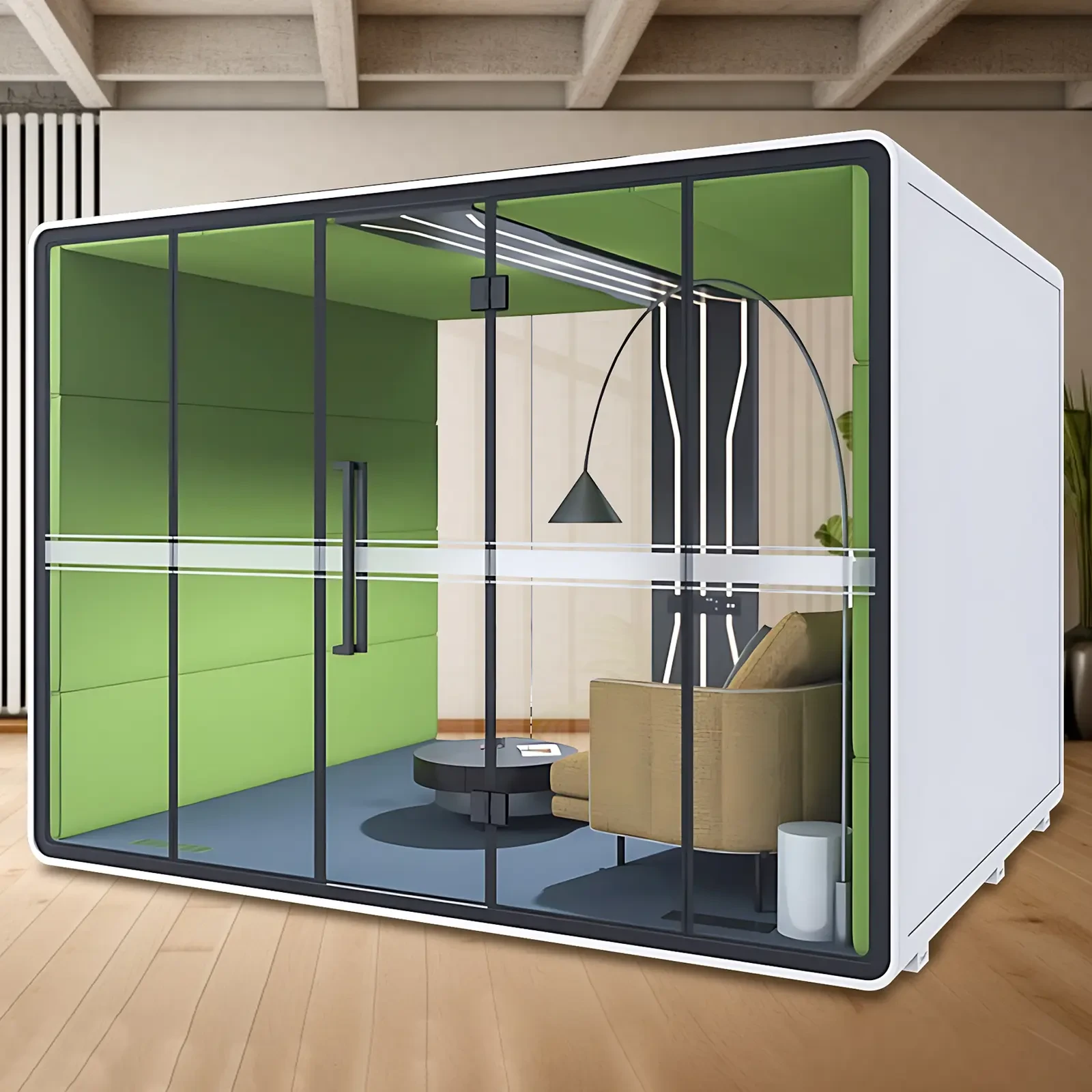
Say goodbye to noise pollution and easily choose soundproof wall materials for your bedroom.
In modern life, noise has become an unavoidable problem for many. Especially in cities, the sounds of traffic, noisy neighbors, and various unexpected noises often affect our sleep quality. As night falls, we crave a quiet environment to help us relax and rest; therefore, choosing the right soundproofing materials for the bedroom becomes crucial.
1. Sources and impacts of noise
Before discussing sound insulation materials, we must understand the sources of noise. Generally speaking, noise can be categorized into the following types:
a. External noise
These include car noises from the road, construction noises from construction sites, and music and chatter from neighbors. External noise can be very bothersome, especially at night when it's quiet and sounds are amplified, disrupting our sleep.
b. Internal noise
This refers to sounds produced inside the house, such as conversations between family members or the operation of household appliances. Although these sounds are relatively quiet, they can still be distracting in a quiet environment.
Prolonged noise exposure can lead to sleep deprivation, anxiety, and increased stress, thus impacting physical and mental health. Therefore, taking effective soundproofing measures is particularly important.
2. The Importance of Choosing Soundproof Wall Materials
Choosing the right soundproofing wall material can effectively reduce noise intrusion and create a comfortable living environment. Different materials vary in sound insulation, cost, and construction difficulty; understanding these differences is essential for selecting the right material.
3. Common soundproofing wall materials
a. Glass wool
Glass wool is a thermal insulation and soundproofing material made primarily of glass, offering excellent sound insulation. Its unique structure effectively absorbs high-frequency sound waves, making it suitable for bedrooms, conference rooms, and other quiet environments.
advantage:
- Excellent sound insulation, especially effective at absorbing high-frequency noise;
- It has good fire resistance;
- Relatively low cost and easy to obtain.
shortcoming:
- The handling and installation process may cause the fibers to scatter, which can be irritating to the human body;
- Its moisture-proof performance is average, and it is not suitable for use in environments with high humidity.
b. Rock wool
Rock wool is a sound insulation material made from the melting of natural rocks or minerals. In addition to its excellent sound insulation properties, rock wool also has fireproof and heat insulation properties, making it suitable for use as a sound insulation solution for walls, ceilings, and other parts of the building.
advantage:
- Excellent sound insulation, suitable for various noisy environments;
- It has fire-retardant properties, increasing safety;
- Long service life.
shortcoming:
- Relatively heavy, which may increase the load on the walls;
- The price is relatively high, and the construction cost is also relatively high.
c. Polyurethane foam
Polyurethane foam is widely used due to its excellent thermal and sound insulation properties. Its closed-cell structure blocks sound transmission, making it suitable as the core material for soundproof walls.
advantage:
- Excellent sound insulation, which can reduce noise transmission;
- Lightweight, placing less strain on the structure during construction;
- Easy to install and can be easily cut into various shapes.
shortcoming:
- Its fire resistance is relatively weak, and it needs to be used in combination with other fireproof materials;
- Prolonged use may cause aging, affecting its sound insulation performance.
d. Sound insulation panels
There are also many specialized soundproofing panels on the market. They are usually made of a variety of composite materials, have good sound insulation effects, and are aesthetically pleasing, making them suitable for home decoration.
advantage:
- Diverse designs that can blend with home décor styles;
- Installation is simple and can be done by yourself;
- The effects after construction are obvious, and it can quickly improve the living environment.
shortcoming:
- Some soundproofing panels may be expensive, so you need to choose according to your budget;
- Low-quality products may not provide ideal sound insulation.
4. Recommendations for selecting soundproof wall materials
When choosing soundproof wall materials, in addition to considering the sound insulation effect of the materials themselves, the following points should also be noted:
a. Select based on the noise source
If the main source of noise pollution is external noise, it is recommended to prioritize high-density sound insulation materials, such as rock wool or glass wool; for internal noise, polyurethane foam or sound insulation boards can be considered.
b. Combining spatial structure
Different spatial structures require different soundproofing materials. For example, lightweight materials are usually chosen for high-rise residential buildings, while heavier soundproofing materials can be used in detached villas to improve sound insulation.
c. Consider the budget
Choose cost-effective materials within your budget to ensure both effectiveness and economy. Regardless of the material chosen, it is recommended to consult a professional for more targeted advice.
d. Construction and Installation
Different materials may require different construction methods, so make sure to choose materials and methods suitable for your specific needs. Furthermore, hiring a professional renovation company will ensure effective sound insulation and quality.
5. Other methods to improve sound insulation
In addition to using soundproofing materials, the soundproofing of the bedroom can be further enhanced in the following ways:
a. Increase the airtightness of windows
Using double-glazed windows or adding sealing strips between the windows and the walls can effectively reduce the intrusion of external noise.
b. Install heavy curtains
Heavy curtains can not only block out light, but also absorb some sound, reducing the impact of noise on sleep.
c. Use carpets or floor mats.
Using thick carpets or floor mats on the floor can absorb some of the sound and prevent the spread of footsteps and other noises.
d. Design a reasonable furniture layout
By arranging furniture reasonably and using partitions such as bookshelves and sofas, sound barriers can be formed, improving the sound insulation effect.
6. Summary
Choosing the right soundproofing material for your bedroom is a crucial step in improving sleep quality. Considering factors such as the noise source, room structure, and budget will help you find a suitable solution. Whether you plan to use glass wool, rock wool, polyurethane foam, or soundproofing panels, understanding the advantages and disadvantages of each material and their application scenarios will help you make a more informed choice. Say goodbye to noise pollution, create a comfortable sleep environment, and enjoy a peaceful night's rest.
X-comfot, your gateway to an efficient life. We are committed to becoming your most trusted brand of soundproof pod.
E-mail: support@x-comfot.com