
 USD
USD  GBP
GBP
 EUR
EUR
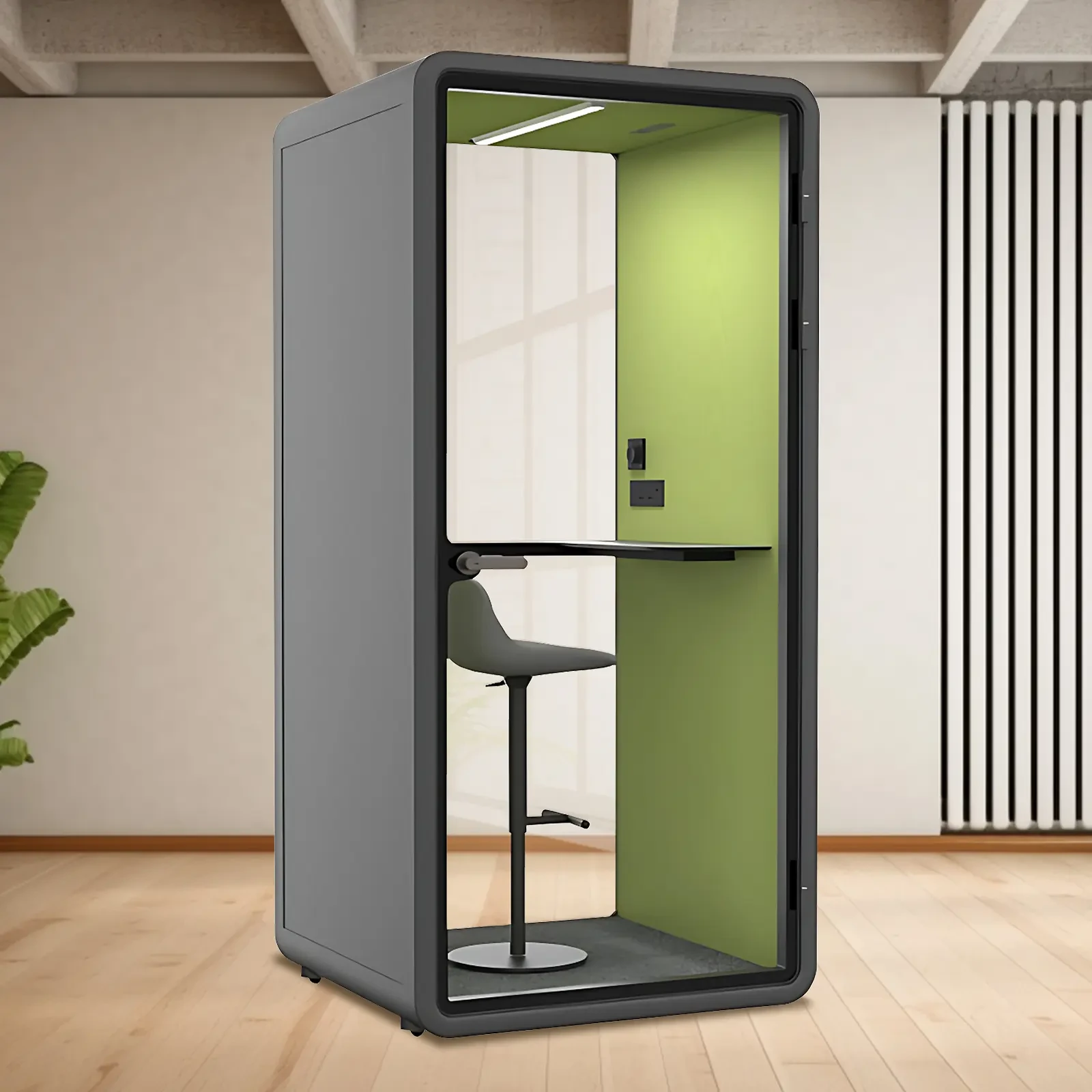
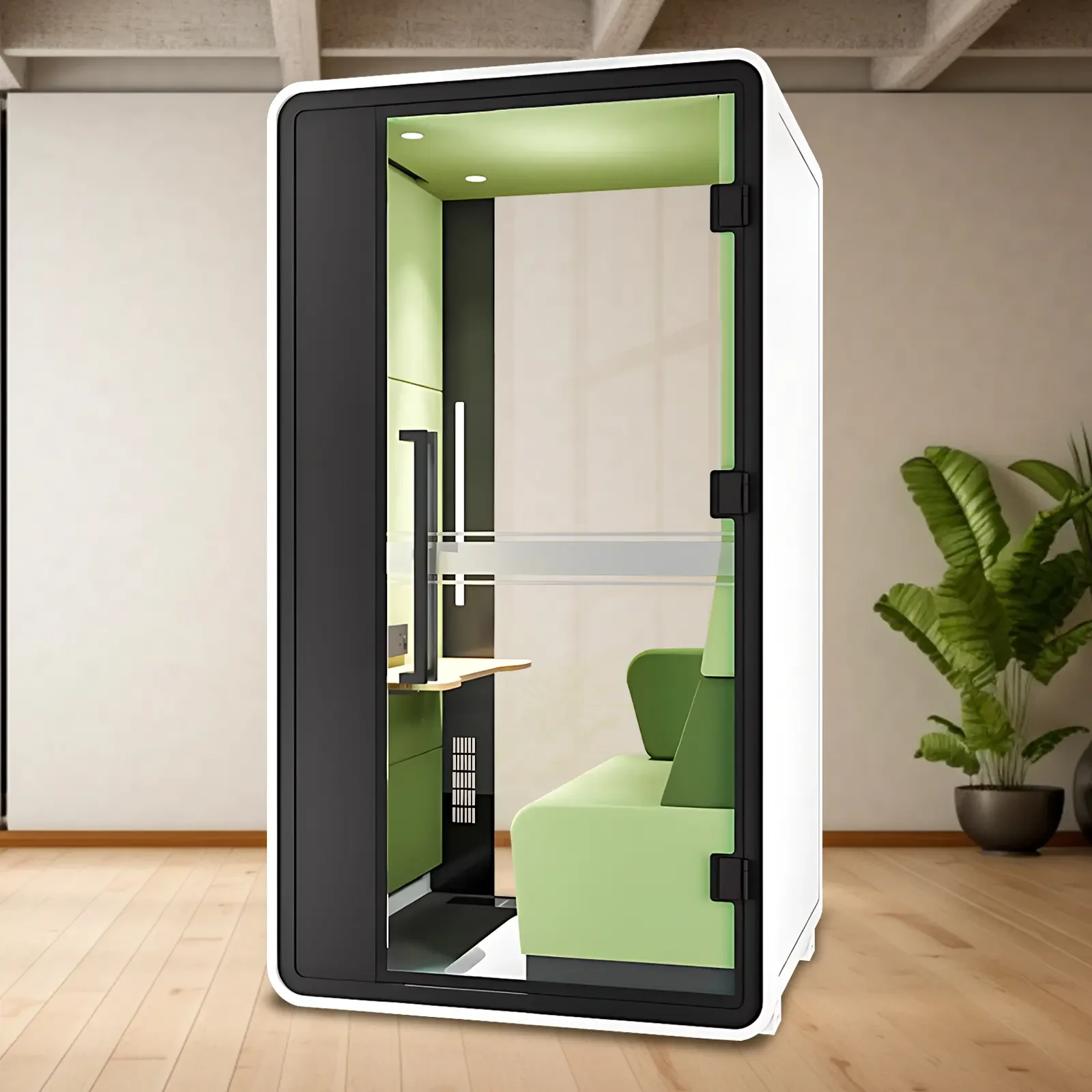

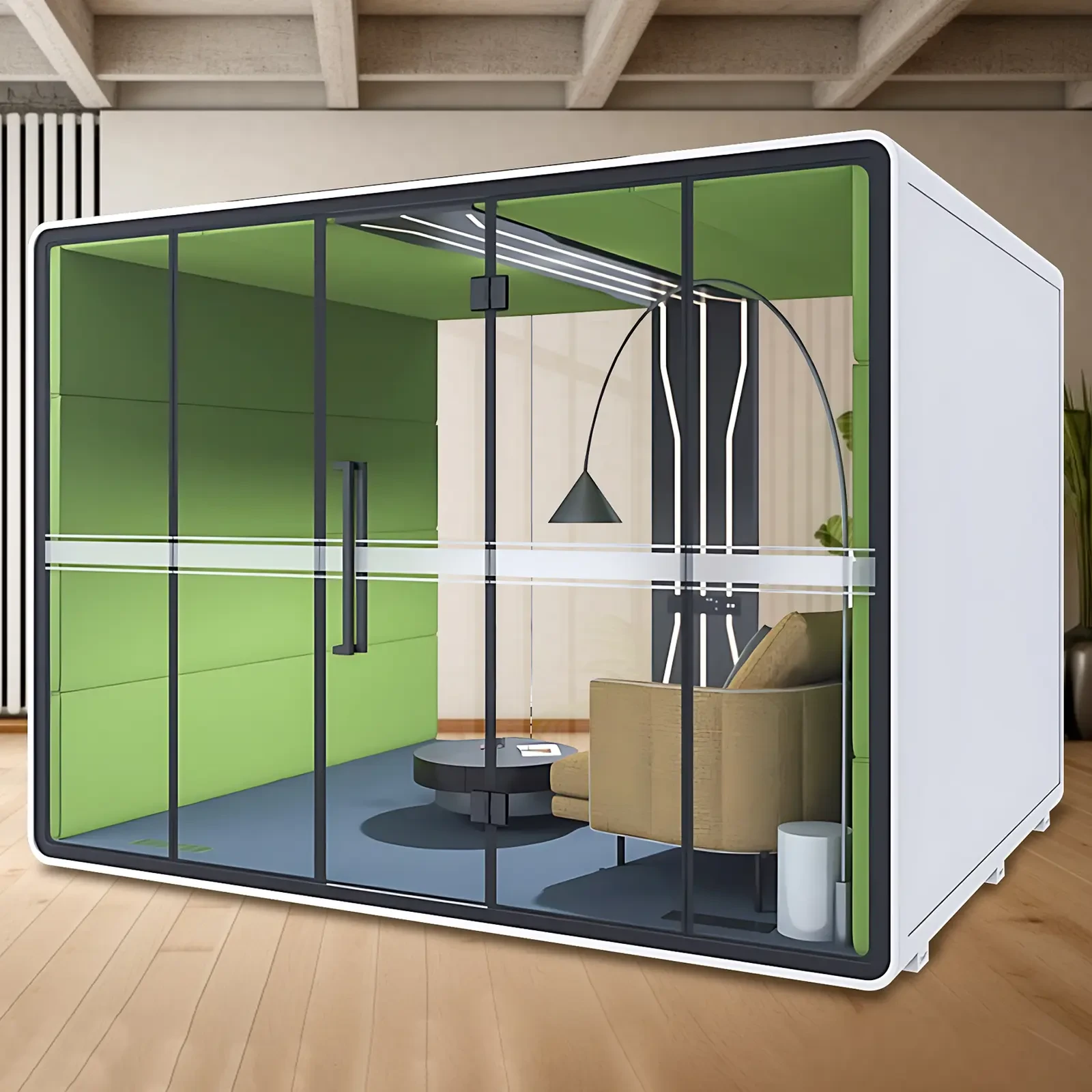
Recommended custom sound-absorbing cotton for home soundproofing
In modern life, the quietness and comfort of the home environment are increasingly valued. Good sound insulation not only improves the quality of living but also effectively prevents external noise from affecting daily life and rest. Therefore, choosing suitable custom-made sound-absorbing cotton has become a demand for more and more families. This article will introduce in detail the best sound-absorbing material for home sound insulation-custom-made sound-absorbing cotton-including its working principle, selection factors, material types, and installation suggestions, to help you make an informed decision.
Working principle of sound-absorbing cotton
The core function of custom-made sound-absorbing cotton is to absorb sound waves and reduce sound reflection and propagation in space. This process mainly relies on the fiber structure and density of the material. When sound waves encounter the sound-absorbing cotton, they are captured by its fibers and converted into a small amount of heat energy, thereby weakening the intensity of sound propagation. The effectiveness of sound-absorbing cotton is usually expressed by the "sound absorption coefficient"; the higher the coefficient, the better the sound absorption effect of the material.
Factors in choosing custom sound-absorbing cotton
When choosing custom sound-absorbing cotton, the following factors should not be overlooked:
1. Material type
Sound-absorbing cotton comes in a variety of materials, mainly including polyester fiber, glass wool, rock wool, and sponge. Each material has its unique properties and applicable scenarios:
- Polyester fiber: Environmentally friendly and non-toxic, suitable for home use, mainly used in home theaters, music rooms and other spaces with high sound quality requirements.
- Glass wool: It has excellent sound insulation properties, but it may have some impact on human health, so it should be carefully considered when selecting it.
- Rock wool: It has strong fire resistance and is suitable for spaces that require fire protection. It also has excellent sound insulation properties.
- Sponge: Soft and not easily deformed, suitable for temporary sound insulation or convenient soundproofing needs.
2. Sound absorption coefficient
As mentioned earlier, the sound absorption coefficient is an important indicator for evaluating the performance of sound-absorbing cotton. When purchasing, materials with a high sound absorption coefficient should be selected to ensure effective reduction of noise transmission. For example, materials with a sound absorption coefficient of 0.6 or higher can generally meet the sound insulation needs of home use.
3. Thickness and density
The thickness of the sound-absorbing cotton directly affects its sound absorption effect. Generally, thicker sound-absorbing cotton provides better results, but may also increase space usage. Choosing the appropriate thickness requires comprehensive consideration based on the actual needs of the room and its design style. Furthermore, the higher the density of the sound-absorbing cotton, the better its sound absorption effect usually is.
4. Design and Color
Customized sound-absorbing cotton is not only about functionality; aesthetic design is equally important. In a home environment, color and style coordination can enhance the overall aesthetics. Therefore, when choosing sound-absorbing cotton, select colors and textures that match your home's decor to ensure effective sound absorption while also beautifying the space.
Installation method of sound-absorbing cotton
Proper installation is crucial for sound-absorbing cotton to be effective. Generally, the installation process can be divided into the following steps:
1. Determine the installation area
When choosing areas to install sound-absorbing materials, focus on noise sources and reflective surfaces. Common installation areas include:
- Walls: Installing sound-absorbing cotton on the exterior and interior walls can effectively isolate external noise.
- Ceiling: For rooms with high ceilings, consider adding sound-absorbing cotton to the top to reduce sound wave reflection.
- Floor: Adding sound-absorbing cotton under carpets or floorboards can effectively suppress low-frequency noise.
2. Measure and mark
Before proceeding with the installation, the locations to be installed should be measured and marked according to the specifications of the selected sound-absorbing cotton, ensuring even distribution and no dead corners.
3. Adhere or fix
Depending on the material, the fixing method for sound-absorbing cotton varies. Common methods include self-adhesive, using glue, or nails. While ensuring a secure fit, avoid gaps as much as possible to ensure optimal performance.
Maintenance and care of sound-absorbing cotton
While custom-made sound-absorbing cotton boasts good durability, it still requires regular maintenance to preserve its excellent sound-absorbing performance.
1. Regular cleaning: Use a vacuum cleaner to clean regularly to avoid dust accumulation affecting the sound absorption effect.
2. Check for damage: Regularly check the condition of the sound-absorbing cotton, especially if it is damp or deformed, and replace any damaged materials promptly.
3. Avoid prolonged exposure to sunlight: Try to avoid prolonged exposure to sunlight to prevent the material from aging and affecting its sound insulation performance.
Conclusion
Choosing the right custom-made sound-absorbing cotton plays an indispensable role in improving the comfort and quietness of your home environment. After understanding its working principles, selection factors, installation methods, and maintenance precautions, you'll be able to find the ideal product for your family on the market. Investing in high-quality sound-absorbing cotton not only allows you to enjoy a quieter living space but also enhances the overall quality of your family life. We hope this article provides valuable information on home soundproofing and wish you success in finding the most suitable custom-made sound-absorbing cotton for a better living environment!
X-comfot, your gateway to an efficient life. We are committed to becoming your most trusted brand of soundproof pod.
E-mail: support@x-comfot.com