
 USD
USD GBP
GBP
 EUR
EUR
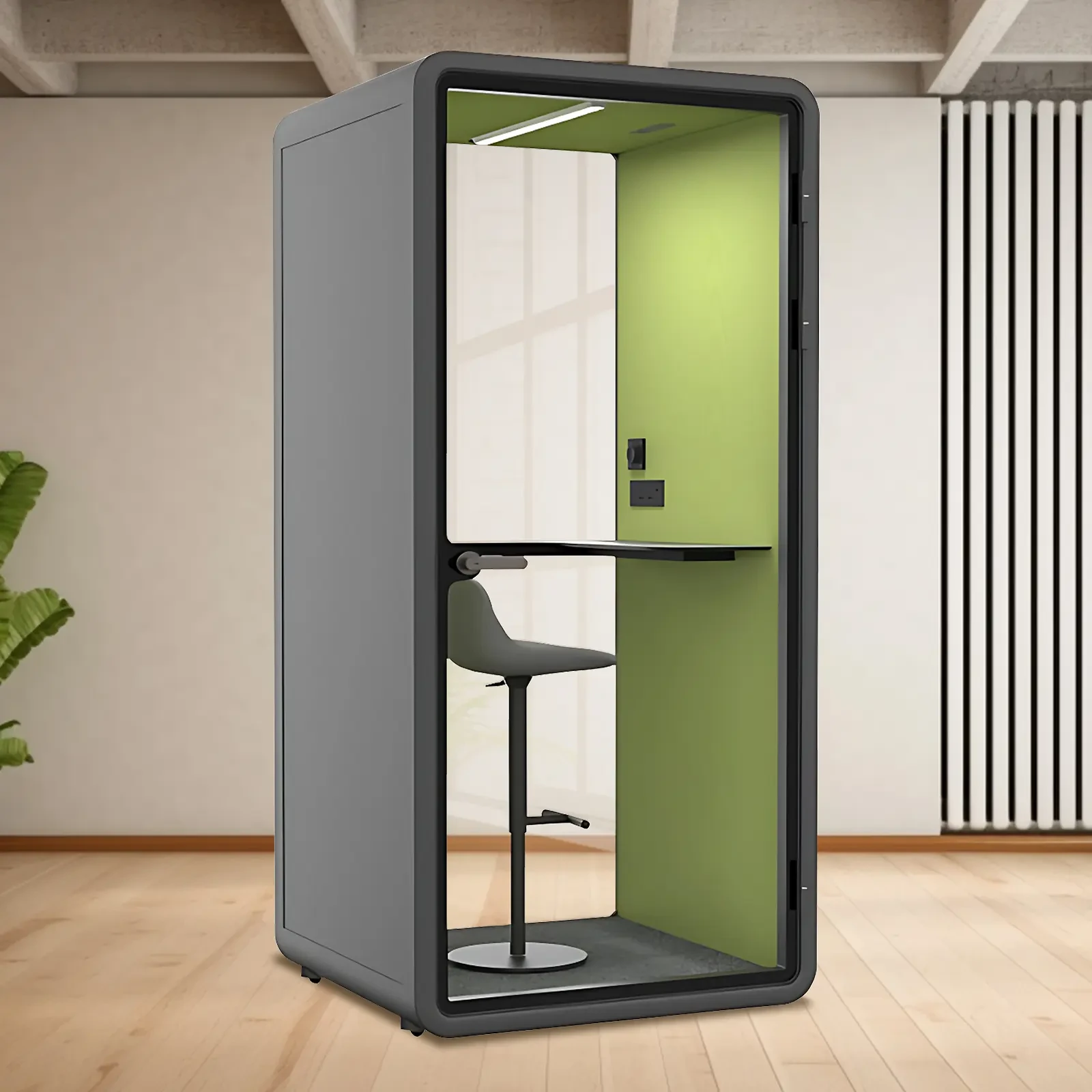
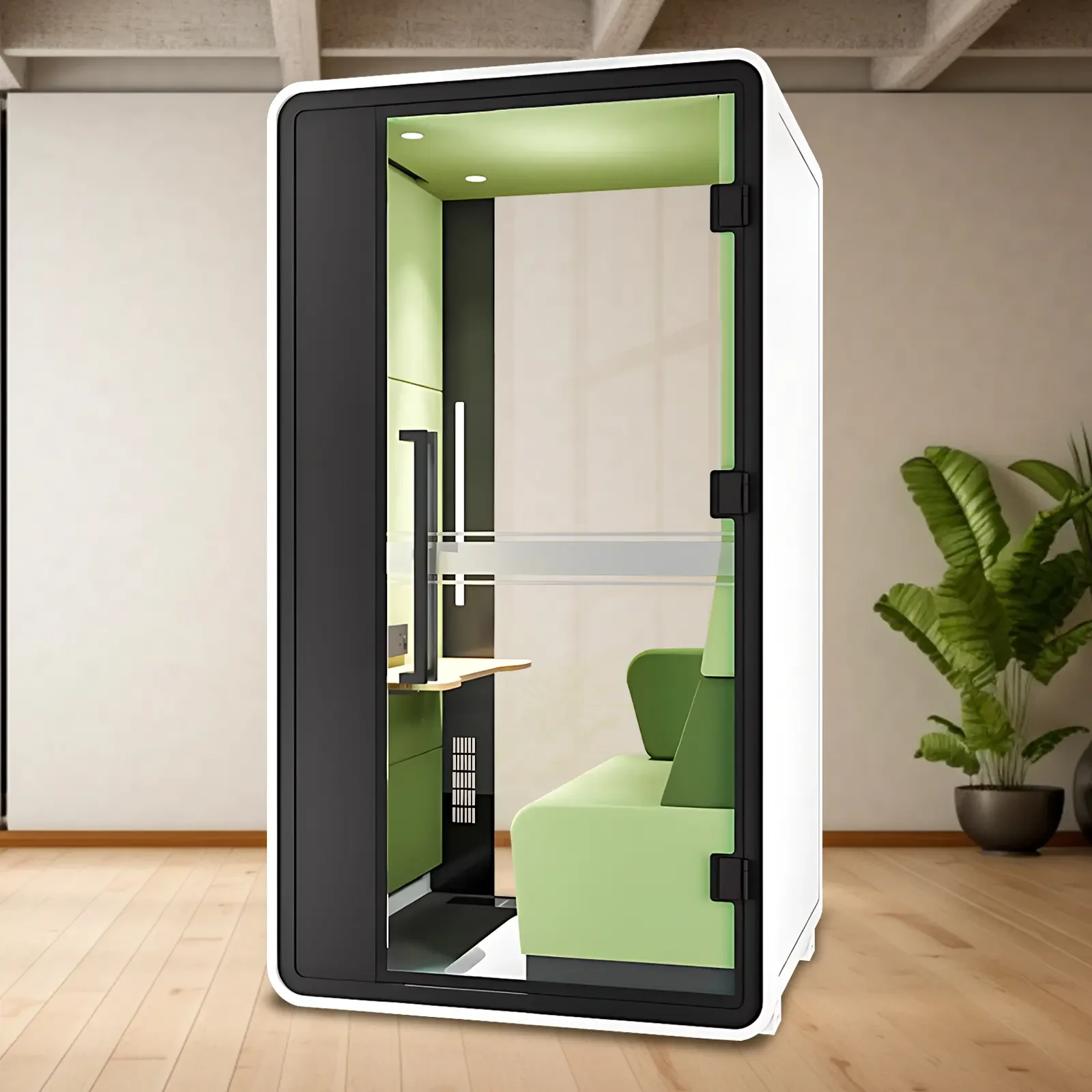
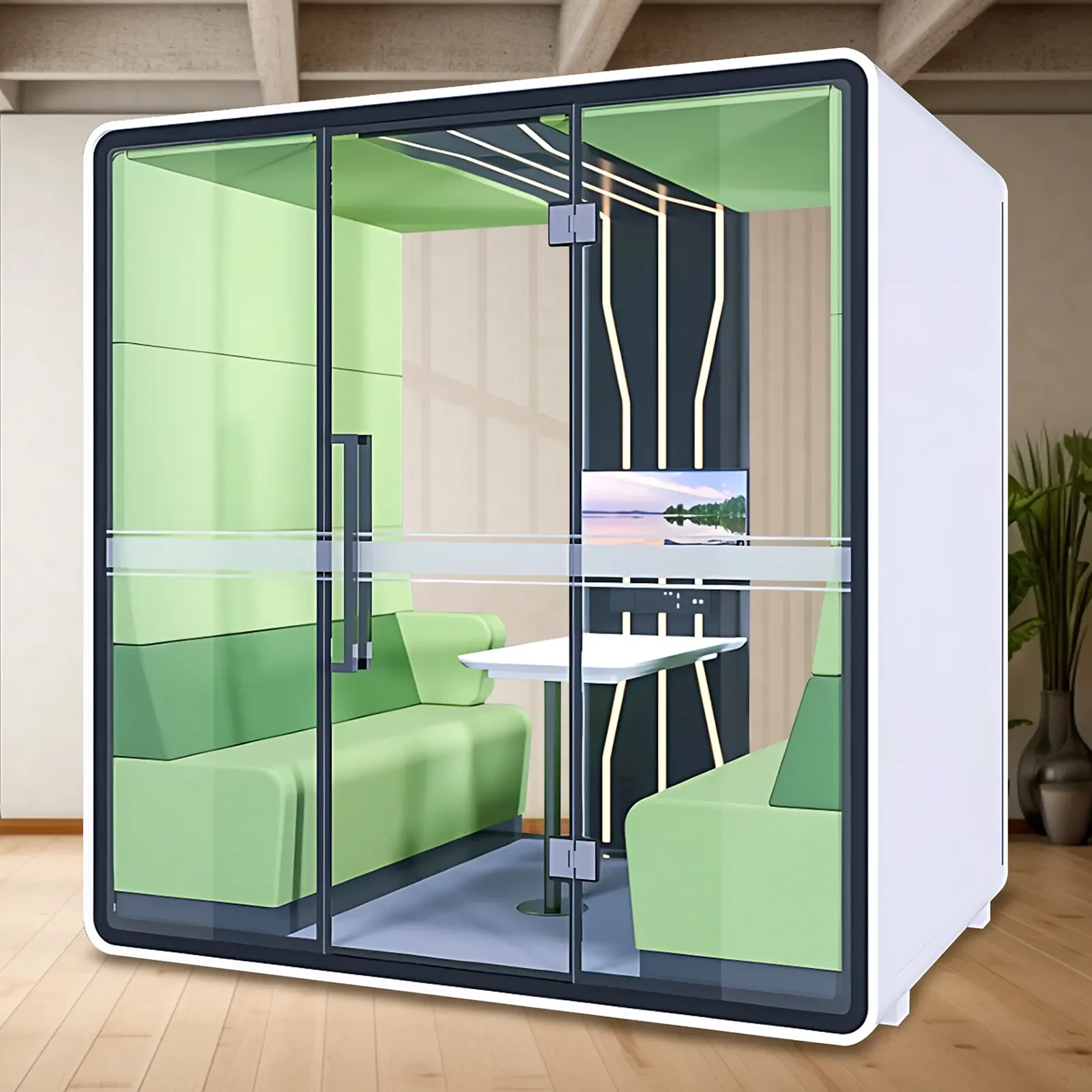
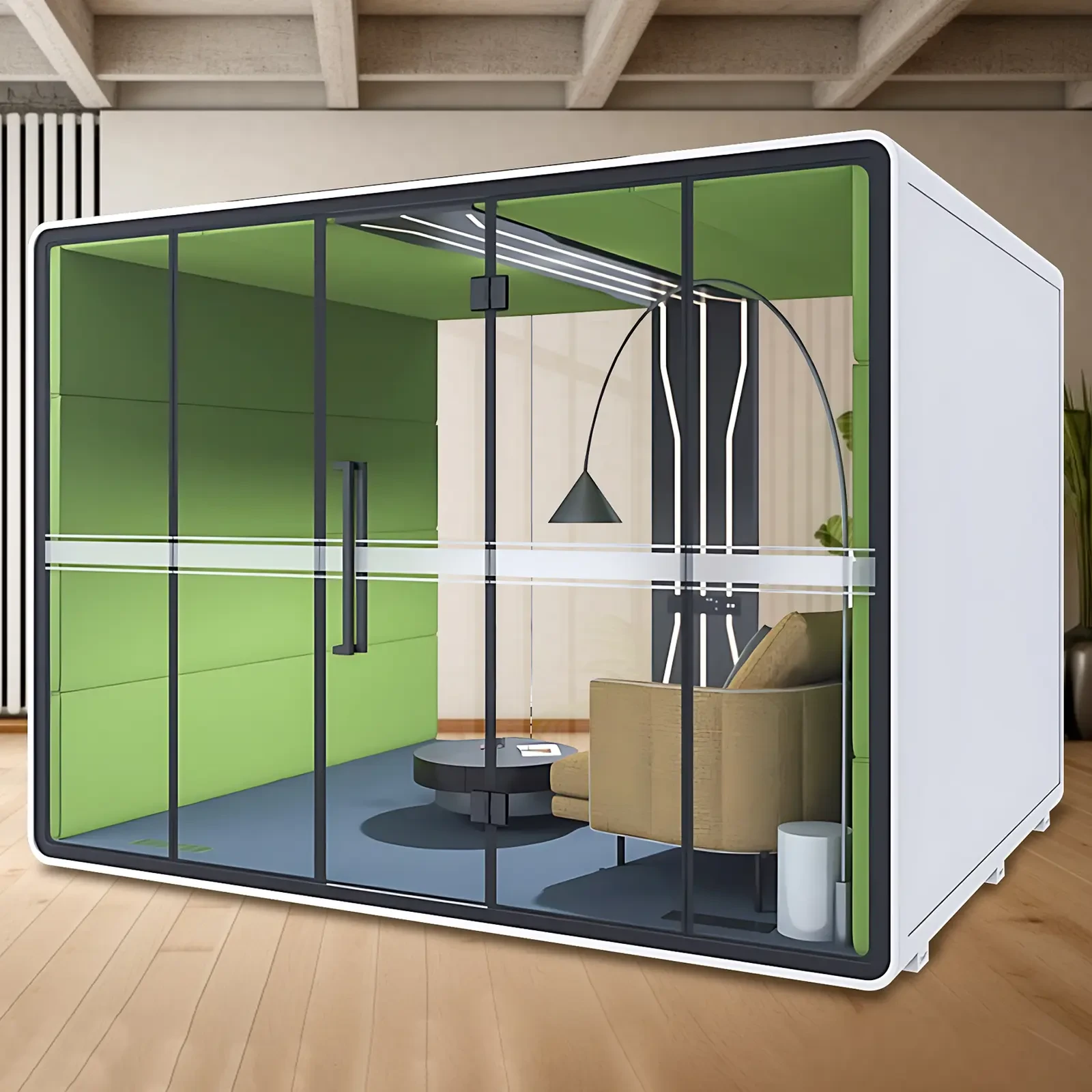
Environmental Noise Pollution Prevention and Control Law of the People's Republic of China
Article 2 Environmental noise as referred to in this Law means the sound generated in industrial production, construction, transportation and social life that disturbs the surrounding living environment.
Environmental noise pollution as referred to in this law means the phenomenon where the generated environmental noise exceeds the national environmental noise emission standards and interferes with the normal life, work and study of others.
Industrial Enterprise Boundary Environmental Noise Emission Standards
I. Explanation of Time
According to the Environmental Noise Pollution Prevention and Control Law of the People's Republic of China, "daytime" refers to the period between 6:00 and 22:00; "nighttime" refers to the period between 22:00 and 6:00 the next day.
If the people's governments at or above the county level have other provisions on the division of daytime and nighttime for the purpose of environmental noise pollution prevention and control (such as taking into account time differences, differences in work and rest habits, etc.), those provisions shall be followed.
II. Noise Explanation
- Frequent noise refers to noise that occurs frequently, with regular timing and intervals, short duration, and high intensity. Examples include exhaust noise and cargo loading/unloading noise.
- Intermittent noise: refers to noise that occurs occasionally, with irregular timing and intervals, short duration, and high intensity. Examples include short horn blasts and construction blasting sounds.
- Background noise: The sum of environmental noise emitted by sources other than the noise source being measured.
- Steady-state noise: Noise whose sound level fluctuation of the measured sound source is no greater than 3dB(A) during the measurement time.
- Unsteady-state noise: Noise whose sound level fluctuation of the measured sound source is greater than 3dB(A) during the measurement time.
- Maximum sound level: The maximum A-weighted sound level measured during a frequent or occasional noise event within a specified measurement time.
- Octave band sound pressure level: The sound pressure level measured using an octave band filter conforming to GB/T 3241, with its measurement bandwidth proportional to the center frequency. The octave band center frequencies used in this standard for indoor noise spectrum analysis are 31.5Hz, 63Hz, 125Hz, 250Hz, and 500Hz, covering a frequency range of 22~707Hz.
III. Environmental Noise Emission Limits at Plant Boundary
1. The environmental noise at the boundary of industrial enterprises shall not exceed the emission limits specified in Table 1.
- The maximum sound level of frequent nighttime noise must not exceed the limit by more than 10 dB(A).
- The maximum sound level of occasional noise at night shall not exceed the limit by more than 15 dB(A).
- If an industrial enterprise is located in an area where no acoustic environment functional zones have been designated, and there are noise-sensitive buildings outside the factory boundary, the local people's government at or above the county level shall determine the acoustic environment quality requirements for the area outside the factory boundary with reference to the provisions of GB 3096 and GB/T 15190, and implement the corresponding factory boundary environmental noise emission limits.
- When the distance between the factory boundary and a noise-sensitive building is less than 1m, the environmental noise at the factory boundary should be measured indoors in the noise-sensitive building, and the corresponding limit in Table 1 minus 10dB(A) should be used as the evaluation basis.
2. Indoor noise emission limits for fixed equipment with structural transmission.
When noise emitted by fixed equipment propagates through the building structure into the interior of a noise-sensitive building, the equivalent sound level inside the noise-sensitive building must not exceed the limits specified in Tables 2 and 3. (This is what we commonly refer to as low-frequency vibration noise.)
IV. Measurement Methods
1. Measuring instruments
- The measuring instruments should be integrating average sound level meters or automatic environmental noise detectors, with performance no less than that required for Type 2 instruments according to GB 3785 and GB/T 17181. For noise measurements below 35 dB, a Type 1 sound level meter should be used, and the measurement range should meet the requirements for the noise being measured. Calibration of all instruments should comply with the requirements for Class 1 or Class 2 sound calibrators according to GB/T 15173. When noise spectrum analysis is required, the instrument performance should meet the requirements for filters in GB/T 3241.
- Measuring instruments and calibrators should be periodically calibrated and used within their valid service life; acoustic calibration must be performed on-site before and after each measurement. The deviation between the calibration readings before and after calibration must not exceed 0.5 dB, otherwise the measurement results will be invalid.
- A windproof cover was added to the microphone during measurement.
- The time weighting characteristic of the measuring instrument is set to "F" mode, and the sampling time interval is no more than 1 second.
2. Measurement conditions
- Meteorological conditions: Measurements should be conducted in rain-free, snow-free, and thunderstorm-free weather, with wind speeds below 5 m/s. When measurements are taken under special weather conditions, necessary measures should be taken to ensure accuracy, and the measures taken and the meteorological conditions at the time should be noted.
- Measurement conditions: Measurements should be performed when the sound source being measured is operating normally, and the operating conditions at that time should be noted.
3. Measurement point location
- Measurement point layout: Based on the industrial enterprise's noise source, the layout of surrounding noise-sensitive buildings, and the adjacent area category, multiple measurement points are set up at the industrial enterprise's boundary, including locations that are close to noise-sensitive buildings and are greatly affected by the noise source being measured.
- The general rules for the location of measuring points are as follows: Under normal circumstances, the measuring points should be selected at a location 1m outside the boundary of the industrial enterprise, at a height of more than 1.2m, and at a distance of not less than 1m from any reflecting surface.
- Other regulations regarding measurement point locations: When the factory boundary is enclosed by a wall and there are noise-sensitive buildings nearby, the measurement point should be located 1m outside the factory boundary and at least 0.5m above the wall. When the actual emission status of the sound source cannot be measured at the factory boundary (e.g., the sound source is located at a high altitude, or there is a sound barrier at the factory boundary), the measurement point should be set according to the "General Regulations for Measurement Point Locations," and an additional measurement point should be set 1m outside the affected noise-sensitive building. For indoor noise measurements, the indoor measurement point should be set at least 0.5m away from any reflecting surface and at a height of 1.2m above the ground, with the window open in the direction of the noise impact. When measuring noise transmitted from fixed equipment structures into the room of a noise-sensitive building, the measurement point should be at least 0.5m away from any reflecting surface, 1.2m above the ground, and at least 1m away from an exterior window, with the window closed. Other sound sources in the room being measured that may interfere with the measurement (such as televisions, air conditioners, exhaust fans, and noisy fluorescent lights with ballasts, clocks that make noise while running, etc.) should be turned off.
4. Measurement period
- Measurements were taken during both daytime and nighttime periods. The maximum sound level was also measured simultaneously at night when frequent or occasional noise was present.
- The sound source being measured is steady-state noise, and the equivalent sound level for 1 minute is used.
- The sound source under test is non-steady-state noise. The equivalent sound level of the sound source under test is measured during a representative period. If necessary, the equivalent sound level of the sound source under test is measured during the entire normal working period.
5. Background noise measurement
- Measurement environment: Unaffected by the sound source being measured, and other acoustic environments are consistent with those used when measuring the sound source.
- Measurement period: The same as the measurement time of the sound source being measured.
6. Measurement Records
Noise measurements must be recorded. The record should primarily include: the name and address of the measured unit, the acoustic environment functional zone category where the plant boundary is located, meteorological conditions during measurement, measuring instruments, calibration instruments, measurement point locations, measurement time, measurement period, instrument calibration values (before and after measurement), main sound sources, measurement conditions, schematic diagram (locations of plant boundary, sound sources, noise-sensitive buildings, measurement points, etc.), noise measurement values, background values, measurement personnel, calibration personnel, and reviewers, among other relevant information.
7. Measurement result correction
- When the noise measurement value differs from the background noise value by more than 10 dB(A), the noise measurement value is not corrected.
- When the difference between the noise measurement value and the background noise value is between 3 and 10 dB(A), the difference between the noise measurement value and the background noise value is rounded and corrected according to Table 4.
- If the noise measurement value differs from the background noise value by less than 3 dB(A), measures should be taken to reduce the background noise, and then the methods in the preceding two paragraphs should be followed as appropriate. If the requirements of the preceding two paragraphs still cannot be met, the relevant provisions of the Environmental Noise Monitoring Technical Specifications should be followed.
8. Evaluation of Measurement Results
- The measurement results at each measuring point should be evaluated separately. The measurement results at the same measuring point each day should be evaluated separately for daytime and nighttime periods.
- The maximum sound level is evaluated directly.
9. Supervision and implementation of standards
This standard shall be supervised and implemented by the environmental protection administrative department of the people's government at or above the county level.