
 USD
USD  GBP
GBP
 EUR
EUR
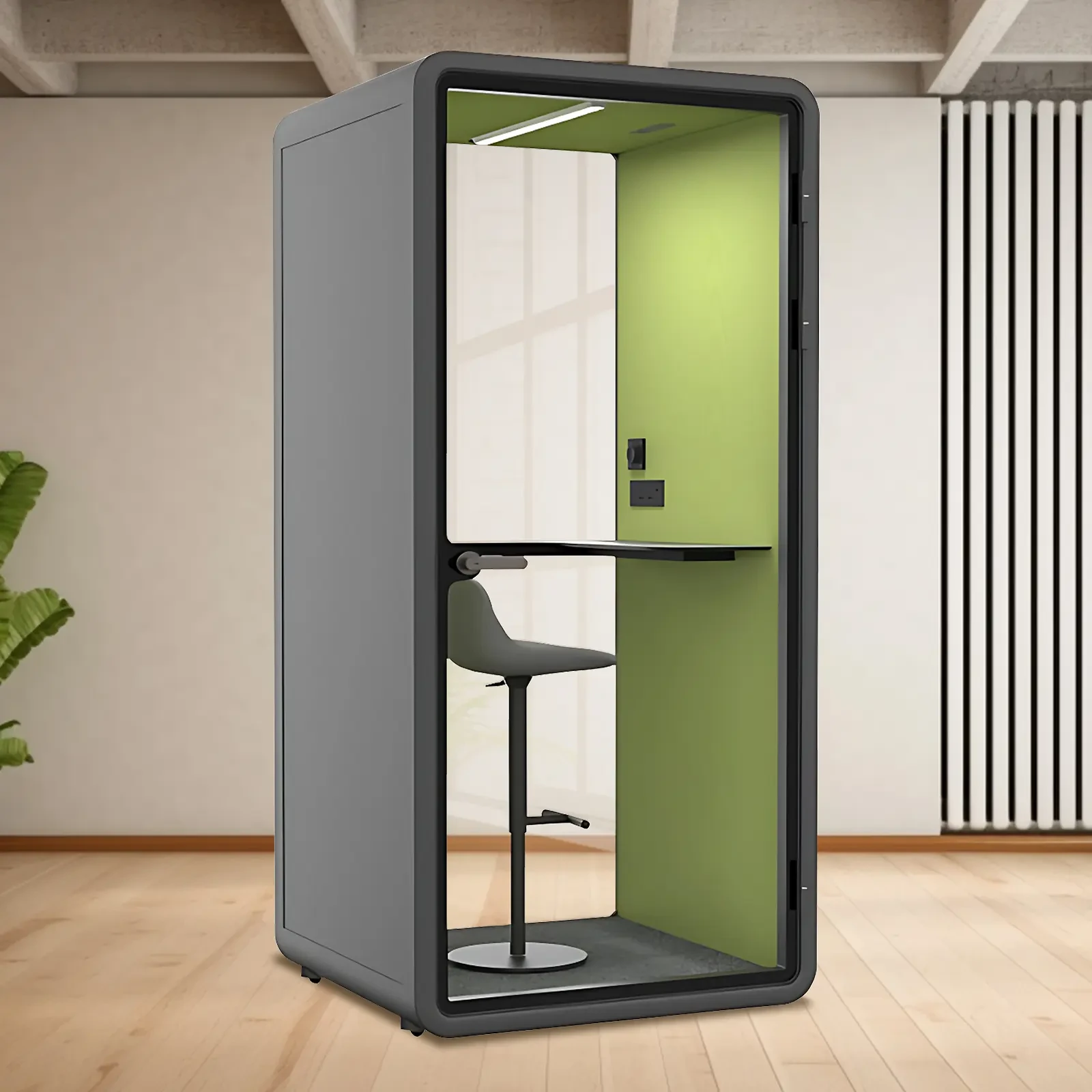
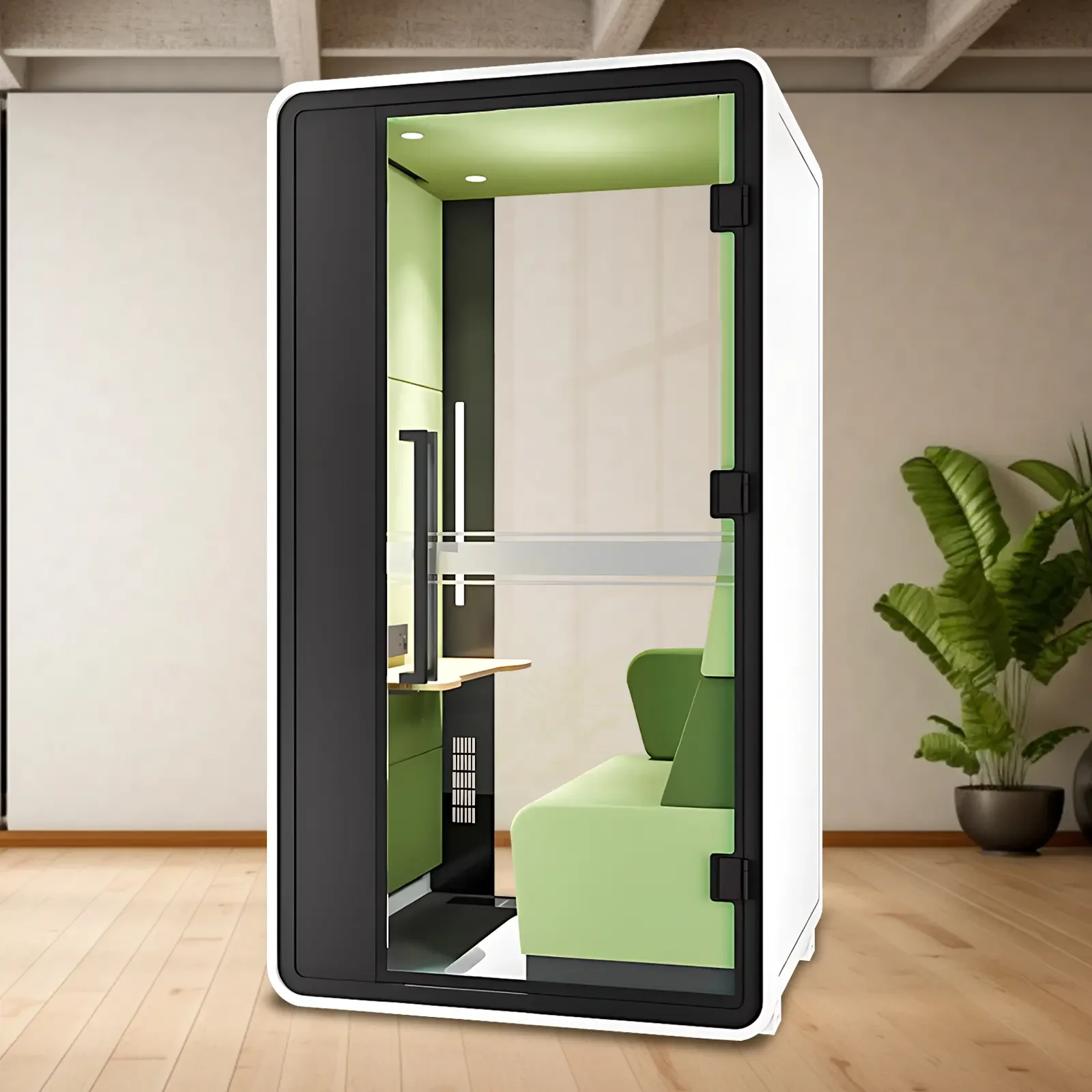
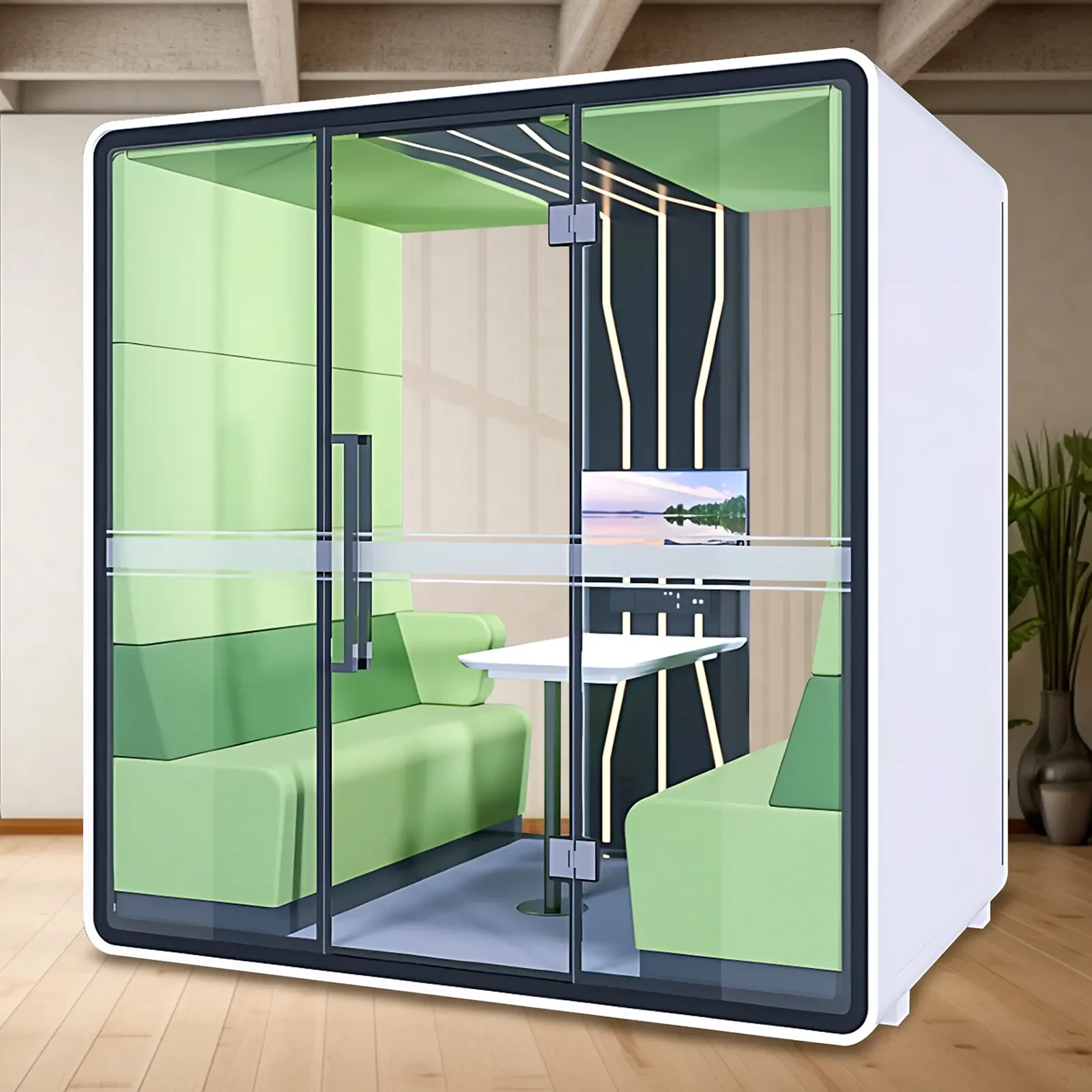
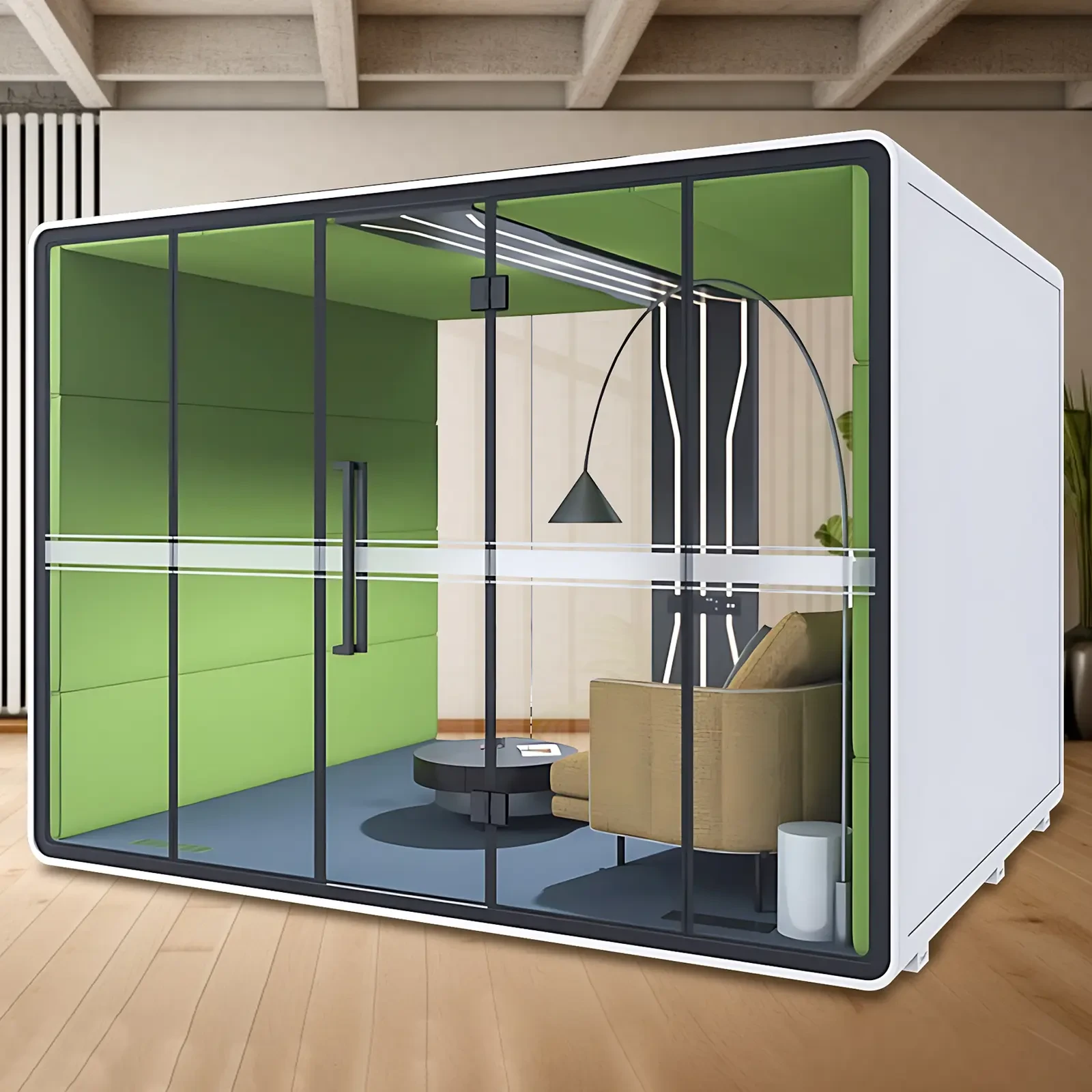
Main components and application areas of glass wool
In modern construction and industrial manufacturing, the selection of thermal insulation and soundproofing materials is crucial. Among them, glass wool is widely popular due to its excellent physical properties. As an environmentally friendly, lightweight insulation material with excellent thermal conductivity, glass wool not only provides outstanding thermal insulation but also helps absorb noise. This article will delve into the main components, production process, and application areas of glass wool to provide a comprehensive understanding of this important material.
I. Composition of Glass Wool
The main component of glass wool is silicate, which gives it excellent high-temperature resistance and stable chemical properties. Specifically, the basic structure of glass wool is as follows:
1. Silica (SiO2): Silica is the main component of glass wool, accounting for about 50% to 70% of its composition. The presence of silica gives glass wool good thermal stability and resistance to chemical corrosion.
2. Aluminum oxide (Al2O3): Aluminum oxide typically accounts for 10% to 30% of the composition. Adding aluminum oxide can improve the heat resistance of glass wool, allowing it to maintain good thermal insulation properties even at high temperatures.
3. Calcium oxide (CaO): Calcium oxide accounts for approximately 5% to 15%. It not only helps improve the processing performance of glass wool, but also increases the strength of the material.
4. Other components: Glass wool may also contain elements such as sodium oxide (Na2O) and magnesium oxide (MgO). These components can be adjusted according to specific production processes and application requirements.
Through the combination of the above components, glass wool possesses excellent physical and chemical properties, making it an ideal choice for industries such as construction, aerospace, automotive, and electronics.
II. Production Process of Glass Wool
The production process of glass wool mainly includes several steps such as melting, fiberization, molding and curing.
1. Raw Material Preparation: First, the main raw materials need to be prepared, such as quartz sand, feldspar, dolomite, limestone, etc. These raw materials need to be strictly screened before processing to ensure the quality of the final product.
2. Melting: The prepared raw materials are placed in a high-temperature furnace, where the temperature can reach 1400℃ to 1600℃. Under high-temperature conditions, the raw materials will melt and form molten glass.
3. Fiberization: Molten glass is drawn into fine filaments using wind or centrifugal force to form glass fibers. This process is crucial in glass wool production, determining the diameter, length, and distribution of the fibers.
4. Molding and Curing: After fiberization, the fibers are stacked in a certain way to form glass wool felt or boards. After molding, adhesives are usually added, and then the glass wool is placed in an oven for curing to ensure the stability of its shape and properties.
Throughout the entire production process, it is necessary to strictly control the temperature and time at each stage to ensure that the quality and performance of the glass wool meet the expected standards.
III. Performance Characteristics of Glass Wool
Glass wool, as a thermal insulation material, possesses many superior properties:
1. Excellent thermal insulation: The thermal conductivity of glass wool is generally between 0.03-0.045 W/(m·K), which means that it can effectively prevent heat conduction and reduce energy loss.
2. Superior sound absorption performance: Due to its porous structure, glass wool effectively absorbs sound waves and reduces noise transmission. Its sound absorption performance surpasses that of many traditional materials, making glass wool an ideal sound insulation material for buildings.
3. Fire resistance: Glass wool is an inorganic material with good fire resistance. Its temperature resistance range can usually reach over 400℃, which meets the fire safety requirements of modern buildings.
4. Environmental friendliness: The raw materials for glass wool are natural minerals, which do not contain harmful substances and are considered environmentally friendly materials. The products do not release toxic gases during use and are safe and reliable.
5. Lightweight and high strength: Compared with other insulation materials, glass wool is lightweight, which makes it easy to transport and install. At the same time, it is not easily damaged and extends its service life.
IV. Application Areas of Glass Wool
Due to its excellent properties, glass wool has been widely used in many fields:
1. Construction Industry: In construction, glass wool is widely used for thermal insulation and soundproofing of walls, roofs and floors to ensure the comfort and quietness of the indoor environment.
2. Industrial Equipment: In industrial production, glass wool is used to insulate pipes, boilers, air ducts and other equipment, reducing energy consumption and improving production efficiency.
3. Automobile manufacturing: In the automotive industry, glass wool, as a sound insulation material, can significantly reduce engine and road noise and improve driving comfort.
4. Electronic products: In the manufacturing of electronic products, glass wool can be used as an insulating material to reduce noise interference and protect electronic components to ensure normal operation.
5. Aerospace: Due to its lightweight and high-temperature resistance, glass wool has become an important material for aerospace and aviation equipment, ensuring the normal operation of equipment in harsh environments.
Summarize
Overall, glass wool, with its unique composition, superior performance, and wide range of applications, has become an indispensable insulation material in the modern construction and manufacturing industries. With increasing environmental awareness and technological advancements, glass wool will play an even more important role in the future, providing people with a more comfortable and safer living environment.
X-comfot, your gateway to an efficient life. We are committed to becoming your most trusted brand of soundproof pod.
E-mail: support@x-comfot.com