
 USD
USD  GBP
GBP
 EUR
EUR
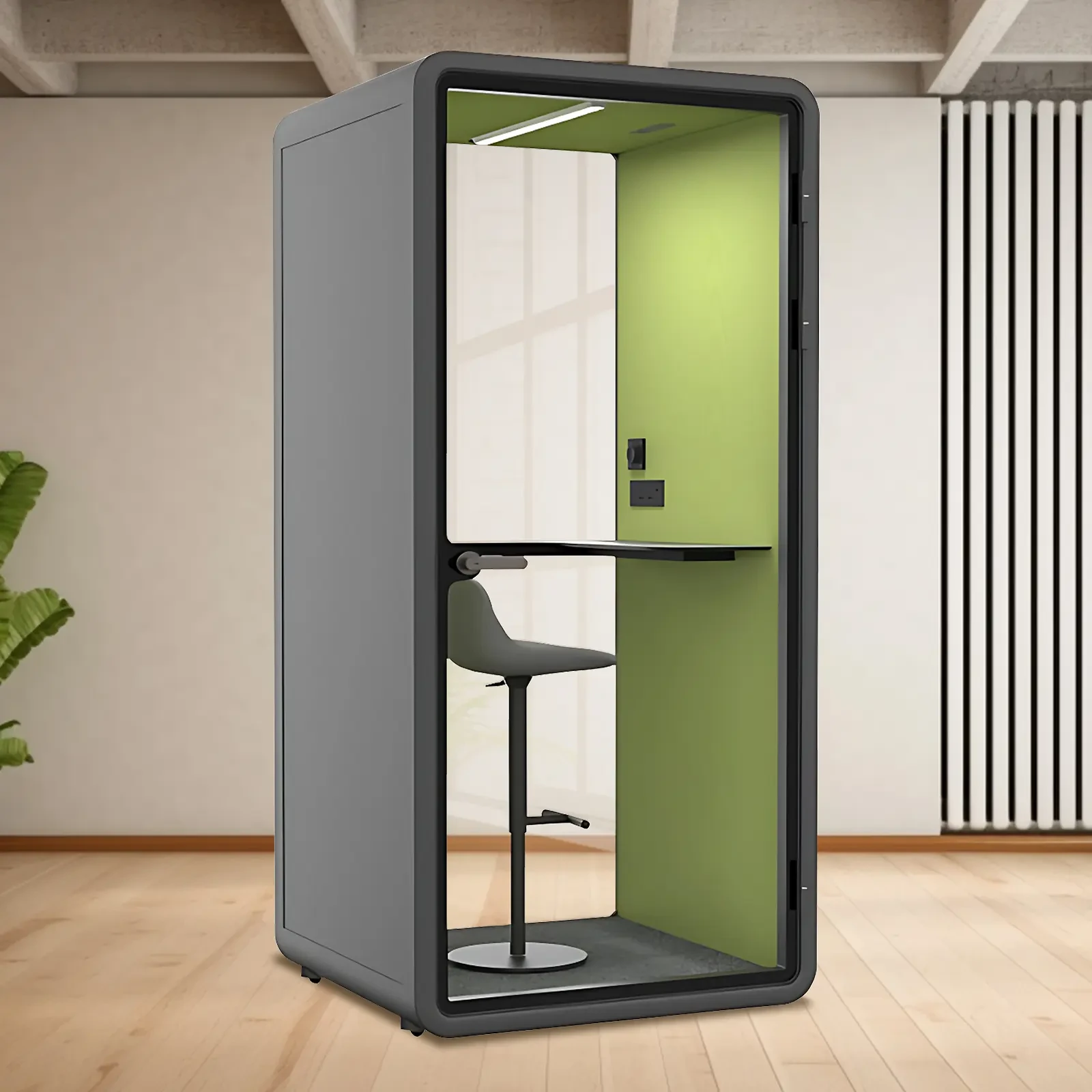
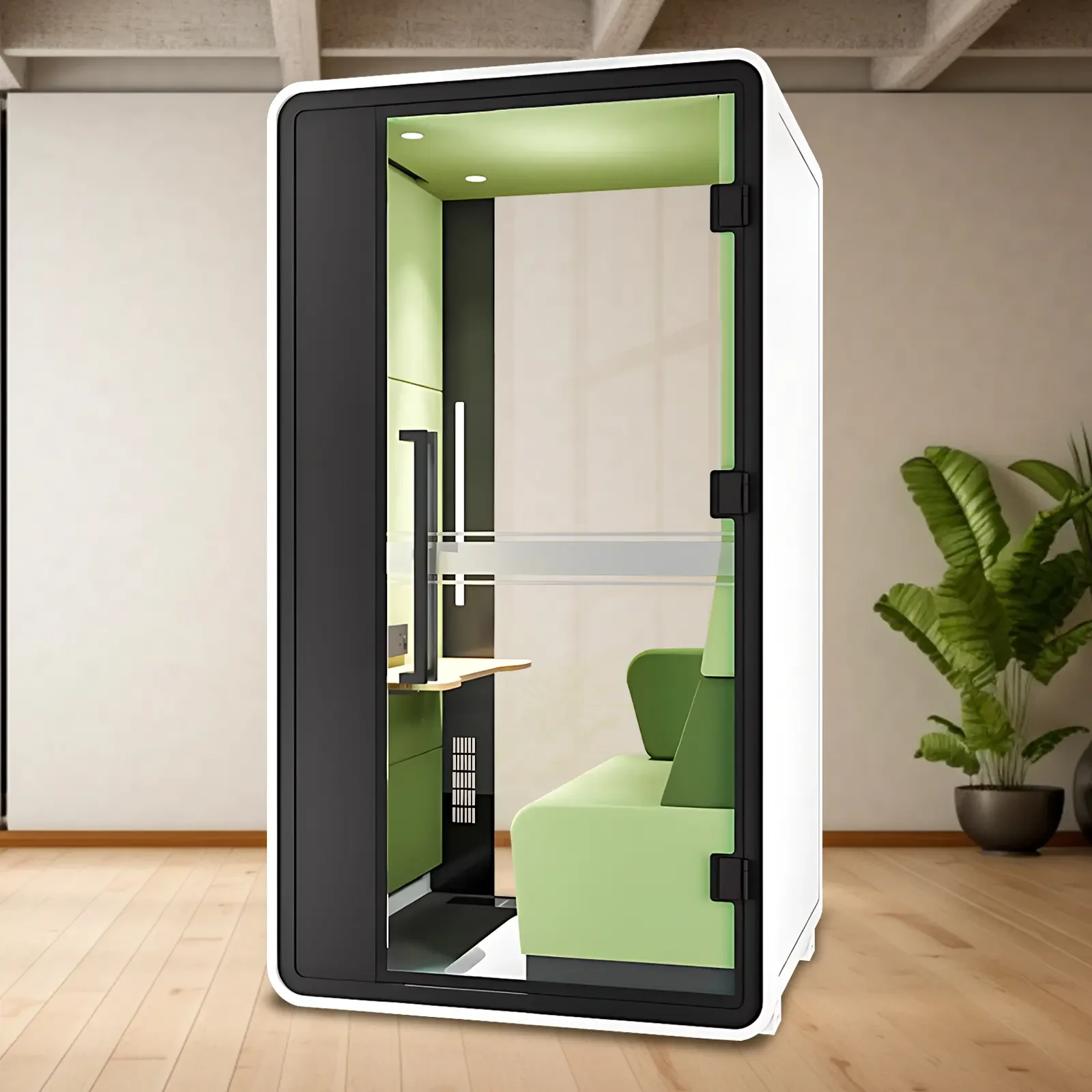
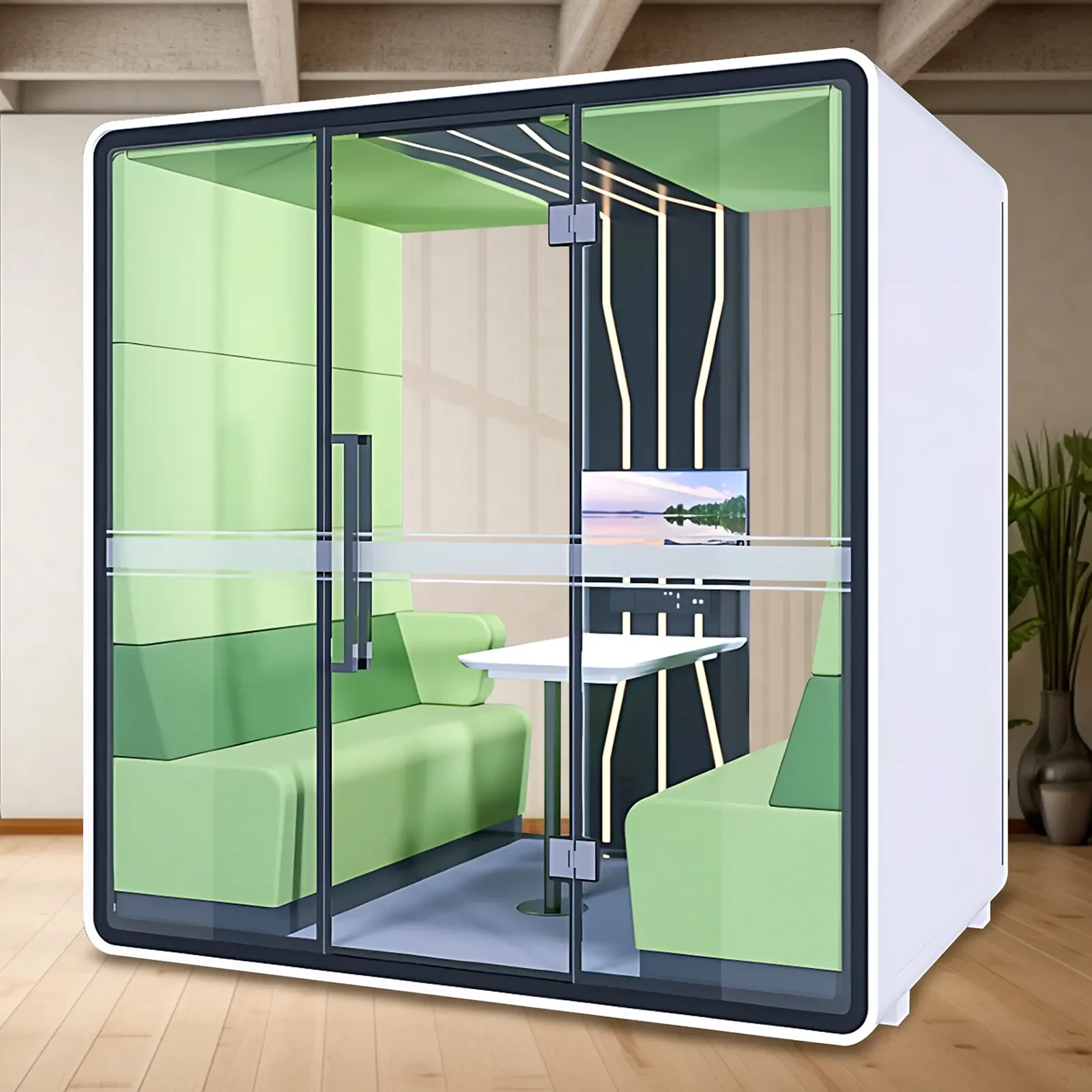
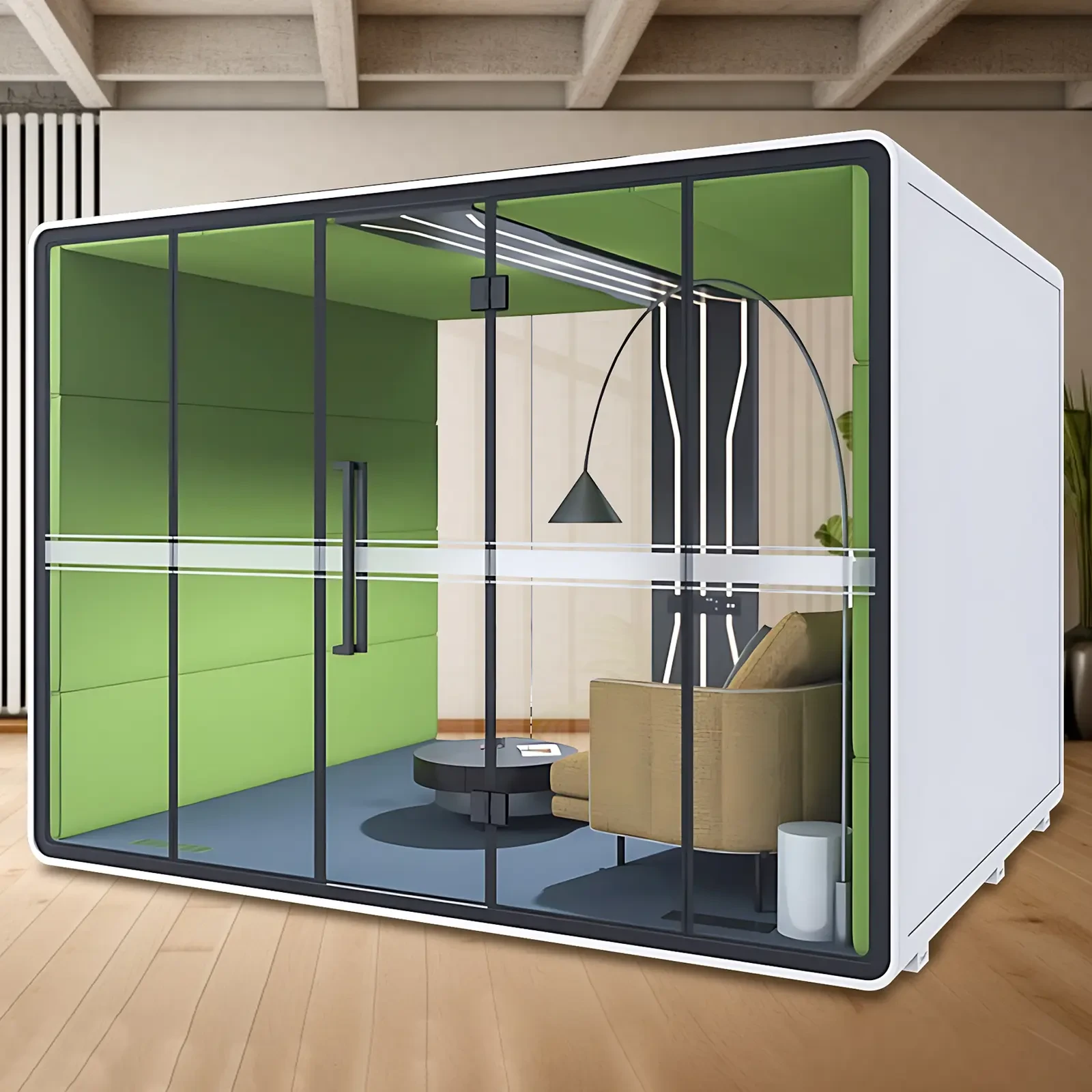
Key Points That Cannot Be Ignored in Office Soundproofing Renovation
In today's office environment, a quiet and comfortable space is crucial for employee productivity and well-being. Therefore, soundproofing office spaces has become an important part of creating a high-quality working environment. However, there are several issues that require special attention when performing soundproofing.
When choosing sound insulation materials, different types of materials have their own unique properties and applicable scenarios. Taking the office renovation of an internet technology company as an example, they put a lot of thought into the selection of sound insulation materials. Due to the large number of computer devices in the office area and frequent employee communication, the sound insulation requirements were high. Quality and performance were their primary considerations.
For wall decoration, we can use polyester fiber sound-absorbing panels or mineral wool sound-absorbing panels. Mineral wool sound-absorbing panels are made from slag through high-temperature melting and fiberization processes, possessing excellent sound absorption properties, especially effective at absorbing high-frequency sounds. They also have superior fire resistance, meeting the A1 non-combustible standard, making them ideal for densely populated environments like offices where safety is paramount. This internet company used mineral wool sound-absorbing panels on its conference room walls, effectively absorbing various sounds generated during meetings and discussions, while also providing strong safety assurance.
In areas sensitive to low- and mid-frequency noise, such as computer rooms, in addition to laying high-density sound insulation felt, rubber sound insulation mats can also be considered. Rubber sound insulation mats have high elasticity and damping properties, effectively blocking low-frequency vibrations and noise transmission generated by equipment operation. They are soft, easy to install, and can be flexibly cut to fit the layout of the computer room equipment.
Environmental friendliness is also a crucial factor. Offices are densely populated, and if soundproofing materials are not environmentally friendly, they can release harmful gases like formaldehyde, seriously endangering employee health. This internet company must choose sound-absorbing materials with environmental certifications, such as the E1 grade, to ensure both sound insulation and good indoor air quality. Simultaneously, considering workplace safety, the fire resistance of soundproofing materials is equally critical. Sound-absorbing materials with a certain flame-retardant rating, such as B1 grade, can slow the spread of fire in the event of a fire, buying valuable time for evacuation.
Secondly, careful attention to the location of the walls during renovation is essential. Taking a law firm as an example, walls are a primary pathway for sound transmission. Therefore, during renovation, it's crucial not only to install sound-absorbing materials but also to ensure the walls are airtight. Any gaps in the walls will allow sound to penetrate. Before installing the sound-absorbing panels, they meticulously sealed the walls, filling all holes and gaps. For areas with higher sound insulation requirements, such as meeting rooms, a double-wall structure was used. The air gap between the two walls significantly enhances sound insulation, as sound is attenuated during propagation through different media, effectively ensuring the confidentiality of the meeting content.
Doors and windows are often the weakest link in sound insulation. Choosing doors and windows with good sealing is crucial. One financial company chose thermally broken aluminum doors and windows with double-glazed windows, the glass spacer filled with argon gas. After installation, the office, located next to the road, is no longer disturbed by traffic noise. When installing doors and windows, ensure that the sealing strips between the door/window frame and the wall are intact, and regularly check and replace aging strips during use to maintain good sound insulation. Floor sound insulation can be achieved by laying carpets; thick carpets, wool carpets, and other natural materials have better sound absorption. For special cases where there are noise sources downstairs, a floating floor structure can be used, with elastic pads such as rubber mats or sound-absorbing felt placed between the subfloor and the floor to reduce sound transmission from the ground.
Finally, key points regarding construction cannot be overlooked. The installation of soundproofing materials must follow correct construction techniques. Sound-absorbing panels must be installed flat, with adjacent panels tightly joined; otherwise, the sound absorption effect will be compromised. When installing soundproofing felt, wrinkles and damage should be avoided to prevent a reduction in its soundproofing performance. Furthermore, soundproofing should be coordinated with the overall office decoration style and other aspects. The color and style of the sound-absorbing panels should match the wall decoration, and the material and appearance of doors and windows should align with the overall office design concept. At the same time, the construction sequence of soundproofing should be arranged reasonably to avoid interfering with other decoration work.
You May Also Like
X-comfot, your gateway to an efficient life. We are committed to becoming your most trusted brand of soundproof pod.
E-mail: support@x-comfot.com