
 USD
USD  GBP
GBP
 EUR
EUR
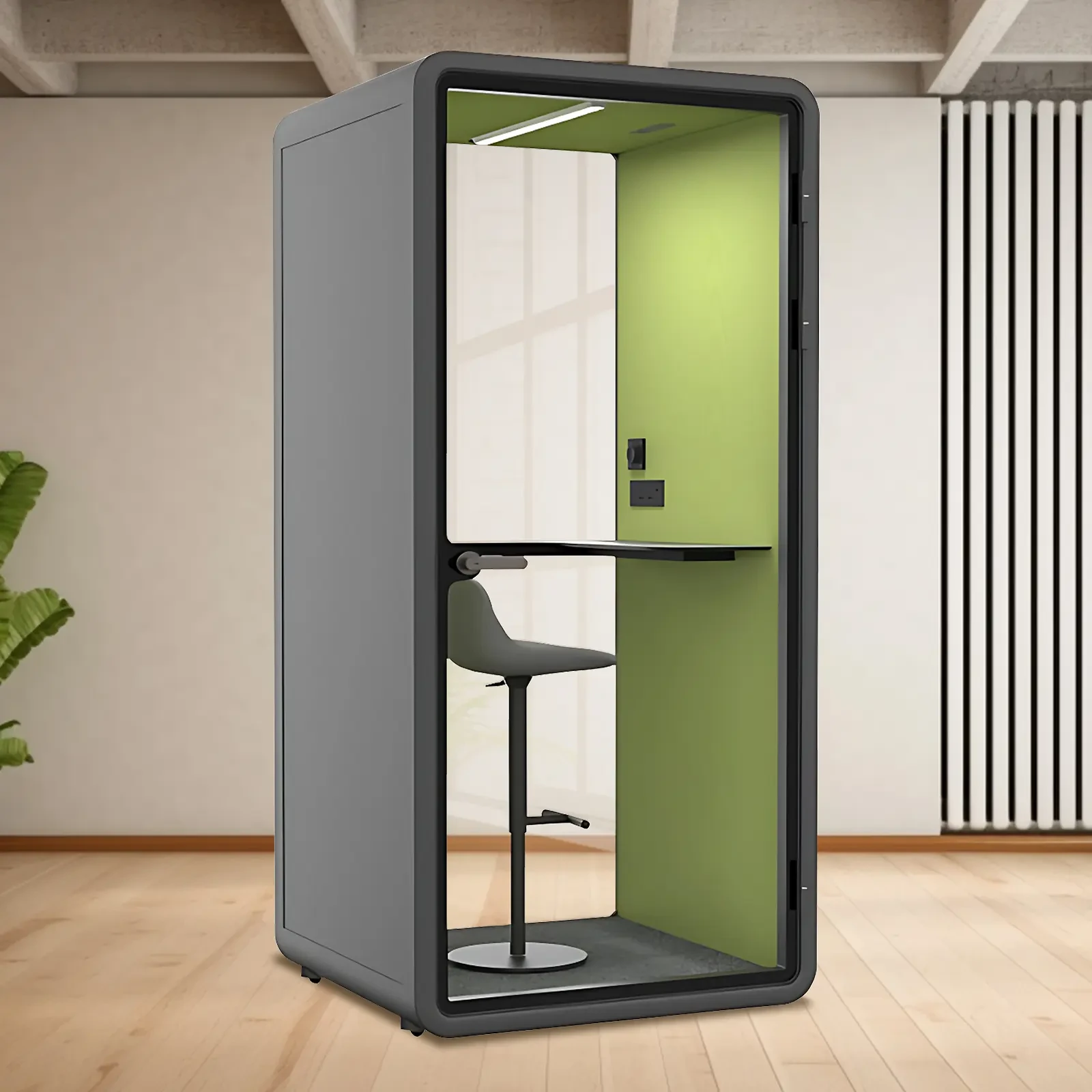
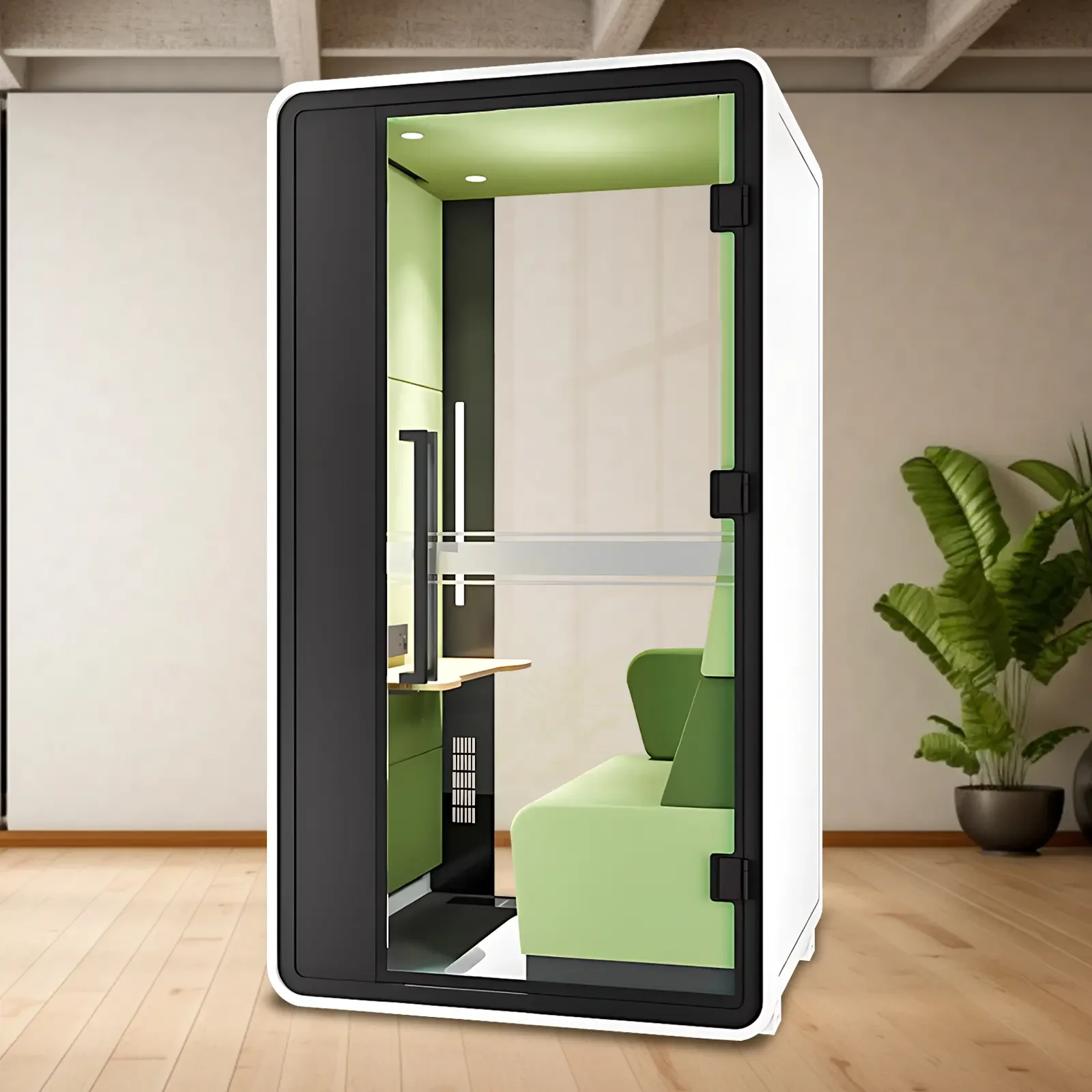
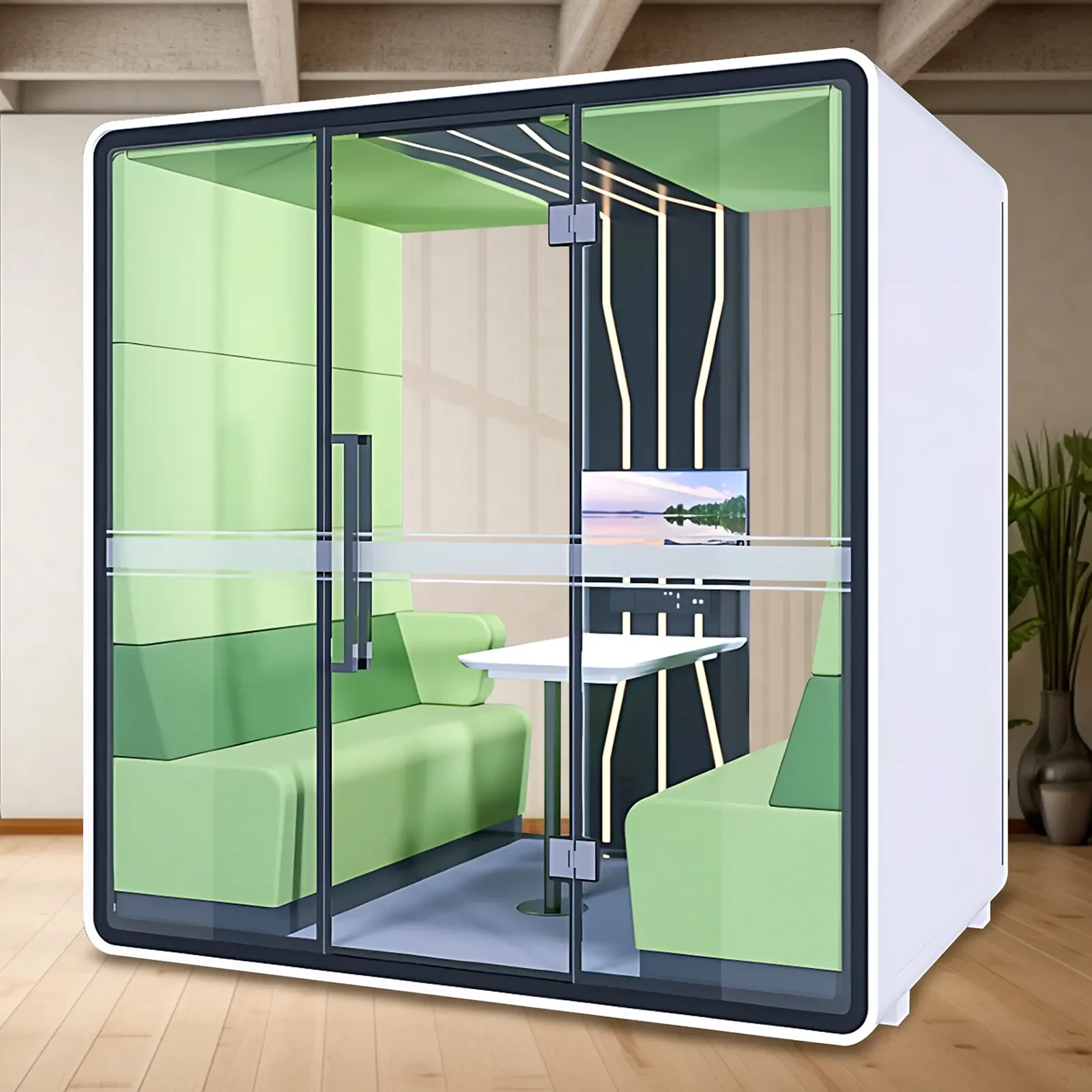
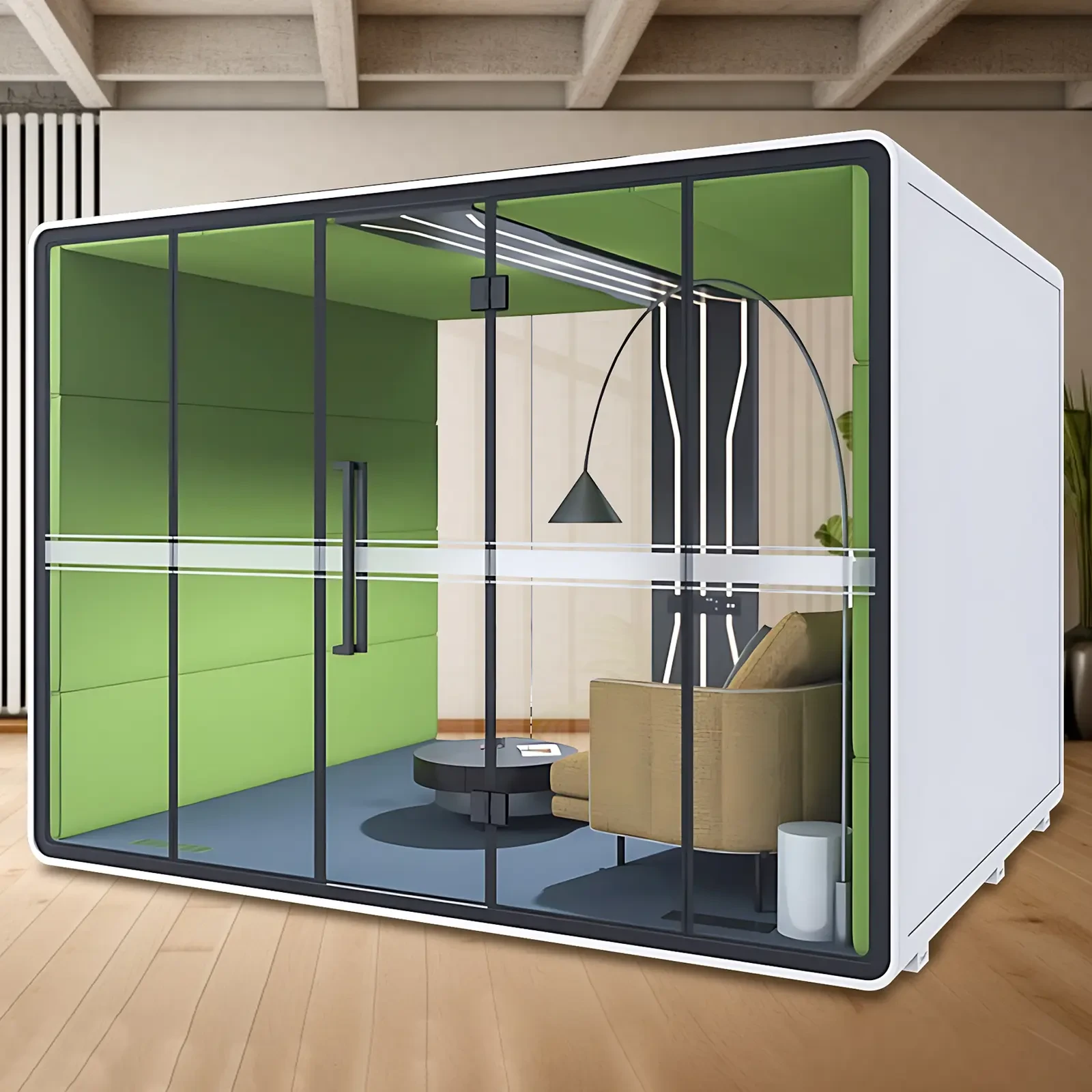
How can I effectively solve the noise problem in my rental apartment? Can soundproofing materials really help?
Noise pollution is a common problem for renters in modern urban life. This is especially true for apartments or houses near busy roads, where daytime traffic noise and nighttime clamor can be incredibly bothersome, making it difficult to enjoy life in peace. In such environments, many people consider using soundproofing materials, such as sound-absorbing cotton, to mitigate the noise impact. However, can sound-absorbing cotton truly solve the problem? This article will delve into the impact of noise pollution in rental housing on daily life, as well as the effectiveness of sound-absorbing cotton and other solutions.
1. The impact of noise on life
Noise not only causes annoyance but can also lead to health problems. Studies show that long-term exposure to noise can increase stress levels, affect sleep quality, and exacerbate mental health issues such as anxiety and depression. At the same time, noise can also affect the comfort of living spaces and reduce quality of life.
Many renters often overlook noise levels when choosing a property. Young people, in particular, may choose homes near main roads due to factors like convenient location and lower rent. However, after the initial excitement, the impact of noise on their lives gradually becomes apparent over time.
2. Basic knowledge of sound insulation cotton
Sound insulation cotton is a widely used architectural acoustic material whose main function is to reduce noise transmission. It is typically made of materials such as mineral wool, fiberglass, or polyester fiber. These materials have good acoustic properties and can reduce noise in a space through sound absorption and insulation. Sound insulation cotton works by absorbing sound wave energy and reducing sound wave reflection, thus making the indoor environment quieter. Ideally, sound insulation cotton should be placed between the noise source and the space, such as near walls, ceilings, or windows.
3. Advantages and disadvantages of sound insulation cotton
advantage:
- Noise reduction: Sound insulation cotton can effectively reduce noise from the outside, especially low-frequency noise, such as the sound of vehicles driving.
- Easy to install: Sound insulation cotton is relatively easy to install. Renters can choose to do it themselves or hire professionals to install it.
- Affordable: Many soundproofing materials are reasonably priced, making them suitable for renters on a budget.
shortcoming:
- Limited effectiveness: Sound insulation cotton may not be effective against certain types of high-frequency noise (such as screams and alarms) and cannot completely eliminate noise.
- Proper combination is required: If you only use sound insulation cotton without overall acoustic design, it may be difficult to achieve the desired effect.
- Space Occupancy: Installing sound insulation cotton will take up some space, which may affect the aesthetics and usable area of the living space.
4. Installation and application of sound insulation cotton
When considering using sound insulation materials to address noise issues, proper installation is crucial. Here are some installation suggestions:
1. Wall soundproofing: For walls near the road, you can choose to apply a layer of soundproofing cotton to the inside or outside of the wall. If space permits, you can install soundproofing panels on the wall.
2. Window treatment: Single-pane windows have limited noise insulation. Soundproof curtains can be used around the windows or they can be replaced with double-pane sealed windows to improve sound insulation.
3. Ceiling and Floor: If the noise is coming from above or below, consider using sound insulation on the ceiling or laying carpet on the floor to reduce sound transmission.
4. Combine with other materials: In addition to sound insulation cotton, using soundproof doors, sealing strips, and other methods can further improve the sound insulation effect.
5. Other noise reduction solutions
Besides soundproofing cotton, there are other ways to help reduce indoor noise:
- Use a white noise machine: A white noise machine can help you fall asleep by creating a uniform background sound that masks external noise.
- Planting plants: Large plants are not only aesthetically pleasing, but they can also absorb some of the sound, thus enhancing psychological well-being by creating a comfortable environment.
- Pay attention to the interior layout: Proper furniture placement, such as placing bookshelves or fabric sofas, can affect the propagation of sound waves.
6. Conclusion
For those renting apartments near roads, addressing noise pollution is often a crucial step in improving their quality of life. While soundproofing materials can effectively reduce certain types of noise, they are not a foolproof solution. Combining soundproofing materials with other noise control methods will more effectively improve the indoor environment and create a more comfortable living space.
Therefore, before making a decision, we recommend that you fully assess your needs, budget, and living environment to choose the most suitable method to alleviate noise pollution. A good living environment should be quiet and comfortable, and we hope that every renter can enjoy their own peaceful space.
X-comfot, your gateway to an efficient life. We are committed to becoming your most trusted brand of soundproof pod.
E-mail: support@x-comfot.com