
 USD
USD GBP
GBP
 EUR
EUR
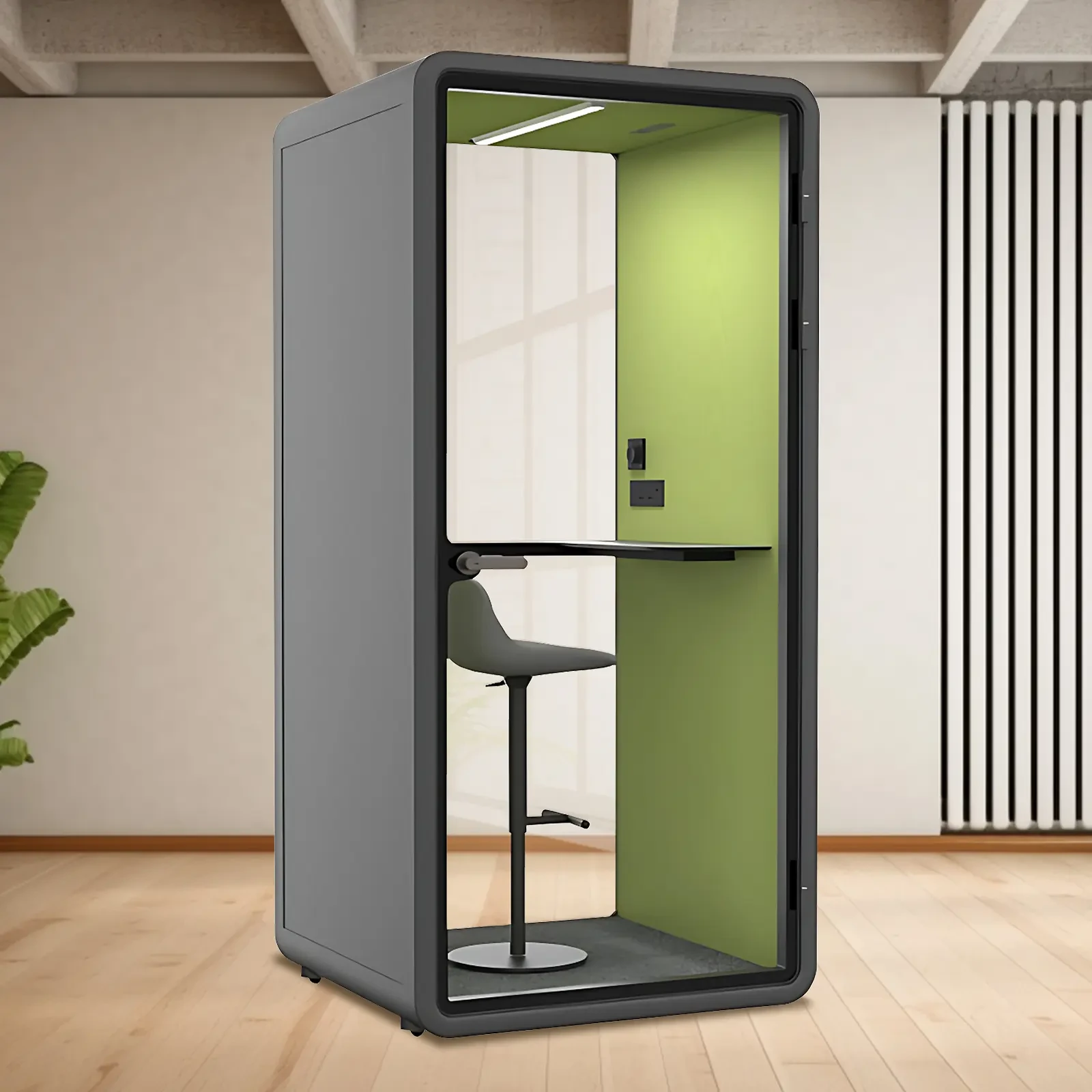


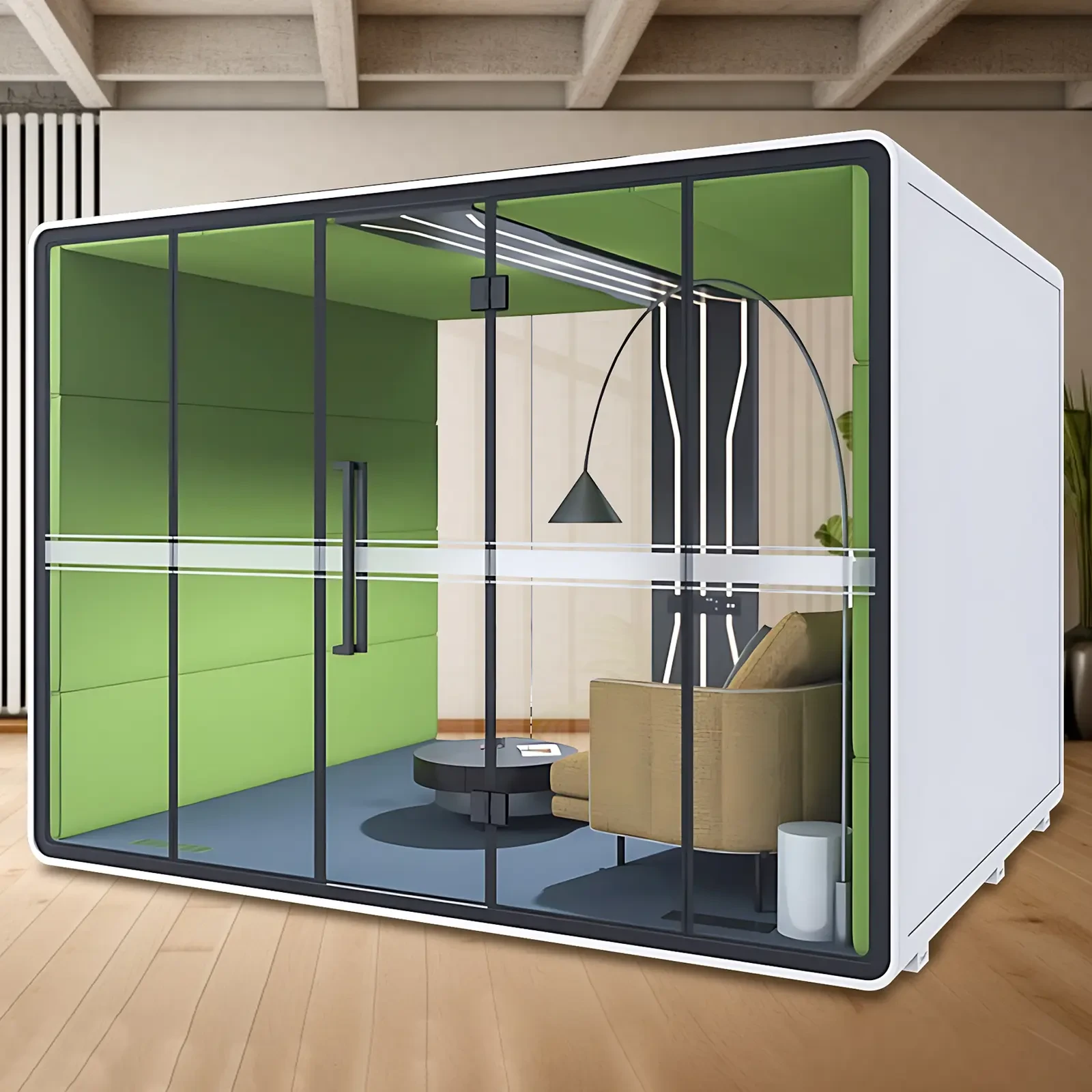
Have you ever been disturbed on a quiet afternoon or evening by sudden hawking noises, construction noises from upstairs or downstairs, square dancing noises from nearby squares, or the noise of cars speeding and blasting through the streets at night? This means your neighborhood is being plagued by noise pollution.
The Ministry of Ecology and Environment has drafted the "Guiding Opinions on Promoting the Construction of Quiet Communities (Draft for Solicitation of Opinions)" (hereinafter referred to as the Draft for Solicitation of Opinions). Recently, it has solicited opinions from multiple ministries and commissions, including the Ministry of Education, the Ministry of Public Security, and the Ministry of Civil Affairs, as well as the ecological and environmental departments of various provinces (autonomous regions and municipalities) and the Xinjiang Production and Construction Corps Ecological and Environmental Bureau. The aim is to create a number of quiet communities that "eliminate noise and allow people to sleep peacefully," thereby effectively solving the noise pollution problem "at the doorstep" of the people.
The draft for public comment plans that by 2027, the evaluation and management system for the construction of quiet communities in all provinces (autonomous regions and municipalities) will be basically complete, and cities at the prefecture level and above will generally carry out the construction of quiet communities, with initial demonstration and leading effects. By 2035, quiet communities will become the general standard for residential communities, the overall living environment will be quiet, and the concept of tranquility will be deeply rooted in people's hearts.
The draft for public comment proposes that residential communities should, in principle, meet the noise limits required by the functional acoustic zone in which they are located. There should be no obvious noise sources within the residential community, and noise generated by shared facilities and equipment such as elevators, water pumps, and transformers in residential buildings should meet the relevant standards for sound insulation design of civil buildings.
Commercial cultural and entertainment venues, restaurants, and other commercial operations near residential areas that may generate noise should comply with social environmental noise emission standards. Street-front businesses should reasonably set the volume and operating hours of their loudspeakers. A management list should be established for key noise sources affecting the residential environment, and in principle, there should be no instances of multiple households repeatedly complaining about the same noise pollution problem over a long period.
Regarding noise reduction measures, the draft for comments proposes that vibration reduction and noise reduction renovations be implemented on parts of residential communities that are prone to sudden noise, such as speed bumps, rainwater grates, manhole covers, garage entrances and exits, and unit doors; and encourages the implementation of comprehensive noise control within residential communities in conjunction with livelihood projects such as the renovation of old residential communities.
In addition, appropriate noise reduction signs can be installed within residential communities, such as speed limit and no-honking signs at entrances and exits, quiet covenants posted in elevators, and reminders about responsible pet ownership displayed on bulletin boards. Automatic noise monitoring and display facilities can be installed in public places such as squares, gardens, and sports fields. No-honking zones can be legally designated and no-honking signs can be installed on roads surrounding residential communities. Coordination with nearby businesses and construction companies can also be strengthened to place appropriate quiet signs in prominent locations.
Regarding the mediation mechanism, the draft for comments proposes assigning specific personnel to be responsible for addressing noise pollution issues in residential communities. For noise disturbances caused by social activities within residential communities, neighborhood committees, owners' committees, and property management companies should promptly dissuade and mediate. The draft also encourages the street offices, neighborhood committees, owners' committees, and property management companies of residential communities to establish smooth channels for coordinating and resolving noise pollution issues with surrounding enterprises, social organizations, and individual businesses, and to jointly negotiate solutions to noise pollution problems affecting residents.
To address the challenge of highly dispersed noise sources and the difficulty in obtaining evidence after they disappear, the draft for comments proposes that the construction of quiet residential communities "can be entrusted to third-party service agencies for acceptance and inspection." Localities should explore long-term mechanisms for the construction of quiet residential communities based on their specific circumstances. For existing quiet residential communities, random inspections should be organized as needed, and regular reviews should be conducted; those failing to meet standards should be promptly required to rectify the issues.
This article is forwarded from: China Environment