
 USD
USD  GBP
GBP
 EUR
EUR
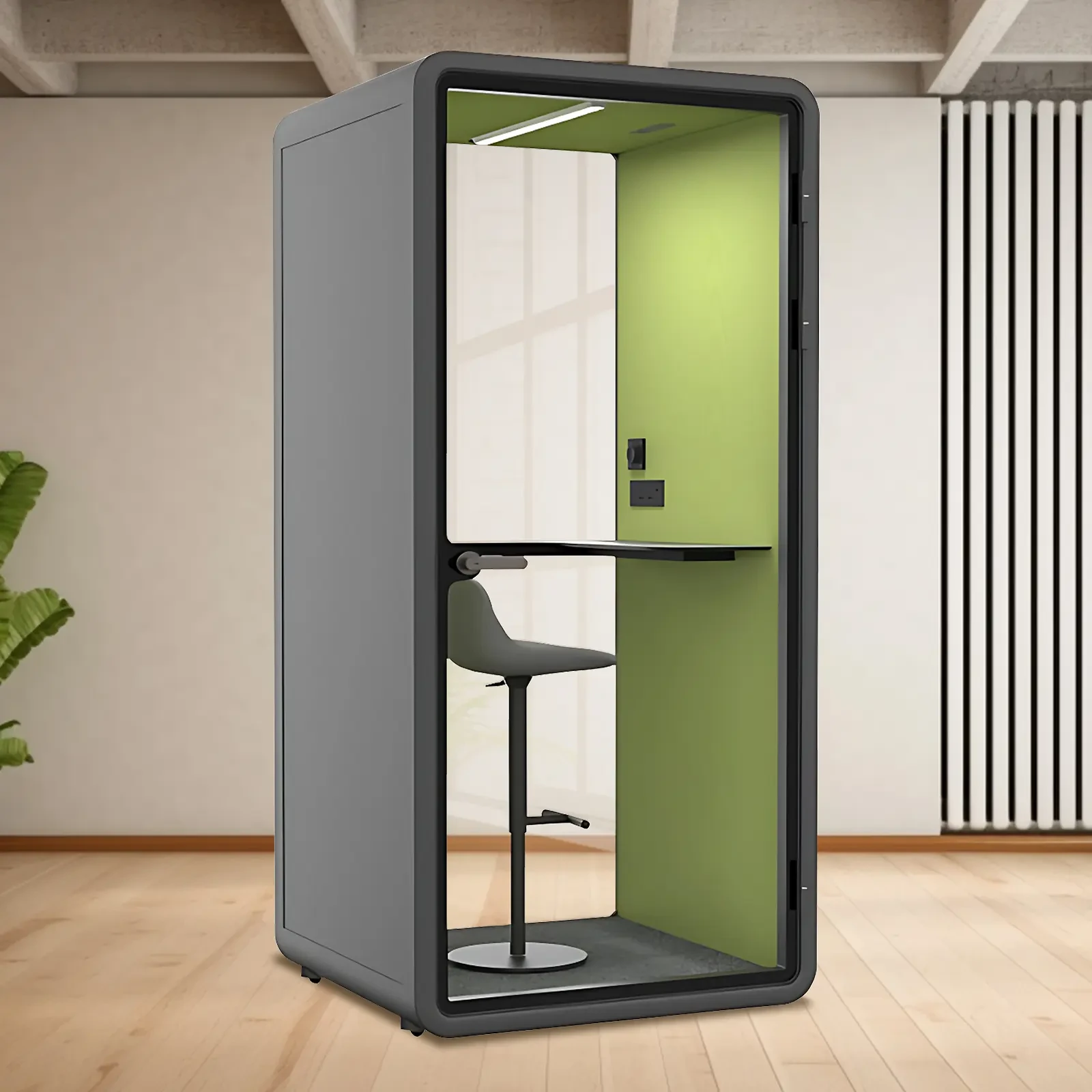
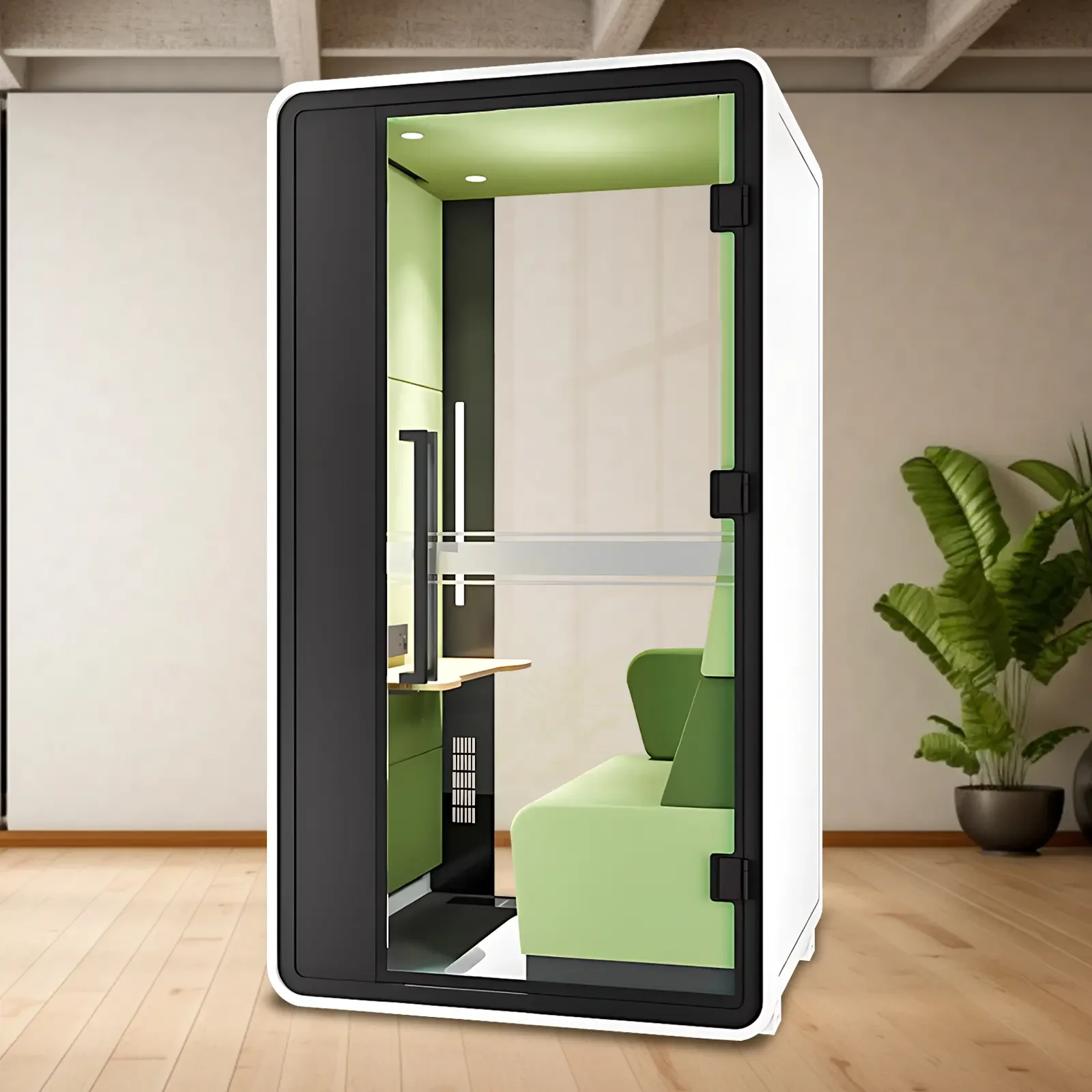
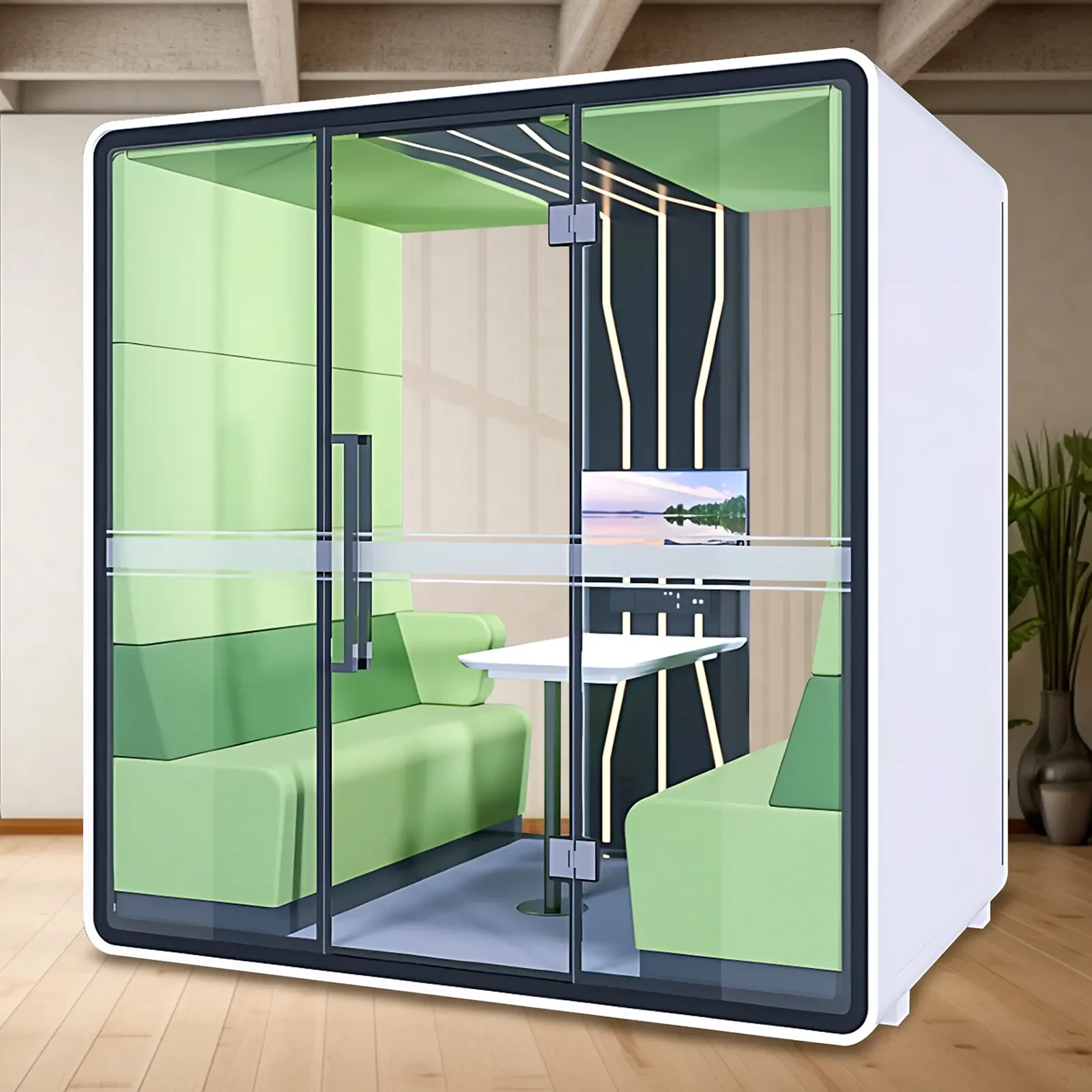
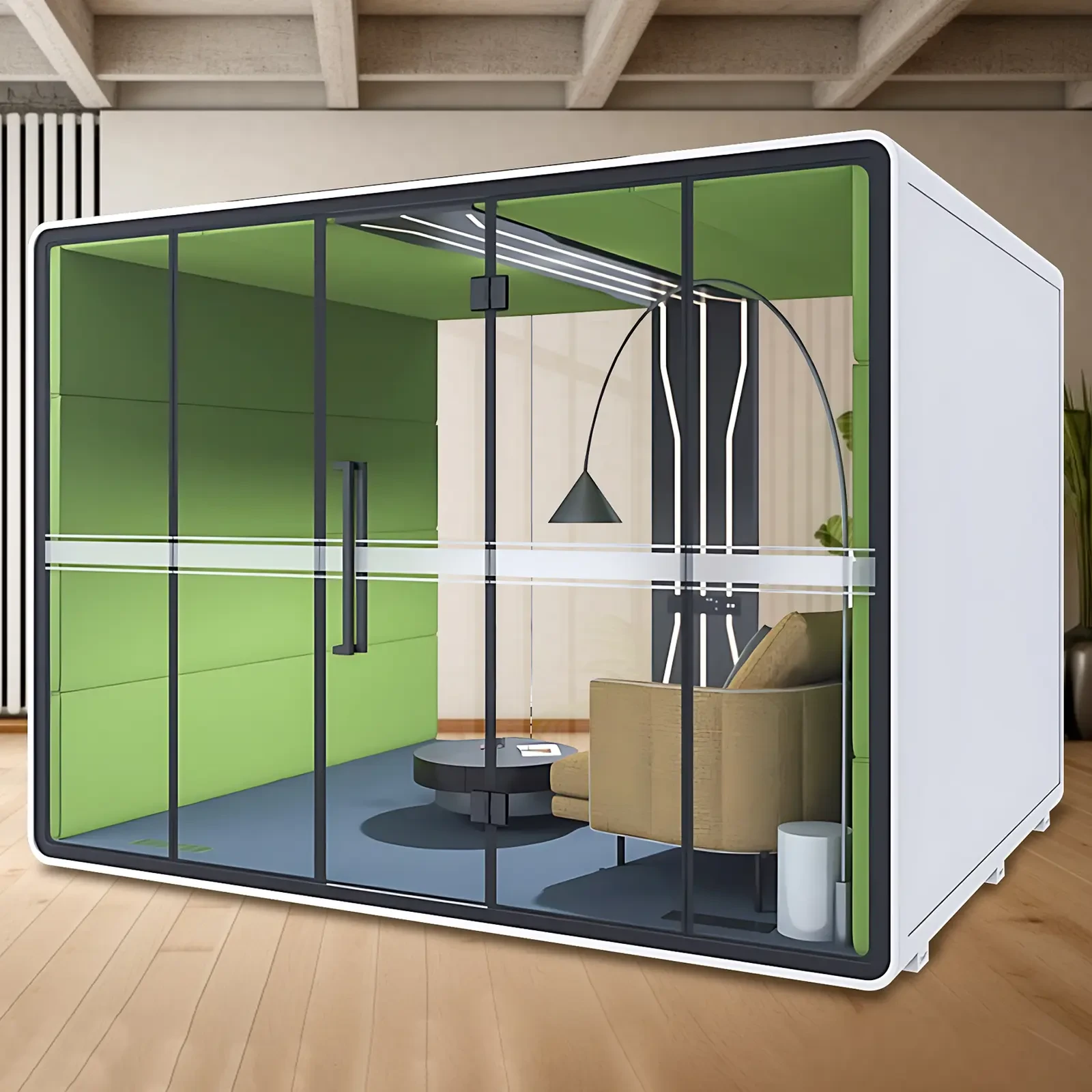
Detailed Explanation of the Perfect Acoustic Design Scheme for Multimedia Classrooms
In modern educational environments, multimedia classrooms have become an essential component of classroom teaching. With the widespread application of multimedia technology, a good acoustic environment is particularly important. To ensure better communication and interaction between students and teachers during the teaching process, a reasonable sound absorption and sound insulation design scheme is indispensable. This article will comprehensively analyze the acoustic design concepts and practical applications of multimedia classrooms, providing you with a detailed and effective acoustic design solution for multimedia classrooms.
I. The Importance of Acoustic Design
The role of acoustic design in multimedia classrooms cannot be underestimated. A good acoustic environment can not only improve the effectiveness of classroom teaching but also enhance students' learning experience. Optimized sound absorption and insulation designs can reduce noise interference, prevent echoes, improve speech clarity, and promote interaction between teachers and students. Therefore, the rationality of acoustic design is indispensable in the construction of multimedia classrooms.
II. Acoustic Characteristics of Multimedia Classrooms
1. Diversity of sound sources
In multimedia classrooms, sound sources come not only from the teacher's lectures but also from equipment such as projectors and speakers. The variety and number of these sound sources increase the complexity of acoustic design. The distribution and acoustic characteristics of these sound sources directly affect the classroom's acoustic environment; therefore, the type of sound source and the distribution of sound energy must be fully considered during the design process.
2. Impact of Environmental Noise
Multimedia classrooms are typically located on campus, where ambient noise can originate from campus noise, hallway chatter, or even the operation of facilities between floors. This external noise can disrupt teaching activities and make it difficult for students to concentrate. Therefore, environmental noise control must be fully considered when designing sound absorption and insulation solutions.
3. Classroom size and shape
The size and shape of a classroom also significantly influence the acoustic environment. The differences in sound wave propagation, sound reflection, and absorption between large and small classrooms require special attention. Rectangular, square, or irregularly shaped classrooms exhibit different acoustic characteristics; a well-designed system can ensure excellent acoustics for classrooms of all shapes.
III. Selection of Sound Absorbing Materials
1. Sound-absorbing panels
Acoustic panels are one of the most commonly used materials for improving the acoustic environment of classrooms. Choosing the right acoustic panels can significantly reduce sound echoes and reverberation, improving auditory comfort. Common acoustic panel materials include mineral wool, polyester fiberboard, and corkboard. Different materials have different sound absorption effects and aesthetics, and the choice can be made in conjunction with the overall style of the classroom during the design process.
2. Sound-absorbing ceiling
When designing a multimedia classroom, the sound absorption performance of the ceiling is also crucial. Sound-absorbing ceilings are typically made of lightweight materials, and their surface treatments optimize sound wave absorption. This design is remarkably effective in noise reduction, especially in classrooms with high ceilings, as it effectively reduces sound wave reflection.
3. Floor sound-absorbing materials
Acoustic treatment of the floor is equally important. Choosing suitable flooring materials, such as carpet, polyurethane, or rubber flooring, can effectively reduce the impact of footsteps and environmental noise on teaching activities. Especially in multimedia classrooms with movable seating, the sound absorption performance of the flooring material must be fully considered.
IV. Sound Insulation Design Scheme
1. Wall sound insulation
Walls are the primary carriers of sound waves, and the sound insulation design of walls requires strict control over the selection and thickness of wall materials. Using double-layered soundproof walls, sound-absorbing partitions, and professional sound insulation materials such as sound-absorbing cotton and gypsum board can effectively reduce external noise interference in the classroom. This design ensures a quiet teaching environment and improves students' learning efficiency.
2. Sound insulation design of doors and windows
Doors and windows are also crucial for sound insulation in classrooms. In multimedia classrooms, double-glazed windows and well-sealed doors are recommended to reduce external noise intrusion. The way doors and windows open also affects sound insulation; a balance between ease of access for students and effective soundproofing must be considered during the design phase.
3. Sound insulation of the air conditioning system
Providing effective sound insulation for air conditioning systems is also important. This can be achieved by improving ventilation duct design and wrapping air ducts with sound-absorbing materials, thus reducing noise during operation. Additionally, selecting low-noise equipment is another crucial way to improve the acoustic environment.
V. Design of Dynamic and Static Zoning
1. Separation of study and rest areas
A well-designed layout that separates active and quiet areas can further enhance the acoustic environment of a multimedia classroom. Separating study areas from rest areas can reduce external noise disturbances to students. Through layout design, the boundaries between activity areas and quiet zones can be rationally planned to maximize the effectiveness of each.
2. Equipment area and teaching area
Furthermore, the rational distribution of equipment areas (such as multimedia equipment storage areas) and teaching areas in multimedia classrooms is also an important consideration in acoustic design. Equipment areas should maintain a certain distance from teaching areas to reduce the impact of noise generated during equipment operation on teaching.
VI. Acoustic Performance Evaluation
After the acoustic design scheme is completed, it is essential to conduct an effective acoustic performance evaluation. Acoustic measuring instruments can be used to professionally assess sound wave propagation and reverberation time within the classroom, ensuring that the design scheme achieves the expected results. Regular acoustic monitoring and maintenance are also crucial for ensuring the sound quality of the teaching environment.
VII. Conclusion
The acoustic design of a multimedia classroom is a complex and systematic project, involving various factors such as sound absorption and sound insulation. A well-designed scheme not only enhances the comfort of the teaching environment but also promotes student learning efficiency. By combining the selection of sound-absorbing materials, the sound insulation design of walls and windows, and the planning of active and quiet zones, an ideal multimedia teaching space can be created. We hope the above information can provide valuable reference for your multimedia classroom construction.
You May Also Like
X-comfot, your gateway to an efficient life. We are committed to becoming your most trusted brand of soundproof pod.
E-mail: support@x-comfot.com