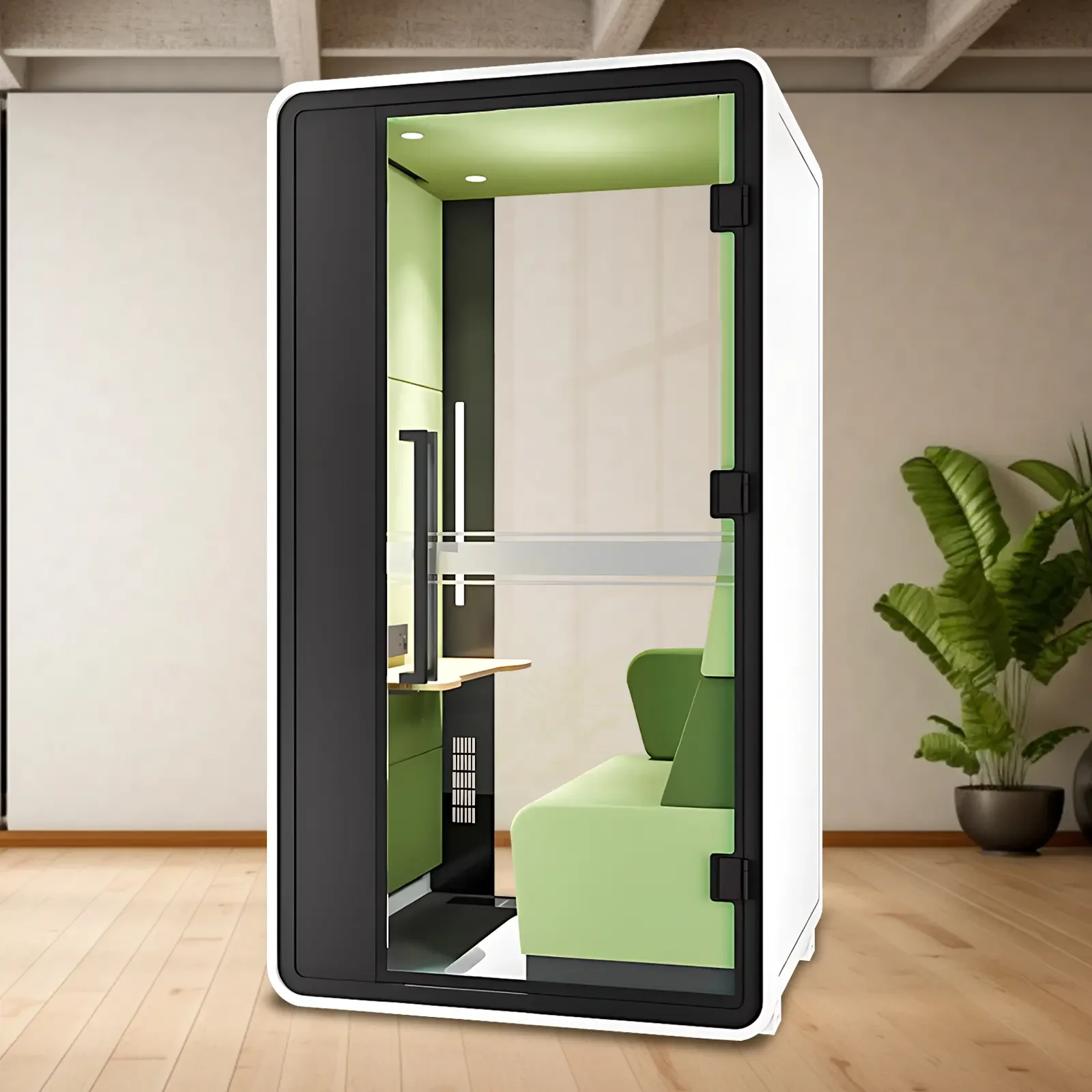
Noise pollution has become an increasingly serious problem in modern life. Whether it's the hustle and bustle of traffic in busy cities, the roar of machinery in factory workshops, or the various noises in daily life, all of these have numerous adverse effects on people's physical and mental health. Sound insulation cotton, as an effective soundproofing material, is gradually becoming a powerful tool for solving noise problems. It can significantly reduce sound transmission, creating a relatively quiet and comfortable environment for us, playing an important role in fields such as home decoration, automobile manufacturing, and industrial production. So, why does sound insulation cotton have such a good soundproofing effect?
The sound insulation principle of sound insulation cotton
The key to the excellent sound insulation effect of soundproofing cotton lies in its unique internal structure. It is typically made of porous materials such as fiberglass, polyester fiber, and rock wool, which are filled with countless tiny pores. When sound waves encounter the soundproofing cotton, they penetrate deep into the material through these tiny pores. During this process, the sound waves undergo intense friction with the fibers or air bubbles within the material, causing the sound wave energy to gradually convert into heat energy. This significantly reduces the intensity of the sound wave propagation, thus lowering the volume.
Compared to some other soundproofing materials, soundproofing cotton has a unique soundproofing method. For example, soundproofing panels mainly block the propagation of sound waves by increasing the density and weight of the material, acting like a "sound wall" that makes it difficult for sound to penetrate. Soundproofing cotton, on the other hand, focuses on absorbing and converting sound wave energy, handling sound in a more "gentle" way. Just like in a noisy room, if soundproofing panels are used, sound may be reflected back, creating echoes in the room; but if soundproofing cotton is used, the sound waves are absorbed and converted by the cotton, reducing reflections and echoes, making the sound softer and quieter.
Four factors contributing to the good sound insulation effect of sound insulation cotton
(a) Unique material composition
The material composition of sound insulation cotton plays a crucial role in its sound insulation effect. Common sound insulation cotton materials include polyester fiber, rock wool, and glass wool. Polyester fiber sound insulation cotton is environmentally friendly, non-toxic, and has good sound absorption properties. Its fiber structure is relatively dense, effectively capturing sound waves. Rock wool sound insulation cotton is known for its excellent fire resistance and good sound insulation effect. Its fibers form many tiny pores, which are conducive to sound absorption and blocking. Glass wool sound insulation cotton also has good sound absorption properties. Its internal fiber structure is loose and has high porosity, allowing sound waves to be constantly reflected and refracted within it, thus converting sound energy into heat energy and achieving the purpose of sound insulation. For example, in the decoration of some recording studios, glass wool sound insulation cotton is often used to reduce external noise interference and provide a relatively quiet environment for recording.
(ii) Reasonable density design
The density of sound insulation cotton is closely related to its sound insulation effect. Generally speaking, within a certain range, the higher the density, the better the sound insulation effect. This is because higher density means that the fibers inside the material are more compact, and sound waves need to overcome greater resistance during propagation, resulting in more energy loss and a more significant sound insulation effect. However, higher density is not always better. When the density exceeds a certain limit, the improvement in sound insulation effect gradually plateaus. Experiments have shown that when the density of polyester fiber sound insulation cotton increases from 20kg/m³ to 40kg/m³, the sound insulation can be improved by about 3-5 decibels; but when the density continues to increase from 40kg/m³ to 60kg/m³, the improvement in sound insulation is only 1-2 decibels. In practical applications, such as in the decoration of home theaters, sound insulation cotton with a density between 30-50kg/m³ is usually selected based on factors such as the size of the room and the intensity of the noise source to achieve a good balance between sound insulation effect and cost.
(iii) Selection of appropriate thickness
The thickness of the sound insulation cotton also significantly affects the sound insulation effect. Generally, the greater the thickness, the better the sound insulation effect. This is because thicker sound insulation cotton can provide more material layers, allowing sound waves to undergo multiple reflections, absorptions, and refractions, thus reducing sound propagation to a greater extent. For high-frequency noise, thicker sound insulation cotton can absorb and block it more effectively. Sound insulation test data of different thicknesses of sound insulation cotton in the same scenario shows that 2 cm thick sound insulation cotton can reduce the sound insulation of mid-to-high frequency noise by 20-30 decibels, while 5 cm thick sound insulation cotton can increase the sound insulation of the same frequency noise by 30-40 decibels. However, in actual use, factors such as space limitations need to be considered. In car soundproofing modifications, if the sound insulation cotton is too thick, it may affect the layout and use of the interior space. Therefore, it is necessary to choose an appropriate thickness of sound insulation cotton based on the specific situation of the vehicle. Generally, 1-2 cm thick sound insulation cotton is chosen for areas such as car doors and floors, while the thickness can be appropriately increased to 3-5 cm in areas with relatively large spaces such as the trunk.
(iv) Scientific installation method
A proper installation method is crucial to ensuring the sound insulation cotton achieves its intended effect. For wall installation, first clean the wall surface, ensuring it is flat, dry, and free of dust. Cut the sound insulation cotton to the appropriate shape and size, remove the outer packaging film, and firmly adhere it to the wall. Fill any gaps with aluminum foil adhesive or similar materials to prevent sound leakage. For ceiling installation, a suspended ceiling method can be used, such as constructing a frame with light steel keel, creating small grids, filling the grids with sound insulation cotton, and securing them with nails from the keel. Regarding pipe installation, when wrapping drain pipes, ensure complete wrapping, especially in areas with high noise concentration such as horizontal pipes; do not only treat specific areas. The wrapping method is also critical; do not simply fix it with tape, nor apply glue directly to the cotton. It is recommended to use cable ties to secure it tightly to prevent long-term moisture and corrosion from affecting the sound insulation effect. In locations with high sound insulation requirements, damping sheets can be added to the sound insulation cotton to further enhance the sound insulation effect. For example, in the renovation of some high-end hotels, the soundproofing of pipes and walls is not only carried out in strict accordance with the above-mentioned installation methods, but also damping pads are added to key parts to effectively reduce the transmission of noise between rooms and provide guests with a quiet and comfortable accommodation environment.
Applications of sound insulation cotton in multiple scenarios
Sound insulation cotton has a wide range of applications. In home decoration, it is often used on the walls, ceilings, and floors of bedrooms, living rooms, and other rooms to effectively reduce noise interference with neighbors. For example, installing sound insulation cotton behind the headboard wall in the bedroom or the TV background wall in the living room can ensure that rest and entertainment do not disturb each other. For families with children, laying sound insulation cotton on the floor of the children's room can reduce the impact of noise generated by children playing on the downstairs neighbors; using sound insulation cotton in the study or home theater can create a quiet environment and improve the user experience.
In commercial settings such as hotels, offices, and conference rooms, sound insulation cotton is widely used on walls, floors, and ceilings to enhance sound insulation between rooms, protect the privacy of guests or employees, and improve the quality of work and rest. In entertainment venues such as cinemas and karaoke bars, sound insulation cotton is indispensable. It effectively blocks the transmission of sound, preventing noise from affecting the surrounding environment, while also improving the acoustics of the space, allowing audiences and consumers to enjoy a better audiovisual experience.
In industrial environments, sound insulation materials are typically installed in factory workshops, machine rooms, and power distribution rooms to reduce noise generated by machinery, minimize hearing damage to workers, and improve the comfort and safety of the working environment. For example, in noisy factories such as textile mills and machinery plants, sound insulation materials can be installed around equipment or on workshop walls to effectively reduce noise levels.
In the transportation sector, sound insulation cotton is widely used in vehicles such as cars, trains, and airplanes. In automobile manufacturing, it's used in doors, floors, trunks, and hoods to reduce road noise, wind noise, and engine noise during driving, improving the quietness and comfort of the vehicle interior. Some high-end car brands also use special sound insulation materials in areas such as the headliner and firewall to further enhance sound insulation. In railway transportation, sound insulation cotton can be applied to the walls and floors of train carriages to reduce noise during train operation, providing passengers with a quieter travel environment. For airplanes, sound insulation cotton is used for interior decoration and soundproofing, reducing the impact of engine noise and airflow noise on passengers.
Tips for choosing sound insulation cotton
When choosing sound insulation cotton, there are several aspects to pay special attention to. First is its sound insulation performance. Check the product's sound absorption coefficient or consult a professional to understand its absorption effect on different frequencies of sound, ensuring it meets your actual needs. For example, in a noisy residence near a busy road, you should choose sound insulation cotton that absorbs low-to-mid-frequency noise well.
Environmental friendliness is also crucial. High-quality sound insulation cotton should be non-toxic, harmless, and free of harmful substances, and should not pollute the environment during production and use. You can check the product's environmental certification marks, such as relevant national standards, to ensure safety and harmlessness, which is especially important for home renovations.
Ease of installation is also crucial. Choosing sound insulation cotton that is easy to install and convenient to apply can save time and costs, and improve construction efficiency. For example, some sound insulation cottons with self-adhesive backing are even more convenient and quick to use when wrapping pipes.
The applicable scope should also be considered, and appropriate materials should be selected according to different usage environments. In humid environments such as bathrooms and kitchens, moisture-proof and mildew-proof sound insulation materials should be selected; in places with high fire resistance requirements, such as commercial buildings and industrial plants, sound insulation materials with fire-resistant ratings should be selected.
Summarize
Sound insulation cotton, as an excellent soundproofing material, benefits from its unique material composition, reasonable density design, appropriate thickness selection, and scientific installation method. Its widespread application in numerous fields fully demonstrates its significant value in solving noise problems. When selecting sound insulation cotton, we should comprehensively consider factors such as sound insulation performance, environmental friendliness, ease of installation, and applicability to ensure that we choose the right product. By using sound insulation cotton appropriately, we can effectively reduce noise interference, create a quieter and more comfortable living and working environment, and significantly improve our quality of life.

 USD
USD  GBP
GBP
 EUR
EUR