
 USD
USD  GBP
GBP
 EUR
EUR



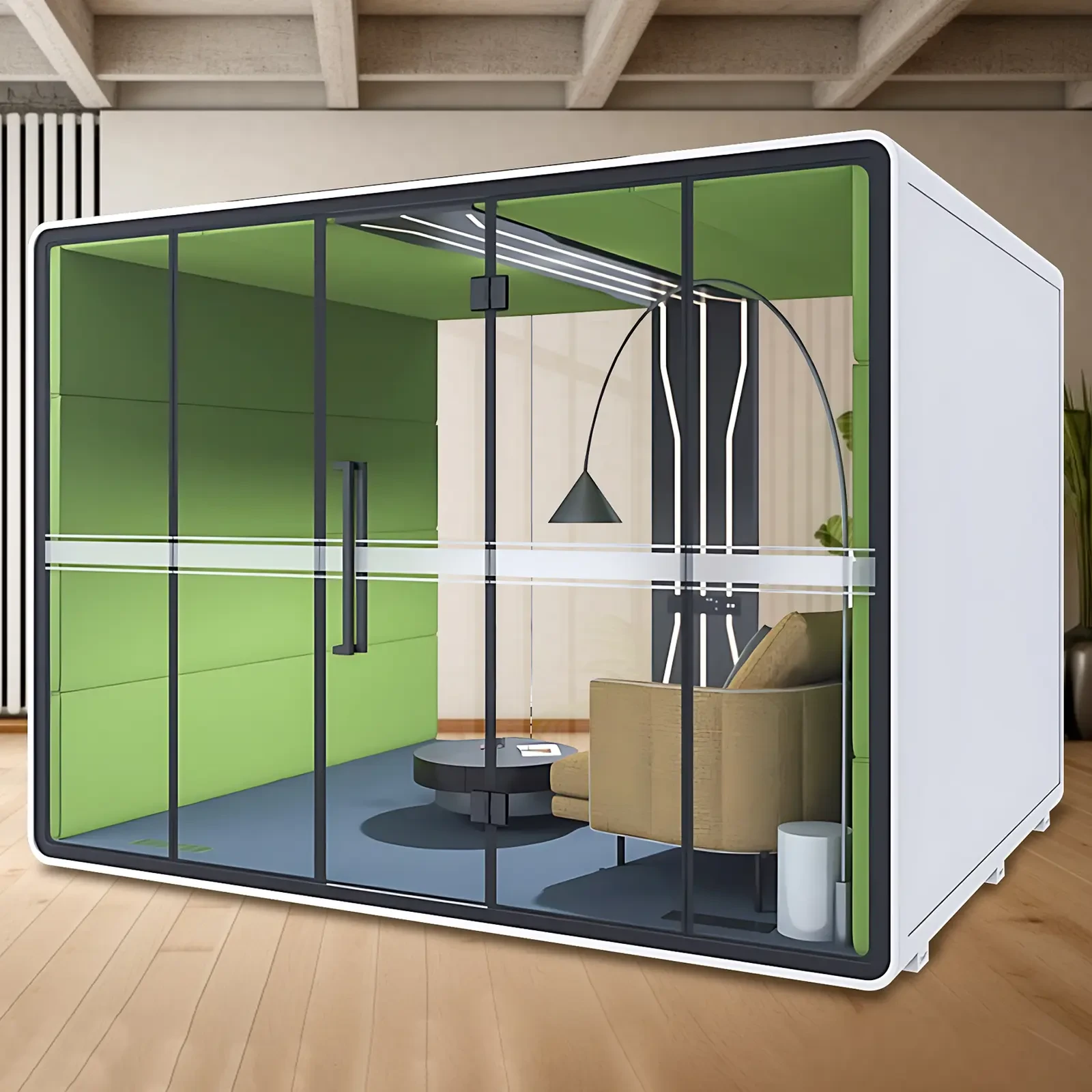
How to improve bedroom soundproofing and alleviate sleep disorders?
In today's fast-paced life, good sleep is especially important. Sleep disorders not only affect our mental state but can also have serious health consequences. However, many people find it difficult to fall asleep in their bedrooms due to various noise problems. In this article, we will explore sleep disorders caused by insufficient bedroom soundproofing and effective ways to improve sleep quality and say goodbye to insomnia.
I. The impact of sleep disorders
Sleep disorders typically manifest in various forms, including difficulty falling asleep, frequent awakenings, and early awakenings. These problems largely stem from external environmental influences, particularly noise. Research indicates that prolonged exposure to noisy environments not only affects sleep but can also lead to psychological issues such as anxiety and depression. Furthermore, insomnia can trigger a range of health risks, including high blood pressure and heart disease. Therefore, creating a quiet and comfortable bedroom environment is of paramount importance.
II. Analysis of Noise Sources in the Bedroom
1. External noise: This includes traffic noise, human voices, and machinery noise from construction sites. These sounds are often the most difficult to avoid, especially for people living in city centers or areas with heavy traffic.
2. Internal noise: For example, the sound of household appliances (air conditioner, refrigerator), neighbors' voices, etc. If someone in the house is doing things late at night, or the resulting conversations, it will also affect the sleep of other people.
3. Other disturbances: such as cell phone notifications, alarm clocks, pet barking, etc. These seemingly minor sounds can also disturb our sleep if they occur in the quiet of the night.
III. Effective Methods to Improve Bedroom Sound Insulation
To address the noise problem in the bedroom, we can make improvements in the following ways:
1. Choose a suitable window
Windows are the primary channel for noise exchange between the bedroom and the outside world. Soundproof windows are an excellent choice, effectively blocking out external sound. For older homes, consider installing soundproof curtains on the outside of the windows or using specialized soundproofing film to improve their sound insulation.
2. Wall sound insulation
If the bedroom walls are thin, the sound insulation will be poor, affecting sleep. You can apply soundproofing materials to the walls, use sealed soundproofing panels, or hang heavy tapestries or wallpaper on the walls; these methods can effectively absorb sound and reduce noise transmission.
3. Improve the sound insulation of the floor.
The floor is another significant source of noise transmission. Hard floors (such as wood floors) are prone to echoing and resonating. Laying down a thick carpet can reduce sound transmission and also increase the comfort of the room.
4. Use earplugs or a white noise machine.
If the above measures still cannot completely solve the problem, you can consider using earplugs or a white noise machine. Earplugs can effectively block out external noise, while a white noise machine can produce a uniform background sound to mask abrupt noises and make it easier to fall asleep.
5. Create a quiet bedroom atmosphere
To improve your sleep environment, create a relaxing atmosphere in your bedroom. For example, choose soft lighting and use aromatherapy to help release stress and thus increase the speed at which you fall asleep. A quiet environment also helps you relax more quickly and enter a deep sleep.
IV. Selection of Bedding
Besides improving the bedroom environment itself, choosing the right bedding is also crucial for enhancing sleep quality. Selecting high-quality mattresses, pillows, and sheets can further improve sleep comfort and reduce the frequency of awakenings caused by physical discomfort.
1. Choosing a mattress
An ideal mattress should not only ensure comfort but also provide good support. A high-quality mattress can reduce pressure on the bed, improve sleep depth, and reduce awakenings caused by noise.
2. Pillow height and material
The height and material of the pillow are also crucial. A suitable pillow can effectively support the head and neck, reduce discomfort and tension, and make it easier to fall into a deep sleep.
3. The material of the bed sheet
Choosing breathable, soft, and comfortable bed sheet materials can improve sleep comfort and help regulate body temperature, preventing wakefulness caused by overheating.
5. Develop good sleep habits
While improving bedroom soundproofing and the sleep environment is important, developing good sleep habits is equally crucial. Here are some suggestions:
1. Fixed work and rest schedule
Going to bed and waking up at the same time every day can help the body establish a biological clock and improve sleep quality.
2. Avoid spicy or irritating foods.
Avoid consuming caffeine, alcohol, or other stimulating foods and drinks close to bedtime to prevent affecting your sleep.
3. Limit screen time
Try to avoid using electronic devices such as mobile phones and computers within an hour before bedtime, as blue light can affect the production of melatonin and thus interfere with falling asleep.
4. Relax your mind and body
Engaging in relaxing activities before bed, such as reading, meditation, or deep breathing, can help reduce stress and promote sleep.
Conclusion
By improving bedroom soundproofing, choosing suitable bedding, and developing good sleep habits, we can effectively improve sleep quality and overcome sleep disorders. Whether facing a busy work schedule or a stressful life, we should create a quiet resting environment for ourselves, allowing our minds and bodies to fully relax and rejuvenate. We hope everyone can have a quiet and comfortable sleeping space and enjoy a high-quality sleep life.
X-comfot, your gateway to an efficient life. We are committed to becoming your most trusted brand of soundproof pod.
E-mail: support@x-comfot.com