
 USD
USD  GBP
GBP
 EUR
EUR
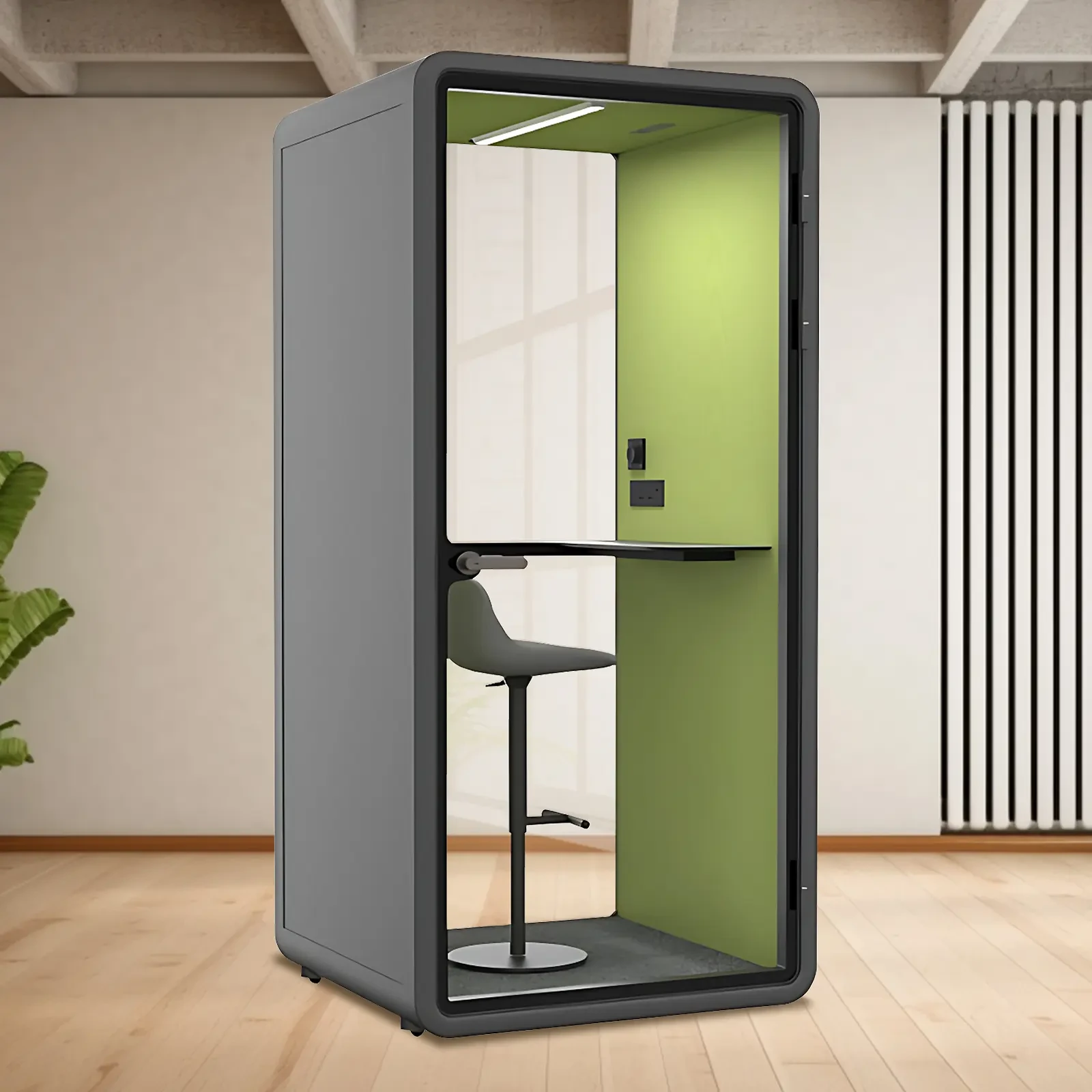
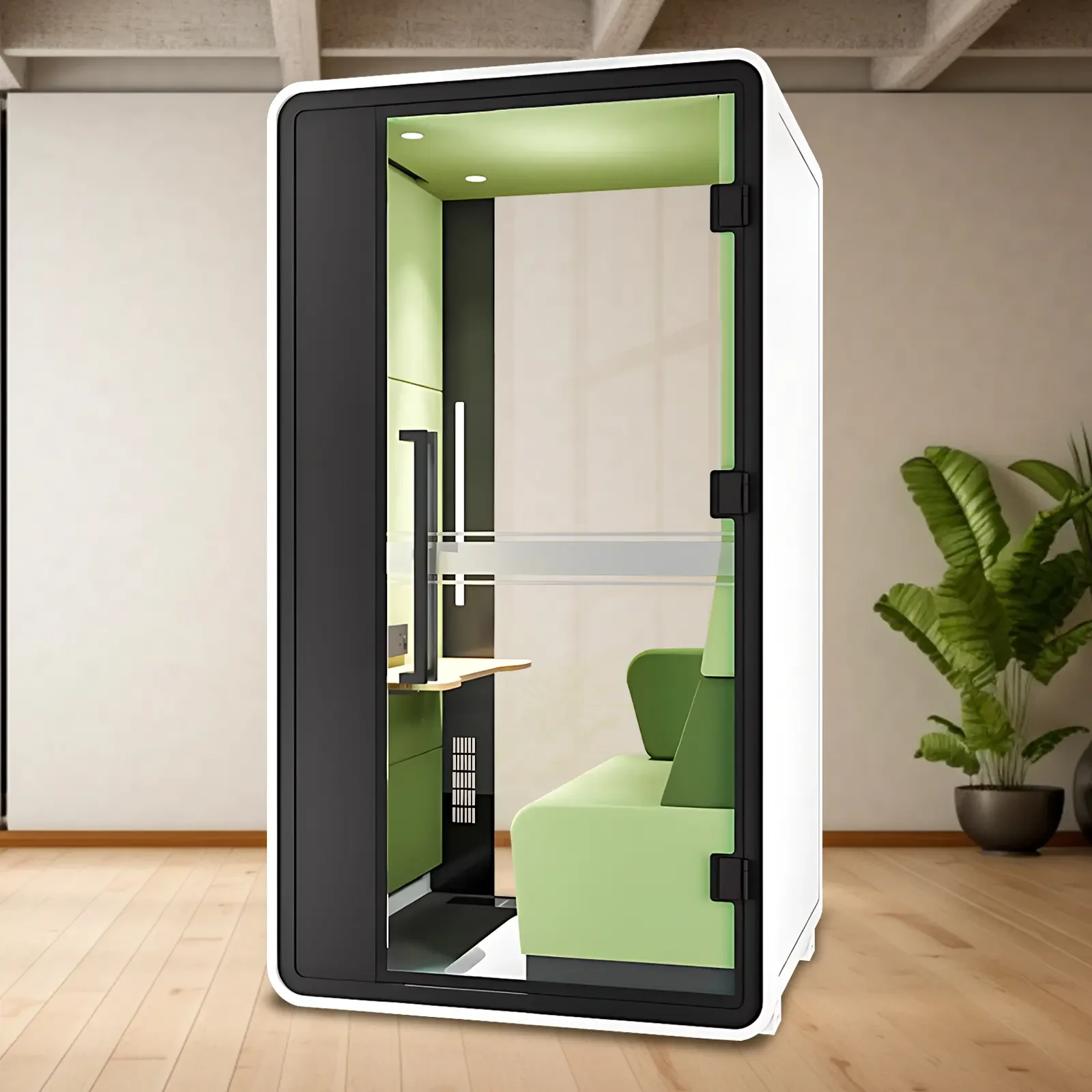
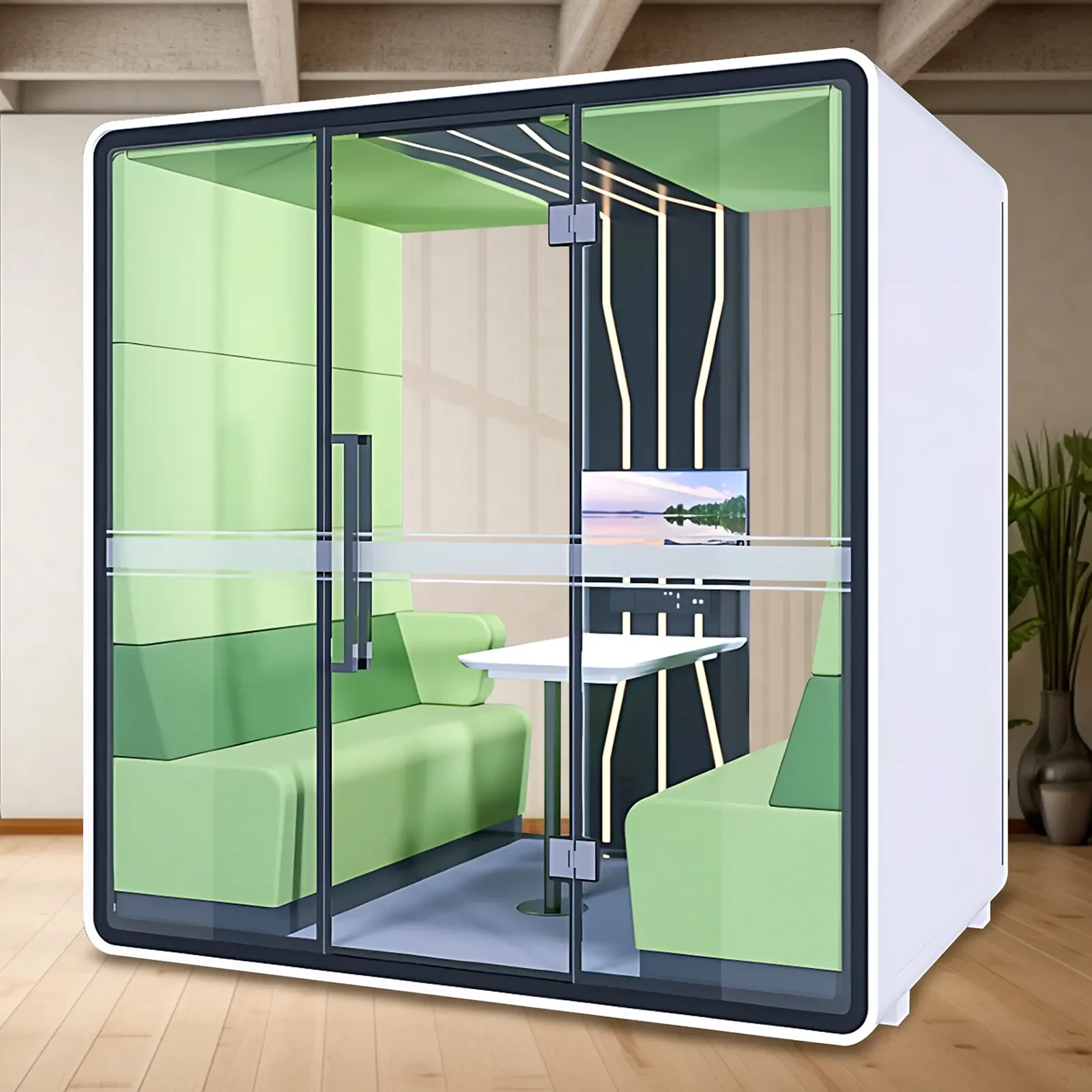
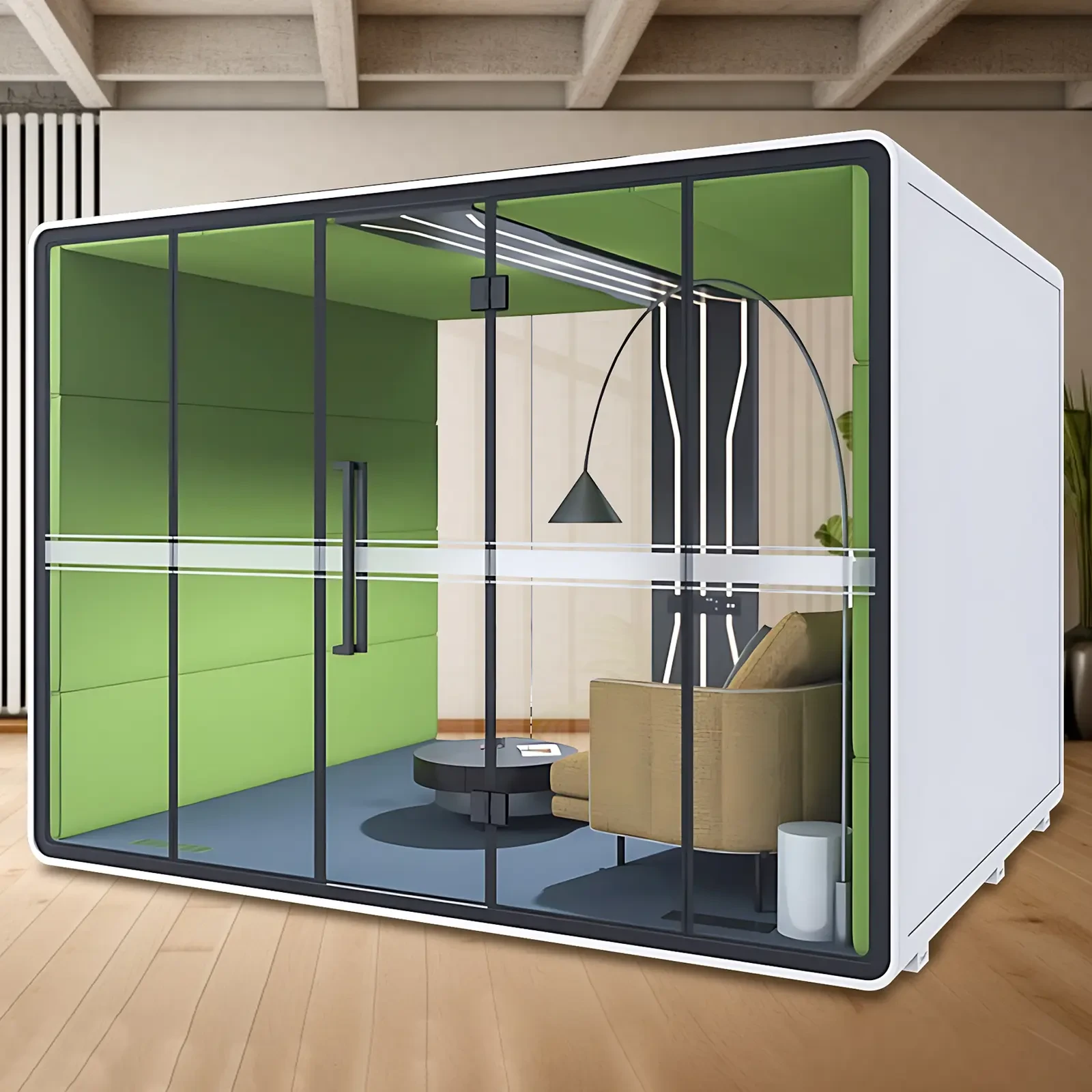
How to effectively solve the noise problem in rental properties?
In the hustle and bustle of city life, many people choose rented accommodation as their first choice for living. However, the resulting noise problems often become a nuisance. Whether it's car horns on the street, neighbors' entertainment, or the noise from air conditioners and heaters, these are all potential threats to people's quality of life. Therefore, how to effectively soundproof and create a quiet and comfortable living environment has become a hot topic of concern for renters. This article will discuss in detail the causes of noise and countermeasures to help you improve your home comfort.
I. Sources of Noise
Before understanding how to solve noise problems, we first need to identify the source of the noise. Generally, noise can be categorized as follows:
1. External noise: such as traffic noise, construction noise, commercial activities, etc. This type of noise seeps directly into the room through windows or walls, causing disturbance to daily life.
2. Neighborhood noise: This includes the sound of upstairs neighbors walking around, the roar of home stereos, etc. This is mainly seen in houses with poor sound insulation.
3. Electrical noise: such as the operating noise of appliances like refrigerators and air conditioners, which is difficult to avoid in daily life.
II. Analysis of the impact of noise
Prolonged noise pollution can have many negative effects on a person's physical and mental health, specifically manifested in the following ways:
- Decreased sleep quality: Noise can make it difficult to fall asleep or cause frequent awakenings, leading to insufficient sleep and affecting daily energy levels.
- Emotional problems: Prolonged noisy environments can trigger negative emotions such as anxiety and irritability, and even affect daily interpersonal relationships.
- Physical health: Studies have shown that continuous noise can cause physiological reactions such as increased blood pressure and heart rate, and long-term accumulation may lead to health problems such as cardiovascular disease.
III. Effective Sound Insulation Measures
To address noise issues in rental properties, the following effective soundproofing measures can be taken:
1. Window soundproofing
Windows are a major pathway for noise transmission, so taking measures to soundproof them is very important.
- Install double-glazed windows: Compared with single-glazed windows, double-glazed windows have better sound insulation and can effectively block external noise.
- Use soundproof curtains: Thick curtains can absorb external noise to a certain extent, especially low-frequency noise.
- Add sealing strips to window gaps: Gaps between windows and walls are also a major source of noise leakage, and adding sealing strips can effectively reduce noise transmission.
2. Wall sound insulation
Walls are common noise transmission channels in homes, and can be addressed in the following ways:
- Sound-absorbing wall materials: Using sound-absorbing materials such as sound insulation boards and sound-absorbing sponges to treat the walls can effectively absorb noise and reduce echoes.
- Add a sound insulation layer: Adding a layer of gypsum board or other sound insulation material to the wall can significantly enhance the sound insulation effect of the wall.
- Bookshelves or tall furniture: Placing bookshelves or tall furniture against the noise source can not only effectively block noise, but also enhance the aesthetics of the space.
3. Ground sound insulation
Especially in multi-story residential environments, the footsteps of upstairs neighbors can be very annoying.
- Lay down soft carpets: Soft carpets can effectively cushion footsteps and absorb some low-frequency noise.
- Use sound insulation pads: Laying sound insulation pads under the floor can significantly improve sound insulation, especially on wooden floors.
- Choose heavy flooring materials: When choosing flooring materials, opt for heavy materials such as ceramic tiles or engineered wood flooring. Relatively lighter materials can insulate against unique noise transmission.
4. Indoor air circulation and electrical noise control
Sometimes, the noise from various indoor electrical appliances can also have a negative impact on our lives:
- Choose low-noise devices: When purchasing home appliances, try to choose products labeled "low noise" or "silent mode".
- Regularly maintain home appliances: Aging or damage to the machine itself may cause increased noise, so timely repair or replacement is also an important part.
- Use soundproof enclosures: For noisy appliances, consider using soundproof enclosures or placing them in a soundproof room.
5. Adjust the layout
In some cases, simple layout adjustments can have unexpected effects:
- Adjust the bedroom location: If possible, you can choose to adjust the bedroom layout to a quieter area, away from noise sources.
- Use partitions: Physically separating noise sources and living spaces by using screens or room dividers can help reduce disturbances.
IV. Summary
Noise pollution isn't a problem to be overcome in rental housing. Effective soundproofing of windows, walls, floors, and appliances can address the root causes of noise pollution. While each measure may seem simple, they can significantly improve the overall quality of life. Combining these soundproofing techniques cleverly can create a quiet and comfortable living space in your rental apartment.
Whether due to work stress or lifestyle habits, a quiet environment is crucial for our mental and physical health. Hopefully, this article will provide practical help in creating your ideal living environment.
X-comfot, your gateway to an efficient life. We are committed to becoming your most trusted brand of soundproof pod.
E-mail: support@x-comfot.com