
 USD
USD  GBP
GBP
 EUR
EUR

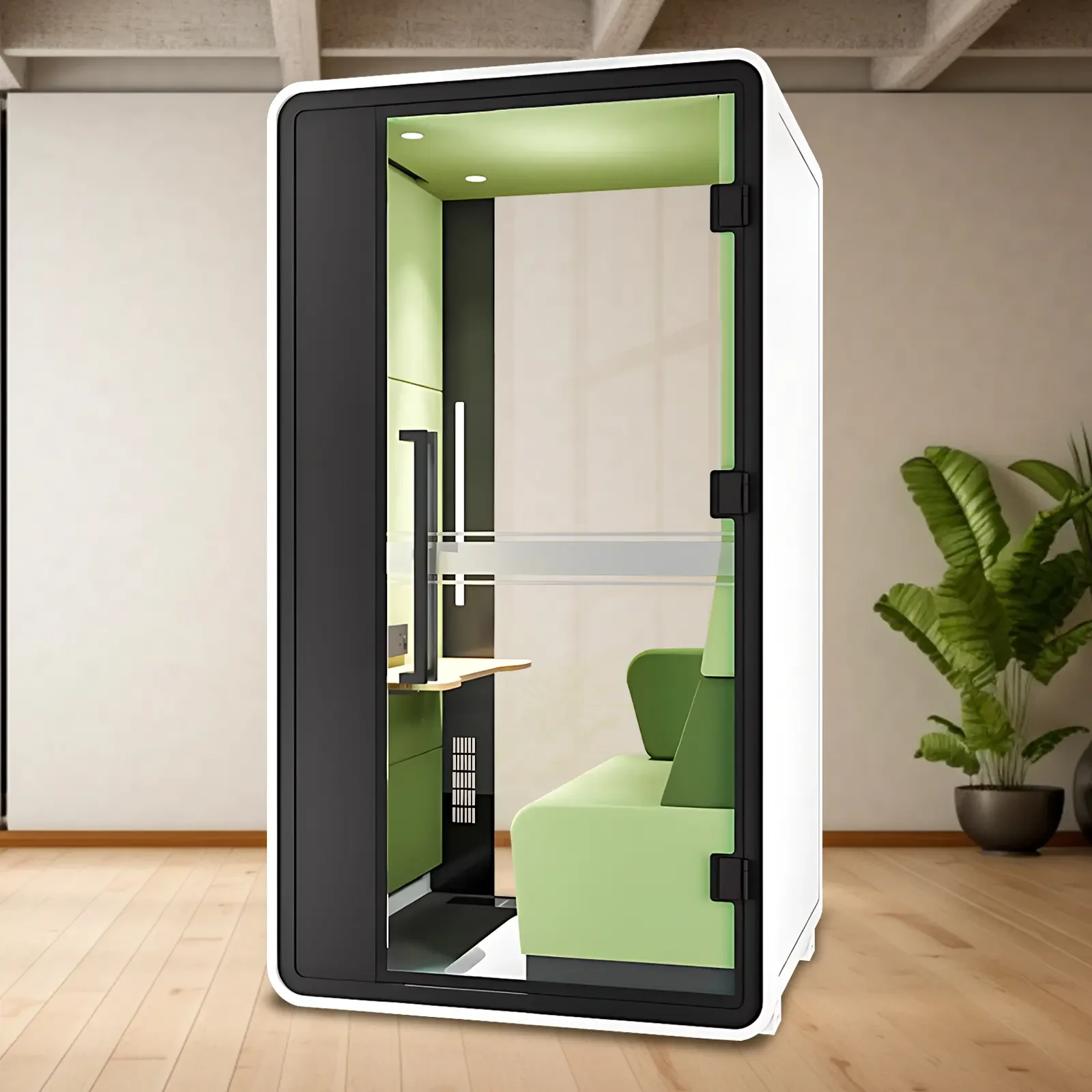


How to effectively reduce noise in rental properties?
Noise is ubiquitous in city life. Whether it's the clamor of traffic, the roar of construction, or the daily lives of neighbors, all this noise can affect our quality of life. For many renters, living in apartments near roads often means facing noise pollution. This article will explore the effectiveness of applying soundproofing material to windows to help reduce the impact of noise on your life and provide some practical soundproofing tips.
1. Sources and impacts of noise in rental properties
Noise can be simply defined as sound that disrupts quiet and harmony. In urban life, common sources of noise include traffic noise (such as cars, motorcycles, and pedestrians), commercial activity noise (such as shops, restaurants, and entertainment venues), and neighborhood activity noise (such as parties and television sounds). Prolonged exposure to these noisy environments can negatively impact our physical and mental health. Studies have shown that persistent noise can lead to health problems such as anxiety, insomnia, and high blood pressure. Therefore, finding effective soundproofing measures is particularly important.
2. Noise protection capability of windows
Windows are one of the weakest points of sound insulation in a house. Traditional single-pane windows have limited ability to block outside noise, and may even allow noise to easily enter the room. While double-pane windows offer better sound insulation than single-pane windows, they may still not completely block noise from extremely loud sources (such as rental apartments next to a street). Therefore, improving the sound insulation performance of windows is key to reducing indoor noise.
3. The function and principle of sound insulation cotton
Sound insulation cotton is a material specifically designed for sound absorption and insulation. Due to its porous structure and excellent sound absorption properties, it is widely used in various architectural and home audio environments. The main functions of sound insulation cotton are as follows:
- Sound absorption: Sound insulation cotton can effectively absorb fluctuating sound waves and reduce sound wave reflection, thereby reducing the transmission of noise.
- Reduce resonance: When sound is transmitted through walls or windows, sound insulation cotton can reduce resonance and reduce sound interference.
- Easy installation: Sound insulation cotton is relatively lightweight and can be easily installed by attaching, hanging or other methods, making it especially suitable for tenants.
4. The effect of applying sound insulation cotton to windows
Attaching soundproofing material to windows can improve the overall sound insulation of a house to some extent. The specific effects are analyzed below:
- Blocking external noise: Applying sound insulation cotton to windows can effectively block noise from the outside, especially for renters living near busy streets, significantly improving the quietness of the room.
- Improve living comfort: Reduced noise not only makes people feel more comfortable, but also reduces the psychological stress caused by noise, thereby improving the quality of life.
- High flexibility: This approach is especially suitable for rented houses, where tenants do not need to carry out large-scale renovations. They can enjoy the benefits of sound insulation simply by fitting the surfaces together.
However, while soundproofing materials offer numerous benefits, their effectiveness depends on several factors. These include the thickness and density of the soundproofing material, the material of the windows, and the surrounding environment. Furthermore, if the windows are poorly sealed, noise can still seep in through gaps, so it's best to consider window sealing when using soundproofing materials.
5. Choose suitable sound insulation cotton
There are many types of sound insulation cotton on the market, available in various materials and specifications. When choosing sound insulation cotton, consider the following factors:
- Material: Common sound insulation materials include polyester fiber, rubber and plastic materials and mineral wool. Polyester fiber is relatively new, has good sound absorption effect, and is also relatively lightweight and easy to install.
- Thickness and density: The thicker and denser the sound insulation cotton, the better its sound insulation effect. However, the aesthetics of the window also need to be considered, so choosing a material with the appropriate thickness is key.
- Fire resistance: Choosing sound insulation cotton with good fire resistance is also very important. This ensures a safe living environment and prevents accidents.
6. Installation Techniques and Methods
When installing sound insulation cotton, you can refer to the following steps:
- Preparation: Determine the installation location of the sound insulation cotton, ensure the windows are clean and dust-free, and use cleaning agents if necessary.
- Dimension Measurement: Measure the dimensions according to the actual size of the window to ensure that the purchased sound insulation cotton can fit the window perfectly.
- Cutting the material: Cut the sound insulation cotton according to the measured dimensions, ensuring that the edges are neat.
- Apply: Use a suitable adhesive or tape to attach the sound insulation cotton to the window, ensuring it is secure.
7. Other sound insulation measures
Besides applying soundproofing material to windows, there are many other ways to help reduce indoor noise, such as:
- Add curtains: Choosing heavy curtains can improve sound insulation from another perspective.
- Improve interior layout: Arranging furniture (such as bookshelves or sofas) properly can act as a natural sound barrier.
- Use a white noise machine: Using a white noise machine indoors can help mask outside noise and improve sleep quality.
Summarize
In general, applying soundproofing material to the windows of a rental apartment is an effective and economical method of noise control. While it cannot completely eliminate outside noise, it can significantly improve the living environment and enhance the quality of life. Whether you are a student, a civil servant, or anyone who needs to live in a noisy city, taking this measure is highly recommended. Hopefully, the information above will help you find a suitable solution and enjoy a quieter living space.
X-comfot, your gateway to an efficient life. We are committed to becoming your most trusted brand of soundproof pod.
E-mail: support@x-comfot.com