
 USD
USD  GBP
GBP
 EUR
EUR
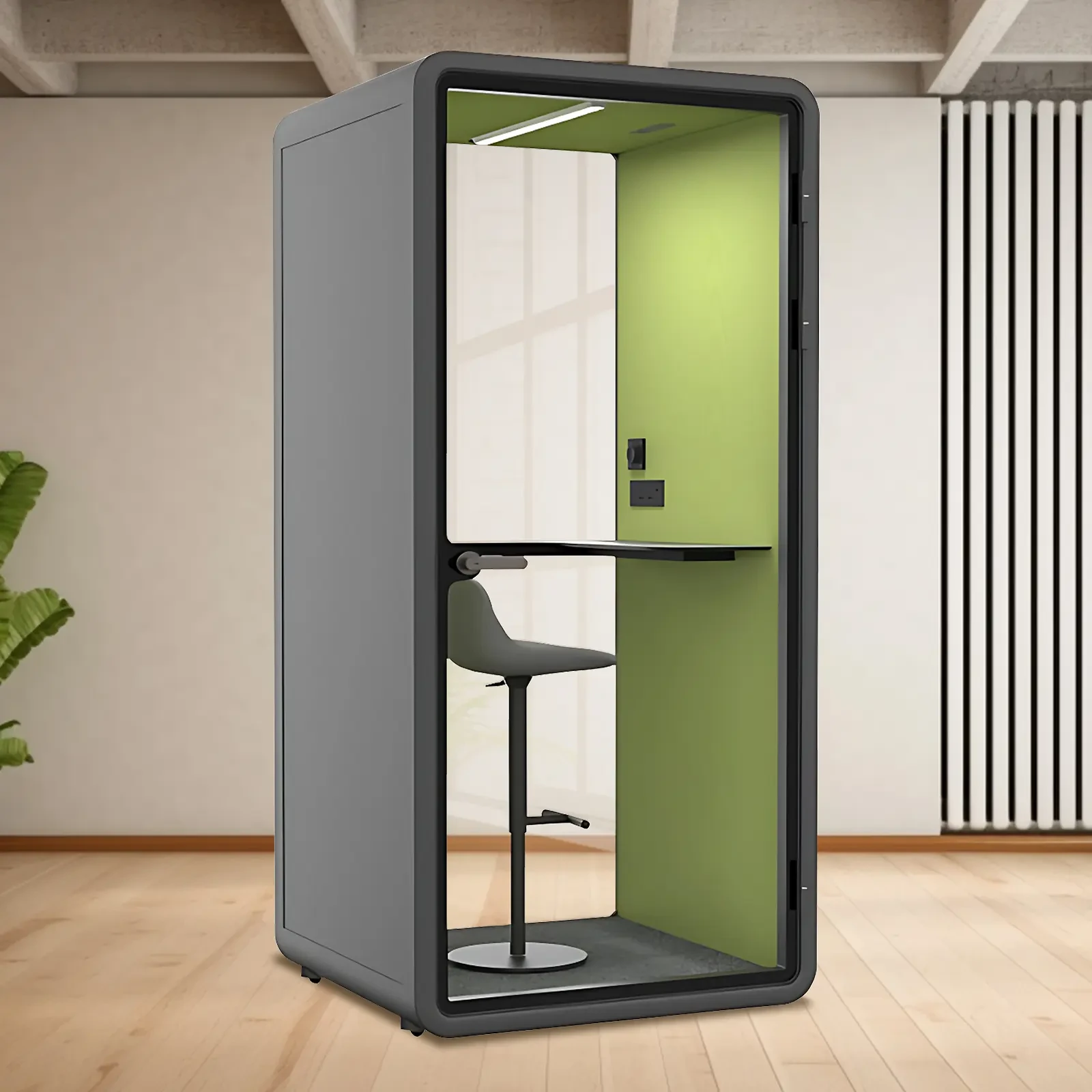
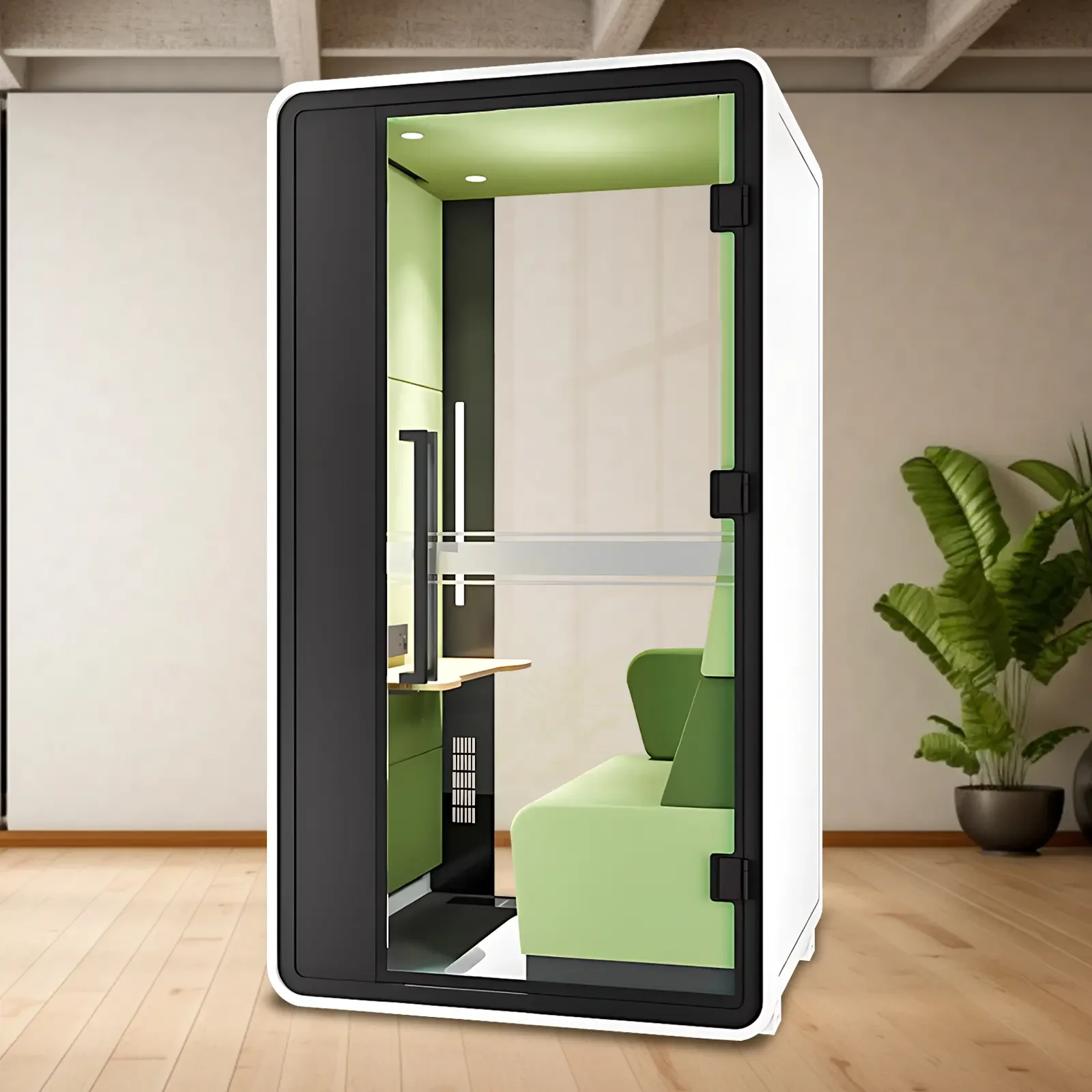
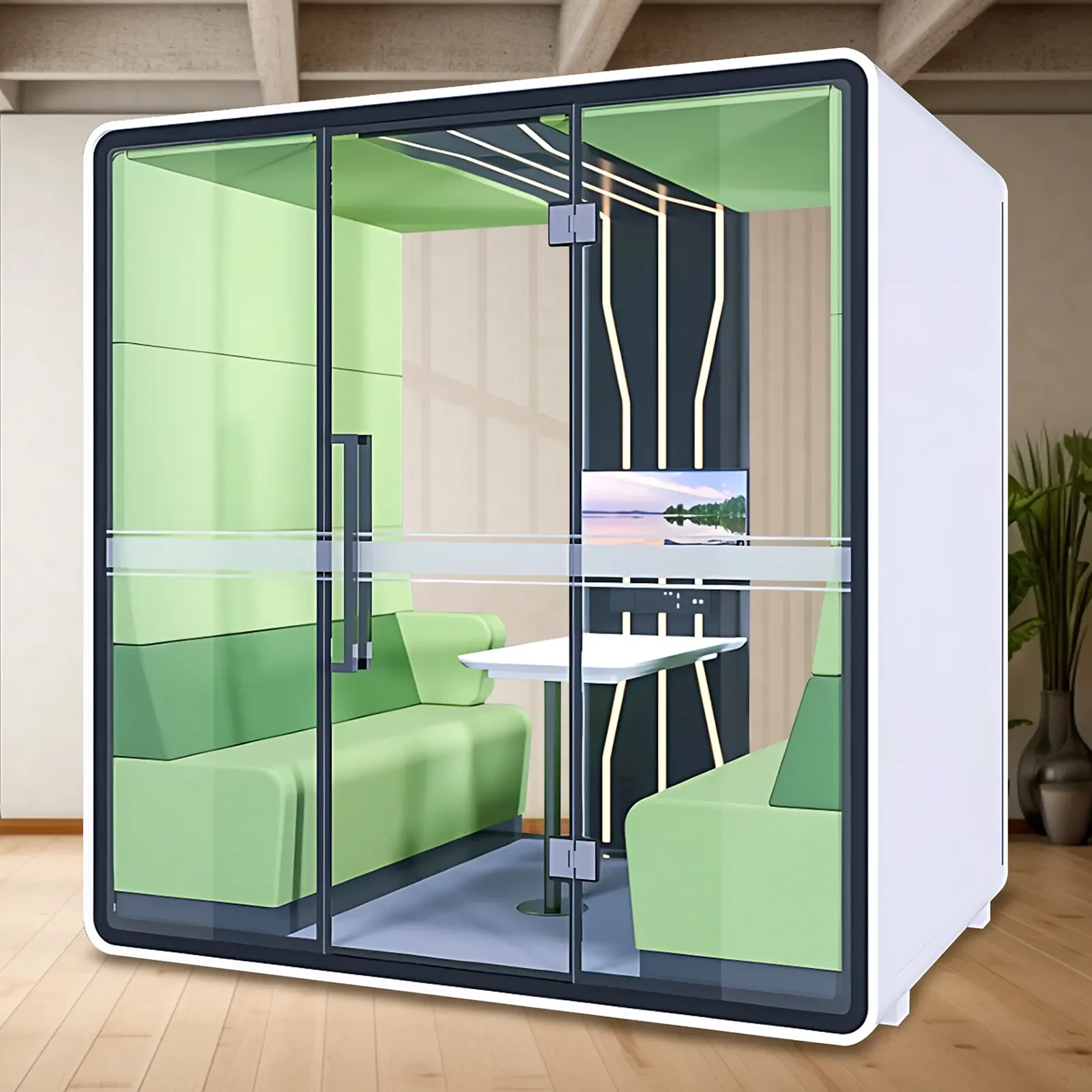
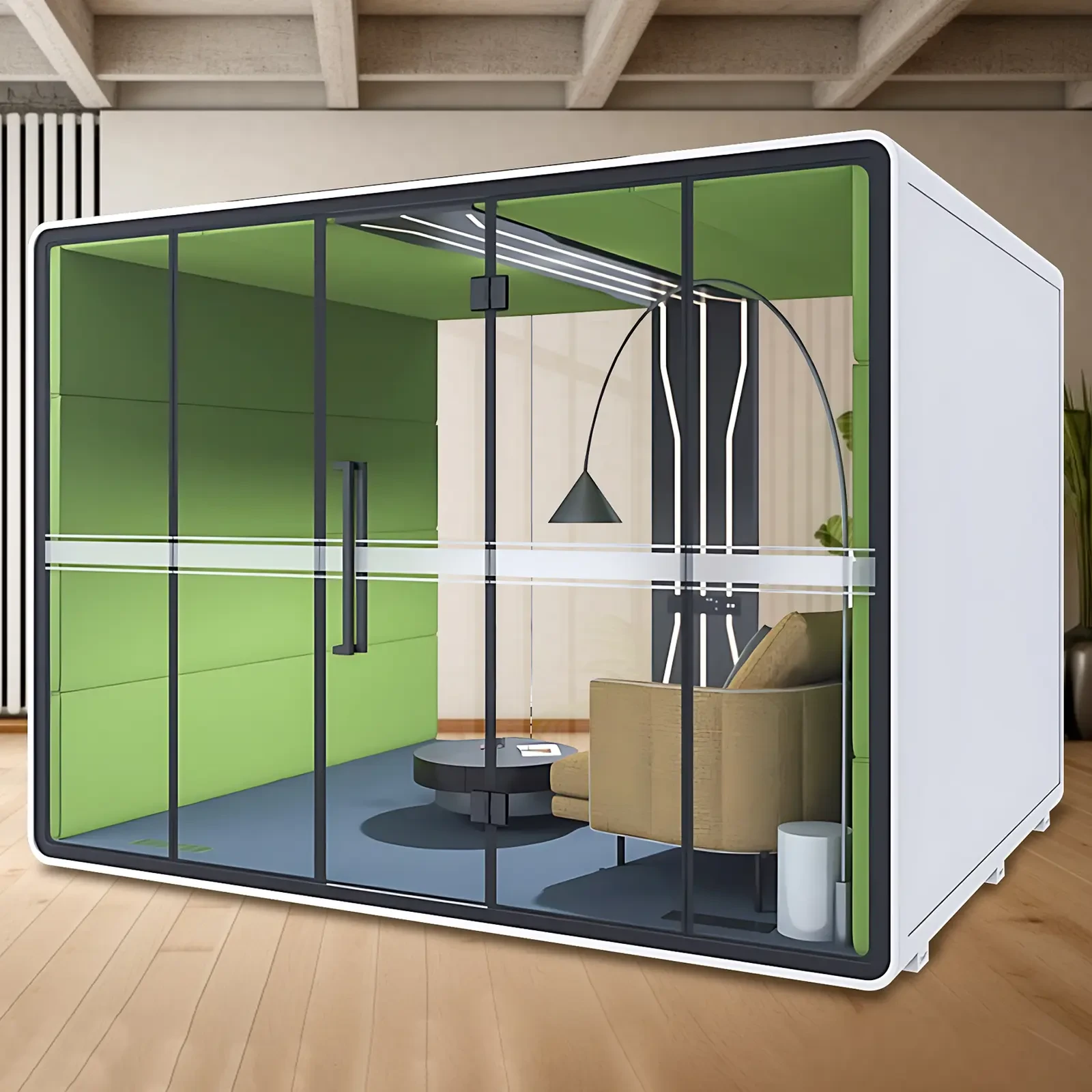
Exploring the diverse application scenarios of sound-absorbing and sound-insulating cotton
Exploring the application areas of sound-absorbing and sound-insulating cotton: achieving a quiet and comfortable indoor environment.
In previous articles, we've already learned about the differences between sound-absorbing and sound-insulating glass wool. Next, we'll answer some questions from our readers: Where can sound-absorbing and sound-insulating cotton be used? In other words, what are the different application scenarios for sound-absorbing and sound-insulating cotton? We hope the following content will provide some insights.
Sound-absorbing glass wool and sound-insulating glass wool are two different acoustic materials that play important roles in indoor acoustic regulation. The main function of sound-absorbing glass wool is to isolate outdoor noise, ensuring that the indoor space is free from noise disturbance, while also regulating the indoor acoustic environment. These two materials are often used together to create a better and more comfortable living and working environment.
Sound-absorbing cotton, as an acoustic material, can reduce indoor reverberation and sound wave reflection through its sound-absorbing properties. Sound-absorbing cotton typically requires reprocessing or is used in combination with other materials.
Sound-absorbing cotton has a wide range of applications, such as fabric sound-absorbing panels, spatial sound absorbers, impact-resistant sound-absorbing bags, sound-absorbing fiberglass ceilings, and composite perforated sound-absorbing panels. Users can choose suitable sound-absorbing cotton products according to their needs. In large stadiums, theaters, dance halls, and other venues, horizontal or vertical suspended ceiling spatial sound absorbers must be used to maintain the architectural style and meet acoustic design requirements.
Sound insulation cotton, as a soundproofing material, can block external noise through its sound-insulating properties, ensuring an undisturbed indoor environment. Sound insulation cotton requires post-treatment or is used in combination with other materials. Applications of sound insulation cotton include: wall soundproofing (such as soundproof panels or sound-insulating filling materials), sound insulation for spatial partitioning (such as soundproof cabinets and soundproof screens), and ceiling filling. Users should select appropriate acoustic materials based on project requirements.
In summary, sound-absorbing cotton and sound-insulating cotton play important roles in different applications. In acoustic design, sound-absorbing cotton is more commonly used. Therefore, when sound insulation materials are needed, consider sound-absorbing cotton first, and then decide whether to use sound-insulating cotton based on the actual situation. Sound-absorbing glass wool can be used in various buildings, such as offices, businesses, residences, hotels, and conference rooms, creating a private, quiet, and comfortable living space for users.
You May Also Like
X-comfot, your gateway to an efficient life. We are committed to becoming your most trusted brand of soundproof pod.
E-mail: support@x-comfot.com